- Company Articles
- Products and Technology
- Product knowledge
- Friction Coefficient of 60 Steel Roller Track Grey: Ensuring Smooth Material Movement

Friction Coefficient of 60 Steel Roller Track Grey: Ensuring Smooth Material Movement
Related Product
60 Steel Roller Track Grey
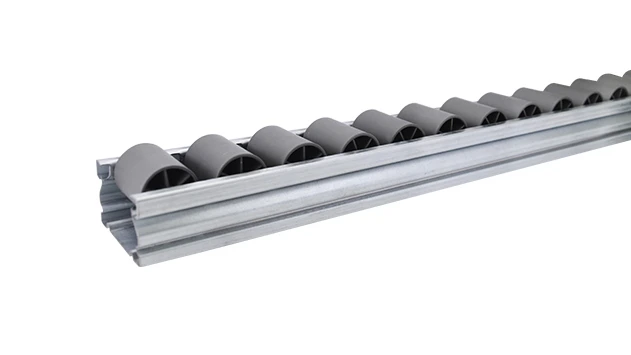
The roller track can be installed with multiple accessories to create different slopes and configurations of flow racks.All steel conveyor 60 roller track accessories are engineered to perfectly fit the sliding rail.
Every day, in factories across the globe—from 3C assembly lines to medical device manufacturing floors—materials move. Parts glide from one station to the next, bins slide onto shelves, and products make their way through packaging lines. But what makes that movement smooth? What stops a bin from getting stuck mid-flow, or a part from jamming a conveyor belt? The answer often lies in a small but critical detail: the friction coefficient of the roller tracks that power these operations.
Today, we're diving deep into one such component: the 60 Steel Roller Track Grey. It's not just another piece of metal; it's a workhorse that keeps production lines running efficiently, reduces downtime, and aligns with the lean principles many modern manufacturers swear by. Whether you're setting up a new flow rack for your warehouse or upgrading an existing conveyor system, understanding the friction coefficient of this track is key to making informed decisions that boost your bottom line.
Let's start by breaking down what exactly the 60 Steel Roller Track Grey is, then move into the science of friction, how it's measured, and why it matters for your operations.
What Is 60 Steel Roller Track Grey?
First things first—let's get to know the 60 Steel Roller Track Grey. As the name suggests, it's a roller track made from high-quality steel, designed with a grey finish (often a powder coat) that resists corrosion and wear. The "60" refers to its width or profile size, making it suitable for medium to heavy loads (we'll get into exact numbers later).
Unlike some flimsy alternatives, this track is built to last. Each roller is precision-engineered to rotate smoothly, and the frame is sturdy enough to handle constant use in busy manufacturing environments. It's a common choice for flow racks, conveyors, and even some lean workstations because of its versatility and reliability.
But what sets it apart from other roller tracks? Well, its friction coefficient is optimized for balance—low enough to let materials slide easily, but high enough to prevent them from sliding too fast (which can cause damage or safety hazards). That balance is what makes it a go-to for many industries.
The Science Behind Friction Coefficient
Friction is the force that opposes motion when two surfaces touch. In material handling, it's a double-edged sword: too much friction, and materials get stuck (wasting time and energy); too little, and they slide uncontrollably (risking damage or accidents).
The friction coefficient is a number that quantifies this force. It has two main types: static (when an object is at rest) and dynamic (when it's moving). For roller tracks like the 60 Steel Grey, we care most about dynamic friction—since we want materials to keep moving once they start.
So why does this matter for your factory? Let's say you have a flow rack filled with bins of electronic components. If the friction coefficient is too high, workers have to push harder to slide bins out, leading to fatigue and slower workflow. If it's too low, bins might slide out on their own when the rack is tilted, causing parts to spill or break. The 60 Steel Roller Track Grey hits that sweet spot, ensuring smooth, controlled movement every time.

Measuring Friction Coefficient of 60 Steel Roller Track Grey
To understand the friction coefficient of the 60 Steel Roller Track Grey, we need to look at how it's tested. Most manufacturers use standardized methods, like the ASTM D1894 test, which measures the coefficient of friction between two surfaces in relative motion.
For the 60 Steel Grey track, the dynamic friction coefficient typically ranges from 0.12 to 0.18 (depending on the load and surface of the material being moved). Let's put that into perspective: a coefficient of 0.1 means it takes 10 Newtons of force to move a 100kg object (roughly), so 0.15 would be 15 Newtons—easy enough for a worker to handle, but not so easy that it slides away on its own.
To give you a better idea, let's compare it to other common roller tracks:
| Roller Track Type | Material | Static Friction Coefficient | Dynamic Friction Coefficient | Max Load Capacity (per meter) | Ideal Application |
|---|---|---|---|---|---|
| 60 Steel Roller Track Grey | High-quality Steel | 0.18-0.22 | 0.12-0.18 | 500 kg | Medium-heavy loads, flow racks, conveyors (3C assembly, warehousing) |
| 60 Steel Roller Track Yellow | High-quality Steel | 0.16-0.20 | 0.10-0.16 | 500 kg | Lighter medium loads, pick-and-pack stations |
| 38 Aluminum Roller Track Black ESD | Aluminum | 0.14-0.18 | 0.08-0.12 | 300 kg | Light loads, ESD-sensitive environments (electronics) |
| Mini Aluminum Roller Track Yellow | Aluminum | 0.12-0.16 | 0.06-0.10 | 200 kg | Very light loads, small parts handling |
| 60 Steel Roller Track White | High-quality Steel | 0.-17-0.21 | 0.11-0.17 | 500 kg | General-purpose, clean environments (medical) |
Another thing to note: the friction coefficient can change over time if the track isn't maintained properly. Dirt, dust, or lack of lubrication can increase friction, so regular upkeep is essential (we'll cover maintenance tips later).

Real-World Applications of 60 Steel Roller Track Grey
Now that we understand the science, let's talk about how the 60 Steel Roller Track Grey is used in real factories. It's a staple in many lean solutions, especially in industries like 3C assembly, medical device manufacturing, and warehousing.
Take 3C assembly lines, for example. Workers need to move small parts (like phone screens or battery packs) from one station to the next quickly and safely. The 60 Steel Grey track is often used in conveyors that transport these parts, as its friction coefficient ensures the parts don't get stuck or slide too fast. It's also used in flow racks where bins of components are stored—workers can easily pull out a bin without struggling, which speeds up the assembly process.
In the medical device industry, precision is everything. The 60 Steel Grey track is used in flow racks for storing sterile components, as its smooth movement reduces the risk of contamination (since workers don't have to force bins open, which can stir up dust). It's also part of some lean workstations where medical devices are assembled, as it's easy to clean and maintain (important for compliance with strict hygiene standards).
Warehousing is another big application. The 60 Steel Grey track is used in flow racks for picking and packing operations. Bins of products slide down the track to the picker, who can quickly grab what they need and send the bin back (or to the next station). This reduces the time pickers spend walking around, which boosts efficiency and reduces fatigue.
And let's not forget about conveyors. The 60 Steel Grey track is often used in roller conveyors that transport boxes or pallets. Its sturdy construction can handle heavy loads, and its friction coefficient ensures the boxes move at a steady pace—no sudden stops or starts that could damage the products inside.
A recent project for a 3C assembly plant in Shenzhen used the 60 Steel Roller Track Grey to build a flow rack system for storing battery packs. The plant had been using a manual system where workers carried bins from storage to the assembly line—this was slow and led to frequent back injuries. By switching to a flow rack with the 60 Steel Grey track, the plant reduced the time to retrieve battery packs by 30% and cut back injuries by 50%. The workers loved it because they no longer had to carry heavy bins, and the plant saw a boost in productivity as a result.
Another example: a medical device manufacturer in Guangzhou used the 60 Steel Grey track in their conveyor system for transporting sterile surgical instruments. The track's smooth movement reduced the risk of contamination (since workers didn't have to touch the instruments as much), and its friction coefficient ensured the instruments moved at a steady pace—no sudden stops that could damage the delicate tools. This helped the manufacturer comply with strict FDA regulations and improve their quality control processes.
These examples show that the 60 Steel Roller Track Grey isn't just a theoretical component—it's a practical solution that delivers real results for businesses of all sizes.
Benefits of Optimal Friction Coefficient
Now, let's dive into the concrete benefits of choosing a roller track with the right friction coefficient (like the 60 Steel Grey track).
First, reduced energy costs. If your conveyor system uses less force to move materials, it uses less electricity. Over time, this adds up to significant savings. For example, a conveyor that moves 100kg boxes every minute—if the friction coefficient is 0.15 instead of 0.2, it uses 25% less force, which translates to lower energy bills.
Second, less wear and tear on equipment. When materials slide easily, there's less stress on the conveyor motors and rollers. This means your equipment lasts longer, reducing maintenance and replacement costs.
Third, improved workflow efficiency. Workers don't have to waste time struggling with stuck bins or adjusting slippery materials. This leads to faster production times and higher output.
Fourth, enhanced safety. A track with the right friction coefficient reduces the risk of accidents. No more bins sliding off the rack unexpectedly, no more workers straining their backs to push heavy loads. This creates a safer work environment for everyone.
Fifth, alignment with lean principles. Lean manufacturing is all about reducing waste and improving efficiency. The 60 Steel Grey track helps you do both—by reducing downtime (from stuck materials) and making your operations smoother, it aligns with the "sustainable improvement" that lean is built on.
Integration with Lean Systems & Accessories
The 60 Steel Roller Track Grey isn't just a standalone component—it's part of a larger lean ecosystem. When combined with other lean tools like aluminum profile accessories, flow racks, and conveyors, it becomes even more powerful.
For example, you can use aluminum profile accessories to customize your flow rack. Add side guides (like the plastic roller track guide rail grey or yellow) to keep bins from falling off, or use aluminum connectors to attach the track to the rack frame. These accessories are easy to install and adjust, so you can modify your system as your needs change—without having to buy a whole new setup.
Another example: combining the track with a conveyor system. The 60 Steel Grey track can be integrated into a lean conveyor that transports materials from the warehouse to the assembly line. This reduces the need for manual handling, which saves time and reduces the risk of injury.
And let's not forget about reusable components. The 60 Steel Grey track is designed to be reused—if you rearrange your factory layout, you can easily take the track apart and reassemble it elsewhere. This aligns with the "reusable, sustainable improvement" lean, as it reduces waste and saves money.
Aluminum profile accessories are a game-changer when it comes to customizing your system. Let's say you need to add side guides to your flow rack—you can use the plastic roller track guide rail grey, which attaches easily to the aluminum frame and slides smoothly against bins. If you need to adjust the track's height, aluminum height adjusters are sturdy and easy to turn. Roller track connectors let you join two pieces of track together for longer systems, and ESD accessories help create safe workspaces for sensitive components. All these accessories are reusable and adjustable, perfect for lean operations.
Maintenance Tips to Keep Friction Coefficient Consistent
As we mentioned earlier, the friction coefficient of the 60 Steel Roller Track Grey can change over time if not maintained properly. Here are some tips to keep it in top shape:
1. Clean regularly: Dirt and dust build up on rollers, increasing friction. Use a soft brush or cloth to wipe down the track every week (more often if dusty). Avoid harsh chemicals—use a mild cleaning solution if needed, then dry thoroughly.
2. Lubricate rollers: Every few months, apply a small drop of silicone-based lubricant to each roller's axle. Petroleum-based lubricants can damage plastic parts, so avoid them. Don't over-lubricate—too much oil attracts dust.
3. Inspect for damage: Bent or broken rollers increase friction or cause jams. Check regularly and replace damaged rollers immediately. Most manufacturers sell replacement rollers, so you don't need a new track.
4. Adjust alignment: Crooked tracks cause materials to slide to one side, increasing friction. Loosen bolts, straighten the track, and retighten. Do this every few months or when materials get stuck.
By following these tips, you can keep your track's friction coefficient optimal for years, ensuring smooth operations and reducing costs.
Conclusion
At the end of the day, the 60 Steel Roller Track Grey is more than just a piece of metal—it's a critical component that keeps your manufacturing operations running smoothly. Its optimized friction coefficient balances ease of movement with safety, making it a versatile choice for many industries.
Whether you're setting up a new flow rack, upgrading your conveyor system, or looking for a lean solution to boost efficiency, understanding the friction coefficient of this track is essential. It's not just a number—it's a way to ensure your operations are efficient, safe, and profitable.
And remember, the 60 Steel Grey track is part of a larger ecosystem. By combining it with aluminum profile accessories, lean workstations, and other tools, you can build a system that's tailored to your specific needs and aligns with the lean principles of reusable, sustainable improvement.
So next time you're looking for a roller track, don't just think about the price. Think about the friction coefficient, the quality of the material, and how it fits into your overall operations. The 60 Steel Roller Track Grey is a smart investment that will pay off in the long run, with reduced downtime, increased productivity, and a safer work environment.
Thank you for taking the time to read this article. We hope it has given you valuable insights into the importance of friction coefficient in roller tracks and how the 60 Steel Grey track can benefit your business.