- Company Articles
- Products and Technology
- Product knowledge
- Function of 60 Steel Roller Track Small Wheels in Flexible Production Lines

Function of 60 Steel Roller Track Small Wheels in Flexible Production Lines
Related Product
60 Steel Roller Track Small Wheel
Modular system roller tracks aluminum gravity roller tracks are an excellent solution for transporting materials within industrial environments, warehouses and distribution centres.
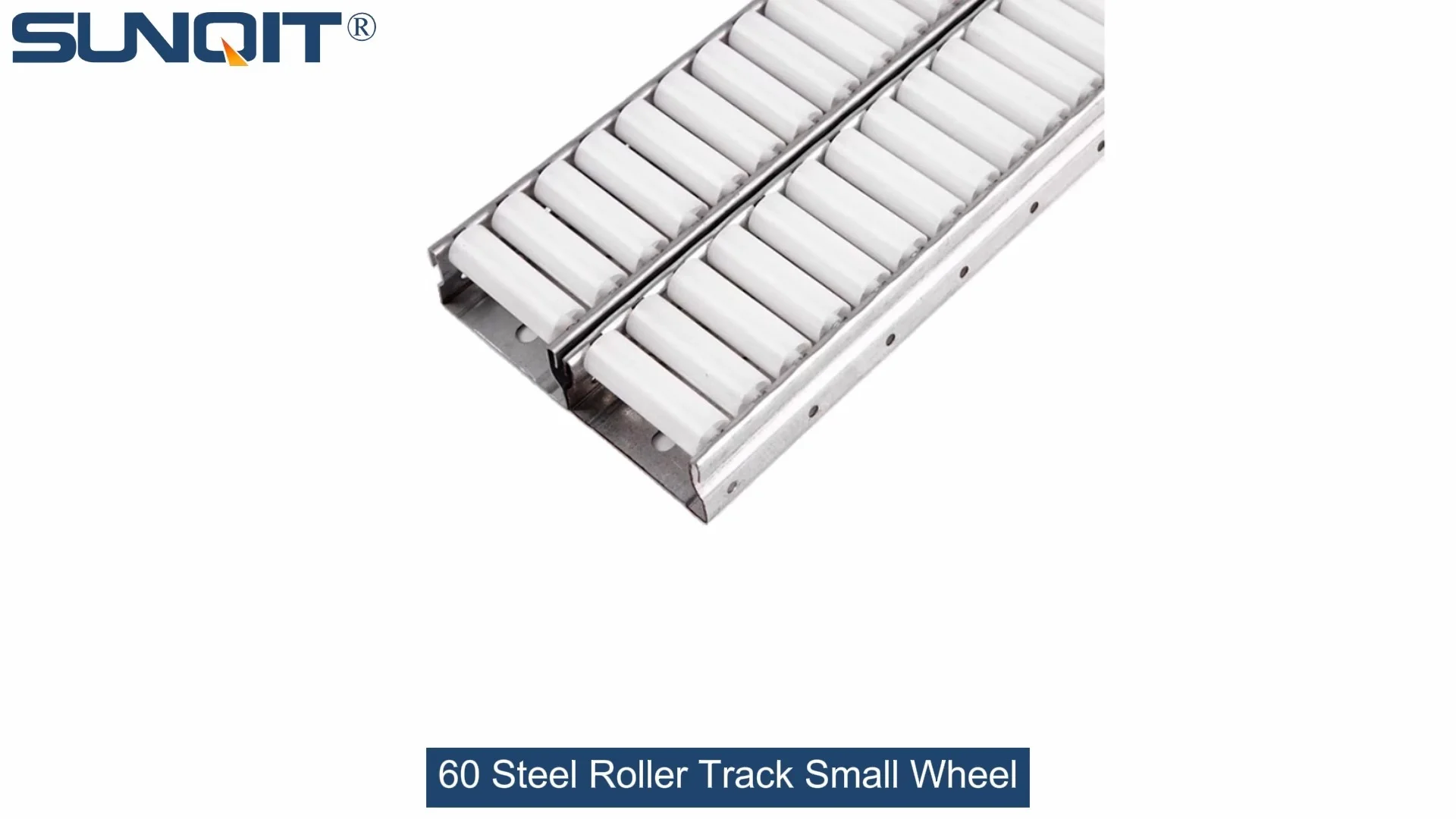
Function of 60 Steel Roller Track Small Wheels in Flexible Production Lines
Flexible production lines are the backbone of modern manufacturing—they let businesses adapt quickly to changing demands, cut waste, and keep operations running smoothly. But what makes these lines so flexible? It's often the small, unsung components that hold everything together and keep materials moving. One such component is the 60 steel roller track small wheel. You might not notice them at first glance, but they play a critical role in ensuring that parts, products, and materials glide from one station to the next without hiccups. In this article, we'll dive deep into what these wheels are, their core functions in flexible production systems, how they work with other lean components, and why they're a go-to choice for industries ranging from 3C assembly to medical device manufacturing.
What Are 60 Steel Roller Track Small Wheels?
Let's start with the basics: 60 steel roller track small wheels are compact, robust wheels designed to fit into 60mm-wide roller tracks (hence the name). Made from high-quality steel, they're built to handle heavy loads while maintaining a smooth, low-friction roll. Unlike plastic wheels that might wear out quickly under pressure, these steel wheels are heat-treated for durability, resisting scratches, dents, and corrosion even in high-use environments. Their small size doesn't mean they lack strength—each wheel can support a significant amount of weight, making them ideal for moving everything from small electronic parts to heavier components like automotive parts or medical devices.
The design of these wheels is also worth noting: they feature a precision-machined surface that ensures consistent contact with the track, reducing noise and minimizing wear on both the wheel and the track itself. Many models come with sealed bearings to prevent dust and debris from getting inside, which helps extend their lifespan and reduce maintenance needs. Whether you're using them in a flow rack, a conveyor system, or a lean pipe workbench, these wheels are engineered to integrate seamlessly with other lean components.
Core Functions That Drive Flexible Production Efficiency
Now, let's talk about the key functions that make these wheels indispensable in flexible production lines:
- Enabling Smooth Material Flow : The primary job of these wheels is to let materials slide easily along the track. This means less effort for workers to move parts from one station to another—no more lifting heavy bins or pushing stuck carts. For example, in a 3C assembly line, small electronic components can glide from the storage area to the assembly station without any delays, keeping the line moving at optimal speed.
- Supporting Lean System Principles : Lean manufacturing is all about eliminating waste and improving efficiency, and these wheels align perfectly with that. By facilitating smooth material flow, they reduce waiting times, cut down on unnecessary movement, and help maintain a continuous production flow—all core tenets of lean systems.
- Adapting to Changing Needs : Flexible production lines need components that can be reconfigured quickly, and these wheels deliver. They're easy to install and remove, so you can adjust your roller tracks or flow racks as your production needs change. Whether you're adding a new station to your line or rearranging existing ones, these wheels make it simple to adapt without disrupting operations.
- Enhancing Ergonomics : Heavy lifting and repetitive movements can lead to worker fatigue and injuries. By letting materials glide smoothly, these wheels reduce the physical strain on workers. For instance, in a medical device manufacturing facility, workers don't have to struggle to move heavy trays of components—they can just push them along the roller track with minimal effort.
- Durability for Long-Term Use : Steel wheels are built to last. Unlike plastic wheels that might crack or wear out after a few months of heavy use, these steel wheels can withstand years of continuous operation. This durability means fewer replacements, lower maintenance costs, and less downtime for your production line.
How 60 Steel Roller Track Small Wheels Work With Other Lean Components
60 steel roller track small wheels don't work in isolation—they're part of a larger ecosystem of lean components. Let's see how they integrate with some key parts:
- Flow Racks : Flow racks are a staple in lean manufacturing, used to store and move materials efficiently. The 60 steel wheels are the heart of these racks, letting bins of parts slide down to the pick-up point (first-in, first-out). This ensures that workers always have easy access to the next set of parts, reducing waiting times and keeping the line moving.
- Conveyors : Conveyor systems rely on roller wheels to transport products from one area to another. The 60 steel wheels are perfect for this, as they can handle heavy loads and maintain a steady speed. Whether you're moving finished products to packaging or raw materials to assembly, these wheels keep the conveyor running smoothly.
- Lean Pipe Workbenches : Lean pipe workbenches are customizable workstations used in many industries. Adding roller tracks with these steel wheels to a workbench lets workers slide parts directly to their workspace, eliminating the need to reach across or walk to get materials. This not only saves time but also improves ergonomics.
- Aluminum Profiles : Aluminum profiles are used to build the frame of many lean components, including roller tracks and flow racks. The 60 steel wheels are designed to fit perfectly with these profiles, ensuring a secure and stable connection. This compatibility makes it easy to build or modify your lean system using standard components.
- Lean Systems : All these components come together to form a complete lean system. The 60 steel wheels are a critical link in this system, ensuring that materials flow smoothly between different parts of the line. Without them, the system would be less efficient and less flexible.
Real-World Applications: Where These Wheels Shine
These wheels are used across a wide range of industries, but let's look at some specific examples where they make a big difference:
- 3C Assembly : In 3C (computers, communications, consumer electronics) assembly lines, precision and speed are key. The 60 steel wheels are used in flow racks to store small components like circuit boards or connectors. Workers can quickly grab the next bin of parts, keeping the assembly line moving at a fast pace.
- Medical Device Manufacturing : Medical devices require strict adherence to hygiene and precision. The steel wheels are easy to clean and sanitize, making them ideal for this industry. They're used in roller tracks to move sterile components from the storage area to the assembly station, ensuring that everything stays clean and organized.
- Automotive Industry : Automotive manufacturing involves heavy components like engine parts or body panels. The 60 steel wheels can handle these heavy loads, making them perfect for conveyor systems that transport parts between different stations. They also stand up to the harsh environment of an auto plant, resisting oil, grease, and other contaminants.
- Warehouse Logistics : In warehouses, flow racks with these wheels are used to store and pick orders efficiently. Bins of products slide down to the picker, reducing the time it takes to fulfill orders. This is especially useful in e-commerce warehouses where speed is critical.
- Home Appliance Manufacturing : Home appliances like refrigerators or washing machines have many parts that need to be moved around the production line. The 60 steel wheels are used in roller tracks to transport these parts, ensuring that they reach the assembly station on time and in perfect condition.
Comparing 60 Steel Roller Track Small Wheels to Alternatives
To understand why 60 steel roller track small wheels are a great choice, let's compare them to other common types of roller wheels:
| Wheel Type | Load Capacity | Durability | Best For | Maintenance Needs |
|---|---|---|---|---|
| 60 Steel Roller Track Small Wheel | High (up to 50kg per wheel) | Excellent (years of use) | Heavy loads, continuous use | Low (sealed bearings, minimal lubrication) |
| 40 Steel Roller Wheel | Medium (up to 30kg per wheel) | Good | Light to medium loads | Low |
| Plastic Roller Wheel | Low (up to 15kg per wheel) | Poor (easily cracks/wears) | Light loads, short-term use | High (frequent replacements) |
| Aluminum Roller Wheel | Medium (up to 35kg per wheel) | Good | Light to medium loads, corrosive environments | Medium (needs occasional lubrication) |
Installation & Maintenance: Keeping Your System Running Smoothly
Installing and maintaining 60 steel roller track small wheels is straightforward, but following these tips will help keep your system running smoothly:
Installation Tips:
- Make sure the roller track is clean and free of debris before installing the wheels. A dirty track can cause the wheels to stick or wear out faster.
- Align the wheels properly to ensure they roll in the same direction. Misaligned wheels can cause resistance and make materials hard to move.
- Tighten the mounting screws securely, but don't over-tighten. Over-tightening can damage the wheel or the track, leading to premature wear.
- Test the wheels after installation to ensure they roll smoothly without any resistance. If you notice any issues, adjust the wheels or track before using the system.
Maintenance Tips:
- Clean the wheels regularly to remove dust, dirt, and debris. A soft brush or cloth works well—avoid using harsh chemicals that can damage the wheel's surface.
- Lubricate the bearings every 6 months (or as needed) with a light machine oil. This helps keep the wheels rolling smoothly and extends their lifespan.
- Check the wheels for wear and tear periodically. If you notice any cracks, dents, or excessive wear, replace the wheel immediately to avoid downtime.
- Keep the roller track clean. Debris on the track can cause the wheels to stick or wear out faster. Sweep or wipe the track regularly to remove any dirt or dust.
Customization: Tailoring to Your Production Needs
Every manufacturing facility has unique needs, and 60 steel roller track small wheels are flexible enough to meet those needs. Whether you're looking for a specific wheel size, a custom mounting option, or a wheel that can withstand a harsh environment (like high temperatures or corrosive chemicals), you can find or customize these wheels to fit your requirements.
For example, if you're in the medical industry and need sterile components, you can get 60 steel wheels that are coated with a special material to resist bacteria. Or if you're in the automotive industry and need wheels that can handle oil and grease, you can get wheels with a corrosion-resistant coating.
Many suppliers also offer custom solutions, where they work with you to design a roller track system that fits your exact production needs. This includes choosing the right wheel type, track size, and accessories to create a system that's efficient, ergonomic, and tailored to your facility. Whether you're building a new production line or upgrading an existing one, a custom solution can help you get the most out of your investment.
Conclusion
60 steel roller track small wheels might seem like a small component, but they play a huge role in the success of flexible production lines. From enabling smooth material flow to supporting lean system principles, these wheels are essential for any modern manufacturing facility. Their durability, load capacity, and adaptability make them a go-to choice for industries ranging from 3C assembly to automotive manufacturing.
Whether you're building a new production line or upgrading an existing one, investing in high-quality 60 steel roller track small wheels is a smart decision. They'll help you improve efficiency, reduce downtime, and keep your operations running smoothly for years to come.
If you're looking to learn more about how these wheels can fit into your lean system, or if you need help designing a custom solution, there are many resources available to guide you. Remember, the right components can make all the difference in your production line's performance.