- Company Articles
- Products and Technology
- Product knowledge
- Functionality Breakdown: 2040 Aluminum Profile End Cap Operations

Functionality Breakdown: 2040 Aluminum Profile End Cap Operations
Related Product
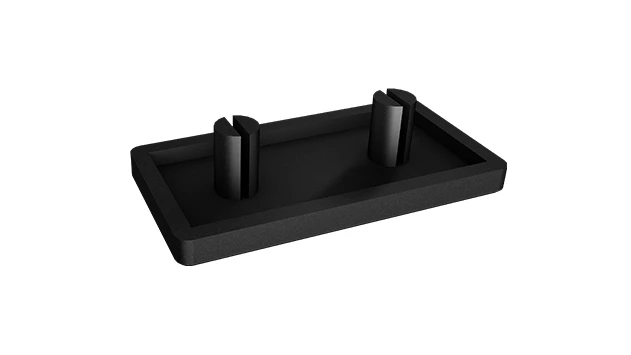
2040 Aluminum Profile End Cap
The aluminum profile end cap adds a finishing touch to your project and closes off profile ends to limit dust and debris buildup, also it can avaid some scratch for material and labor during the assemble work.
In the world of manufacturing and industrial setups, aluminum extrusion profiles are the unsung backbone of countless operations. From lean system workbenches that keep assembly lines humming to material racks that organize inventory with precision, these profiles form the structure of efficiency. But anyone who's worked with these systems knows: the magic isn't just in the profiles themselves—it's in the small, often overlooked accessories that make them functional, safe, and built to last. Today, we're shining a light on one such accessory: the 2040 aluminum profile end cap. It might seem like a tiny component, but its role in protecting, perfecting, and prolonging the life of aluminum profiles is anything but minor.
What Are 2040 Aluminum Profile End Caps, Anyway?
Let's start with the basics. Aluminum extrusion profiles come in various sizes, each tailored to specific load capacities and applications. The "2040" in 2040 aluminum profile refers to its cross-sectional dimensions: 20mm in width and 40mm in height. These profiles are workhorses—you'll find them in everything from lightweight workbenches to medium-duty material racks, thanks to their balance of strength and versatility. Now, imagine the raw end of one of these profiles: sharp edges, exposed internal channels, and a less-than-polished look. That's where the 2040 aluminum profile end cap steps in. Simply put, it's a small, often plastic or rubber component designed to snap or press-fit onto the open ends of 2040 profiles, transforming those rough edges into something safe, clean, and functional.
At first glance, you might think, "It's just a cap—how important can it be?" But ask any plant manager who's dealt with a worker nicking their hand on an exposed profile edge, or a maintenance tech who's spent hours clearing dust and debris from a profile's internal channels, and they'll tell you: end caps are non-negotiable. They're the finishing touch that turns a basic aluminum extrusion into a refined, ready-to-use component of a lean system.
Design and Material: The Science of a "Simple" Cap
Don't let their small size fool you—2040 aluminum profile end caps are engineered with purpose. Let's break down their design and materials to understand why they work so well.
Material Matters: More Than Just Plastic
Most 2040 end caps are made from durable plastics like polyvinyl chloride (PVC) or nylon, though you might find rubber variants for added grip or vibration dampening. Why plastic? It's lightweight, resistant to corrosion (unlike metal, which can rust in humid environments), and easy to mold into precise shapes. For environments where static electricity is a concern—like electronics manufacturing—you might even encounter ESD-safe end caps, treated to dissipate static charges and protect sensitive components. This attention to material science ensures the end cap doesn't just cover the profile but actively contributes to the system's safety and longevity.
Design Features: Snug, Secure, and Subtle
The design of a 2040 end cap is deceptively simple. Most feature a slightly tapered interior that compresses as it's pressed onto the profile, creating a friction fit that holds it securely in place. Some include small ribs or tabs along the inner surface to enhance grip, ensuring the cap doesn't pop off during use. Externally, they're usually smooth and low-profile, with a finish that matches common aluminum profile colors—think matte black, gray, or white—to blend seamlessly into the overall setup. This subtlety is key: the end cap should protect and perfect without drawing attention to itself.
Take, for example, a workbench in an electronics assembly line. The 2040 profiles form the frame, and the end caps ensure that when a technician leans against the bench or slides components across it, there's no risk of catching a sharp edge. The smooth, color-coordinated finish also contributes to a clean, professional workspace—something that matters more than you might think for morale and efficiency.

Installation 101: How to Fit a 2040 End Cap (It's Easier Than You Think)
One of the best things about 2040 aluminum profile end caps is how user-friendly they are. You don't need special tools or technical expertise—just a steady hand and a few seconds. Here's a step-by-step guide to getting it right:
- Prep the Profile End: First, inspect the end of your 2040 aluminum profile. If there are any burrs (small, sharp metal fragments left from cutting or extrusion), gently file them down with a fine-grit sandpaper. Burrs can prevent the end cap from seating properly and might even tear the cap over time.
- Align the End Cap: Hold the end cap with the open side facing the profile. Most end caps have a subtle orientation—look for any tabs or notches that match the profile's internal structure. For 2040 profiles, the cap should have a 20x40mm opening to match the profile's dimensions.
- Press Firmly (But Gently): With the cap aligned, apply even pressure to the center of the cap. You should feel a slight "pop" as it seats into place. Avoid using excessive force—if it doesn't fit easily, check for burrs or misalignment rather than forcing it (this can crack the cap).
- Test for Security: Once installed, give the cap a gentle tug. It should stay firmly in place. If it wiggles or falls off, double-check that you're using the correct size (2040) and that the profile end is smooth and clean.
Pro tip: If you're installing end caps on multiple profiles (say, for a workbench with four legs), do a quick test fit on one profile first. This ensures you have the right caps before committing to all of them—no one wants to realize halfway through that they grabbed 3030 caps by mistake!

The Functional Benefits: Why End Caps Matter
Now that we know what 2040 end caps are and how to install them, let's dive into their real-world benefits. These small accessories punch above their weight in four key areas:
1. Protection: Keeping Profiles (and People) Safe
The most obvious benefit is safety. Exposed aluminum profile ends are sharp—sharp enough to cut gloves, scratch forearms, or even snag clothing. In a busy lean system, where workers are moving quickly to meet production goals, these edges are accident waiting to happen. End caps eliminate that risk by covering the edges with a soft, rounded surface. But they don't just protect people—they protect the profiles too. Without end caps, dust, dirt, and debris can accumulate in the profile's internal channels, which can gunk up accessories like connectors or sliding components over time. In humid environments, moisture can seep in, leading to corrosion (even in aluminum, which is corrosion-resistant but not impervious). End caps act as a barrier, keeping the inside of the profile clean and dry.
2. Aesthetics: Polishing the Look of Your Setup
Let's face it: raw aluminum ends look unfinished. Whether you're building a customer-facing display or an in-house workbench, presentation matters. A system with exposed profile ends looks thrown together, while one with matching end caps looks intentional and professional. This might seem like a minor point, but in manufacturing, a clean, organized workspace is linked to higher morale and even better quality control. Workers take pride in environments that look cared for, and end caps are a simple way to elevate the look of any aluminum profile setup.
3. Compatibility: Playing Nice with Other Accessories
Aluminum profile systems thrive on modularity—you can mix and match accessories like brackets, shelves, and conveyor components to create custom setups. End caps play a quiet role in this compatibility by ensuring the profile ends don't interfere with other parts. For example, if you're attaching a caster to the bottom of a workbench leg (using a caster mounting bracket), an end cap prevents the bracket from catching on the raw profile edge, ensuring a secure, stable fit. In short, end caps help all your aluminum profile accessories work together seamlessly.
4. Longevity: Extending the Life of Your Investment
Aluminum profiles are built to last, but they're not indestructible. By keeping debris out and preventing physical damage to the ends, end caps help extend the life of your profiles. Think about it: a profile with a dented or bent end might not fit into a connector properly, or might weaken over time. End caps act as a first line of defense, absorbing minor impacts and keeping the profile's structural integrity intact. Over the years, this can save you money on replacements and repairs—proof that even small accessories deliver big ROI.
How 2040 End Caps Stack Up: A Comparison with Other Sizes
Not all end caps are created equal. To understand why 2040 end caps are so versatile, let's compare them to two other common sizes: 3030 and 4040 aluminum profile end caps. This table breaks down their key differences:
| Profile Type | End Cap Dimensions (mm) | Common Material | Average Weight (g) | Primary Applications |
|---|---|---|---|---|
| 2040 Aluminum Profile | 20 (W) x 40 (H) | PVC, Nylon | 8–12g | Workbenches, lightweight material racks, small conveyors |
| 3030 Aluminum Profile | 30 (W) x 30 (H) | PVC, Nylon, Rubber | 15–20g | Medium-duty shelving, machine guards, assembly line frames |
| 4040 Aluminum Profile | 40 (W) x 40 (H) | Reinforced Nylon, ABS | 25–30g | Heavy-duty workbenches, industrial racks, conveyor supports |
As you can see, 2040 end caps are lighter and more compact than their 3030 and 4040 counterparts, making them ideal for applications where weight and space are at a premium. Their smaller size also means they're often more affordable, which adds up when outfitting an entire lean system with dozens of profiles.
Real-World Applications: Where 2040 End Caps Shine
To truly appreciate 2040 end caps, let's look at how they're used in everyday industrial setups. Here are three common scenarios where these small accessories make a big difference:
Workbenches: The Heart of the Assembly Line
Walk into any manufacturing plant, and you'll find workbenches everywhere—they're where the magic happens, from assembling circuit boards to packing finished products. Many of these workbenches are built with 2040 aluminum profiles for their balance of strength and maneuverability. On a typical workbench, the 2040 profiles form the legs, frame, and sometimes the shelf supports. End caps on the legs prevent workers from kicking sharp edges, while caps on the frame rails keep dust from collecting in the channels (which could otherwise interfere with clamping tools or sliding shelves). Imagine a technician leaning against the bench while soldering—without end caps, they might catch their sleeve on a raw profile end, jostling their hand and ruining the component. With end caps, it's a non-issue.
Material Racks: Organizing Inventory Safely
Material racks (like the "material rack b (3 row and 3 floor)" from our keyword list) are another common application for 2040 profiles. These racks hold everything from raw materials to finished goods, and they need to be both sturdy and easy to access. End caps on the rack's vertical supports protect warehouse staff from scrapes when loading or unloading items. They also help keep the rack's structure sound: without caps, debris could accumulate in the profile ends, adding unnecessary weight and potentially weakening the rack over time. In busy warehouses, where racks are used around the clock, this kind of durability is essential.
Conveyor Systems: Keeping Production Flowing
Conveyors are the arteries of lean systems, moving products from one station to the next. Many conveyor frames use 2040 profiles for their lightweight design, which helps keep the conveyor's motor load low. End caps on these profiles ensure that the conveyor runs smoothly: they prevent loose debris from falling into the frame (which could jam the belt or rollers) and protect maintenance workers who might need to access the conveyor's undercarriage. In high-speed conveyors, even a small obstruction can cause delays—end caps help keep those disruptions to a minimum.
Troubleshooting Common End Cap Issues
While 2040 end caps are generally low-maintenance, they can run into issues from time to time. Here are the most common problems and how to fix them:
- Loose End Caps: If a cap wiggles or falls off, it's usually due to one of two issues: either the profile end is damaged (dented or bent), or the cap is the wrong size. Start by inspecting the profile end—if it's bent, gently straighten it with pliers (for minor bends) or replace the profile (for major damage). If the end is straight, check that you're using 2040 caps (not 3030 or 4040). If all else fails, a small drop of industrial adhesive (like super glue) can help secure it, but use this sparingly—you might need to remove the cap later for maintenance.
- Difficult Installation: If the cap won't press on easily, check for burrs or rough edges on the profile end. A quick pass with sandpaper should smooth things out. You can also warm the cap slightly (with a hair dryer, not a flame!) to make the plastic more pliable—this can help it stretch over the profile end more easily.
- Cracked or Damaged Caps: Cracks usually happen from over-pressing during installation or from repeated impacts (like a heavy object hitting the cap). If a cap is cracked, replace it immediately—cracks compromise its ability to protect the profile and can lead to sharp edges. Opt for thicker, reinforced caps if you're in a high-impact environment.
Maintaining Your End Caps: Tips for Longevity
To get the most out of your 2040 end caps, a little maintenance goes a long way. Here's how to keep them in top shape:
- Regular Inspections: During routine equipment checks, take a minute to inspect the end caps. Look for cracks, looseness, or discoloration (which might indicate chemical exposure). Catching issues early prevents them from becoming bigger problems.
- Gentle Cleaning: If end caps get dirty (from oil, grease, or dust), wipe them down with a damp cloth and mild detergent. Avoid harsh chemicals like acetone or bleach—these can degrade the plastic over time.
- replace Proactively: End caps are inexpensive, so don't wait for them to fail completely before replacing. If a cap is looking worn or has small cracks, swap it out—this is much cheaper than repairing a damaged profile or dealing with an injury.
The Future of Aluminum Profile Accessories
As manufacturing evolves, so do the accessories that make it possible. For 2040 aluminum profile end caps, we're seeing a few emerging trends:
- Eco-Friendly Materials: With sustainability becoming a priority, manufacturers are developing end caps from recycled plastics or biodegradable materials. These caps offer the same protection but with a smaller environmental footprint.
- Customization Options: More suppliers are offering custom colors, logos, or even textures for end caps. This is great for branding (like adding a company logo to workbenches) or for color-coding systems (e.g., red caps for high-voltage areas, green for safe zones).
- Integrated Features: While still rare, some innovative end caps now include small features like cable management ports (for routing wires through the profile) or QR codes (for tracking profile installation dates or maintenance schedules). These smart caps add functionality without sacrificing simplicity.
Conclusion: Small Accessory, Big Impact
At the end of the day, the 2040 aluminum profile end cap is a testament to the idea that great systems are built from great details. It might not grab headlines like a high-tech conveyor or a heavy-duty workbench, but without it, those systems wouldn't be as safe, efficient, or long-lasting. Whether you're building a lean system from scratch or upgrading an existing setup, don't overlook the humble end cap. It's a small investment that pays off in smoother operations, happier workers, and a workspace that's built to last.
So the next time you're assembling a workbench or installing a material rack, take a moment to appreciate the 2040 end cap. It's quiet, unassuming, and absolutely essential—proof that in manufacturing, the smallest parts often make the biggest difference.