- Company Articles
- Products and Technology
- Technology Sharing
- Future Innovations in Aluminum Honeycomb Panel Technology for Smart Manufacturing

Future Innovations in Aluminum Honeycomb Panel Technology for Smart Manufacturing
Related Product
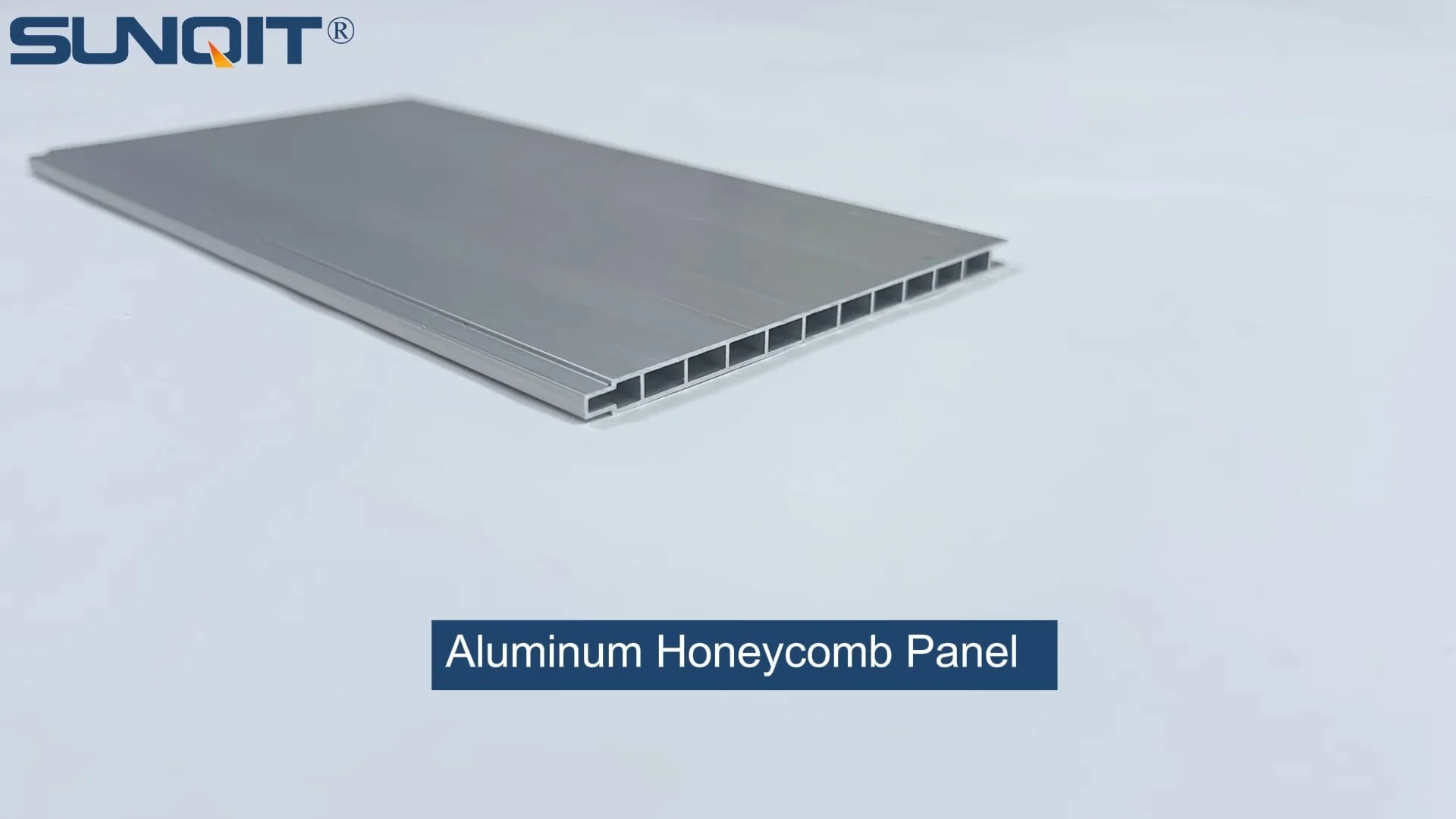
Aluminum Honeycomb Panel
Aluminum honeycomb panel used as table top, side wall, it is connected one pcs by one pcs from the side slot to make a full pieces.This panel width 105mm, 55mm, 35mm are optional for slection.
Introduction: The Backbone of Modern Manufacturing
Walk into any smart factory today, and you'll notice a quiet revolution unfolding—one that's not just about robots or AI, but about the materials that hold it all together. From the workbenches where technicians assemble intricate components to the material racks that keep production flowing, the right materials can make or break efficiency. Among these unsung heroes, aluminum honeycomb panels have emerged as a game-changer, prized for their unique blend of strength, lightness, and versatility. But as manufacturing grows smarter, faster, and more sustainable, even the best materials need to evolve. Let's dive into the future of aluminum honeycomb panel technology and how it's set to redefine smart manufacturing as we know it.
Aluminum Honeycomb Panels Today: A Foundation Built on Ingenuity
First, let's get familiar with the star of the show. Aluminum honeycomb panels are engineered sandwiches: a lightweight honeycomb core (usually aluminum) sandwiched between two thin, rigid face sheets. This design borrows from nature—think of a beehive's hexagonal cells, which distribute weight evenly while using minimal material. The result? A panel that's up to 70% lighter than solid steel but just as strong, if not stronger, in bending and compression.
Today, you'll find these panels hard at work in factories worldwide. They're the backbone of workbench surfaces that need to withstand heavy tools without weighing down assembly lines. They line the shelves of material racks, reducing the load on conveyor systems while keeping parts secure. And in lean manufacturing setups, their modularity lets teams reconfigure workstations on the fly, aligning perfectly with the lean system ethos of flexibility and waste reduction.
But for all their strengths, current aluminum honeycomb panels have room to grow. Imagine a factory manager who wants a workbench that's not just strong, but also "smart"—one that can track tool usage, monitor vibration, or even alert maintenance when wear and tear set in. Or a manufacturer needing panels that can be customized to fit non-standard shapes for specialized production lines. These are the challenges driving the next wave of innovation.

The Need for Innovation: Why "Good Enough" Isn't Enough Anymore
Smart manufacturing isn't just about doing things faster—it's about doing them smarter. Factories today demand materials that can keep up with three key trends: lightweighting (to reduce energy use in handling), connectivity (to integrate with IoT systems), and sustainability (to meet strict environmental goals). Let's break down why current aluminum honeycomb panels are hitting their limits:
- Weight vs. Strength Trade-offs: While honeycomb panels are lighter than steel, some industries—like aerospace or automotive—need even greater weight reduction without sacrificing durability. Current alloys and core designs can only go so far.
- Limited Customization: Many panels are mass-produced with standard sizes and core densities. For factories using unique aluminum extrusion profile setups or specialized workbenches, this one-size-fits-all approach leads to wasted material and time.
- Static by Design: Today's panels are passive—they don't "communicate." In a smart factory where data drives decisions, a panel that can't share information about its performance is a missed opportunity.
- Sustainability Gaps: While aluminum is recyclable, the production process for honeycomb panels still involves energy-intensive steps. As brands race to net-zero, even small inefficiencies in material sourcing or manufacturing add up.
The good news? Innovators are already tackling these challenges. Let's explore the breakthroughs on the horizon.

Future Innovations: What's Next for Aluminum Honeycomb Panels?
The future of aluminum honeycomb panels isn't just about incremental improvements—it's about reimagining what these materials can do. Here are four key innovations set to transform the industry:
1. Lightweighting with Advanced Alloys and Core Designs
Imagine a honeycomb panel that's 30% lighter than today's models but twice as stiff. That's the promise of advanced alloy integration. Researchers are experimenting with adding trace elements like scandium or lithium to aluminum, creating alloys that boost strength while cutting weight. Pair that with next-gen core geometries—think 3D-printed lattices or variable cell sizes that optimize load distribution—and you get panels that can handle heavier loads with less material.
Take the example of a workbench E (single deck-without caster) , a staple in electronics assembly. Today, even with aluminum panels, these workbenches can feel clunky when teams need to reposition them for line rebalancing. A lighter, stronger panel would let workers move stations effortlessly, slashing changeover times from hours to minutes.
2. Smart Integration: Panels That "Talk" to the Factory
What if your workbench surface could do more than just hold tools? Future honeycomb panels could embed tiny sensors directly into the core or face sheets, turning them into IoT nodes. Imagine a panel that monitors temperature, humidity, or vibration in real time—alerting operators if conditions drift outside optimal ranges for sensitive electronics assembly. Or a material rack panel that tracks how often it's loaded and unloaded, predicting when it might need reinforcement.
This connectivity won't stop at sensors. Innovators are exploring conductive adhesives or embedded wiring within the honeycomb structure, allowing panels to power small devices (like LED task lights on workbenches) or transmit data wirelessly. For a lean system manager, this means fewer cables cluttering the workspace and more actionable data to optimize workflows.
3. Modular Design: Customization at Scale
One of the biggest pain points for manufacturers is waiting for custom panels. Today, if you need a panel with a specific thickness, core density, or cutout for wiring, you might wait weeks for a supplier to produce it. The future will change that with modular, snap-together systems.
Think of it like building with aluminum profile accessories —but for panels. Imagine a base panel with standardized grooves or slots, where you can add interchangeable face sheets (anti-static for ESD workstations, heat-resistant for welding areas) or core inserts (extra insulation, sound-dampening material) in minutes. Suppliers could even offer "panel kits" with pre-cut components, letting factories assemble custom solutions on-site. This not only cuts lead times but also reduces waste, as damaged sections can be replaced instead of scrapping the entire panel.
4. Sustainability: From Cradle to Cradle
Sustainability isn't just a buzzword—it's a business imperative. Future aluminum honeycomb panels will focus on closing the loop, from raw materials to end-of-life recycling. Innovations here include:
- Recycled Content Boost: Using higher percentages of post-consumer recycled aluminum in both core and face sheets, without compromising strength.
- Low-Energy Production: New bonding techniques that reduce heat or chemical use during panel assembly.
- Design for Disassembly: Panels that can be taken apart easily, so core, face sheets, and adhesives can be recycled separately.
For example, a European aluminum profile supplier is already testing a "closed-loop" program where old honeycomb panels are collected, stripped down, and their aluminum is melted down to make new cores. The goal? Cut the carbon footprint of panel production by 50% by 2030.
Real-World Impact: How These Innovations Will Transform Factories
Let's ground these innovations in a real scenario. Meet Maria, a production manager at a mid-sized electronics manufacturer. Her factory assembles smartphones, and she's struggling with three issues: slow changeover times between product models, high energy costs from moving heavy workbenches, and rising waste from damaged or outdated panels.
Now, fast-forward to 2027. Maria's factory has upgraded to the next generation of aluminum honeycomb panels. Here's how her day has changed:
- Changeovers in Minutes: Modular panels with snap-on face sheets let her team swap between anti-static surfaces for circuit boards and heat-resistant surfaces for battery assembly in under 10 minutes—down from 2 hours.
- Energy Savings: Lighter panels mean conveyor systems and material trolleys use 20% less electricity. Smart sensors in the panels alert her when a workbench is overloaded, preventing costly breakdowns.
- Zero Waste: When a panel gets scratched, Maria orders a replacement face sheet instead of a whole new panel. Old cores are sent back to the supplier for recycling, and the factory's waste from panel disposal has dropped by 80%.
Maria's story isn't just hypothetical—it's a glimpse of what's possible when innovation meets real-world needs. And she's not alone. From automotive plants to medical device manufacturers, these panels will become the silent partners in smarter, greener, more efficient production.
A Comparison: Traditional vs. Future Aluminum Honeycomb Panels
| Feature | Today's Panels | Future Innovations |
|---|---|---|
| Weight-to-Strength Ratio | Good (70% lighter than steel) | Excellent (30% lighter than current models, same strength) |
| Customization | Limited (standard sizes, long lead times) | Modular (snap-on components, on-site assembly) |
| Smart Capabilities | None (passive material) | Sensor-integrated, IoT-connected, data-sharing |
| Sustainability | Recyclable, but energy-heavy production | High recycled content, low-energy manufacturing, design for disassembly |
| Cost (Lifecycle) | Moderate (high replacement costs) | Lower (modular repairs, energy savings offset upfront costs) |
Challenges and the Road Ahead
Of course, innovation doesn't come without hurdles. For these advancements to reach factories, suppliers, manufacturers, and researchers need to collaborate. Suppliers will need to invest in new production tools, like 3D printers for custom cores or sensor-embedding machines. Manufacturers will need to train teams to work with modular panels and interpret data from smart surfaces. And regulators may need to update standards for embedded electronics in industrial materials to ensure safety.
Cost is another consideration. Early iterations of smart or modular panels may carry a premium, but as adoption scales, prices will drop—much like how flat-screen TVs went from luxury items to household staples. For forward-thinking factories, the ROI will be clear: faster production, lower energy bills, and less waste.
Conclusion: Building the Factories of Tomorrow, Today
Aluminum honeycomb panels have already proven their worth in the factory of today. But the innovations on the horizon—lighter alloys, smart integration, modular design, and sustainability—will turn them into the building blocks of the factories of tomorrow. These panels won't just be materials; they'll be active participants in the manufacturing process, driving efficiency, reducing waste, and enabling the kind of flexibility that smart manufacturing demands.
So, the next time you walk through a factory, take a closer look at that workbench or material rack. Chances are, it's made of aluminum honeycomb panels. And in a few short years, it might just be "talking" to the robots, the IoT system, and the team on the floor—all while doing its part to keep the planet green. The future of manufacturing isn't just smart; it's strong, light, and ready to adapt. And it all starts with the materials we choose to build it with.