- Company Articles
- Products and Technology
- Technology Sharing
- Future of Castor Install Bases: Smart Sensors for Predictive Maintenance in Factories

Future of Castor Install Bases: Smart Sensors for Predictive Maintenance in Factories
Related Product
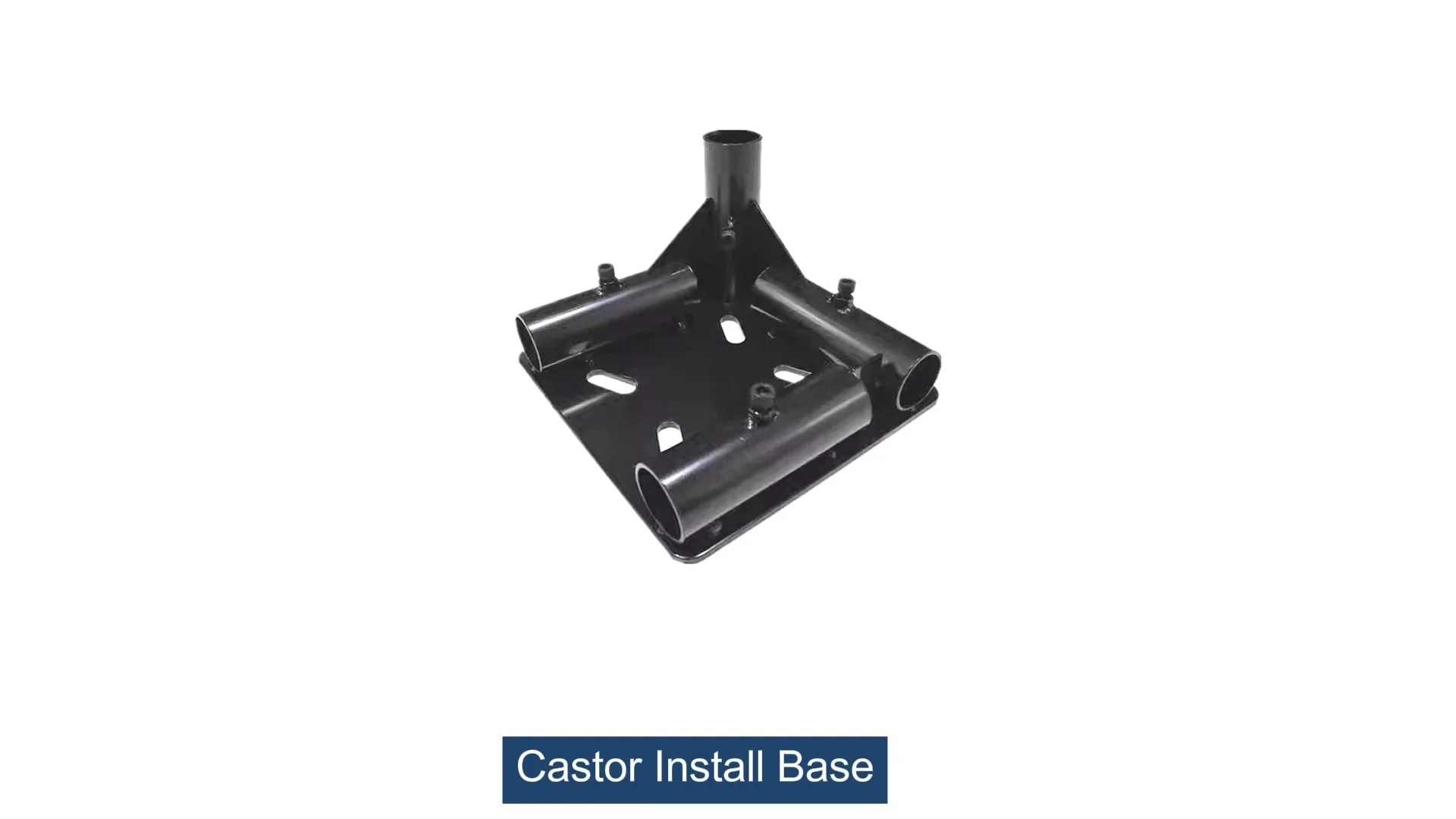
Castor Install Base
Castor install base, used for connection between pipe and castor, it can connect 4 pcs pipe by 1 pcs castor base, to make the structure strong and stable.
Walk through any modern factory, and you'll feel the pulse of productivity: the low rumble of conveyor belts, the precise click of tools on a workbench, and the smooth glide of turnover trolleys ferrying parts from one station to the next. These elements—workbenches, roller tracks, trolleys—are the unsung heroes of manufacturing, keeping materials moving and assembly lines humming. But even the most well-oiled operations can hit a snag. Picture this: a trolley loaded with circuit boards suddenly lurches to a stop. The cause? A seized caster wheel, its install base worn down by months of heavy use. In that moment, the entire line slows. Workers pause, deadlines edge closer, and the frustration mounts. This isn't just a minor hiccup—it's a costly breakdown that could have been avoided. Today, we're diving into how the humble castor install base is getting a high-tech makeover, thanks to smart sensors, and why this small change could redefine predictive maintenance in factories everywhere.
What Even Is a Castor Install Base? (Spoiler: It's More Important Than You Think)
First things first: Let's demystify the castor install base. If you've ever pushed a shopping cart, moved a office chair, or watched a warehouse trolley zip by, you've interacted with one—even if you didn't know it. The castor install base is the sturdy, often metal component that connects the caster wheel to the equipment it's moving. Think of it as the bridge between the wheel and the trolley, workbench, or conveyor system. Without it, the wheel would wobble, tip, or fail entirely.
In factories, these bases are everywhere. They're under the mobile workbenches where assemblers build products, holding up heavy tools and materials without budging. They're on the bottom of turnover trolleys, ensuring that loads of up to 500kg can be pushed with minimal effort. They're even part of roller track systems, where they stabilize the tracks that guide materials from one station to the next. Made from durable materials like aluminum or steel (aluminum is a popular choice for its lightweight strength), these bases are designed to handle constant movement, heavy weights, and the wear and tear of daily factory life. But here's the thing: they're also surprisingly overlooked. For years, factories have treated them as "set-it-and-forget-it" components—install them once, and only replace them when they break. But as any maintenance technician will tell you, that's a risky game.
The Hidden Cost of Waiting for Breakdowns
Let's talk about the elephant in the factory: reactive maintenance. For decades, this has been the norm: wait for a machine to fail, then scramble to fix it. It's like driving a car without checking the oil—eventually, the engine seizes, and you're stuck on the side of the road. For castor install bases, this approach is especially costly. A single failed base can take a trolley out of commission, leaving workers to manually carry heavy parts. If that trolley was part of a lean system—where efficiency and continuous flow are king—suddenly, waste piles up. Lean systems thrive on minimizing interruptions; unplanned downtime is the enemy. When a castor install base fails, it's not just the cost of the replacement part. It's the lost labor hours, the delayed orders, and the domino effect of missed deadlines. Worse, worn or damaged bases can create safety hazards: a wobbly trolley might tip, spilling materials or injuring a worker. In short, reactive maintenance on castor install bases is a lose-lose scenario.
Consider a mid-sized electronics factory. They use dozens of mobile workbenches, each equipped with castor install bases, to assemble smartphones. Each workbench holds tools, circuit boards, and delicate components. If one workbench's castor install base cracks, the bench tilts. A worker reaches for a tool, and the whole setup shifts—components slide off, getting scratched or broken. Now, not only is the workbench out of action, but there's also damaged inventory to account for. The maintenance team rushes to replace the base, but by then, the line has been down for 45 minutes. Multiply that by multiple breakdowns a month, and the numbers get ugly fast. This is the reality of relying on "run it till it breaks" maintenance. But what if we could see the wear and tear coming before it becomes a problem?

Smart Sensors: The Eyes and Ears of Your Castor Install Base
Enter smart sensors—the game-changer in predictive maintenance. These tiny, powerful devices are being embedded directly into castor install bases, turning them from passive components into active data collectors. Here's how it works: imagine a castor install base with a built-in vibration sensor, a temperature monitor, and a load cell. As the trolley moves, the sensor tracks how much the base vibrates (too much vibration could mean a loose wheel or worn bearing). It measures the temperature (overheating might signal friction from a misaligned wheel). And it keeps an eye on the load (consistently exceeding weight limits accelerates wear). All this data is sent wirelessly to a central system, where AI algorithms crunch the numbers. Over time, the system learns what "normal" operation looks like—and flags when something feels off.
Let's break down the tech. Vibration sensors are key: they detect irregular movements that human eyes (or even routine inspections) might miss. A slight wobble in the castor wheel, for example, creates a unique vibration pattern. The sensor picks this up, and the AI goes, "Hmm, this isn't right—this base is starting to wear." Temperature sensors watch for heat spikes, which often precede mechanical failure. If the bearing in the caster starts to seize, friction increases, and the temperature rises. The sensor sends an alert before the wheel locks up. Load sensors, meanwhile, ensure the base isn't being overloaded. If a trolley is regularly packed beyond its weight capacity, the sensor notes this, letting managers know to adjust workflows or upgrade to a sturdier base. It's like giving your castor install base a voice—and it's constantly whispering, "I'm okay today… but keep an eye on me next week."

Predictive Maintenance in Action: From Alerts to Action
So, what happens when the sensor detects a problem? Let's go back to that electronics factory. A trolley used to transport circuit boards has a smart castor install base. For weeks, the vibration sensor has been logging steady, low-level movement. Then, one Tuesday morning, the vibrations spike by 30%. The system flags this anomaly and sends an alert to the maintenance dashboard: "Trolley #5, castor install base A: potential bearing wear. Inspect within 48 hours." The maintenance team checks the trolley, finds the bearing is indeed starting to grind, and replaces it during the next scheduled downtime—no disruption to production. That's the power of predictive maintenance: problems are solved before they become crises.
But it's not just about avoiding breakdowns. Smart castor install bases also provide insights into how equipment is used. Maybe the data shows that trolleys on the west side of the factory have higher vibration levels—turns out, the floor there is slightly uneven. The facility team can fix the floor, reducing wear on all castor install bases in that area. Or perhaps load sensors reveal that certain workbenches are consistently overloaded, prompting a switch to heavier-duty bases. This kind of data-driven decision-making is gold for lean systems. Lean is all about eliminating waste—whether that's wasted time, wasted materials, or wasted effort. By predicting failures and optimizing equipment use, smart castor install bases cut down on all three.

The Benefits: More Than Just "No Breakdowns"
Let's talk numbers—because at the end of the day, factories run on results. Studies show that predictive maintenance can reduce downtime by 30-50% and cut maintenance costs by 10-40%. For a factory with 100 castor-equipped trolleys, that's a massive savings. But the benefits go beyond the balance sheet. Safety is a big one: a failed castor install base can lead to tipping, falls, or collisions. By catching issues early, smart sensors make factory floors safer for everyone. Then there's the boost to morale. Nothing kills team spirit like repeated, avoidable delays. When workers trust that the equipment will hold up, they can focus on their jobs—not worrying about when the next breakdown will happen.
And let's not forget the impact on lean systems. Lean manufacturing is built on the idea of continuous flow—materials moving steadily from one process to the next, with no bottlenecks. A broken castor install base creates a bottleneck, plain and simple. By keeping equipment running smoothly, smart sensors help maintain that flow, making lean systems more effective. It's a win-win: happier workers, lower costs, and a more efficient operation.
| Aspect | Traditional Reactive Maintenance | Predictive Maintenance with Smart Castor Install Bases |
|---|---|---|
| Downtime Risk | High: Breakdowns cause unplanned stops. | Low: Issues fixed during scheduled downtime. |
| Cost Efficiency | Low: High repair costs + lost production. | High: Lower repair costs + minimal disruption. |
| Safety | Risky: Worn bases increase accident chances. | Safer: Issues addressed before they pose hazards. |
| Lean System Alignment | Poor: Disrupts flow and creates waste. | Strong: Supports continuous flow and waste reduction. |
| Data Insights | None: No visibility into equipment health. | Rich: Usage patterns, wear trends, and optimization opportunities. |
The Road Ahead: What's Next for Smart Castor Install Bases?
So, where do we go from here? The future of castor install bases is about more than just sensors—it's about integration. Imagine a factory where every piece of mobile equipment, from workbenches to roller tracks, has smart bases. The data from these bases feeds into a larger smart factory system, working alongside ERP software, MES platforms, and even worker wearables. For example, if the roller track leading to a workbench has a smart castor install base that's showing high vibration, the system could automatically reroute materials to a backup track—no human intervention needed. It's like a self-healing factory floor.
AI will also play a bigger role. Right now, systems can flag anomalies, but soon, they'll predict exactly when a component will fail—down to the hour. "Castor install base on Trolley #12 will need a bearing replacement on October 15th, 3:00 PM," the system might say. Maintenance teams can plan ahead, order parts, and schedule repairs with zero disruption. And as sensors get smaller and more energy-efficient, they'll become even easier to install—no need to rewire entire systems. Some bases might even run on kinetic energy, powered by the movement of the wheels themselves. Sustainability meets efficiency: a match made in factory heaven.
Another trend? Customization. Not all factories are the same—an auto plant has different needs than a pharmaceutical lab. Smart castor install bases will come with adjustable sensors, letting managers prioritize what data matters most. A heavy-duty manufacturing facility might focus on load and temperature sensors, while a precision electronics plant could zero in on vibration and alignment. The goal is to make the tech work for the factory, not the other way around.
Wrapping Up: Small Part, Big Impact
At the end of the day, the castor install base might seem like a small part of the factory puzzle. But as we've seen, it's a critical one. A single failure can disrupt an entire operation, while a smart upgrade can turn a source of frustration into a tool for efficiency. Predictive maintenance isn't just about avoiding breakdowns—it's about creating a factory that's smarter, safer, and more resilient. It's about giving workers the peace of mind that their equipment will keep up with them, and managers the data they need to make better decisions.
So, the next time you see a trolley roll by, take a second look at that castor install base. It might not look like much now, but in a few years, it could be the eyes and ears of the factory, quietly ensuring that the line never stops. And in a world where every second counts, that's not just progress—that's a revolution. The future of manufacturing isn't just about big robots or fancy software. Sometimes, it's about the small, smart changes that keep the wheels turning—literally.