- Company Articles
- Products and Technology
- Technology Sharing
- Future of Corrugated Aluminum Pipe: Innovations in Lean Manufacturing Technology

Future of Corrugated Aluminum Pipe: Innovations in Lean Manufacturing Technology
Related Product
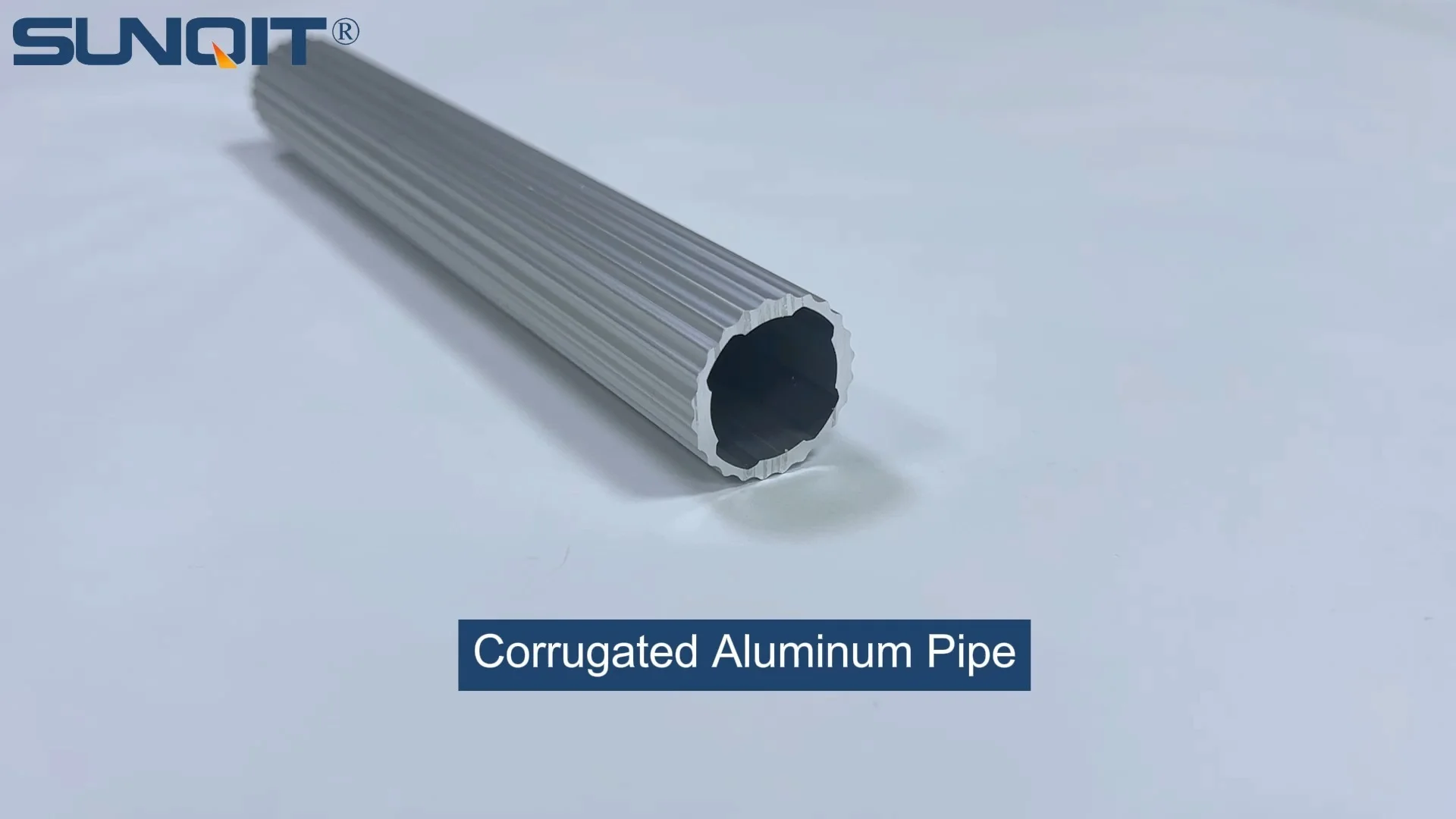
Corrugated Aluminum Pipe
Product Description The slot side is 10mm which can work with a T sliding block for connection accessories Quick Detail Product name Corrugated Aluminum pipe model GLT28-T-3010A Material Science 6005-T6 thickness 1.7mm surface treatment anodic oxidat
In the fast-paced world of manufacturing, where every second and every square foot of space counts, lean manufacturing has become more than just a buzzword—it's a survival strategy. At its core, lean is about eliminating waste, streamlining workflows, and creating systems that adapt as quickly as market demands change. Yet, even the most well-designed lean principles can stumble if the tools and materials supporting them are stuck in the past. Enter corrugated aluminum pipe: a modern solution that's redefining how factories, warehouses, and assembly lines build the flexible, efficient environments lean manufacturing demands. In this article, we'll explore how this unassuming component, paired with advancements in aluminum extrusion profile and support from forward-thinking lean system suppliers, is shaping the future of lean manufacturing.
The Evolution of Lean Manufacturing Tools: From Rigidity to Flexibility
Lean manufacturing's roots stretch back to the Toyota Production System, where the focus was on "just-in-time" production and minimizing waste (or "muda"). Early lean setups relied heavily on steel pipes, wooden workbenches, and fixed conveyor systems—tools that were durable but often (heavy), difficult to reconfigure, and costly to replace. As manufacturing evolved, so did the need for tools that could keep up with shorter product lifecycles and frequent process changes. Plastic pipes emerged as a lighter alternative, but they lacked the structural integrity needed for heavy-duty applications. It wasn't until the rise of aluminum extrusion profile that the industry found a material that balanced strength, flexibility, and adaptability.
Aluminum extrusion profile, created by forcing heated aluminum through a die to create consistent, custom shapes, revolutionized lean tooling. Unlike steel, aluminum is lightweight—typically 1/3 the weight of steel—making it easier to handle and reposition. Unlike plastic, it boasts impressive tensile strength (often 200-300 MPa for common alloys like 6063-T5), ensuring it can support heavy loads without bending or warping. But what truly set aluminum extrusion profile apart was its modularity. With the right aluminum profile accessories—joints, brackets, connectors—manufacturers could build, disassemble, and rebuild workbenches, material racks, and conveyor systems in hours, not days. This shift from "fixed" to "flexible" tooling laid the groundwork for the next innovation: corrugated aluminum pipe.
Corrugated Aluminum Pipe: Design and Material Breakthroughs
Corrugated aluminum pipe isn't just aluminum extrusion profile with a few bends—it's a carefully engineered solution that marries form and function. The corrugated design, characterized by alternating ridges and grooves along the pipe's length, might seem simple, but it delivers three critical benefits for lean manufacturing: enhanced structural strength, improved flexibility, and better grip for material handling.
First, the corrugations act as built-in reinforcements. By adding ridges, the pipe's resistance to bending and torsion increases dramatically without a significant weight gain. This strength-to-weight ratio is a game-changer for lean setups, where every pound saved reduces worker fatigue and energy use. For example, a 1-meter length of 38mm corrugated aluminum pipe weighs just 0.8kg but can support up to 50kg of distributed weight—far more than a smooth aluminum pipe of the same diameter and weight. This allows manufacturers to build sturdier material racks and workbenches without sacrificing mobility.
Second, the corrugated design introduces controlled flexibility. Unlike rigid steel pipes, which crack under stress, or overly flexible plastic pipes, which sag, corrugated aluminum pipe can absorb minor impacts (like a dropped tool or a bump from a trolley) without permanent damage. This durability reduces maintenance costs and extends the lifespan of lean tools, a key factor in lean's focus on long-term cost efficiency.
Third, the ridges on corrugated aluminum pipe improve grip, making it ideal for applications where materials slide or roll. When paired with roller track systems or conveyor belts, the corrugated surface prevents items from slipping, reducing the risk of jams and product damage. This is especially valuable in industries like electronics manufacturing, where delicate components need precise handling.
Behind these design benefits lies the precision of aluminum extrusion profile. The extrusion process ensures that each corrugated pipe has uniform wall thickness, ridge height, and groove spacing—critical for compatibility with aluminum profile accessories. Whether it's a swivel joint, a caster bracket, or a rail connector, the consistency of extruded aluminum means parts from different batches (or even different suppliers) fit together seamlessly. This standardization is essential for lean system suppliers, who need to deliver reliable, interchangeable components to clients worldwide.

Integration with Lean Systems: The Role of the Lean System Supplier
While corrugated aluminum pipe and aluminum extrusion profile are impressive on their own, their true value shines when integrated into a holistic lean system. This is where the lean system supplier steps in—not just as a vendor of parts, but as a partner in workflow optimization. A reputable lean system supplier doesn't just sell corrugated aluminum pipe; they analyze a client's production line, identify bottlenecks, and design custom solutions that leverage the pipe's unique properties.
Consider a hypothetical scenario: a medical device manufacturer struggling with slow material flow between assembly stations. Their existing steel racks are heavy and fixed, making it hard to adjust when production volumes spike or product designs change. A lean system supplier would first assess the workflow, mapping how components move from storage to assembly to quality control. They might recommend replacing the steel racks with material racks built using corrugated aluminum pipe and aluminum profile accessories. The corrugated pipe's lightweight nature allows the racks to be mounted on casters, making them easy to reposition. Its strength ensures the racks can hold heavy component bins without sagging. And because the system is modular, the manufacturer can add or remove shelves as needed, reducing waste from unused space.
Another example is in electronics manufacturing, where electrostatic discharge (ESD) protection is critical. A lean system supplier might design ESD-safe workbenches using corrugated aluminum pipe frames. Aluminum's conductive properties can be harnessed to ground the workbench, preventing static buildup that could damage sensitive microchips. Paired with ESD-safe aluminum profile accessories (like black ESD wheels on casters), the workbench becomes both flexible and compliant with industry standards (e.g., ANSI/ESD S20.20). This level of customization—tailoring materials and accessories to specific industry needs—is what sets top lean system suppliers apart.
| Parameter | Traditional Steel Pipe | Plastic Pipe | Corrugated Aluminum Pipe |
|---|---|---|---|
| Weight (kg/m, 38mm diameter) | 3.2 | 0.6 | 0.8 |
| Max Load Capacity (distributed, kg/m) | 80 | 25 | 50 |
| Reconfigurability | Low (requires welding/cutting) | Medium (limited strength for joints) | High (modular with aluminum profile accessories) |
| ESD Compatibility | Yes (with coating) | Limited (insulative) | Yes (naturally conductive) |
| Total Cost of Ownership (5-year lifespan) | High (heavy shipping, maintenance) | Medium (frequent replacement) | Low (light shipping, durable, reusable) |
Applications Across Industries: Where Corrugated Aluminum Pipe Excels
Corrugated aluminum pipe's versatility makes it suitable for a wide range of industries, each leveraging its unique benefits to solve specific lean challenges. Let's explore a few key sectors:
Automotive Manufacturing
In automotive plants, where assembly lines span hundreds of meters and handle heavy parts (engines, transmissions), material handling efficiency is critical. Corrugated aluminum pipe is often used in turnover trolleys and roller tracks. The pipe's lightweight design allows workers to push trolleys loaded with parts with minimal effort, reducing fatigue and injury risk. Its durability ensures the trolleys can withstand the daily wear and tear of a busy factory. Additionally, aluminum's resistance to corrosion (especially when anodized) makes it ideal for use in environments where oils, coolants, and cleaning agents are present.
Electronics and Semiconductor
Electronics manufacturing demands precision, cleanliness, and ESD protection. Corrugated aluminum pipe shines here as a material for ESD workstations and flow racks. The pipe's conductive properties can be grounded to dissipate static, protecting sensitive components like circuit boards and microchips. When paired with aluminum profile accessories like ESD-safe casters and anti-slip mats, these workstations become both functional and compliant. The modularity of corrugated aluminum pipe also allows manufacturers to quickly reconfigure workstations when switching between product models, a common need in the fast-paced electronics industry.
Logistics and Warehousing
In warehouses, where space is at a premium and order fulfillment speeds are critical, corrugated aluminum pipe is used to build flexible storage systems and conveyor lines. For example, all-direction roller tracks—often constructed with corrugated aluminum pipe and swivel roller balls—allow boxes and packages to glide smoothly in any direction, reducing the need for manual lifting. The pipe's lightweight nature makes these systems easy to install and reposition as inventory needs change. Additionally, corrugated aluminum pipe's compatibility with aluminum guide rails and connectors ensures that conveyor lines can be extended or modified without major overhauls.
Food and Beverage
Food and beverage production requires strict hygiene standards, and corrugated aluminum pipe meets this need with its non-porous surface and easy-to-clean properties. Unlike steel, which can rust if not properly maintained, aluminum is naturally resistant to corrosion from water and cleaning chemicals. This makes it ideal for building workbenches and material racks in environments where frequent sanitization is required. Some lean system suppliers even offer food-grade aluminum profile accessories, such as plastic roller track guide rails (yellow or grey), which are non-toxic and compliant with FDA regulations.
Sustainability and Cost-Effectiveness: The Long-Term Benefits
In today's manufacturing landscape, sustainability is no longer optional—it's a business imperative. Corrugated aluminum pipe aligns with lean principles not just by reducing operational waste, but by minimizing environmental impact. Aluminum is one of the most recyclable materials on the planet, with a recycling rate of over 90% in the U.S. and Europe. Unlike plastic, which degrades during recycling, aluminum can be melted down and reused indefinitely without losing quality. This means that at the end of a corrugated aluminum pipe's lifespan (which can be 10+ years with proper care), it can be recycled into new pipe or other aluminum products, reducing reliance on virgin materials.
The sustainability benefits extend to production as well. Manufacturing aluminum extrusion profile requires significantly less energy than steel production—approximately 5% of the energy needed to produce steel from raw ore. When combined with the pipe's lightweight design, which reduces transportation emissions (fewer trucks needed to ship the same number of parts), corrugated aluminum pipe offers a lower carbon footprint than traditional materials.
From a cost perspective, corrugated aluminum pipe delivers strong returns on investment. While the upfront cost may be higher than plastic, its durability means it rarely needs replacement. Its lightweight nature reduces shipping costs—companies often report 30-40% lower freight expenses compared to steel pipe. And because it's modular, businesses can avoid the cost of purchasing new tooling when processes change. For example, a manufacturer that reconfigures its assembly line twice a year might save thousands by using corrugated aluminum pipe instead of welding new steel racks each time. Over a 5-year period, the total cost of ownership for corrugated aluminum pipe is often 20-30% lower than steel and 15-25% lower than plastic.
Future Trends: Smart Manufacturing and Beyond
As manufacturing moves toward Industry 4.0, corrugated aluminum pipe is poised to evolve alongside smart technologies. One emerging trend is the integration of sensors into the pipe itself. By embedding lightweight, wireless sensors in the corrugated ridges, manufacturers can monitor factors like load weight, vibration, and temperature in real time. For example, a sensor in a material rack could alert operators if the rack is overloaded, preventing accidents. A vibration sensor in a conveyor line could detect misaligned rollers before they cause jams, reducing downtime. These "smart" corrugated pipes would feed data into factory management systems, enabling predictive maintenance and further waste reduction.
Another trend is the use of 3D printing for aluminum profile accessories. While aluminum extrusion profile is ideal for large-scale production, 3D printing allows for on-demand creation of custom joints, brackets, or connectors. This is especially valuable for small-batch manufacturers or those with highly specialized needs. A lean system supplier could, for example, 3D-print a unique bracket for a client's custom workbench in hours, eliminating the need for expensive tooling or long lead times. As 3D printing technology advances (with metal printers becoming more affordable), we'll likely see greater integration between printed accessories and corrugated aluminum pipe.
Finally, there's growing interest in combining corrugated aluminum pipe with other advanced materials, such as carbon fiber composites. By reinforcing the corrugated ridges with carbon fiber, manufacturers could create pipes that are even lighter and stronger, opening up new applications in aerospace or automotive racing, where weight savings are critical. While this technology is still in its early stages, it highlights the adaptability of corrugated aluminum pipe as a platform for innovation.
Conclusion: Corrugated Aluminum Pipe – Building the Lean Factories of Tomorrow
In the world of lean manufacturing, where efficiency, flexibility, and sustainability are paramount, corrugated aluminum pipe stands out as a material that checks all the boxes. Its unique combination of strength, lightweight design, and modularity—powered by aluminum extrusion profile and supported by aluminum profile accessories—makes it an indispensable tool for modern factories. When paired with the expertise of a lean system supplier, it becomes more than just a pipe; it's a building block for workflows that can adapt, grow, and thrive in an ever-changing market.
As we look to the future, corrugated aluminum pipe will continue to evolve, integrating with smart technologies, sustainable practices, and innovative materials. It's a testament to the power of material science and lean thinking—proof that even the simplest components can revolutionize an industry. For manufacturers ready to embrace the next generation of lean tooling, corrugated aluminum pipe isn't just a choice; it's a step toward building factories that are faster, smarter, and more resilient than ever before.