- Company Articles
- Products and Technology
- Technology Sharing
- Future of Flexible Production: Innovations in Two Way Lean Pipe Joint Design

Future of Flexible Production: Innovations in Two Way Lean Pipe Joint Design
Related Product
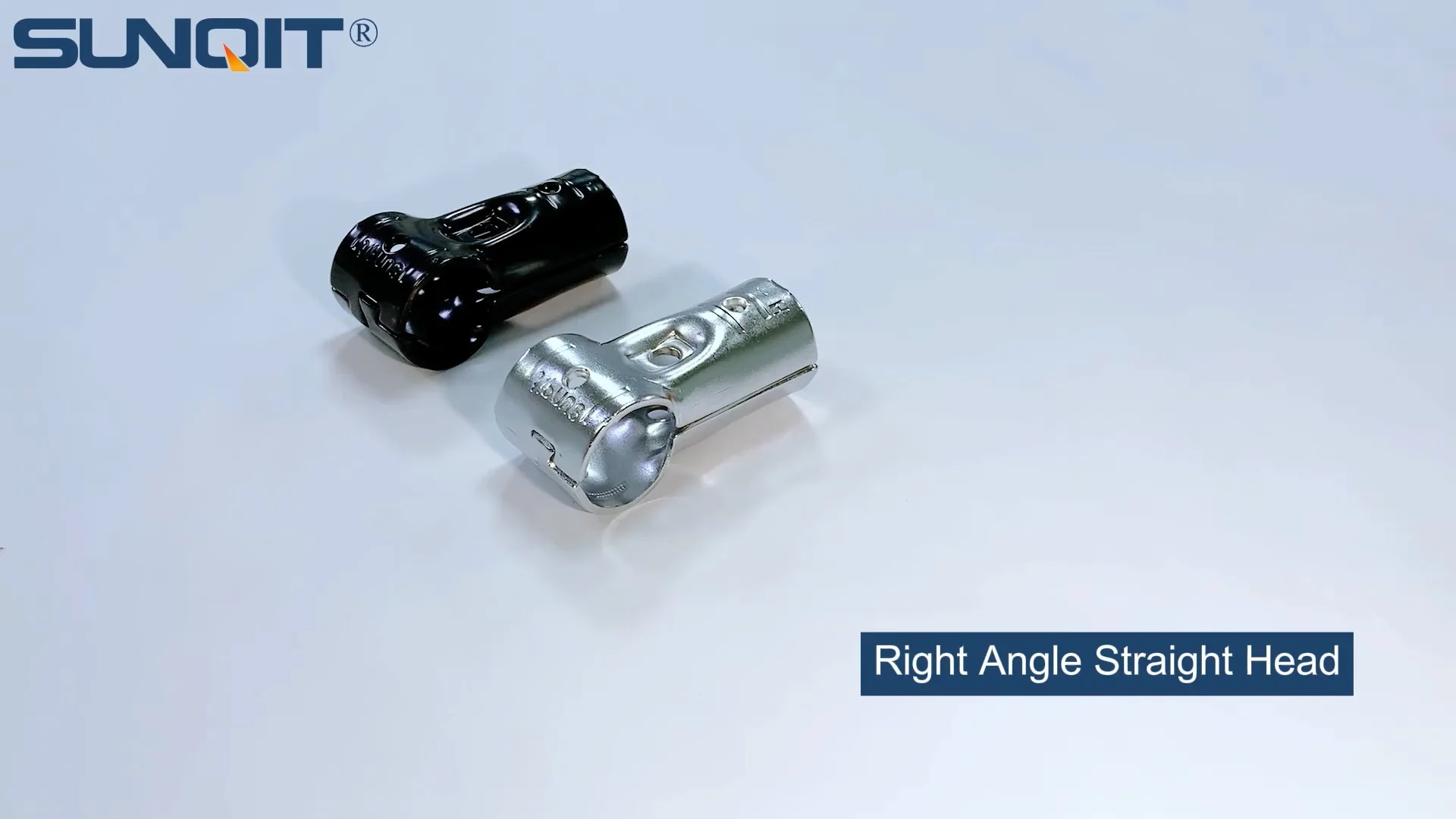
Two Way Lean Pipe Joint
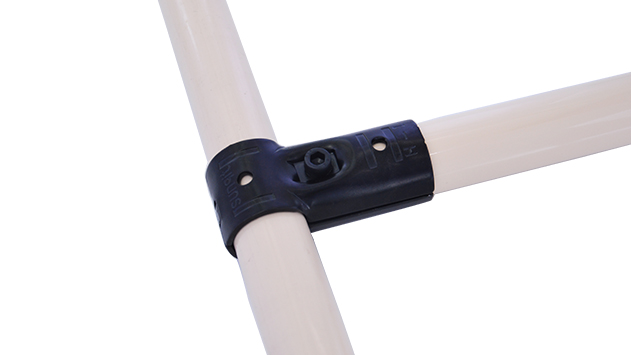
Two way lean pipe joint for 2 pcs 28MM lean pipe connection in straight angle, which used widely in workbench, flow rack, hand trolley frame connection.
The Changing Face of Manufacturing: Why Flexibility Matters More Than Ever
Walk into any modern factory or assembly plant today, and you'll notice a quiet revolution unfolding. Gone are the days of massive, immovable production lines churning out identical products for years on end. Instead, floors are dotted with modular workstations, adaptable material racks, and lines that seem to reconfigure themselves overnight. This shift isn't just about aesthetics—it's a response to an industry under pressure: shorter product lifecycles, rising demand for customization, and the need to pivot quickly in the face of supply chain disruptions or sudden market changes.
Consider a small electronics manufacturer that used to produce a single smartphone model. Today, they might need to switch between smartwatches, tablets, and IoT devices within months—sometimes weeks. A rigid production setup, built around fixed machinery and welded steel structures, simply can't keep up. The cost of retooling, the downtime lost to modifications, and the inefficiency of unused space become crippling. This is where flexible production systems step in, and at the heart of this flexibility lies a humble but critical component: the lean pipe joint.
Lean manufacturing, a philosophy born from the Toyota Production System, has long emphasized eliminating waste and optimizing flow. But in recent years, "lean" has evolved beyond just process improvement—it's now about building systems that adapt as quickly as the challenges they face. And if lean systems are the body of modern manufacturing, lean pipe joints are the joints that let that body move, bend, and grow.
Lean Systems: The Foundation of Modern Flexibility
Before diving into the specifics of pipe joints, it's worth revisiting what makes a lean system so powerful. At its core, a lean system is modular. Instead of relying on custom-built, one-size-fits-all equipment, it uses standardized components that can be mixed, matched, and rearranged to suit changing needs. Think of it like building with Lego blocks: the same basic pieces can create a castle one day and a spaceship the next.
In manufacturing, these "blocks" include pipes, profiles, connectors, and accessories that come together to form workbenches, flow racks, conveyor systems, and material trolleys. The magic is that when a new product line is needed, or a process is redesigned, you don't tear everything down and start from scratch. You simply reconfigure the existing components.
But for this modularity to work, the connectors—the joints that hold everything together—must be reliable, versatile, and easy to adjust. For decades, lean systems relied on basic steel pipe joints: sturdy, but often heavy, prone to rust, and difficult to reposition without tools. A two-way joint, for example, might require wrenches or bolts to tighten, making quick adjustments a hassle. As manufacturers demanded more agility, the limitations of these traditional joints became impossible to ignore.
Innovations in Two Way Lean Pipe Joint Design: From Rigid to Responsive
The two way lean pipe joint might seem simple—a small component that connects two pipes at a fixed angle—but its design has undergone a dramatic transformation in recent years. Today's innovations are all about breaking free from the constraints of the past: tool-free assembly, multi-angle adjustability, compatibility with lightweight materials, and durability that stands up to the rigors of factory life.
Tool-Free Assembly: Saving Time, Reducing Downtime
One of the biggest pain points with traditional joints was the need for tools. Tightening bolts with a wrench or hex key might take only a minute per joint, but when you're reconfiguring a workbench with 20 joints, that time adds up—fast. Modern two way lean pipe joints solve this with quick-lock mechanisms . Imagine a joint that clicks into place with a simple twist or a lever that tightens with hand pressure alone. No tools, no hassle, no delays.
Take, for example, the internal rotary aluminum joint—a type of two way joint designed for aluminum lean pipe systems. Its cam-lock design lets operators connect two pipes in seconds: align the pipes, slide the joint into place, and twist the locking collar until it's secure. Disassembly is just as easy: twist the collar the opposite way, and the joint releases. For a manufacturer reconfiguring a production line, this cuts setup time from hours to minutes.
Multi-Angle Adjustability: Beyond Fixed Angles
Traditional two way joints were often limited to 90-degree angles, forcing designers to work within rigid geometric constraints. What if you needed a 45-degree angle for a sloped flow rack, or a 135-degree bend to navigate around a machine? You'd either need a custom joint or kludge together multiple fixed joints, compromising stability.
Innovative two way joints now feature rotary bases that allow for 360-degree rotation and incremental angle locking. Some models even have built-in protractors, letting operators set angles with precision (30°, 45°, 60°, etc.) and lock them in place. This flexibility is a game-changer for custom workbenches, where the height or tilt of a tabletop might need to accommodate different operators or tasks. A single joint can now adapt to multiple configurations, eliminating the need for specialized parts.
Material Compatibility: Pairing with Aluminum Lean Pipe
Perhaps the most significant innovation in joint design is its compatibility with aluminum lean pipe . For years, lean systems relied on steel pipes—strong, but heavy and prone to corrosion in humid or chemical-rich environments. Aluminum, by contrast, is lightweight (about 1/3 the weight of steel), naturally resistant to rust, and easy to handle. But aluminum pipes have different tolerances and surface finishes than steel, requiring joints that can grip them securely without damaging the material.
Modern two way joints address this with ergonomic gripping surfaces . Instead of sharp metal teeth that might scratch aluminum, they use rubberized or plastic inserts that conform to the pipe's surface, creating a tight seal without marring the material. This not only protects the pipes but also improves grip, ensuring joints stay secure even under heavy loads. A two way joint paired with aluminum lean pipe can support up to 200kg per connection—more than enough for most assembly line tools, components, or finished products.

Aluminum Lean Pipe: The Perfect Partner for Innovative Joints
While joint design has stolen the spotlight, we can't talk about modern lean systems without highlighting aluminum lean pipe itself. This material has revolutionized flexibility, and when paired with advanced two way joints, it creates a system that's greater than the sum of its parts.
Lightweight but Strong: Redefining Portability
Aluminum lean pipe typically has a wall thickness of 1.2mm to 2.0mm, balancing strength and weight. A 1-meter length of 28mm aluminum pipe weighs just 0.5kg, compared to 1.5kg for a steel pipe of the same size. This might not sound like much, but when you're building a workbench with 10 meters of pipe, that's a difference of 10kg—light enough for two operators to move the entire workstation without a forklift.
This portability is a boon for manufacturers with limited floor space. A workbench that was once bolted to the floor can now be wheeled aside when not in use, freeing up space for other tasks. Even fixed structures, like flow racks, are easier to reposition during line reorganizations, reducing the need for heavy machinery or extra labor.
Corrosion Resistance: Durability in Harsh Environments
Steel pipes, even when coated in plastic, can rust if the coating is scratched. In industries like food processing, pharmaceuticals, or electronics manufacturing—where cleanliness and corrosion resistance are critical—this is a major issue. Aluminum lean pipe, with its natural oxide layer, resists rust and corrosion, even when exposed to moisture, chemicals, or frequent cleaning.
This durability extends the lifespan of lean systems. A steel-based workbench might need replacement after 5-7 years due to rust; an aluminum system, with proper care, can last 10-15 years. For manufacturers, this translates to lower long-term costs and less waste from replacing corroded components.

From Workbenches to Flow Racks: Real-World Applications of Innovative Two Way Joints
To understand the impact of these innovations, let's look at how they play out on the factory floor. Take a workbench —a staple of any assembly line. A traditional workbench might be a fixed steel table with welded legs, built to fit a specific product. If the product changes, the workbench becomes obsolete. With aluminum lean pipe and modern two way joints, the story is different.
Imagine a manufacturer of small appliances needs to switch from assembling blenders to toasters. The blender assembly required a workbench with a lower shelf for tools and a flat top. Toasters, however, need a higher shelf for component bins and a sloped surface to slide parts into place. With traditional joints, reconfiguring the workbench would involve unbolting the steel legs, cutting new pipes, and rewelding—a day-long project. With two way aluminum joints, the process is entirely different:
- Loosen the quick-lock joints on the legs to adjust the height from 80cm to 90cm.
- Detach the lower shelf by twisting the joints connecting it to the legs.
- Add a sloped surface using two way joints set at a 15-degree angle, secured with cam locks.
- Attach a new upper shelf using multi-angle joints to hold component bins.
Total time? Less than two hours. No tools, no welding, no downtime. The workbench is now ready for toasters—and can be reconfigured again next month when the next product comes along.
Flow racks tell a similar story. These racks, used to move materials from one workstation to the next, rely on roller tracks and sloped surfaces to ensure smooth product flow. Traditional flow racks with steel pipes and fixed joints are limited to a single slope angle. With aluminum lean pipe and adjustable two way joints, operators can tweak the slope to match the weight of the materials—steeper for lightweight plastic parts, gentler for heavy metal components. This precision reduces jams, speeds up flow, and minimizes product damage.
| Feature | Traditional Steel Two Way Joints | Innovative Aluminum Two Way Joints |
|---|---|---|
| Assembly Time (per joint) | 2-3 minutes (with tools) | 10-15 seconds (tool-free) |
| Adjustability | Fixed angles (90°, 45°) | 360° rotation, incremental angle locking |
| Material Compatibility | Steel pipes only | Aluminum, steel, and composite pipes |
| Corrosion Resistance | Low (prone to rust if coated) | High (aluminum/treated steel components) |
| Weight (per joint) | 150-200g | 80-120g (30-40% lighter) |
| Load Capacity | Up to 150kg per joint | Up to 200kg per joint |
Beyond Flexibility: The Hidden Benefits of Modern Lean Pipe Joints
While flexibility is the headline benefit, innovative two way lean pipe joints and aluminum lean pipe systems offer advantages that go far beyond quick reconfigurations. These benefits are reshaping how manufacturers think about cost, sustainability, and even employee satisfaction.
Cost Savings: Lower Upfront and Long-Term Costs
At first glance, aluminum lean pipe and modern joints might seem more expensive than traditional steel systems. But the math changes when you factor in longevity, reusability, and reduced downtime. A steel workbench might cost $500 upfront, but if it needs to be replaced every 5 years, the total cost over a decade is $1,000. An aluminum system, costing $700 upfront but lasting 15 years, is far more economical in the long run.
Then there's the cost of downtime. A factory that loses 8 hours of production to reconfigure a steel line loses thousands of dollars in revenue. With aluminum joints, that downtime is cut to 1 hour—saving tens of thousands over a year.
Sustainability: Reducing Waste, Embracing Recyclability
Sustainability is no longer a buzzword; it's a business imperative. Aluminum is 100% recyclable, and recycling it uses just 5% of the energy required to produce new aluminum. When a lean system reaches the end of its life, the pipes and joints can be melted down and reused, reducing landfill waste. Steel, while also recyclable, requires more energy to process and is heavier, increasing transportation emissions during recycling.
Additionally, the modularity of these systems means fewer new materials are needed over time. Instead of buying a new workbench, you reuse existing components—cutting down on resource consumption and the carbon footprint of manufacturing new equipment.
Employee Satisfaction: Empowering Teams to Innovate
It's easy to overlook the human element, but flexible systems have a profound impact on the people who use them daily. When operators can adjust their workbench height to reduce back strain, or reconfigure a flow rack to eliminate bending and reaching, they feel valued. Tool-free joints put control in their hands—no need to wait for maintenance to make small adjustments. This autonomy boosts morale, reduces fatigue, and even lowers the risk of workplace injuries.
In one case study, a automotive parts manufacturer reported a 20% reduction in ergonomic complaints after switching to aluminum lean pipe workbenches with adjustable two way joints. Employees weren't just more comfortable—they were more engaged, suggesting process improvements that they could implement themselves using the flexible system.
The Future of Lean Pipe Joints: What's Next?
As manufacturing continues to evolve, so too will the design of lean pipe joints. Here are three trends shaping the next generation of these critical components:
Smart Joints: Sensors and IoT Integration
Imagine a two way joint with a built-in sensor that monitors tension, vibration, or temperature. If a joint starts to loosen, it sends an alert to the maintenance team before it fails. If a workbench is overloaded, the sensor triggers a warning light. This predictive maintenance could prevent costly breakdowns and extend the life of lean systems even further.
3D-Printed Custom Joints
3D printing is already transforming manufacturing, and it's set to revolutionize joint design. For niche applications—like a joint that connects a pipe to an irregularly shaped machine—manufacturers could 3D-print custom joints on demand. This would eliminate the need for large inventories of specialized parts and allow for hyper-specific designs tailored to unique workflows.
Biodegradable and Plant-Based Materials
While aluminum will remain a staple, researchers are exploring bioplastics and plant-based composites for non-load-bearing joints. These materials could reduce reliance on metals for lightweight applications, further lowering environmental impact without sacrificing performance.
Conclusion: Joints That Build the Future of Manufacturing
The two way lean pipe joint may be small, but its impact is enormous. It's the unsung hero of flexible production, turning rigid lines into adaptable ecosystems that can keep pace with the demands of modern manufacturing. When paired with aluminum lean pipe, these joints don't just connect pipes—they connect manufacturers to new possibilities: faster time-to-market, lower costs, happier employees, and a greener planet.
As we look ahead, the future of manufacturing isn't about bigger machines or faster robots. It's about systems that can learn and adapt —systems built on components that are as innovative as the products they help create. And at the heart of that system? A joint that clicks, twists, and adjusts—ready for whatever comes next.