- Company Articles
- Products and Technology
- Technology Sharing
- Future of Lean Production: 1.2mm Stainless Steel Pipe Innovations in Material Science

Future of Lean Production: 1.2mm Stainless Steel Pipe Innovations in Material Science
Related Product
1.2mm Stainless Steel Pipe
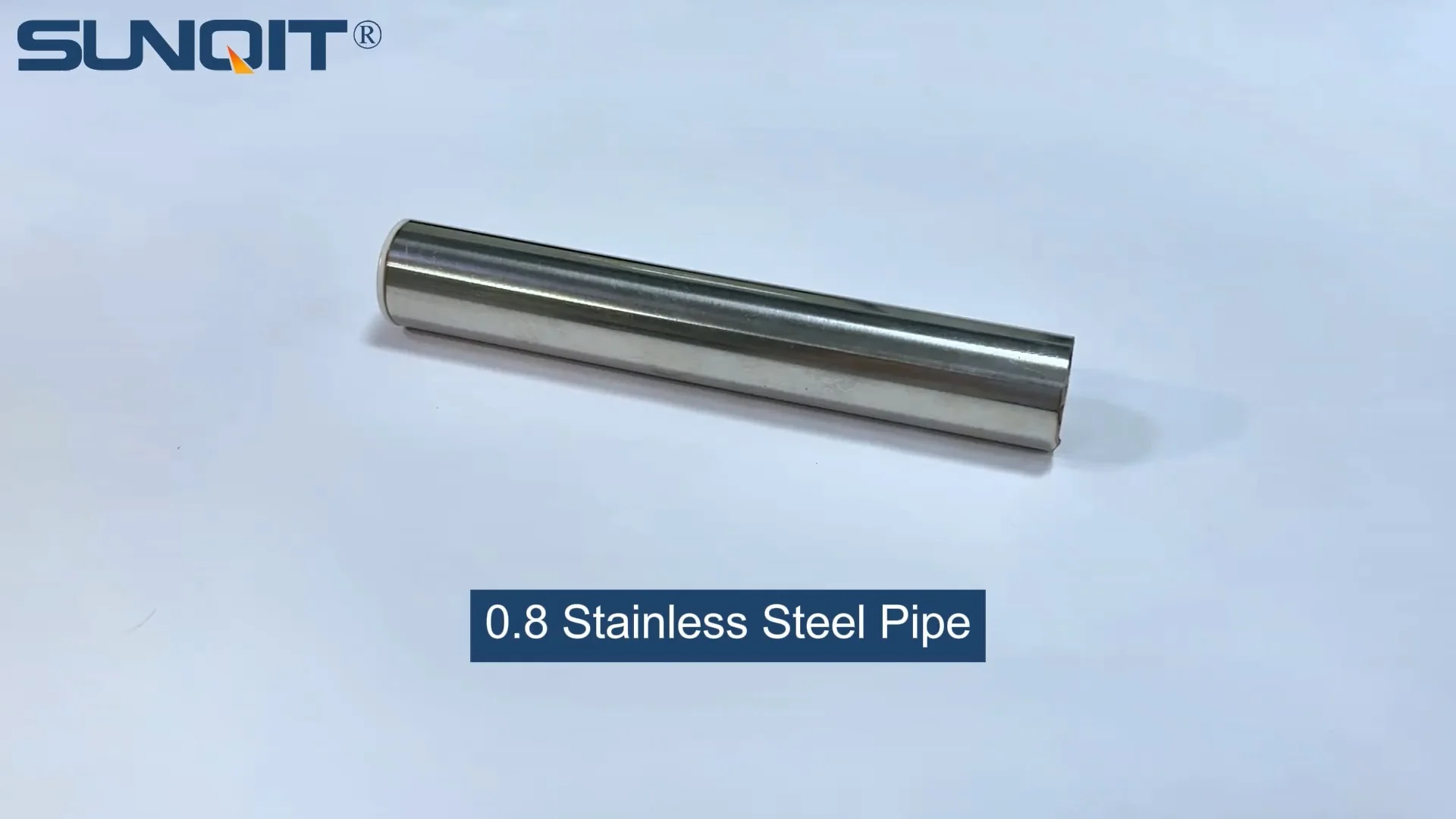
Stainless steel pipe, lean pipe, diameter is 28mm, material is SS201 or SS304, SS201 is normally used in the market. It knows a KARAKURI, KAIZEN material for industrial plant to improve efficiency, save labor cost, standard management.
The Pulse of Modern Manufacturing: Why Lean Production Matters More Than Ever
Walk into any high-performing factory today, and you'll feel it—the quiet hum of efficiency. Conveyor belts glide without wasted motion, workstations are arranged so tools seem to "fall into" workers' hands, and inventory piles are nowhere to be seen. This isn't magic; it's lean production in action. For decades, lean has been the backbone of manufacturing, a philosophy built on stripping away waste to make processes smoother, faster, and more cost-effective. But here's the thing: lean isn't static. As factories evolve, so too must the tools that power them. And lately, one material has been turning heads in the industry: the 1.2mm stainless steel pipe. It's not just a smaller version of old steel pipes; it's a material science breakthrough that's quietly redefining what lean production can achieve.
Think about the last time you upgraded a tool—maybe a smartphone or a kitchen gadget. The difference wasn't just in features; it was in the materials. Lighter, stronger, more durable materials made those tools feel like extensions of your own hands, not clunky obstacles. That's exactly what 1.2mm stainless steel pipe is doing for manufacturing. It's taking the core principles of lean—eliminate waste, optimize flow, empower workers—and giving them a material foundation that can keep up with the demands of 21st-century production. In this article, we'll dive into how this unassuming pipe is changing the game, from the factory floor to the bottom line, and why it might just be the key to the future of lean.
Lean Production 101: The Old Rules and the New Challenges
Before we get to the shiny new pipe, let's take a step back. What is lean production, really? At its heart, it's about respect—for your workers, your resources, and your customers. Developed by Toyota in the mid-20th century, the Toyota Production System (TPS) laid the groundwork: "Just-In-Time" inventory to avoid overstock, "Jidoka" (automation with a human touch) to stop defects in their tracks, and "Kaizen" (continuous improvement) to keep evolving. Over time, these ideas spread globally, becoming the gold standard for efficiency. But as factories started producing more complex goods—think electric vehicle components or precision medical devices—the tools they relied on began to show their limits.
Traditional materials like thick steel pipes or heavy aluminum profiles were workhorses, but they came with trade-offs. A 2mm steel pipe might be strong, but it's also heavy, making workbenches and trolleys cumbersome to move. Corrosion was another issue; in humid or chemical-heavy environments, those pipes would rust, leading to frequent replacements and downtime. And let's not forget flexibility—lean thrives on adaptability, but welding or bolting thick steel into place meant reconfiguring a workstation took hours (or days), not minutes. These weren't just minor annoyances; they were barriers to true lean efficiency. Factories were stuck choosing between strength and agility, durability and cost-effectiveness. That's where 1.2mm stainless steel pipe enters the picture: it's designed to break that trade-off cycle.

Material Science Meets Lean: The Rise of 1.2mm Stainless Steel Pipe
Let's talk numbers first: 1.2mm. Why that thickness? It's a sweet spot, really. Thinner than the 1.5mm or 2mm pipes of the past, but not so thin that it sacrifices strength. Stainless steel itself is nothing new, of course—we've used it in everything from kitchen sinks to skyscrapers for its corrosion resistance. But combine that with a precise 1.2mm gauge, and something special happens. This pipe is lightweight enough to make workbenches easy to reposition, yet strong enough to support heavy machinery. It resists rust and chemicals, so it lasts longer in tough environments. And because it's stainless steel, it's compatible with the modular joints and connectors that modern factories rely on—no welding required. Suddenly, the "lean" in lean production isn't just about process; it's about the materials themselves.
But how did we get here? It starts with metallurgy. Engineers didn't just "shave down" old steel pipes; they reimagined the alloy. Modern 1.2mm stainless steel pipes often use a blend of chromium, nickel, and molybdenum that enhances both strength and flexibility. Then there's the manufacturing process: cold drawing, a technique where the steel is pulled through dies at room temperature, aligns the metal's grains, making it stronger and more uniform. Annealing—heating and cooling the pipe—reduces brittleness, so the pipe can bend slightly under stress without cracking. The result? A pipe that feels almost "intelligent" in how it performs: rigid when it needs to be, adaptable when you need to reconfigure, and tough enough to handle the daily grind of a busy factory.

From Lab to Factory Floor: Real-World Applications of 1.2mm Stainless Steel Pipe
Enough theory—let's talk about how this pipe actually works in the real world. Take workbenches, for example. A typical factory workbench needs to hold tools, parts, and sometimes even small machinery. With traditional thick steel pipes, building a sturdy workbench meant it was heavy—so heavy that moving it to a new line or reconfiguring its layout required a forklift or a team of workers. That's a waste of time and labor, two things lean production abhors. Now, imagine a workbench built with 1.2mm stainless steel pipes. The frame is 30% lighter, so two workers can reposition it in minutes, not hours. The stainless steel resists spills from oils or cleaning agents, so the bench stays looking new for years, reducing replacement costs. And because it pairs seamlessly with lean pipe joints—those clever connectors that let you snap pipes together without tools—the bench can be customized on the fly. Need an extra shelf? Add it in 10 minutes. Switching from assembling phones to tablets? Adjust the height with a few twists. That's lean in action, powered by material innovation.
Then there's roller track, the unsung hero of material flow. Roller tracks are what move parts from one workstation to the next—think of the smooth, gravity-fed tracks that carry boxes in a warehouse or components on an assembly line. Traditional roller tracks often used thick steel rails that were prone to rust, making the rollers stick and jamming the flow. With 1.2mm stainless steel pipe as the track frame, that problem disappears. The stainless steel resists corrosion, so rollers glide smoothly even in humid environments. The lighter weight of the pipe also means the track can be mounted on walls or overhead without heavy support structures, freeing up floor space—a huge win for lean, where every square foot counts. And because the pipe is so easy to cut and connect, factories can design custom roller tracks that follow the "flow" of production, eliminating unnecessary steps. A worker no longer has to walk 10 feet to grab a part; the part comes to them, on a roller track built with 1.2mm stainless steel pipe.
Another area where this pipe shines is in lean pipe joints. These small connectors are the glue that holds lean systems together, letting you build everything from trolleys to material racks. With thicker steel pipes, joints had to be bulky to support the weight, adding unnecessary size to structures. 1.2mm stainless steel pipe, being lighter, allows for sleeker, more efficient joints. These joints are often made of durable plastics or aluminum, designed to snap onto the pipe and lock into place with a simple twist. No bolts, no welding, no hassle. A factory in Michigan that switched to 1.2mm pipes and compatible lean pipe joints reported cutting setup time for new production lines by 40%—time that used to be spent drilling holes and welding is now spent training workers or optimizing processes. That's the kind of waste reduction lean dreams of.
How Does It Compare? A Look at the Numbers
Still not convinced? Let's put 1.2mm stainless steel pipe head-to-head with traditional materials. The table below compares key metrics for common factory materials, showing why this pipe is quickly becoming the go-to choice for lean systems:
| Material | Thickness | Weight (per meter) | Corrosion Resistance | Flexibility (Reconfigurability) | Typical Lifespan (Factory Use) |
|---|---|---|---|---|---|
| Traditional Steel Pipe | 2.0mm | 4.8 kg | Low (prone to rust) | Low (requires welding/bolting) | 3-5 years |
| Aluminum Pipe | 1.5mm | 2.1 kg | Medium (resists rust, but dents easily) | Medium (light but less durable joints) | 5-7 years |
| 1.2mm Stainless Steel Pipe | 1.2mm | 3.2 kg | High (resists rust, chemicals, and humidity) | High (works with modular lean pipe joints) | 10-15 years |
The data speaks for itself. 1.2mm stainless steel pipe hits the sweet spot: lighter than traditional steel, more corrosion-resistant than aluminum, and far more adaptable than either. Its longer lifespan means fewer replacements, reducing waste and downtime. And when you factor in the time saved on reconfiguring workstations or repairing rusted parts, the cost savings add up quickly. One automotive supplier in Ohio calculated that switching to 1.2mm stainless steel pipes for their assembly line workbenches saved them $75,000 in the first year alone—from reduced labor costs, fewer replacements, and faster line changes.
The Manufacturing Process: How 1.2mm Stainless Steel Pipe Is Made
Behind every great material is a great manufacturing process, and 1.2mm stainless steel pipe is no exception. It starts with raw materials: high-grade stainless steel billets, carefully selected for their purity and alloy composition. These billets are heated to extreme temperatures (around 1200°C) until they're malleable, then pierced to form a hollow tube—a process called "piercing and rolling." From there, the tube is drawn through a series of dies in a cold-drawing machine, which reduces its diameter and thickness to the precise 1.2mm gauge. This cold-drawing step is crucial: it strengthens the steel by aligning its internal structure, making the pipe more resistant to bending and breaking.
After drawing, the pipe undergoes annealing—a controlled heating and cooling process that relieves internal stresses, preventing brittleness. Then comes surface treatment: the pipe is polished to remove any imperfections, and in some cases, coated with a thin layer of protective film to enhance corrosion resistance. Finally, quality control: each batch of pipes is tested for strength, thickness uniformity, and corrosion resistance. Samples are bent, pulled, and exposed to harsh chemicals to ensure they meet the strict standards required for factory use. It's a meticulous process, but that's what makes 1.2mm stainless steel pipe so reliable. When you buy this pipe, you're not just buying metal—you're buying decades of material science expertise and quality assurance.
Sustainability: Lean for the Planet, Too
Lean production has always been about reducing waste, but these days, that waste includes environmental impact. Factories are under pressure to cut carbon footprints, and 1.2mm stainless steel pipe delivers here, too. First, stainless steel is 100% recyclable. When a pipe finally reaches the end of its lifespan (which, as we saw earlier, is 10-15 years), it can be melted down and reused, with no loss in quality. That's a stark contrast to materials like plastic-coated pipes, which often end up in landfills.
Then there's energy efficiency. Because 1.2mm pipes are lighter, transporting them uses less fuel than heavier traditional steel pipes. In production, cold-drawing uses less energy than hot-rolling thick steel, and the longer lifespan means fewer pipes need to be manufactured over time—reducing overall energy consumption. Even the reduced weight of workbenches and trolleys made with 1.2mm pipe plays a role: lighter equipment requires less energy to move, whether by forklift or human power. It's a small detail, but multiplied across a factory floor, it adds up to significant energy savings. For factories aiming to be both lean and green, 1.2mm stainless steel pipe is a win-win.
The Future of Lean: What's Next for 1.2mm Stainless Steel Pipe?
So, where does this pipe go from here? The future looks bright, and it's not just about making the pipe even thinner (though material scientists are already experimenting with 1.0mm stainless steel for ultra-light applications). One exciting trend is smart integration. Imagine a 1.2mm stainless steel pipe embedded with tiny sensors that monitor temperature, vibration, or even strain. These sensors could alert maintenance teams to potential issues before they become breakdowns—predictive maintenance, powered by the pipe itself. It's lean meets Industry 4.0, and it's closer than you think.
Another area is customization. As factories produce more specialized goods, they need tools that can adapt to unique shapes and sizes. 1.2mm stainless steel pipe, with its flexibility and modular joints, is perfect for this. We're already seeing suppliers offer pre-cut pipes and custom joint configurations, letting factories build one-of-a-kind workstations or roller tracks without the hassle of in-house fabrication. And as 3D printing technology advances, we might even see 1.2mm stainless steel pipes paired with 3D-printed connectors, opening up a world of design possibilities.
Perhaps most importantly, this pipe is making lean production accessible to smaller factories. In the past, lean systems were often seen as a luxury for large corporations with big budgets. But 1.2mm stainless steel pipe is affordable, easy to install, and requires minimal training to use. A small electronics manufacturer in Vietnam, for example, recently built a complete assembly line using 1.2mm pipes and lean pipe joints for under $10,000—half the cost of a traditional steel setup. That's democratizing lean, putting efficiency within reach for factories of all sizes.
Conclusion: The Pipe That's Powering the Next Lean Revolution
At the end of the day, lean production is about people. It's about giving workers the tools they need to do their jobs better, faster, and safer. The 1.2mm stainless steel pipe might seem like a small detail, but it's a detail that makes a big difference. It's lighter, so workers don't strain their backs moving workbenches. It's durable, so they don't waste time fixing rusted parts. It's adaptable, so they can focus on improving processes instead of wrestling with rigid equipment. In short, it's a material that respects the people who use it—a core value of lean that's often overlooked.
As we look to the future of manufacturing, one thing is clear: the factories that thrive will be those that embrace both process innovation and material innovation. The 1.2mm stainless steel pipe is proof that sometimes, the most powerful advancements aren't in flashy new machines, but in the humble materials that hold those machines together. So the next time you walk through a factory and notice how smoothly everything flows, take a closer look at the pipes and joints. Chances are, you'll see 1.2mm stainless steel hard at work—quietly, reliably, and leanly—building the future of production, one pipe at a time.