- Company Articles
- Products and Technology
- Product knowledge
- Future Trends in 2020 Aluminum Profile End Cap Design & Technology

Future Trends in 2020 Aluminum Profile End Cap Design & Technology
Related Product
2020 Aluminum Profile End Cap
The aluminum profile end cap adds a finishing touch to your project and closes off profile ends to limit dust and debris buildup, also it can avaid some scratch for material and labor during the assemble work.
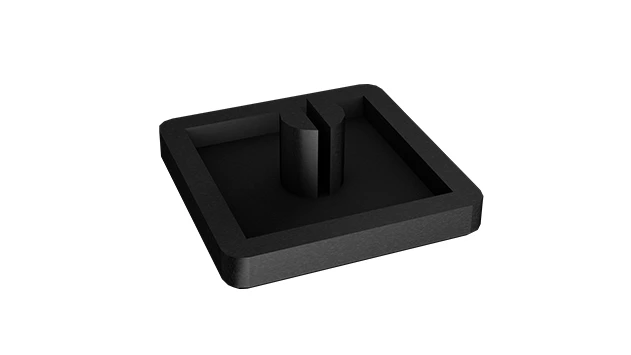
Introduction: The Unsung Heroes of Aluminum Extrusion Profiles
In the world of manufacturing and industrial design, attention often gravitates toward the "big players"—the structural beams, the high-tech machinery, the flashy finished products. But if there's one lesson seasoned engineers and designers learn over time, it's this: the smallest components often hold the biggest impact. Enter the 2020 aluminum profile end cap—a seemingly humble accessory that, when done right, transforms ordinary aluminum extrusion profiles into polished, functional, and durable systems.
Aluminum extrusion profiles have become the backbone of modern production lines, office furniture, automotive assemblies, and even architectural structures. Their versatility—lightweight yet strong, customizable yet cost-effective—makes them indispensable. But without the right finishing touches, these profiles can feel incomplete: rough edges catch on gloves, exposed ends collect dust, and mismatched components undermine the system's integrity. That's where the 2020 aluminum profile end cap steps in. Designed specifically for 20x20mm aluminum profiles (a common size in modular systems), these end caps do more than just "cap" the profile—they protect, seal, and elevate the entire assembly.
As industries evolve—demanding smarter, more sustainable, and user-centric solutions—the design and technology behind these small but critical accessories are undergoing a quiet revolution. In this article, we'll explore the future trends shaping 2020 aluminum profile end caps, from material innovations to precision engineering, and why they matter for manufacturers, workers, and end-users alike.
The Evolution of Aluminum Profile End Caps: From Afterthought to Essential
To appreciate where 2020 aluminum profile end caps are heading, it helps to look back at where they've been. A decade ago, end caps were often treated as an afterthought—generic, one-size-fits-all plastic pieces that came in a handful of colors (usually white or black) and were designed with little consideration for anything beyond basic coverage. They cracked easily under impact, slipped off profiles due to poor fit, and offered zero customization. For many manufacturers, they were a "necessary evil"—something to check off a list rather than optimize.
But as aluminum extrusion profiles found their way into more sophisticated applications—think medical device workstations, cleanrooms, and consumer-facing furniture—the limitations of traditional end caps became impossible to ignore. In a hospital setting, for example, a loose end cap could harbor bacteria in hard-to-reach crevices. In a retail display, a chipped plastic cap would detract from the product's premium feel. And in a factory, a sharp, unprotected profile end could lead to workplace injuries.
The turning point came with the rise of modular manufacturing. As companies began building custom systems using standardized aluminum profiles, they demanded accessories that could keep up—end caps that fit perfectly, matched brand aesthetics, and stood up to daily wear and tear. This shift turned end caps from a accessory into a key component of aluminum profile systems, setting the stage for the innovations we see today.

Key Design Trends Shaping 2020 Aluminum Profile End Caps
Today's 2020 aluminum profile end caps are a far cry from their predecessors. Designers and engineers are reimagining them through the lens of user experience, sustainability, and functionality, leading to four major trends that are defining the future of these small but mighty components.
1. Material Innovation: Beyond Basic Plastic
The most noticeable shift in 2020 end cap design is the move away from cheap, brittle plastics toward higher-performance materials. Traditional polyvinyl chloride (PVC) is being replaced by thermoplastic elastomers (TPE), polyethylene terephthalate (PET), and even recycled composites—each chosen for specific properties that address real-world challenges.
TPE, for example, offers a soft, rubber-like texture that improves grip and reduces noise when end caps are installed or removed. In high-traffic areas like schools or airports, where aluminum profile furniture is constantly bumped or moved, TPE end caps absorb impact better than rigid plastics, extending the life of both the cap and the profile. PET, on the other hand, is prized for its chemical resistance—ideal for labs or industrial settings where exposure to solvents or cleaning agents is common.
Perhaps most importantly, sustainability is driving material choices. Many manufacturers now offer end caps made from post-consumer recycled (PCR) plastics, reducing reliance on virgin materials and lowering carbon footprints. Some are even experimenting with bioplastics derived from plant-based sources, though these are still in early stages due to cost and durability constraints. For companies aiming for LEED certification or circular economy goals, these eco-friendly end caps aren't just a trend—they're a requirement.
2. Ergonomic & Aesthetic Design: Form Meets Function
Modern end caps aren't just about protection—they're about user experience. Designers are now prioritizing ergonomics, ensuring that end caps feel as good as they look. One common feature is rounded edges: instead of sharp 90-degree corners, today's 2020 end caps have smooth, curved profiles that prevent snags on clothing or skin. This might seem like a minor detail, but in settings where workers interact with aluminum profile systems daily—like assembly lines or warehouses—it reduces fatigue and injury risk.
Aesthetics are also playing a bigger role. Brands want their aluminum systems to reflect their identity, and end caps are a subtle but effective way to do that. Manufacturers now offer end caps in a wide range of colors, from bold primaries to custom Pantone matches, allowing companies to align their workstations or displays with brand palettes. Some even offer textured finishes—matte, gloss, or soft-touch—adding a tactile element that enhances perceived quality.
In consumer products, this trend is taken a step further. For example, a high-end home office furniture line might use metallic-finish end caps to complement aluminum profiles, creating a cohesive, premium look. Even in industrial settings, where aesthetics were once an afterthought, companies are recognizing that a well-designed workspace boosts employee morale—and end caps are part of that equation.
3. Customization & Modularity: One Size No Longer Fits All
The days of "one size fits all" end caps are long gone. Today's manufacturers need flexibility, and 2020 aluminum profile end caps are delivering. Modular design is at the forefront here, with end caps that can be adapted for different uses. For instance, some end caps come with built-in cable management ports, allowing wires to pass through the profile without compromising the cap's fit. Others have removable inserts, making it easy to swap out colors or add branding (like a company logo) without replacing the entire cap.
Customization isn't just about looks, though—it's about functionality. A 2020 aluminum profile used in a wet environment (like a food processing plant) might require a watertight end cap with a rubber seal, while the same profile in a dry workshop could use a basic cap with ventilation slots to prevent heat buildup. Manufacturers are now offering specialized end caps for specific industries, ensuring that each application gets exactly what it needs.
This shift toward customization has been made possible by advances in manufacturing technology, which we'll explore in the next section. With digital design tools and on-demand production, even small batches of custom end caps are becoming cost-effective, opening up new possibilities for innovation.
4. Sustainability Integration: Designing for the Planet
Sustainability is no longer a buzzword—it's a core design principle, and 2020 aluminum profile end caps are no exception. Beyond using recycled materials, manufacturers are rethinking the entire lifecycle of end caps, from production to disposal.
One key trend is monomaterial construction. Traditional end caps often combined multiple materials (like plastic and metal clips), making them hard to recycle. Modern designs use a single material, allowing end caps to be easily sorted and processed at the end of their life. Some companies are even designing end caps to be disassembled, so components like aluminum profile rubber strips (used for sealing) can be replaced without discarding the entire cap.
Production processes are also getting greener. Injection molding, the most common method for making end caps, is being optimized to reduce waste—using precision tooling to minimize excess plastic and energy-efficient machines to lower carbon footprints. Some manufacturers are even using renewable energy to power their production lines, further reducing the environmental impact of end caps. For companies looking to reduce their Scope 3 emissions, choosing sustainable end caps is a small but meaningful step.

Technological Advancements Driving the Next Generation of End Caps
Design trends are only part of the story—technological innovations are the engine powering the evolution of 2020 aluminum profile end caps. From precision manufacturing to smart material science, these advancements are making end caps more reliable, versatile, and integrated than ever before.
1. Precision Manufacturing: The Perfect Fit
The most critical function of an end cap is to fit snugly on the aluminum profile—and modern manufacturing techniques are taking fit precision to new heights. Computer numerical control (CNC) machining and 3D scanning have replaced manual measurements, ensuring that end caps match the exact dimensions of 2020 profiles, even accounting for slight variations in extrusion tolerances.
Injection molding has also seen major improvements. Advanced tooling with micro-level precision creates end caps with consistent wall thickness, reducing weak points and ensuring a tight grip on the profile. Some manufacturers are even using in-mold labeling, a process that embeds graphics or text directly into the cap during molding, eliminating the need for secondary printing (which can wear off over time).
The result? End caps that stay in place, even in high-vibration environments like manufacturing plants, and that can be removed and reinstalled repeatedly without losing their fit—a boon for companies that frequently reconfigure their aluminum systems.
2. Smart Material Integration: End Caps That Do More
Materials science is enabling end caps to go beyond passive protection and take on active roles. One exciting development is the integration of conductive additives in end caps used in electronics manufacturing. In ESD (electrostatic discharge) workstations, for example, these conductive end caps help dissipate static electricity, protecting sensitive components from damage—a feature that was once reserved for specialized, expensive equipment.
Another innovation is self-healing plastics. While still in early stages, some prototypes use materials that can repair small scratches when exposed to heat or UV light, extending the end cap's lifespan. For high-wear applications, this could drastically reduce replacement costs over time.
Even something as simple as color is getting a tech upgrade. Photochromic end caps, which change color in response to light, are being tested in retail settings to draw attention to products. Thermochromic materials, which shift hue with temperature, could alert workers to overheating equipment in industrial environments. While these applications are niche today, they hint at a future where end caps are more than just covers—they're intelligent components.
3. Compatibility Engineering: Working Seamlessly with Other Accessories
Aluminum profile systems are only as strong as their weakest link, and end caps must now work in harmony with a host of other accessories—from aluminum profile rubber strips to brackets and connectors. To ensure compatibility, manufacturers are using digital modeling tools like CAD and BIM (Building Information Modeling) to design end caps that integrate seamlessly with other components.
For example, a 2020 end cap designed for a workstation might include a recessed channel that perfectly fits an aluminum profile rubber strip, creating a watertight seal between the cap and the profile. Another end cap might have a notch that allows a cable management clip to attach flush, eliminating gaps where dust could accumulate. These small design details ensure that the entire system works together, reducing installation time and improving overall performance.
This focus on compatibility is also making it easier for companies to mix and match accessories from different suppliers, giving them more flexibility to build custom systems without being locked into a single brand.
Applications Across Industries: How 2020 End Caps Are Making an Impact
The innovations in 2020 aluminum profile end cap design and technology are resonating across a wide range of industries, each with unique needs that these small components are helping to meet.
Automotive Manufacturing
In automotive plants, aluminum extrusion profiles are used to build assembly line workstations, tool racks, and material handling systems. Here, end caps must withstand heavy use, oil and chemical exposure, and constant vibration. Modern 2020 end caps, made from chemical-resistant TPE, hold up to these harsh conditions, while precision fit ensures they don't loosen over time—reducing maintenance costs and downtime.
Electronics & Semiconductor
Cleanrooms and ESD workstations in electronics manufacturing demand end caps that are non-outgassing (to prevent contamination) and static-dissipative. Conductive 2020 end caps meet these requirements, protecting sensitive microchips and circuit boards during production. Additionally, smooth, easy-to-clean surfaces make disinfection faster, supporting strict hygiene protocols.
Healthcare
Hospitals and medical labs use aluminum profiles for equipment carts, workbenches, and storage systems. Here, end caps must be antimicrobial (to prevent the spread of germs), durable (to withstand frequent cleaning with harsh disinfectants), and ergonomic (to reduce injury risk for staff). Modern end caps check all these boxes, with some even featuring rounded edges to prevent pressure points when carts are pushed against walls or other equipment.
Retail & Consumer Goods
In retail, aluminum profiles are used for product displays, shelving, and pop-up stores. Aesthetically pleasing 2020 end caps—with custom colors, metallic finishes, or branded logos—help these displays stand out, enhancing the shopping experience and reinforcing brand identity. Lightweight yet durable, they also make displays easy to transport and set up, a key advantage for temporary events.
Traditional vs. Modern 2020 Aluminum Profile End Caps: A Comparative Analysis
To better understand the impact of these trends, let's compare traditional end caps with the modern 2020 aluminum profile end caps reshaping the industry:
| Feature | Traditional End Caps | Modern 2020 Aluminum Profile End Caps |
|---|---|---|
| Material | Basic PVC or low-grade plastic | TPE, recycled plastics, conductive composites, or bioplastics |
| Fit Precision | Loose or tight; inconsistent due to manual manufacturing | Snug, consistent fit via CNC machining and precision molding |
| Customization | Limited colors (white, black); no branding options | Custom colors, textures, logos, and industry-specific features (e.g., ESD protection) |
| Sustainability | Non-recyclable; multiple materials; high waste in production | Recycled materials, monomaterial design, low-waste manufacturing |
| Durability | Prone to cracking, chipping, and slipping | Impact-resistant, chemical-resistant, and long-lasting |
| Ergonomics | Sharp edges; rough surfaces | Rounded edges; soft-touch or textured finishes |
The table above highlights a clear shift: modern end caps are no longer just functional—they're strategic components that add value to aluminum extrusion profile systems. For manufacturers, this means better performance, lower costs, and happier customers. For end-users, it means safer, more attractive, and more reliable products.
Future Outlook: What's Next for 2020 Aluminum Profile End Caps?
As we look ahead, the future of 2020 aluminum profile end caps promises even more innovation. Here are a few trends to watch:
1. Smart End Caps with Embedded Sensors
Imagine an end cap that can monitor temperature, vibration, or even structural stress in an aluminum profile system. While still experimental, researchers are exploring the integration of tiny, low-cost sensors into end caps, turning them into "smart" components that can alert maintenance teams to potential issues before they become problems. In a factory, for example, a vibration-sensing end cap could detect an imbalanced machine, preventing costly breakdowns.
2. Biodegradable and Compostable Options
As bioplastics technology matures, we can expect to see 2020 end caps made from fully biodegradable materials, ideal for temporary applications like event displays or construction scaffolding. These end caps would break down naturally after use, eliminating waste entirely.
3. AI-Driven Design Optimization
Artificial intelligence is set to revolutionize end cap design. AI algorithms can analyze usage data (e.g., how often end caps fail, in what conditions) to generate optimized designs that are stronger, lighter, and more cost-effective. This could lead to end caps with complex, organic shapes that traditional design methods would never produce—all tailored to specific applications.
Conclusion: Small Component, Big Impact
The 2020 aluminum profile end cap may be small in size, but its evolution reflects a larger shift in manufacturing: the recognition that every component, no matter how seemingly insignificant, plays a role in creating better products, safer workplaces, and a more sustainable future. From basic plastic caps to high-tech, customizable, and eco-friendly components, end caps have come a long way—and their journey is far from over.
For manufacturers and designers, the message is clear: investing in quality end caps isn't just about improving aesthetics or durability—it's about enhancing the entire user experience, reducing costs, and staying ahead in a competitive market. As aluminum extrusion profiles continue to dominate modern manufacturing, the end caps that finish them will remain a critical focus for innovation.
So the next time you encounter an aluminum profile system—whether it's a workstation, a display, or a piece of furniture—take a moment to notice the end caps. Chances are, they're doing more than you think.