- Company Articles
- Products and Technology
- Technology Sharing
- Future Trends in 85 Steel Roller Track Technology for Smart Factories

Future Trends in 85 Steel Roller Track Technology for Smart Factories
Related Product
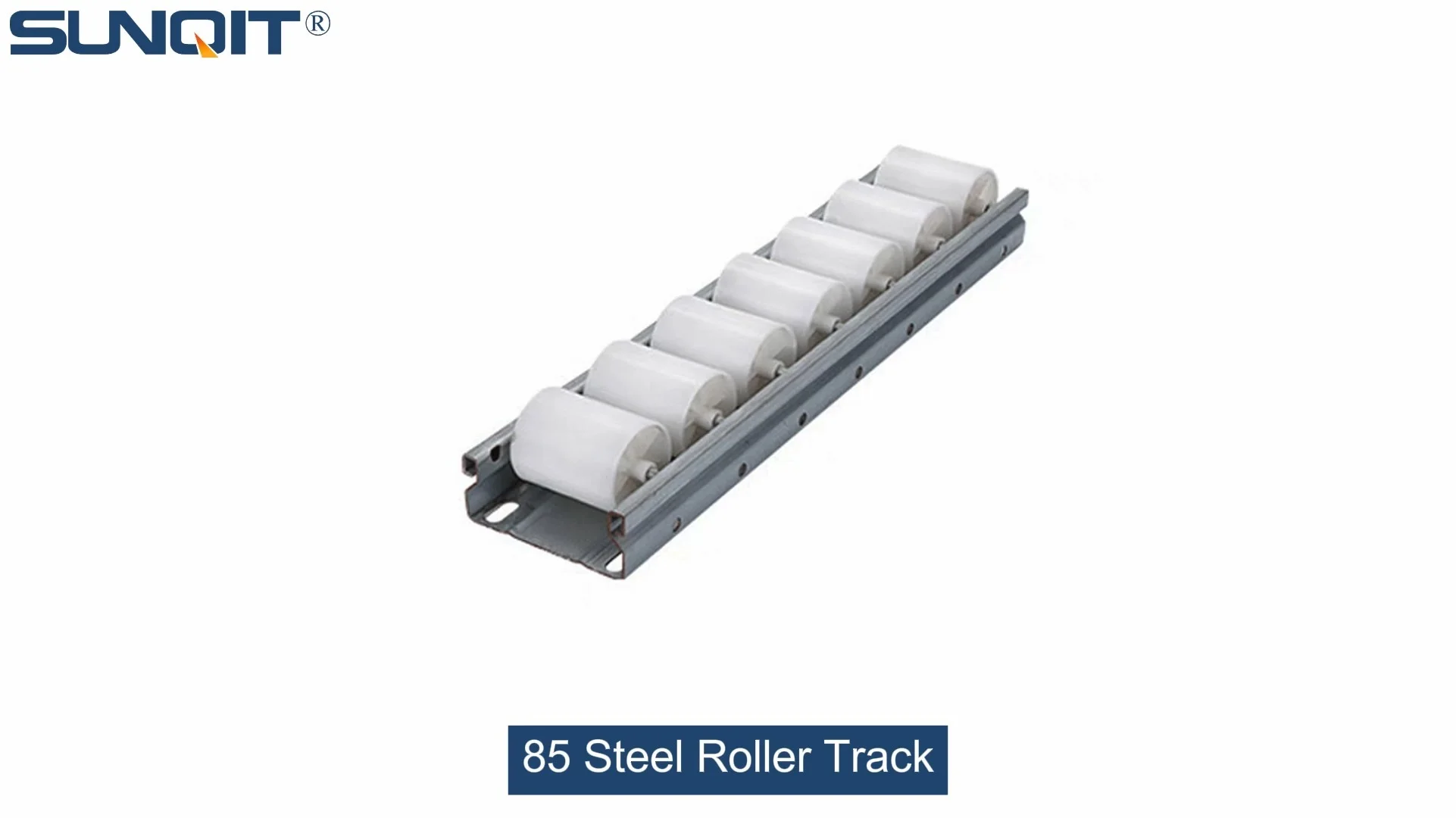
85 Steel Roller Track
85 heavy duty modular system roller track.Its use is focused on the transport of heavy products. Its implantation is carried out by creating a slope for the product to move under the force of gravity.
The rise of smart factories has transformed the manufacturing landscape, turning once rigid production lines into dynamic ecosystems where efficiency, flexibility, and connectivity reign supreme. At the heart of this transformation lies material handling—the silent force that keeps components moving, assembly lines flowing, and deadlines on track. Among the unsung heroes of modern material handling is the 85 steel roller track, a workhorse designed to meet the demands of high-speed, high-precision manufacturing. As factories evolve to embrace Industry 4.0, this technology is not just keeping pace; it's leading the charge. Let's dive into the trends shaping the future of 85 steel roller track technology and how it's becoming indispensable for smart factories worldwide.
The Core Strength of 85 Steel Roller Track: Why It Matters Today
Before we look ahead, let's ground ourselves in why 85 steel roller track has already become a staple in forward-thinking factories. Unlike conventional roller tracks made from standard steel or aluminum, 85 steel brings a unique blend of durability and precision. Its high carbon content—85 being a reference to its tensile strength—gives it the muscle to handle heavy loads (think automotive parts or large 3C assemblies) without bending or warping. But it's not just about strength; the precision-engineered rollers reduce friction, ensuring smooth, quiet operation even at high speeds. This combination makes it ideal for lean systems, where minimizing waste and maximizing uptime are non-negotiable.
Another key advantage? Compatibility. 85 steel roller track integrates seamlessly with other lean system components—conveyors, workbenches, and modular racks—creating a unified material handling network. For manufacturers transitioning to smart setups, this flexibility means they don't have to overhaul their entire infrastructure; they can upgrade incrementally, starting with critical points like assembly lines or warehousing zones. It's a practical, cost-effective step toward modernization, and it's why so many factories are making the switch.
Trend 1: Smart Integration – From Passive Rollers to Data-Driven Assets
The future of 85 steel roller track isn't just about moving parts—it's about understanding how those parts move. Smart factories thrive on data, and next-gen roller tracks are becoming data hubs in their own right. Imagine rollers embedded with sensors that monitor speed, temperature, and vibration in real time. These sensors feed data to central management systems, allowing operators to predict wear and tear before it causes breakdowns. For example, if a roller starts vibrating outside its normal range, the system flags it for maintenance, preventing unplanned downtime that could cost thousands in lost production.
But it doesn't stop there. IoT connectivity will enable 85 steel roller tracks to communicate with other smart devices on the factory floor. Picture this: A roller track detects a bottleneck in the production assemble line. It automatically adjusts its speed to sync with upstream conveyors, or alerts a nearby robot to redirect materials. This level of coordination turns passive equipment into active participants in the production process, making lean solutions more adaptive and responsive than ever before.

Trend 2: Material Innovation – Stronger, Lighter, and More Resilient
While 85 steel already sets a high bar for strength, material science is pushing the envelope further. Future iterations may see the addition of alloy coatings or composite layers that enhance corrosion resistance—critical for factories in humid environments or those handling chemicals, like medical device manufacturing. These coatings could also reduce friction even more, cutting energy consumption and extending roller life.
Lightweighting is another focus. Engineers are exploring ways to maintain 85 steel's tensile strength while reducing its weight, making installation and reconfiguration easier. This is a game-changer for lean systems that prioritize agility; lighter tracks mean faster setup times when retooling for new products, a must in industries like consumer electronics where product cycles are measured in months, not years.

Trend 3: Customization – Tailored Solutions for Niche Industries
One-size-fits-all solutions are fading in smart manufacturing, and 85 steel roller track is no exception. Factories today aren't just asking for "a roller track"—they're asking for a roller track that fits their specific needs. A 3C assembly plant, for instance, requires tracks that handle small, delicate components with minimal vibration to avoid damaging sensitive electronics. A heavy machinery factory, on the other hand, needs tracks that can bear the weight of cast-iron parts without skipping a beat.
To meet this demand, manufacturers are offering hyper-customizable 85 steel roller tracks. Options include adjustable roller spacing for different component sizes, specialized coatings for ESD (electrostatic discharge) protection in electronics manufacturing, and even variable-speed zones within a single track to align with assembly stages. This level of customization isn't just about convenience; it's about enabling factories to build lean solutions that grow with their unique challenges, from prototype to mass production.

Trend 4: Sustainability – Aligning with the Circular Economy
Sustainability isn't a buzzword anymore—it's a business imperative. Smart factories are under pressure to reduce waste, energy use, and carbon footprints, and 85 steel roller track is rising to the challenge. The material itself is inherently sustainable: 85 steel is 100% recyclable, and its long lifespan (often 10+ years with minimal maintenance) reduces the need for frequent replacements. But future designs are taking this further.
Look for tracks with energy-efficient roller bearings that cut power consumption, or modular designs that allow for easy repair (replacing a single roller instead of the entire track). Some manufacturers are even experimenting with recycled 85 steel in their production, closing the loop on material usage. For factories aiming to align with lean principles like "sustainable improvement," these innovations make 85 steel roller track a choice that benefits both the bottom line and the planet.
Trend 5: Human-Centric Design – Safer, Smarter Collaboration
Smart factories aren't just about machines—they're about people, too. As human workers collaborate more closely with robots and automated systems, safety and ergonomics are becoming top priorities for equipment design. 85 steel roller track is evolving to support this collaboration with features like built-in safety sensors that stop the track if a hand or tool gets too close, or adjustable heights to reduce worker strain during loading/unloading.
Visibility is another focus. New track designs incorporate LED strips that change color to indicate status—green for "running," yellow for "slowdown," red for "stop"—making it easier for workers to stay in sync with the line. These small touches might seem minor, but they add up to a more intuitive, less stressful work environment, where humans and machines work with each other, not against.
Real-World Impact: 85 Steel Roller Track in Action
To see these trends in action, let's look at a case study from the 3C assembly industry—a sector where precision and speed are critical. A leading smartphone manufacturer recently upgraded its production lines with 85 steel roller tracks integrated with IoT sensors. The result? A 20% reduction in downtime due to predictive maintenance, and a 15% increase in throughput thanks to smoother material flow. The track's ESD protection also reduced component damage by 30%, cutting waste and saving costs.
In the automotive sector, a major manufacturer switched to customized 85 steel roller tracks for its engine assembly line. The tracks, designed to handle 500kg+ loads, now support heavier components without slowing down, while modular sections allow the line to be reconfigured in hours (instead of days) when switching between engine models. It's a tangible example of how this technology is making lean production not just a goal, but a daily reality.
| Feature | Traditional Roller Tracks | Next-Gen 85 Steel Roller Tracks |
|---|---|---|
| Load Capacity | Limited to light/medium loads; prone to warping | Handles heavy loads (500kg+) with high tensile strength |
| Data Integration | Passive; no real-time monitoring | Sensor-enabled; tracks speed, vibration, and maintenance needs |
| Customization | One-size-fits-most; limited adjustments | ESD protection, variable speeds, and modular designs for niche needs |
| Sustainability | Shorter lifespan; frequent replacements | 10+ year lifespan, recyclable materials, and energy-efficient components |
| Safety Features | Basic guards; manual stop controls | Proximity sensors, LED status indicators, and ergonomic adjustments |
Conclusion: 85 Steel Roller Track – The Backbone of Tomorrow's Smart Factories
As smart factories continue to redefine manufacturing, 85 steel roller track is proving to be more than just a component—it's a catalyst for change. Its evolution from a simple material handler to a smart, sustainable, and human-centric asset reflects the industry's broader shift toward efficiency and adaptability. Whether it's through IoT integration, material innovation, or customization, this technology is helping factories do more with less, turning challenges into opportunities.
For manufacturers looking to stay ahead, investing in 85 steel roller track isn't just about upgrading equipment—it's about future-proofing their operations. It's a choice that says, "We're ready to embrace lean solutions, collaborate with technology, and build a factory that grows with us." And in the fast-paced world of smart manufacturing, that's not just an advantage—it's a necessity.
The future of 85 steel roller track is bright, and it's here to stay. The only question is: Is your factory ready to roll with it?