- Company Articles
- Products and Technology
- Product knowledge
- Future Trends in Parallel Rotatory Lean Pipe Joint Chrome Design: Innovations Ahead

Future Trends in Parallel Rotatory Lean Pipe Joint Chrome Design: Innovations Ahead
Related Product
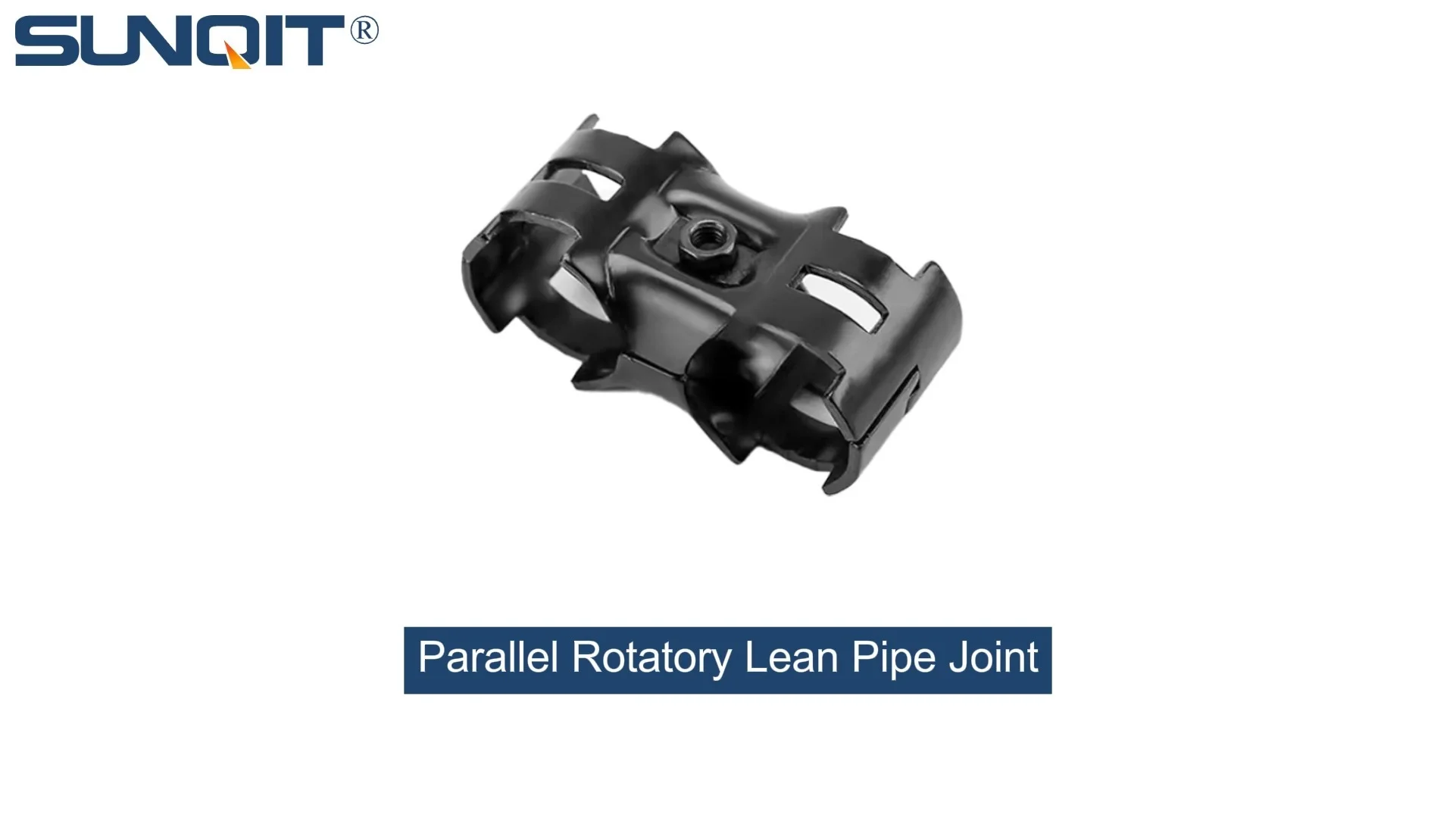
Parallel Rotatory Lean Pipe Joint
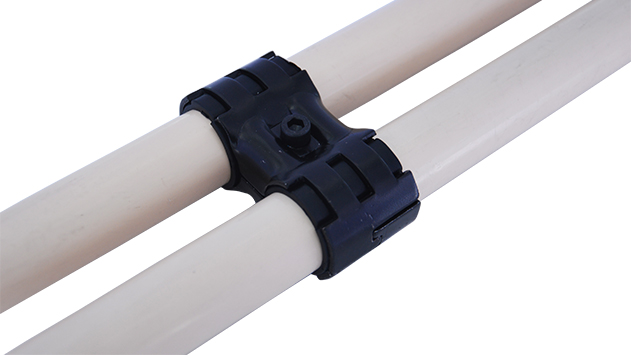
Parallel rotatory lean pipe joint, for 2 pcs pipe conenction in parallel direction with rotatory function.
In the fast-paced world of manufacturing, where efficiency and adaptability reign supreme, lean systems have become the backbone of successful production lines. From automotive assembly plants to electronics manufacturing facilities, the ability to streamline processes, reduce waste, and respond quickly to changing demands is what sets industry leaders apart. Yet, amid the buzz of high-tech machinery and automated workflows, there's a humble component that often goes overlooked—until it becomes the linchpin of operational success: the parallel rotatory lean pipe joint chrome. These small, unassuming connectors are the silent architects of flexibility, holding together the modular structures that define modern lean environments, from workbenches to flow racks and turnover trolleys. As manufacturing evolves, so too must these critical components. In this article, we'll explore the future trends shaping parallel rotatory lean pipe joint chrome design, the innovations driving their development, and why they matter more than ever in the next era of lean manufacturing.
The Backbone of Lean Systems: Why Joints Matter
To understand the importance of parallel rotatory lean pipe joint chrome, it's first essential to grasp the role of lean pipe systems in modern production. Lean pipe systems—often constructed from aluminum lean pipe, stainless steel pipe series, or chrome-plated steel—are modular frameworks built by connecting pipes and joints to create custom workspaces. Unlike rigid, one-size-fits-all structures, these systems are designed to be reconfigured, extended, or repurposed as production needs change. A single workbench today might become a flow rack tomorrow; a static material rack could transform into a mobile turnover trolley next month. This adaptability is the heart of lean manufacturing, and it all hinges on the joints that hold the system together.
Parallel rotatory lean pipe joint chrome, in particular, offers a unique advantage: rotation. Unlike fixed joints that lock pipes into rigid angles, these joints allow for 360-degree rotation (or a predefined range, depending on the design), enabling users to adjust the orientation of connected pipes with minimal effort. This might sound simple, but in a factory setting, that small range of motion can mean the difference between a seamless workflow and a bottleneck. Imagine a assembly line where a workbench needs to tilt slightly to align with a conveyor, or a flow rack that must angle downward to guide materials to a new station—without a rotatory joint, reconfiguring that setup would require disassembling and reassembling the entire structure, wasting valuable time and labor. With a parallel rotatory joint, the adjustment takes seconds, keeping production on track.
But the value of these joints extends beyond adjustability. Chrome plating adds a layer of durability, protecting against corrosion in harsh factory environments where moisture, oils, or chemicals might degrade uncoated metal. This longevity reduces maintenance costs and ensures that lean systems remain reliable even in high-demand settings. For lean system suppliers, this combination of flexibility, durability, and cost-effectiveness makes parallel rotatory lean pipe joint chrome a cornerstone of their product offerings, enabling them to deliver solutions that grow and adapt with their clients' businesses.
From Rigid to Rotatory: The Evolution of Lean Joint Design
Lean pipe joints have come a long way since the early days of lean manufacturing. Decades ago, systems relied heavily on fixed, welded joints or basic plastic connectors that offered little to no adjustability. While these served their purpose in static production lines, they fell short in the face of increasing demand for agility. As manufacturers began to embrace just-in-time production and rapid product iterations, the need for modular, reconfigurable systems became clear—and with it, the need for smarter joints.
The first generation of rotatory joints was a game-changer. Made primarily from steel, these joints allowed for limited rotation, typically up to 180 degrees, and were often bulky and heavy. While they improved flexibility, they had drawbacks: steel joints added significant weight to structures, making them harder to move or reconfigure manually. They were also prone to rust in humid environments, requiring frequent maintenance. Enter chrome plating: by coating steel joints with a thin layer of chromium, manufacturers addressed the corrosion issue, extending the lifespan of the joints and reducing upkeep. This marked the birth of the modern parallel rotatory lean pipe joint chrome—a component that balanced durability and adjustability.
In recent years, the rise of aluminum lean pipe has further transformed joint design. Aluminum's lightweight properties paired with chrome-plated steel joints created systems that were both strong and easy to handle. Workers could now reconfigure workbenches or flow racks without heavy lifting equipment, reducing the risk of injury and speeding up changeover times. But as manufacturing demands continue to evolve—with a focus on sustainability, ergonomics, and smart technology—even these advancements are no longer enough. The next generation of parallel rotatory joints must do more: they must be lighter, more adaptable, more connected, and more eco-friendly.
Current Challenges: What's Holding Lean Joints Back?
Despite their importance, today's parallel rotatory lean pipe joint chrome designs face several challenges that limit their potential. One of the most pressing is rigidity in adjustability. While these joints allow for rotation, many are limited to fixed increments (e.g., 30-degree or 45-degree stops) or require tools to lock into place. In a dynamic production environment, where workers might need to make on-the-fly adjustments to align with shifting workflows, this can be a major bottleneck. A joint that requires a wrench to reposition, for example, disrupts the flow of work and undermines the "lean" principle of minimizing waste.
Weight is another issue. Even with chrome plating, steel joints add mass to lean systems, especially when used in large structures like multi-tiered material racks or extended conveyors. This not only makes manual reconfiguration difficult but also increases the load on casters and support structures, leading to faster wear and tear. For manufacturers aiming to create more ergonomic workspaces—where workers can easily move or adjust equipment—heavy joints are a significant barrier.
Sustainability is also emerging as a critical concern. Traditional steel joints are energy-intensive to produce, and their lifespan, while long, is finite. When a joint reaches the end of its life, it often ends up in a landfill, contributing to industrial waste. As companies worldwide strive to reduce their carbon footprints, lean system suppliers are under pressure to develop components that are not only durable but also recyclable or made from recycled materials.
Finally, there's the challenge of compatibility. With the market flooded with different pipe diameters, materials (aluminum, steel, stainless steel), and profile types (T-slot aluminum pipe, basic aluminum tube), joints often need to be custom-designed for specific systems. This lack of standardization makes it hard for manufacturers to mix and match components from different suppliers, limiting their flexibility and increasing costs.

Future Trends: Innovations Shaping the Next Generation of Joints
The good news? The challenges facing parallel rotatory lean pipe joint chrome design are driving a wave of innovation. From material science to smart technology, here are the key trends set to redefine these critical components in the years ahead:
1. Material Fusion: Aluminum-Lean Pipe Hybrids
One of the most exciting developments is the integration of aluminum lean pipe with chrome-plated steel joints. Aluminum's lightweight properties (it's 30% lighter than steel) combined with chrome's corrosion resistance creates a joint that's both durable and easy to handle. Early prototypes from leading lean system suppliers show that these hybrid joints can reduce the overall weight of a lean structure by up to 25%, making manual reconfiguration feasible for workers of all physical abilities. But it's not just about weight: aluminum's natural conductivity also opens the door to grounding capabilities, a critical feature in electronics manufacturing where ESD (electrostatic discharge) protection is non-negotiable. Imagine a workbench built with aluminum lean pipe and hybrid joints that automatically dissipate static electricity—no need for additional ESD mats or grounding wires. This integration of functionality and sustainability (aluminum is 100% recyclable) is set to make hybrid joints a staple in future lean systems.
2. Tool-Less, Infinite Adjustability
The days of fumbling with wrenches to adjust a joint are numbered. Future parallel rotatory lean pipe joint chrome designs will feature tool-less, infinite adjustability, allowing workers to rotate pipes to any angle and lock them in place with a simple twist or flip. This is made possible by advances in locking mechanisms, such as cam levers or quick-release pins, which provide secure hold without the need for tools. Some prototypes even include built-in detents—small indentations that "click" into place at common angles (90°, 45°, 30°)—for quick, repeatable adjustments, while still allowing for free rotation when needed. This level of flexibility will be a game-changer for industries with high-mix, low-volume production, where production lines change daily or even hourly.
3. Smart Joints: Sensors and Connectivity
The Industrial Internet of Things (IIoT) is transforming manufacturing, and lean joints are no exception. Future parallel rotatory lean pipe joint chrome designs may include embedded sensors that monitor everything from rotation count (to predict wear) to load capacity (to prevent overloading). For example, a joint on a flow rack could detect when it's carrying more weight than it's rated for and send an alert to a supervisor's tablet, preventing a potential collapse. Similarly, sensors could track how often a joint is adjusted, providing data on which parts of a production line are most frequently reconfigured—information that can help optimize workflow design. While this technology is still in its infancy, early adopters (like automotive manufacturers) are already testing smart joints in pilot facilities, with promising results.
4. Sustainable Manufacturing: Recycled Materials and Circular Design
Sustainability isn't just a buzzword—it's a mandate. Lean system suppliers are increasingly prioritizing circular design principles, where joints are made to be disassembled, repaired, and recycled. Future chrome-plated joints may use recycled steel or aluminum as their base material, reducing the carbon footprint of production. Additionally, manufacturers are exploring "modular joint systems," where worn components (like bearings or locking mechanisms) can be replaced individually, extending the joint's lifespan and reducing waste. Some suppliers are even experimenting with biodegradable lubricants for rotatory parts, eliminating the need for toxic chemicals that harm the environment. These changes won't just appeal to eco-conscious companies—they'll also reduce long-term costs, as recycled materials and repairable designs lower production and replacement expenses.
5. Universal Compatibility: A Standardized Future
To address the compatibility issue, industry leaders are pushing for standardized joint designs that work with multiple pipe materials and diameters. Organizations like the Lean Manufacturing Association are working with lean system suppliers to develop universal specs for parallel rotatory joints, ensuring they can connect aluminum lean pipe, stainless steel pipe series, and T-slot aluminum profiles interchangeably. This standardization will not only simplify purchasing for manufacturers but also encourage innovation, as suppliers compete to create the most versatile, high-performance joints within a common framework. Imagine a single joint that can connect a 28mm aluminum pipe to a 30mm stainless steel tube and lock into a T-slot aluminum profile—this level of flexibility would revolutionize how lean systems are built and modified.

Traditional vs. Next-Gen Joints: A Comparative Look
| Feature | Traditional Parallel Rotatory Chrome Joints | Next-Gen Parallel Rotatory Chrome Joints |
|---|---|---|
| Material | Steel with chrome plating | Aluminum-steel hybrid (recycled materials optional) |
| Weight | Heavy (150-200g per joint) | Lightweight (80-120g per joint) |
| Adjustability | Fixed increments (30°, 45°, 90°); tool required for locking | Infinite rotation; tool-less, quick-lock mechanism |
| Load Capacity | 50-100kg per joint | 80-150kg per joint (higher strength-to-weight ratio) |
| Sustainability | Limited recyclability; single-lifespan design | 100% recyclable; modular components for repair |
| Smart Features | None | Optional embedded sensors (load, rotation, wear) |
| Compatibility | Limited to specific pipe diameters/materials | Universal design (works with aluminum, steel, T-slot profiles) |
The Ripple Effect: How Better Joints Transform Manufacturing
The innovations in parallel rotatory lean pipe joint chrome design won't just improve the joints themselves—they'll have a ripple effect across the entire manufacturing ecosystem. For starters, lighter, more adjustable joints will make lean systems more accessible to small and medium-sized enterprises (SMEs). Historically, SMEs have struggled to adopt lean manufacturing due to the cost and complexity of rigid, custom-built structures. With next-gen joints, these companies can now build affordable, modular workbenches and flow racks that grow with their business, leveling the playing field with larger competitors.
In large-scale manufacturing, the impact will be even more profound. Automotive plants, for example, which often reconfigure production lines every few years to accommodate new models, could see changeover times reduced by 40-50% with tool-less, lightweight joints. This translates to millions of dollars in saved labor costs and minimized downtime. Similarly, electronics manufacturers, which require frequent adjustments to accommodate smaller, more intricate components, will benefit from the precision and flexibility of infinite-rotation joints, reducing errors and improving product quality.
Ergonomics will also get a boost. Heavier structures built with traditional joints force workers to strain when reconfiguring workspaces, leading to a higher risk of musculoskeletal injuries. Next-gen lightweight joints, combined with easier adjustability, will create safer, more comfortable environments, reducing absenteeism and boosting productivity. In fact, studies by the Occupational Safety and Health Administration (OSHA) show that ergonomic workspaces can increase productivity by up to 15%—a significant gain for any manufacturer.
Finally, the sustainability gains from recycled materials and modular designs will help manufacturers meet their ESG (Environmental, Social, Governance) goals. As consumers and investors increasingly prioritize eco-friendly practices, companies that adopt next-gen lean joints will not only reduce their environmental impact but also enhance their brand reputation—a competitive advantage in today's market.
The Road Ahead: What Manufacturers and Suppliers Need to Do
The future of parallel rotatory lean pipe joint chrome design is bright, but realizing its potential will require collaboration between manufacturers, lean system suppliers, and industry bodies. For manufacturers, the first step is to prioritize flexibility and sustainability in their procurement decisions. Instead of opting for the cheapest traditional joints, look for suppliers investing in next-gen innovations—aluminum hybrids, tool-less adjustability, and recycled materials. While these joints may have a slightly higher upfront cost, the long-term savings in labor, maintenance, and reconfiguration will more than offset the expense.
For lean system suppliers, the focus should be on R&D and standardization. Investing in material science to develop lighter, stronger joint materials; partnering with tech companies to integrate smart sensors; and collaborating with industry groups to establish universal compatibility standards will be key to staying ahead. Suppliers that can offer a "one-stop shop" for hybrid joints, compatible with aluminum lean pipe, stainless steel pipe series, and T-slot profiles, will quickly become industry leaders.
Finally, industry organizations must play a role in driving adoption. By creating certification programs for sustainable joints, publishing case studies of successful next-gen implementations, and advocating for standardized designs, these groups can accelerate the transition to a more efficient, flexible, and eco-friendly manufacturing future.
In the end, parallel rotatory lean pipe joint chrome may be small in size, but its impact on the future of manufacturing is enormous. As these joints evolve, they'll not only make lean systems more adaptable and sustainable but also empower workers to build the factories of tomorrow—one rotation at a time.