- Company Articles
- Products and Technology
- Technology Sharing
- Future Trends: Innovations in 60 Steel Roller Track Small Wheel Design & Technology

Future Trends: Innovations in 60 Steel Roller Track Small Wheel Design & Technology
Related Product
60 Steel Roller Track Small Wheel
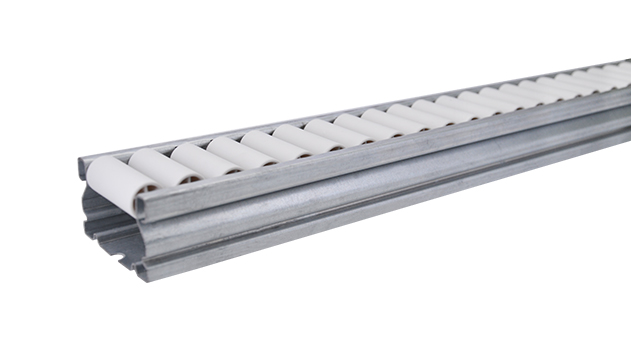
Modular system roller tracks aluminum gravity roller tracks are an excellent solution for transporting materials within industrial environments, warehouses and distribution centres.
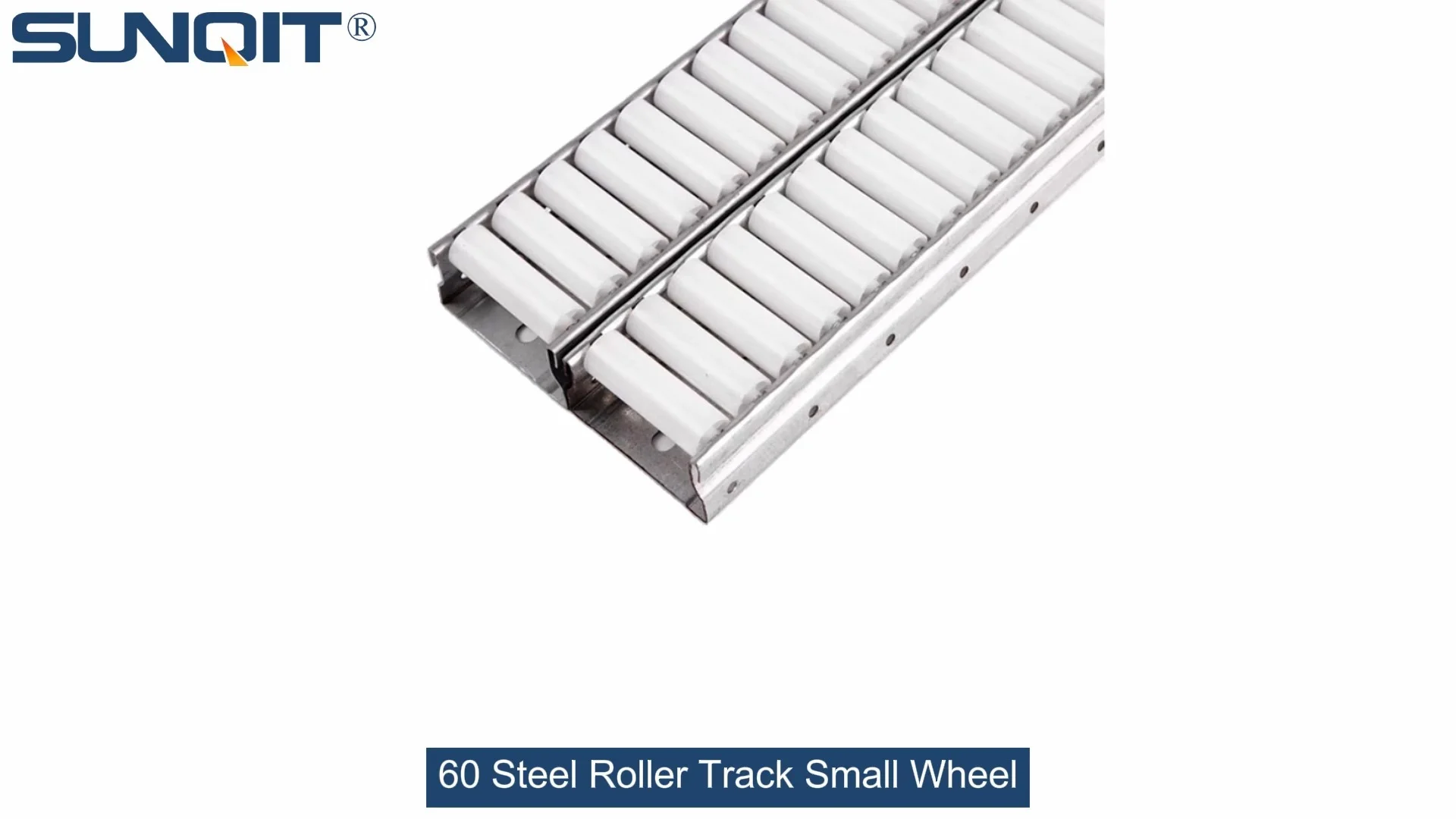
Roller tracks are the unsung heroes of modern manufacturing and logistics—quietly moving parts, products, and materials from one point to another, keeping operations running smoothly. Among these, the 60 steel roller track small wheel might seem like a tiny component, but its design and technology have a huge impact on efficiency, cost, and sustainability. As industries shift toward more flexible, leaner operations, innovations in these small wheels are becoming increasingly critical. Let's dive into what's changing, why it matters, and how these innovations are shaping the future of material handling.
1. The Role of 60 Steel Roller Track Small Wheels in Today's Lean Manufacturing
1.1 Core Functions in Material Handling
You might not notice them at first glance, but 60 steel roller track small wheels are everywhere in lean manufacturing setups. They're the backbone of flow racks that keep parts within easy reach on assembly lines, the silent force behind conveyors moving products through warehouses, and a key part of lean solutions that help businesses cut waste and boost productivity.
In flow racks, these small wheels let boxes and bins glide smoothly from the back to the front—so workers don't have to bend or reach far to grab what they need. This not only speeds up tasks but also reduces the risk of strain injuries. On conveyors, they support heavy loads without breaking a sweat, ensuring that materials move consistently, even in high-volume environments. Whether it's a small component for a 3C product or a larger part for an automotive assembly line, these wheels handle it all with reliability.
1.2 Integration with Lean Systems
Lean manufacturing is all about doing more with less—cutting out waste, optimizing processes, and adapting quickly to change. 60 steel roller track small wheels fit perfectly into this philosophy. They're durable, so they don't need frequent replacements (reducing waste from discarded parts). They're also flexible—easily integrated into different setups like lean pipe workbenches or custom flow racks. This flexibility means businesses can adjust their material handling systems as their needs change, without starting from scratch. That's the essence of a lean solution: sustainable, adaptable, and efficient.
2. Key Innovations Shaping the Future of 60 Steel Roller Track Small Wheels
2.1 Material Science Advancements
Gone are the days of basic steel wheels that rust or wear out quickly. Today's 60 steel roller track small wheels use advanced high-strength steel alloys that can handle heavier loads while remaining lightweight. Manufacturers are also adding coatings like zinc-nickel plating or ceramic layers to boost corrosion resistance—critical for industries like food processing or medical device manufacturing where hygiene and durability are non-negotiable. These coatings also reduce friction, which means smoother movement and less energy use (another win for sustainability).
2.2 Ergonomic & Efficiency-Driven Design Improvements
Ergonomics is a big focus now, and it's trickling down to even the smallest components. New designs of 60 steel roller track small wheels feature lower profiles, which means flow racks and conveyors can be built closer to the ground—making it easier for workers to access materials without bending too much. Noise reduction is another key improvement: manufacturers are using precision engineering to minimize the clatter that comes from wheels rolling on tracks. This creates a quieter, more pleasant work environment, which can boost employee morale and focus.
Maintenance is also getting easier. Many new wheels are designed with self-lubricating bearings, so you don't have to spend time oiling them regularly. Some even have quick-release mechanisms, so replacing a worn wheel takes minutes instead of hours. This reduces downtime and keeps operations running smoothly.
2.3 Smart Technology Integration
The rise of Industry 4.0 is bringing smart features to 60 steel roller track small wheels. Today, some wheels are equipped with tiny sensors that monitor things like temperature, vibration, and wear. These sensors send data to a central system, which alerts maintenance teams when a wheel is starting to fail. This predictive maintenance means you can fix problems before they cause downtime—no more unexpected breakdowns that stop production lines.
IoT connectivity takes this a step further. Smart wheels can communicate with other parts of the lean system, like conveyors or flow racks, to optimize material flow. For example, if a wheel detects that a bin is moving too slowly, it can signal the conveyor to adjust its speed, ensuring that materials arrive exactly when they're needed. This level of integration is a game-changer for just-in-time manufacturing.
2.4 Sustainability Focus
Sustainability is no longer an afterthought—it's a core requirement for businesses. 60 steel roller track small wheels are being designed with this in mind. Many are made from 100% recyclable steel, so at the end of their lifespan, they can be melted down and reused instead of ending up in landfills. Longer lifespans also mean fewer replacements, which reduces the environmental impact of manufacturing new wheels.
Another sustainability innovation is the use of energy-efficient bearings. These bearings reduce friction, so conveyors and flow racks use less power to move materials. Over time, this adds up to significant energy savings—good for the planet and for your bottom line.
3. Real-World Applications Across Industries
3.1 3C Assembly & Consumer Electronics
The 3C industry (computers, communications, consumer electronics) moves fast. Products change constantly, so assembly lines need to be flexible. 60 steel roller track small wheels are used in lean pipe workbenches and flow racks that hold small components like circuit boards or screws. The smooth movement of these wheels means workers can quickly grab the parts they need, speeding up assembly times. The durability of the wheels also stands up to the high-volume production that's common in this industry.
3.2 Automotive & Aerospace
Automotive and aerospace manufacturing require heavy-duty material handling. 60 steel roller track small wheels are used in conveyors that move large parts like engine components or body panels. The advanced steel alloys and coatings mean these wheels can handle the weight without wearing out quickly. This reliability is critical for keeping production lines moving—any downtime in these industries can cost thousands of dollars per minute.
3.3 Medical Device Manufacturing
Medical device manufacturing has strict standards for hygiene and precision. 60 steel roller track small wheels with corrosion-resistant coatings are perfect here—they can be easily cleaned and sanitized, which is essential for environments where contamination is a risk. The smooth movement of the wheels also ensures that delicate medical components are handled gently, reducing the risk of damage.
3.4 Warehousing & Logistics
In warehouses, flow racks equipped with 60 steel roller track small wheels are a staple. They allow for first-in-first-out (FIFO) inventory management, which is key for perishable goods or products with expiration dates. The wheels make it easy to restock items from the back and retrieve them from the front, reducing the time workers spend searching for products. This efficiency translates to faster order fulfillment and happier customers.

4. Comparative Analysis of Wheel Types
To understand why 60 steel roller track small wheels are a top choice, let's compare them to other common wheel types used in material handling.
| Wheel Type | Load Capacity | Durability | Corrosion Resistance | Noise Level | Best For |
|---|---|---|---|---|---|
| 60 Steel Roller Track Small Wheel | High (up to 50kg per wheel) | Excellent (long lifespan, low wear) | Good (with coatings) | Low (with precision engineering) | Heavy-duty flow racks, conveyors, lean systems |
| Plastic Wheel | Medium (up to 20kg per wheel) | Moderate (prone to cracking under heavy loads) | Excellent (non-corrosive) | Very Low | Lightweight material handling, cleanrooms |
| Aluminum Wheel | Medium-High (up to 35kg per wheel) | Good (but softer than steel) | Excellent (natural corrosion resistance) | Low | Lightweight conveyors, aerospace applications |
| Stainless Steel Wheel | High (up to 60kg per wheel) | Excellent | Exceptional | Medium | Food processing, medical devices, harsh environments |
As you can see, 60 steel roller track small wheels balance load capacity, durability, and cost-effectiveness—making them a versatile choice for most industries. While stainless steel wheels offer better corrosion resistance, they're often more expensive. Plastic wheels are cheaper but can't handle heavy loads. So, if you need a reliable, all-around solution, 60 steel roller track small wheels are hard to beat.
5. Future Outlook & Predictions
What's next for 60 steel roller track small wheels? Let's look at the trends that will shape their design and use in the coming years.
First, smart features will become more common. We'll see more wheels with sensors that track performance metrics like wear and tear, temperature, and vibration. These sensors will be connected to AI-powered systems that can predict when a wheel needs to be replaced—so you can plan maintenance instead of reacting to breakdowns. This will reduce downtime and save money in the long run.
Second, customization will be key. Businesses have unique needs, so manufacturers will offer more tailored solutions. For example, you might be able to choose the coating type, bearing material, or wheel size to fit your specific industry or application. This level of customization will make 60 steel roller track small wheels even more versatile.
Third, sustainability will continue to drive innovation. Manufacturers will focus on using recycled steel in their wheels, and designing them to be easily disassembled for recycling at the end of their lifespan. We'll also see more energy-efficient designs that reduce the carbon footprint of material handling operations.
Finally, integration with other lean system components will get better. 60 steel roller track small wheels will work seamlessly with lean pipe workbenches, flow racks, and conveyors—creating a fully connected material handling system that's easy to adjust and optimize. This will help businesses become even leaner and more efficient.
60 steel roller track small wheels might be small, but their impact on modern manufacturing and logistics is huge. From supporting lean solutions to enabling smart, sustainable operations, these wheels are at the forefront of material handling innovation. The latest advancements in material science, design, and technology are making them more durable, efficient, and versatile than ever before.
Whether you're in the 3C industry, automotive manufacturing, or warehousing, choosing the right 60 steel roller track small wheels can help you cut waste, boost productivity, and stay ahead of the competition. As we look to the future, these wheels will continue to evolve—adapting to new challenges and opportunities in the world of lean manufacturing.