- Company Articles
- Products and Technology
- Technology Sharing
- Future Trends: Smart Roller Track Placon Mount Center Support Bracket with IoT Integration for Predictive Maintenance

Future Trends: Smart Roller Track Placon Mount Center Support Bracket with IoT Integration for Predictive Maintenance
Related Product
Roller Track Placon Mount Center Support Bracket
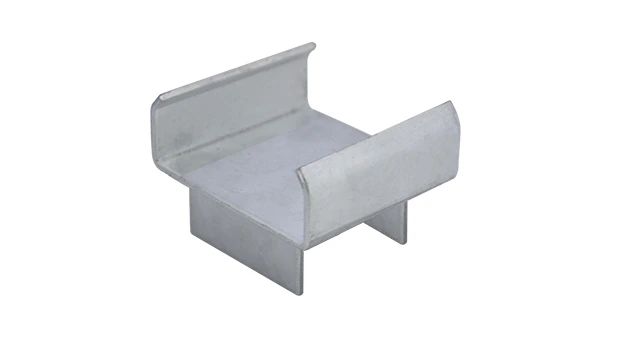
Roller track placon mount work as a connector for roller track and pipe or aluminum profile in rack syetem, it is a necessary parts in rack system which widely used in industrial plant and logistic,warehouse storage.
How intelligent components are reshaping the future of manufacturing efficiency
The New Era of Smart Manufacturing: Why Every Second Counts
In today's fast-paced manufacturing world, where consumer demands shift overnight and production targets grow tighter by the quarter, the phrase "time is money" has never rung truer. Imagine a busy automotive assembly line: robots whirring, workers coordinating seamlessly, and parts flowing like water through stations. Then suddenly—*clunk*. A critical piece of equipment jams. The line grinds to a halt. Within minutes, supervisors are rushing over, technicians scrambling with tools, and the clock starts ticking on losses that could reach thousands of dollars per minute. This isn't just a hypothetical scenario; it's a daily reality for many factories still relying on traditional, reactive maintenance practices.
But as Industry 4.0 transforms factories into interconnected ecosystems of data and automation, there's a growing push to move beyond "break-fix" models. Smart manufacturing isn't just about robots and AI—it's about making every component, from the smallest bracket to the largest conveyor, work smarter. And that's where innovations like the smart roller track placon mount center support bracket come into play. When paired with IoT integration and predictive maintenance technology, this unassuming yet critical component becomes a linchpin in keeping production lines running smoothly, reducing downtime, and unlocking new levels of efficiency.
At the heart of this transformation lies a simple truth: modern manufacturing can't afford to wait for equipment to fail. Instead, it needs to *predict* failures before they happen, using real-time data to stay one step ahead. For roller track systems—those essential conveyors that move parts between workstations—this shift is especially urgent. These systems are the circulatory system of the factory, and any blockage or wear can bring the entire operation to a standstill. That's why forward-thinking manufacturers are now turning to intelligent roller track solutions, built on the foundation of lean principles and enhanced with IoT connectivity, to redefine what's possible in production efficiency.
The Hidden Costs of Traditional Roller Track Systems
To understand why smart roller track technology is gaining momentum, let's first look at the limitations of traditional systems. For decades, roller tracks have been workhorses in factories, from automotive plants to 3C electronics assembly lines. Made from basic materials like steel or aluminum, they rely on simple mechanical movement—rollers spinning on axles—to transport parts. And while they're durable, they lack one crucial feature: *visibility*. Without real-time data on their performance, maintenance teams are left in the dark until a problem becomes obvious—usually when the system breaks down.
Consider the placon mount center support bracket, a small but vital part that holds the roller track in place, ensuring stability and alignment. Over time, constant vibration, weight stress, and wear can loosen bolts, bend metal, or degrade the bracket's structural integrity. In a traditional setup, there's no way to track this degradation until the bracket fails, leading to misaligned rollers, jammed parts, or even track collapse. The result? Unscheduled downtime, rushed repairs, and cascading delays across the production floor.
Then there's the issue of "preventive maintenance"—the practice of servicing equipment on a fixed schedule, whether it needs it or not. While better than waiting for failures, this approach is far from efficient. A roller track might be serviced every three months, but if it's operating under lighter loads, those services are wasted time and money. Conversely, a track handling heavy, constant traffic might need servicing sooner, but the fixed schedule misses the warning signs, leading to unexpected breakdowns anyway. It's a one-size-fits-all approach in an industry that thrives on customization and flexibility.
The costs add up quickly. According to a 2024 report by the Manufacturing Technology Insights, unplanned downtime costs the average factory $22,000 per minute. For a mid-sized automotive plant, that could mean over $1 million in losses per hour of downtime. Beyond direct costs, there are indirect hits: missed delivery deadlines, strained customer relationships, and demotivated teams forced to work overtime to catch up. In an era where lean manufacturing principles emphasize eliminating waste, traditional roller track systems are a hidden source of inefficiency that manufacturers can no longer ignore.
| Aspect | Traditional Roller Track Systems | Smart Roller Track Systems (with IoT Integration) |
|---|---|---|
| Maintenance Approach | Reactive (fix after failure) or fixed-schedule preventive | Predictive (data-driven, repair before failure) |
| Typical Downtime | High (unplanned breakdowns) | Low (issues addressed proactively) |
| Maintenance Costs | Variable, often high (emergency repairs, overtime) | Consistent, lower (planned repairs, reduced waste) |
| Data Feedback | Minimal (manual inspections, no real-time data) | Continuous (vibration, temperature, load, and alignment data) |
| Adaptability to Production Changes | Limited (static design, hard to reconfigure) | High (integrates with lean principles, modular and reconfigurable) | s

Reinventing the Roller Track: The Smart Placon Mount Center Support Bracket
Enter the smart roller track placon mount center support bracket—a name for a component that's quietly revolutionizing factory floors. Built on the foundation of lean manufacturing principles, this bracket isn't just a mechanical part; it's a data hub, designed to bridge the gap between physical production and digital intelligence. Let's break down what makes it different.
First, the design itself. Drawing on decades of expertise in lean pipe and aluminum profile engineering, the smart bracket combines durability with flexibility. Made from high-grade aluminum extrusion profile—lightweight yet strong enough to handle heavy loads—it integrates seamlessly with existing roller track systems, making retrofits easy for factories not ready to replace entire lines. The bracket's modular design aligns with the "reusable, sustainable improvement" ethos of lean systems, meaning it can be reconfigured as production needs change, reducing waste and long-term costs.
But the real innovation is in the *sensing technology*. Embedded within the bracket are tiny, rugged sensors that monitor critical metrics: vibration levels (to detect loose bolts or worn bearings), temperature (to spot overheating components), and load distribution (to ensure the bracket isn't stressed beyond its limits). These sensors are designed to withstand the harsh conditions of factory floors—dust, moisture, and constant movement—delivering reliable data even in the toughest environments.
Then there's the connectivity. The bracket includes a low-power IoT module that transmits sensor data wirelessly to a central platform. Using protocols like LoRa or Bluetooth Low Energy (BLE), it sends real-time updates without draining battery life, ensuring months of operation between charges. For factories with poor Wi-Fi coverage, optional wired connections are available, keeping the bracket adaptable to any setup.
Perhaps most importantly, the smart bracket is part of a larger ecosystem. It works hand-in-hand with other lean pipe accessories and aluminum profile components, creating a fully connected production line. For example, when paired with a smart lean pipe workbench, data from the bracket can be correlated with workstation activity—if the roller track feeding the workbench shows unusual vibration, the system can alert the operator to check for misaligned parts before they cause a jam. It's this level of integration that turns individual smart components into a smart factory.

IoT Integration: How Data Turns into Actionable Insights
Sensors and connectivity are just the first step. To transform raw data into predictive maintenance, the smart bracket relies on a powerful IoT ecosystem that turns numbers into actionable insights. Here's how it works, from data collection to decision-making.
Data Collection: The Eyes and Ears of the Bracket
The embedded sensors in the bracket collect data 24/7, sampling metrics like vibration frequency, temperature fluctuations, and load pressure at intervals as short as 100 milliseconds. For example, a sudden spike in vibration might indicate a loose roller axle, while a gradual increase in temperature could signal a bearing wearing down. These data points are encrypted and sent to a cloud-based platform or on-premises server, ensuring security and reliability.
The embedded sensors in the bracket collect data 24/7, sampling metrics like vibration frequency, temperature fluctuations, and load pressure at intervals as short as 100 milliseconds. For example, a sudden spike in vibration might indicate a loose roller axle, while a gradual increase in temperature could signal a bearing wearing down. These data points are encrypted and sent to a cloud-based platform or on-premises server, ensuring security and reliability.
Data Analysis: AI That Learns Your Equipment's "Normal"
Once the data reaches the platform, advanced algorithms—powered by machine learning—get to work. The system starts by establishing a "baseline" of normal operation for the roller track, learning how it performs under different loads, speeds, and environmental conditions. Over time, it identifies patterns: for instance, that vibration levels tend to rise slightly during peak production hours but should return to normal afterward. Any deviation from this baseline—like vibration staying high after peak hours—triggers an alert.
Once the data reaches the platform, advanced algorithms—powered by machine learning—get to work. The system starts by establishing a "baseline" of normal operation for the roller track, learning how it performs under different loads, speeds, and environmental conditions. Over time, it identifies patterns: for instance, that vibration levels tend to rise slightly during peak production hours but should return to normal afterward. Any deviation from this baseline—like vibration staying high after peak hours—triggers an alert.
Alerting and Prioritization: Focusing on What Matters Most
Not all alerts are created equal. The platform uses AI to prioritize issues based on severity and impact. A minor temperature increase might trigger a "low-priority" alert, suggesting a maintenance check in the next week. A sudden, sharp vibration spike, on the other hand, could be a "critical" alert, notifying the maintenance team immediately via SMS or the factory's existing ERP system. This ensures teams don't waste time on false alarms and can focus on preventing the most costly failures.
Not all alerts are created equal. The platform uses AI to prioritize issues based on severity and impact. A minor temperature increase might trigger a "low-priority" alert, suggesting a maintenance check in the next week. A sudden, sharp vibration spike, on the other hand, could be a "critical" alert, notifying the maintenance team immediately via SMS or the factory's existing ERP system. This ensures teams don't waste time on false alarms and can focus on preventing the most costly failures.
Actionable Insights: From Data to Maintenance Plans
Beyond alerts, the platform provides detailed insights to guide repairs. For example, if the data shows a bracket's load sensors are consistently maxed out, it might recommend upgrading to a heavy-duty model or redistributing loads across multiple tracks. Over time, these insights help factories optimize their entire production setup, moving from "fixing problems" to "preventing them and improving processes"—the core of lean manufacturing.
Beyond alerts, the platform provides detailed insights to guide repairs. For example, if the data shows a bracket's load sensors are consistently maxed out, it might recommend upgrading to a heavy-duty model or redistributing loads across multiple tracks. Over time, these insights help factories optimize their entire production setup, moving from "fixing problems" to "preventing them and improving processes"—the core of lean manufacturing.
Case Study: How a 3C Electronics Factory Cut Downtime by 68% with Smart Roller Tracks
Let's put this technology into context with a real-world example. A leading 3C electronics manufacturer in Shenzhen, China, was struggling with frequent downtime on its smartphone assembly line. The line relied on traditional roller tracks to transport delicate components between stations, but unplanned breakdowns were occurring 3-4 times per month, each causing 2-3 hours of downtime. With production targets of 5,000 phones per day, these delays were costing the company over $500,000 annually in lost output.
In early 2024, the factory retrofitted its roller track system with smart placon mount center support brackets, integrating sensors and IoT connectivity. Within the first month, the system identified three potential issues: two brackets showing abnormal vibration (later found to have loose bolts) and one with rising temperature (a failing bearing). Maintenance teams addressed these proactively, avoiding what would have been three unplanned shutdowns.
By the end of the year, the factory reported:
- 68% reduction in unplanned downtime (from 3-4 breakdowns/month to 1 or fewer)
- 42% lower maintenance costs (fewer emergency repairs, more efficient scheduling)
- 15% increase in overall line efficiency (more consistent production flow)
"It's like having a crystal ball for our equipment," said the factory's maintenance manager. "We no longer wait for things to break—we fix them before they cause problems. The smart brackets didn't just reduce downtime; they gave us visibility into how our line actually operates, helping us make smarter decisions about upgrades and workflows."
The Tangible Benefits: Why Predictive Maintenance Matters for Your Bottom Line
The 3C factory's success story isn't an anomaly. Predictive maintenance, enabled by smart roller track brackets and IoT integration, delivers measurable benefits that go straight to the bottom line. Let's break down the key advantages.
Reduced Downtime: Every Minute Saved is Money Earned
The most obvious benefit is fewer unplanned shutdowns. By catching issues early, predictive maintenance turns potential crises into scheduled repairs—often performed during off-hours, when production isn't running. For a factory operating 24/7, this can mean reclaiming hundreds of hours of production time annually. As the 3C example showed, even a 50% reduction in downtime can translate to six-figure savings.
The most obvious benefit is fewer unplanned shutdowns. By catching issues early, predictive maintenance turns potential crises into scheduled repairs—often performed during off-hours, when production isn't running. For a factory operating 24/7, this can mean reclaiming hundreds of hours of production time annually. As the 3C example showed, even a 50% reduction in downtime can translate to six-figure savings.
Lower Maintenance Costs: From "Firefighting" to "Fire Prevention"
Emergency repairs are expensive. Rushing technicians to fix a broken bracket at 2 a.m. means overtime pay, expedited parts delivery, and sometimes even outside contractors. Predictive maintenance eliminates these costs by turning repairs into planned events. Parts can be ordered in advance, technicians scheduled during regular hours, and repairs done efficiently—no more scrambling. Over time, this shift can cut maintenance costs by 30-40%, according to industry research.
Emergency repairs are expensive. Rushing technicians to fix a broken bracket at 2 a.m. means overtime pay, expedited parts delivery, and sometimes even outside contractors. Predictive maintenance eliminates these costs by turning repairs into planned events. Parts can be ordered in advance, technicians scheduled during regular hours, and repairs done efficiently—no more scrambling. Over time, this shift can cut maintenance costs by 30-40%, according to industry research.
Extended Equipment Lifespan: Get More from Your Investment
By addressing wear and tear early, smart brackets help equipment last longer. A roller track that's properly maintained—with bearings replaced before they fail, bolts tightened before they loosen—can operate for years beyond its expected lifespan. This reduces the need for costly replacements, stretching the value of capital investments and aligning with sustainability goals.
By addressing wear and tear early, smart brackets help equipment last longer. A roller track that's properly maintained—with bearings replaced before they fail, bolts tightened before they loosen—can operate for years beyond its expected lifespan. This reduces the need for costly replacements, stretching the value of capital investments and aligning with sustainability goals.
Improved Safety: Protecting Your Most Valuable Asset—Your Team
Equipment failures don't just cost money; they can put workers at risk. A collapsing roller track or flying debris from a failed bracket could lead to injuries. Predictive maintenance reduces these risks by ensuring equipment is always in safe operating condition, creating a safer workplace and reducing liability for manufacturers.
Equipment failures don't just cost money; they can put workers at risk. A collapsing roller track or flying debris from a failed bracket could lead to injuries. Predictive maintenance reduces these risks by ensuring equipment is always in safe operating condition, creating a safer workplace and reducing liability for manufacturers.
Data-Driven Decision Making: Optimize Beyond Maintenance
The data collected by smart brackets isn't just for maintenance. It provides insights into how the production line is performing overall. For example, if a section of roller track consistently shows high load stress, it might indicate a bottleneck upstream that needs rebalancing. Or if certain brackets wear faster than others, it could signal a design flaw in the track layout. This data becomes a tool for continuous improvement, aligning perfectly with lean manufacturing's focus on eliminating waste and optimizing workflows.
The data collected by smart brackets isn't just for maintenance. It provides insights into how the production line is performing overall. For example, if a section of roller track consistently shows high load stress, it might indicate a bottleneck upstream that needs rebalancing. Or if certain brackets wear faster than others, it could signal a design flaw in the track layout. This data becomes a tool for continuous improvement, aligning perfectly with lean manufacturing's focus on eliminating waste and optimizing workflows.
Looking Ahead: The Future of Smart Roller Tracks in Manufacturing
As we move into 2025 and beyond, the role of smart roller track technology will only grow. Here's what to watch for:
AI-Powered Predictions: Smarter, Faster, More Accurate
Machine learning algorithms will become even more sophisticated, able to predict failures with greater precision and identify patterns humans might miss. Imagine a system that not only alerts you to a failing bearing but also recommends the exact replacement part and even schedules the repair automatically—all without human intervention.
Machine learning algorithms will become even more sophisticated, able to predict failures with greater precision and identify patterns humans might miss. Imagine a system that not only alerts you to a failing bearing but also recommends the exact replacement part and even schedules the repair automatically—all without human intervention.
Integration with Digital Twins: Virtual Testing for Real-World Performance
Digital twins—virtual replicas of physical production lines—will combine with smart bracket data to simulate scenarios. Want to know how adding a new workstation will affect roller track stress? Test it in the virtual world first, using real data from your smart brackets to ensure the design is sound before making physical changes.
Digital twins—virtual replicas of physical production lines—will combine with smart bracket data to simulate scenarios. Want to know how adding a new workstation will affect roller track stress? Test it in the virtual world first, using real data from your smart brackets to ensure the design is sound before making physical changes.
Wider Adoption Across Industries: From Automotive to Healthcare
While automotive and 3C electronics are early adopters, expect to see smart roller tracks expand into industries like medical device manufacturing (where precision and reliability are critical) and food processing (where downtime can lead to spoiled inventory). The modular, adaptable design of lean pipe systems makes this cross-industry adoption possible.
While automotive and 3C electronics are early adopters, expect to see smart roller tracks expand into industries like medical device manufacturing (where precision and reliability are critical) and food processing (where downtime can lead to spoiled inventory). The modular, adaptable design of lean pipe systems makes this cross-industry adoption possible.
Sustainability: Greener Manufacturing Through Efficiency
By extending equipment lifespan, reducing waste from unnecessary repairs, and optimizing energy use (predictive maintenance can also identify energy inefficiencies), smart roller tracks will play a key role in factories' sustainability goals. For manufacturers aiming to reduce their carbon footprint, this technology is a win-win: better for the planet, better for profits.
By extending equipment lifespan, reducing waste from unnecessary repairs, and optimizing energy use (predictive maintenance can also identify energy inefficiencies), smart roller tracks will play a key role in factories' sustainability goals. For manufacturers aiming to reduce their carbon footprint, this technology is a win-win: better for the planet, better for profits.
Ready to Transform Your Production Line? Start with the Foundation
The future of manufacturing is smart, connected, and proactive. Traditional roller track systems, stuck in reactive maintenance models, are holding factories back from reaching their full potential. Smart roller track placon mount center support brackets—integrated with IoT, powered by predictive analytics, and built on lean principles—offer a path forward.
Whether you're retrofitting an existing line or building a new factory, the question isn't *if* you need smart roller track technology—it's *when*. The longer you wait, the more downtime, costs, and missed opportunities add up.
So take the first step. Evaluate your current roller track systems: How much downtime do they cause? What's your maintenance budget really costing you? Then explore how smart brackets and IoT integration can transform those pain points into competitive advantages. With the right technology, your production line won't just run— it will *thrive*, keeping you ahead in the fast-evolving world of smart manufacturing.