- Company Articles
- Products and Technology
- Product knowledge
- Galvanized Steel vs 1.2mm Stainless Steel Pipe: Corrosion Resistance in Humid Factories

Galvanized Steel vs 1.2mm Stainless Steel Pipe: Corrosion Resistance in Humid Factories
Related Product
1.2mm Stainless Steel Pipe
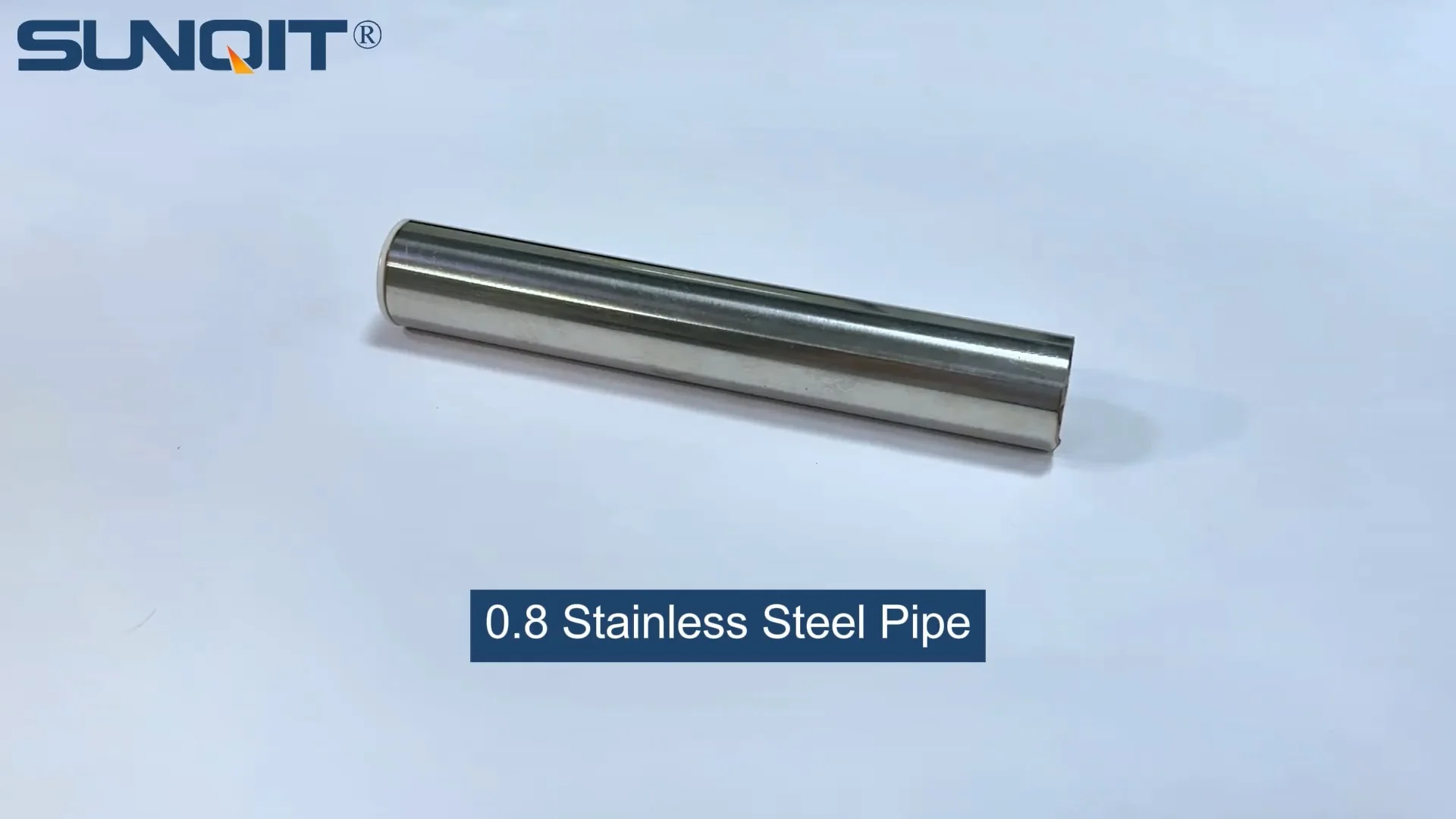
Stainless steel pipe, lean pipe, diameter is 28mm, material is SS201 or SS304, SS201 is normally used in the market. It knows a KARAKURI, KAIZEN material for industrial plant to improve efficiency, save labor cost, standard management.
Walk into any factory in a coastal city or a region with high humidity—say, a electronics assembly plant in Miami or a food processing facility in Singapore—and you'll notice a silent enemy lurking in the air: moisture. It clings to metal surfaces, seeps into joints, and over time, turns sturdy equipment into a patchwork of rust and decay. Just ask Maria, a production supervisor at a automotive parts factory in Houston. Last summer, her team lost three days of production because a galvanized steel conveyor belt, corroded by the factory's humid air and occasional chemical spills, jammed and snapped. "We replaced the pipes twice that year alone," she recalls, shaking her head. "Each time, it felt like throwing money into a rusty bucket." For factory managers like Maria, choosing the right material for pipes—whether they're part of a conveyor system, a workbench frame, or a material rack—isn't just about cost. It's about reliability, safety, and keeping production lines moving when the air feels thick enough to swim through. Today, we're diving into two of the most common options: galvanized steel and 1.2mm stainless steel pipe. Which one stands up better to humidity? Let's find out.
What is Galvanized Steel, and How Does It Hold Up in Humidity?
Galvanized steel has been a factory staple for decades, and for good reason. It's affordable, readily available, and for many years, it was the go-to for fighting corrosion. Here's how it works: regular steel is dipped into a bath of molten zinc, creating a protective layer that acts as a shield between the steel and the environment. Think of it like a raincoat for metal—zinc is more reactive than steel, so when moisture hits, the zinc corrodes first, sacrificing itself to protect the steel underneath. This "sacrificial protection" is why galvanized pipes have been trusted in everything from water lines to warehouse racks.
But in humid factories, that raincoat starts to wear thin. Humidity isn't just water vapor; it's often loaded with other troublemakers: chemicals from cleaning agents, salt in coastal air, or even acids from food processing residues. Over time, these substances eat away at the zinc layer. At first, you might notice small white or gray spots—zinc oxide, the byproduct of zinc corrosion. Then, as the zinc thins, the steel underneath is exposed, and red rust starts to form. "We had a galvanized steel workbench near our washing station," says Raj, a maintenance technician at a beverage bottling plant in Jakarta. "Within six months, the legs were pitting with rust. The tabletop started to warp because the metal weakened, and we had to prop it up with cinder blocks to keep it level. Not exactly safe for workers handling glass bottles."
The bigger problem? Once rust takes hold, it spreads. A small spot on a pipe joint can turn into a gap, causing leaks or structural failure. In conveyor systems, rusted rollers stick, leading to jams and product damage. And in workbenches, corroded frames become unstable, putting workers at risk of injury. For factories running 24/7, the downtime to replace corroded parts adds up fast. "We calculated it once," Maria says. "Each galvanized pipe replacement on our main conveyor took 8 hours of labor and cost $600 in parts. Multiply that by three replacements in a year, and we're talking $1,800 and 24 hours of lost production. That's not counting the overtime we paid to catch up."
1.2mm Stainless Steel Pipe: The Humidity Fighter
Now, let's talk about the other contender: 1.2mm stainless steel pipe. First, that "1.2mm" refers to the thickness of the pipe wall—a sweet spot for balancing strength and weight, making it ideal for everything from conveyor rails to workbench supports. But what really sets stainless steel apart is its composition. Unlike galvanized steel, which relies on a coating, stainless steel is an alloy made with at least 10.5% chromium. When chromium reacts with oxygen in the air, it forms a thin, invisible layer called a "passive film" on the surface. This film acts like a self-healing shield: if it gets scratched or damaged, the chromium in the steel reacts with oxygen again to repair it, preventing rust from taking hold.
In humid environments, this self-healing superpower is a game-changer. Even when exposed to moisture, chemicals, or salt, the passive film stays intact, keeping the steel underneath safe. Take the 1.2mm stainless steel pipe series—a category that includes everything from small-diameter tubes for sensor mounts to larger pipes for heavy-duty conveyor frames. These pipes are designed to thrive in tough conditions. "We switched to 1.2mm stainless steel for our washdown conveyors two years ago," says Tom, a plant manager at a seafood processing facility in Seattle. "The old galvanized ones would rust within months, especially with the saltwater mist from the fish cleaning stations. Now? The stainless steel pipes still look brand new. We wipe them down with a damp cloth at the end of each shift, and that's it. No rust, no jams, no unexpected breakdowns."
The 1.2mm thickness adds another layer of durability. Thinner pipes might bend under heavy loads, but 1.2mm strikes a balance—strong enough to support workbenches stacked with tools or conveyors carrying 50-pound boxes, yet lightweight enough to be easily installed. For factories that need to reconfigure their layouts (a common practice in lean manufacturing), this flexibility matters. "We rearrange our production lines quarterly," Tom adds. "The stainless steel pipes are easy to disassemble and reassemble without worrying about weakening the material. With galvanized steel, we'd always end up with bent or cracked pipes during moves—now, they hold their shape perfectly."

Head-to-Head: Galvanized Steel vs. 1.2mm Stainless Steel Pipe
To really see how these materials stack up, let's break down their key features—from corrosion resistance to long-term value. This isn't just about which one "lasts longer"; it's about which one keeps your factory running smoothly when the humidity dial is stuck on "sticky."
| Feature | Galvanized Steel | 1.2mm Stainless Steel Pipe |
|---|---|---|
| Corrosion Resistance Mechanism | Relies on a zinc coating (sacrificial protection). Zinc corrodes first, but once depleted, steel rusts quickly. | Chromium forms a self-healing passive film. Even if scratched, the film repairs itself when exposed to oxygen. |
| Performance in High Humidity | Zinc coating deteriorates in 1–3 years (faster with chemicals/salt). Steel rusts, leading to leaks/jams. | Passive film remains stable for 10+ years. No rust, even with frequent moisture exposure. |
| Maintenance Needs | Requires regular inspections, rust removal, and touch-up coatings. Frequent replacements. | Minimal maintenance: occasional wiping to remove dirt/chemicals. No coating touch-ups needed. |
| Cost (Short-Term vs. Long-Term) | Lower upfront cost ($2–$5 per foot). High long-term costs due to replacements and downtime. | Higher upfront cost ($8–$12 per foot). Low long-term costs: no replacements, minimal downtime. |
| Safety | Rusted pipes can weaken, leading to structural failures (e.g., collapsing workbenches, jammed conveyors). | Consistent strength over time. No sharp rust flakes, reducing injury risks for workers. |
The table tells a clear story: while galvanized steel might save you money on day one, the hidden costs—downtime, replacements, safety risks—add up fast. 1.2mm stainless steel pipe, on the other hand, is an investment that pays off in reliability. Let's put this in real numbers. Suppose a factory needs 100 feet of pipe for a conveyor system. Galvanized steel costs $3/foot ($300 total), but needs replacement every 2 years. Over 10 years, that's 5 replacements, totaling $1,500—plus labor ($200/installation) and 20 hours of downtime ($5,000 in lost production, assuming $250/hour). Total 10-year cost: $1,500 + $1,000 (labor) + $5,000 (downtime) = $7,500.
Now, 1.2mm stainless steel pipe at $10/foot: $1,000 upfront. No replacements needed in 10 years, minimal labor for installation ($200 once), and zero downtime. Total 10-year cost: $1,000 + $200 = $1,200. That's a $6,300 difference—enough to fund a new piece of equipment or give employees a bonus. "We did this math three years ago," Maria says. "The stainless steel pipes cost more at first, but now? We're saving so much on repairs and downtime that it's like getting a raise for the whole team."
Case Study: How a Lean Pipe Supplier Helped a Bakery Cut Costs by 40%
Let's look at a real-world example. Sweet Delights, a mid-sized bakery in New Orleans, specializes in artisanal bread and pastries. Their production floor is hot and humid—ovens release steam, and the city's subtropical climate keeps humidity levels above 70% year-round. For years, they used galvanized steel pipes to build their workbenches and dough-transfer conveyors. "Every monsoon season, we'd start seeing rust," says Juan, the bakery's operations manager. "The workbench legs would rust through, and the conveyor rollers would seize up. We were replacing parts every 18 months, and once, a rusted conveyor even contaminated a batch of dough—costing us $2,000 in wasted ingredients."
Fed up, Juan reached out to a local lean pipe supplier that specialized in stainless steel solutions. The supplier recommended switching to 1.2mm stainless steel pipe for their workbenches and conveyors. "At first, I hesitated about the cost," Juan admits. "But the supplier walked us through the math: the stainless steel setup would cost $3,500, but we'd save $1,500 a year on replacements and repairs. Within two years, it would pay for itself."
Today, three years later, Sweet Delights hasn't replaced a single stainless steel pipe. "The workbenches are still solid, the conveyors run smoother than ever, and we haven't had a single contamination issue," Juan says. "Last year, our maintenance costs dropped by 40%—money we've reinvested in new ovens. Best decision we ever made."

When to Choose Galvanized Steel (and When to Avoid It)
To be fair, galvanized steel isn't obsolete. It still has a place—in dry environments, for temporary structures, or in low-budget projects where humidity is minimal. For example, a warehouse in Arizona with desert-dry air might get 10+ years out of galvanized pipes. But in humid factories—especially those with food processing, chemicals, or coastal exposure—galvanized steel is a short-term fix. It's like using a band-aid on a deep cut: it works for a while, but eventually, you need stitches.
If you're on the fence, ask yourself: How humid is my factory? (Use a hygrometer to measure—anything above 60% is "high humidity.") Do we use chemicals, salt, or water in production? (These galvanization failure.) How critical is uptime? (If a conveyor breakdown costs $500/hour, stainless steel is a no-brainer.) For most humid factories, the answer will point to 1.2mm stainless steel pipe.
Final Thoughts: Invest in Reliability, Not Repairs
In the battle against humidity, 1.2mm stainless steel pipe isn't just a better material—it's a smarter investment. It's the difference between crossing your fingers and hoping your equipment holds up, and sleeping soundly knowing your pipes will outlast the next five monsoon seasons. It's the difference between Maria's team scrambling to fix a broken conveyor and Tom's team focusing on meeting production goals. It's the difference between a factory that's always playing catch-up and one that's running lean, mean, and rust-free.
So, to all the factory managers, supervisors, and workers out there dealing with the daily grind of humid conditions: don't let rust be your silent productivity killer. Talk to a lean pipe supplier about 1.2mm stainless steel pipe. Do the math, weigh the costs, and remember: the cheapest option today might cost you twice as much tomorrow. Your team, your bottom line, and your peace of mind will thank you.