- Company Articles
- Products and Technology
- Solution
- Gusset Alp 3030: Cost-Effective Solution for Modular Workbench Construction

Gusset Alp 3030: Cost-Effective Solution for Modular Workbench Construction
Related Product
Gusset ALP 3030
The 3030 bracket/Gusset is an external fastening method that creates a 90 degree connection. 3030 means this size is used for 30 series aluminum profile with a quick connection by bolt and nut.
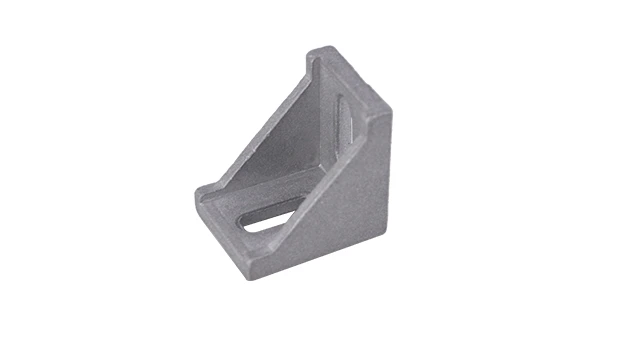
Walk into any workshop, manufacturing plant, or lab, and you'll likely spot a workbench—the quiet backbone of daily operations. It's where ideas take shape, products get assembled, and problems get solved. But not all workbenches are created equal. For years, many businesses have settled for rigid, one-size-fits-all models that look sturdy on day one but become obstacles as needs evolve. What if your workbench could grow with you? What if reconfiguring it didn't mean calling a carpenter or buying a brand-new unit? Enter the world of modular workbenches, and at the heart of this flexibility lies a small but mighty component: the gusset alp 3030. In this article, we'll explore how this unassuming aluminum profile accessory is revolutionizing modular workbench construction, making it more cost-effective, adaptable, and durable than ever before.
The Problem with Traditional Workbenches: Why Rigidity Costs You More
Let's start with the basics. Traditional workbenches are often built from solid wood, steel, or fixed plastic. They're designed to "last forever," but that permanence is a double-edged sword. Imagine you run a small electronics assembly line. Your team starts with assembling smartphones, so your workbench has a specific height, a few shelves for tools, and a static surface. Six months later, you land a contract to assemble larger tablets. Suddenly, the workbench is too low, the shelves are too narrow, and there's no space for the new testing equipment. What do you do? If you're using a traditional workbench, you might have to buy a new one, hire someone to modify the old one (which could cost almost as much as a replacement), or squeeze the new process into an ill-fitting space—slowing down production and frustrating your team.
Then there's the cost factor. A high-quality traditional workbench can set you back hundreds, even thousands, of dollars upfront. And if your business grows or shifts focus? That investment depreciates fast. You're not just paying for materials—you're paying for inflexibility. Over time, those "forever" workbenches become expensive relics, collecting dust in storage or limiting your ability to adapt to new challenges. It's a cycle that eats into your budget and stifles innovation.
Modular Workbenches: The Lean System Approach to Workspace Design
This is where modular workbenches come in. Built on the principles of lean system thinking—maximizing value, minimizing waste, and continuous improvement—modular workbenches are designed to be adaptable. Instead of a single fixed structure, they're made from interchangeable components: aluminum profiles, connectors, shelves, casters, and accessories that can be mixed, matched, and rearranged as needed. Need to raise the height? Swap out the legs. Add a shelf for new tools? Clip it on. Move the workbench to a new area? Attach casters. It's workspace design that keeps up with you, not the other way around.
But here's the catch: modular systems are only as strong as their weakest link. Connecting aluminum profiles might seem simple, but without proper reinforcement, joints can loosen over time, especially under heavy use. A wobbly workbench isn't just annoying—it's a safety hazard. That's where the gusset alp 3030 steps in. This small, unassuming accessory is the secret to turning a collection of aluminum profiles into a rock-solid, reliable workbench that can handle daily wear and tear without losing stability.

What Is Gusset Alp 3030? The Unsung Hero of Modular Stability
Let's break it down. The term "gusset" refers to a plate or bracket used to strengthen the joint between two structural components. In modular construction, where aluminum profiles are connected at angles (like the corners of a workbench frame), gussets distribute weight evenly, preventing the joint from bending or twisting. The "alp 3030" part? That specifies compatibility with 3030 aluminum profile—a standard size in the industry, measuring 30mm by 30mm. So, the gusset alp 3030 is a specialized aluminum gusset plate designed to reinforce connections between 3030 aluminum profiles, ensuring your modular workbench stays sturdy, even when loaded with tools, materials, or heavy equipment.
But what makes the gusset alp 3030 stand out? Let's start with materials. It's made from high-grade aluminum alloy, which strikes the perfect balance between strength and weight. Aluminum is naturally corrosion-resistant, so even in humid workshops or labs, it won't rust or degrade. Unlike steel gussets, which add unnecessary heft, aluminum keeps your workbench lightweight enough to move (if you add casters) but strong enough to handle heavy loads. Most gusset alp 3030 plates are also anodized—a process that adds a protective layer to the aluminum, making it scratch-resistant and even more durable. It's built to last, so you won't be replacing gussets every few months.
Design-wise, the gusset alp 3030 is surprisingly clever. It typically features pre-drilled holes that align perfectly with the T-slots on 3030 aluminum profiles. T-slots are the grooves running along the length of the profile, designed to accept bolts, nuts, and accessories. This means installing a gusset alp 3030 is as simple as placing it over the joint, inserting a bolt through the gusset and into the T-slot, and tightening it with a hex key. No welding, no drilling, no specialized tools. Even someone with minimal DIY experience can do it in minutes. And because it's bolted, not glued or welded, you can easily remove or reposition the gusset if you decide to reconfigure your workbench later. It's flexibility built into every detail.

The Benefits of Using Gusset Alp 3030 in Modular Workbench Construction
Now that we know what the gusset alp 3030 is, let's dive into why it's a game-changer for anyone building or upgrading a modular workbench. From cost savings to durability, the benefits add up quickly.
1. Cost-Effective: Save Now and Save Later
Let's talk numbers. A single gusset alp 3030 costs a fraction of what you'd pay to modify a traditional workbench or replace a wobbly modular setup. Most gussets are priced between $5 and $15, depending on the brand and material thickness. When you factor in how much they extend the life of your modular workbench, the ROI is clear. Instead of buying a new workbench every time your needs change, you can reuse your aluminum profiles and just swap out accessories—with the gusset alp 3030 ensuring those profiles stay strong for years. Over time, this reduces your long-term costs significantly. Think of it as an insurance policy for your modular investment: a small upfront cost that prevents big expenses down the line.
2. Unmatched Flexibility, Without Sacrificing Stability
Modular workbenches are all about flexibility, but that flexibility shouldn't come at the expense of stability. Without proper reinforcement, even the best aluminum profile joints can loosen, especially if you're moving the workbench or placing heavy items on it. The gusset alp 3030 solves this by locking the joint in place. It acts like a bridge between two profiles, distributing weight evenly and preventing the joint from twisting. This means you can configure your workbench in almost any shape—L-shape, U-shape, straight line—without worrying about it wobbling mid-task. Want to add a cantilevered shelf for extra storage? The gusset alp 3030 will keep it from sagging. Need to mount a vice or a power tool to the bench? The reinforced joints can handle the vibration and pressure. It's flexibility with confidence.
3. Durable and Low-Maintenance: Built for the Long Haul
Aluminum is already known for its durability, but the gusset alp 3030 takes it a step further. Anodized aluminum resists scratches, corrosion, and even chemical spills—perfect for workshops, labs, or manufacturing environments where messes happen. Unlike wood, it won't warp or rot. Unlike steel, it won't rust. And because it's bolted into place, there's no glue to dry out or welds to crack. Maintenance? It couldn't be simpler. Wipe it down with a damp cloth if it gets dirty, and check the bolts occasionally to make sure they're tight (though aluminum's low thermal expansion means they'll stay snug longer than you might think). This durability means your modular workbench will keep up with your business for years, not just months.
4. Easy to Install: No Expertise Required
You don't need to be a professional builder to use a gusset alp 3030. The beauty of modular systems is their simplicity, and the gusset is no exception. Most come with pre-drilled holes that line up perfectly with 3030 aluminum profile T-slots. All you need is a hex key (or a screwdriver, depending on the bolt type) and a few minutes. No welding torches, no saws, no complicated measurements. Even if you're new to modular construction, you can reinforce a joint in under five minutes. This ease of installation saves you time and money—no need to hire a contractor or spend hours watching tutorials. It's DIY-friendly, which is a huge plus for small businesses or teams with limited resources.
Real-World Impact: How Gusset Alp 3030 Transformed a Small Manufacturing Workshop
To put this into perspective, let's look at a real example. Meet Maria, the owner of a small custom furniture workshop in Chicago. A few years ago, Maria was using traditional wooden workbenches. When she started taking on larger projects—like dining tables and bookshelves—she realized her workbenches were too short and lacked storage for her growing collection of clamps and power tools. She considered buying new steel workbenches but was sticker-shocked by the $2,000 price tag for a single unit. Instead, she researched modular systems and decided to build her own using 3030 aluminum profiles, accessories, and gusset alp 3030 plates.
Maria's first modular workbench cost around $400 in materials: aluminum profiles, a plywood top, casters, and a handful of gusset alp 3030 plates to reinforce the corners and shelf brackets. "At first, I was worried it would feel flimsy compared to wood," she says. "But once I added the gussets? It was rock-solid. I could stand on the shelf (not that I recommend it!) and it didn't budge." A year later, Maria expanded her workshop and needed to add two more workbenches. Instead of starting from scratch, she reused the profiles from her first bench, bought a few new pieces, and added more gussets. Total cost for the second and third benches? Under $300 combined. "The gussets made all the difference," she explains. "I can rearrange the shelves, lower the height for certain projects, even move the benches around with the casters. And when I take on a huge project, I just connect all three benches into one long surface. It's like having a custom workspace that grows with me, without the custom price tag."
Gusset Alp 3030 vs. Traditional Reinforcement: A Comparison
You might be wondering: Why not just use angle brackets or steel plates instead of a gusset alp 3030? It's a fair question. Let's compare the gusset alp 3030 to two common alternatives to see why it's the better choice for modular workbenches.
| Feature | Gusset Alp 3030 | Steel Angle Brackets | Wooden Braces |
|---|---|---|---|
| Material | Anodized aluminum alloy | Steel (prone to rust) | Wood (prone to warping/rot) |
| Weight | Lightweight (50-100g per gusset) | Heavy (200-300g per bracket) | Moderate (varies by size) |
| Compatibility with Aluminum Profiles | Designed for 3030 profiles; T-slot friendly | Requires drilling holes in profiles; not T-slot compatible | Not compatible with aluminum; requires screws/nails |
| Installation Time | 5 minutes or less (no drilling) | 15-20 minutes (requires drilling, bolts) | 30+ minutes (cutting, screwing, gluing) |
| Reusability | 100% reusable; easy to remove and reposition | Reusable but may damage profiles when removed | Not reusable (wood can split when screws are removed) |
| Long-Term Durability | 5+ years (corrosion-resistant, scratch-proof) | 3-4 years (rusts in humid environments) | 1-2 years (warping, rot, insect damage) |
| Cost (per unit) | $5-$15 | $8-$20 | $3-$10 (but higher labor cost) |
As the table shows, the gusset alp 3030 outperforms traditional alternatives in almost every category. It's lighter than steel, more durable than wood, easier to install than both, and fully reusable. For modular workbench construction—where flexibility and longevity are key—there's no comparison.
How to Choose the Right Gusset Alp 3030 for Your Workbench
Not all gusset alp 3030 plates are created equal. When shopping for one, keep these factors in mind to ensure you get the best fit for your needs:
Material Thickness: Thicker gussets (2mm or more) offer more strength, which is ideal for heavy-duty workbenches (e.g., those holding machinery or tools). Thinner gussets (1-1.5mm) are sufficient for lighter tasks, like assembly or packaging.
Anodization: Look for anodized aluminum gussets. Anodization adds a protective layer that resists corrosion and scratches—critical for workshops with moisture, chemicals, or frequent use.
Hole Pattern: Ensure the gusset's pre-drilled holes align with your 3030 aluminum profile's T-slot spacing. Most 3030 profiles have T-slots every 30mm, so check the gusset specs to confirm compatibility.
Brand Reputation: Stick to reputable suppliers who specialize in aluminum profile accessories. Cheap, off-brand gussets may use lower-grade aluminum or imprecise hole drilling, which can weaken joints or make installation a hassle.
Building Your Modular Workbench: A Step-by-Step Guide with Gusset Alp 3030
Ready to build your own modular workbench with gusset alp 3030? Here's a simple, step-by-step guide to get you started:
Step 1: Plan Your Workbench Layout
Measure your workspace and sketch your ideal workbench. Consider height (standard is 36-40 inches, but adjust for your team), width (typically 24-36 inches), depth (18-24 inches), and any accessories (shelves, casters, tool hooks). Don't forget to account for movement—leave space around the bench for easy access.
Step 2: Gather Materials
You'll need: 3030 aluminum profiles (cut to your desired lengths for legs, frame, and shelves), gusset alp 3030 plates (1-2 per joint, depending on load), T-slot bolts and nuts, a workbench top (plywood, MDF, or aluminum), casters (optional), and any accessories (shelves, tool rails). Most aluminum profile suppliers sell pre-cut profiles, or you can cut them yourself with a hacksaw or miter saw.
Step 3: Assemble the Frame
Start with the base frame: connect four leg profiles to two horizontal profiles (front and back) using corner brackets. Then, reinforce each corner joint with a gusset alp 3030—place the gusset over the joint, insert T-slot bolts through the gusset's holes and into the profile T-slots, and tighten with a hex key. Repeat for the top frame (connecting the legs at the top) and any shelf frames.
Step 4: Add the Workbench Top
Place your workbench top on the frame and secure it using bolts or clips (many aluminum profiles have T-slots on top for easy mounting). If using wood, pre-drill holes to avoid splitting.
Step 5: Install Accessories
Add shelves, casters, or tool rails by connecting them to the frame with brackets and reinforcing with gusset alp 3030 if needed (e.g., for heavy shelves). Test the stability by gently shaking the bench—if it wobbles, check the bolts and add more gussets to weak joints.
Step 6: Enjoy Your Custom Workbench!
Stand back and admire your handiwork. You've built a workbench that's strong, flexible, and tailored to your needs—all thanks to the gusset alp 3030.
Maintaining Your Modular Workbench: Tips for Longevity
To keep your modular workbench (and gusset alp 3030) in top shape, follow these simple maintenance tips:
Clean Regularly: Wipe down the aluminum profiles and gussets with a damp cloth to remove dust, grease, or spills. For tough stains, use mild soap and water—avoid harsh chemicals that can damage the anodization.
Check Bolts Monthly: Over time, bolts can loosen with vibration. Spend a minute each month tightening them with a hex key to keep joints secure.
replace Worn Parts: If a gusset becomes bent or a bolt strips, replace it immediately. Most suppliers sell replacement parts for a few dollars, so it's a small fix to prevent bigger issues.
Avoid Overloading: While gusset alp 3030 strengthens joints, every workbench has a weight limit. Check the load capacity of your aluminum profiles and don't exceed it—this prevents bending or warping.
Conclusion: Gusset Alp 3030—Small Part, Big Impact
In the world of modular workbench construction, the gusset alp 3030 is proof that great things come in small packages. This unassuming aluminum accessory transforms a collection of profiles into a sturdy, flexible workspace that adapts to your needs, saves you money, and stands the test of time. Whether you're a small business owner like Maria, a lab manager, or a hobbyist building a garage workshop, the gusset alp 3030 is the key to unlocking the full potential of modular design.
So, the next time you're frustrated with a rigid, outdated workbench, remember: you don't need to replace it—you just need to rethink how it's built. With modular systems and the right accessories like the gusset alp 3030, your workbench can be more than a piece of furniture. It can be a tool for growth, a partner in innovation, and a reflection of your commitment to efficiency and adaptability. After all, in today's fast-paced world, the best workbenches aren't the ones that last forever—they're the ones that evolve with you.