Walk into any modern manufacturing facility, and you'll quickly spot the unsung heroes of efficient production: aluminum frames. These structures—supporting workbenches, material racks, and
conveyor systems—are the backbone of lean manufacturing, designed to cut waste, streamline workflows, and keep operations running like well-oiled machines. But what holds these frames together, ensuring they're sturdy enough for daily use yet flexible enough to adapt to changing needs? Enter the
Gusset Alp 3030. This small but critical
aluminum profile accessory might not grab headlines, but it's the quiet force that turns basic aluminum profiles into reliable, long-lasting structures. In this article, we'll dive deep into what the
Gusset Alp 3030 is, how it works, and why it's indispensable for anyone building or maintaining lean manufacturing systems.
What is Gusset Alp 3030? A Closer Look at the Basics
Let's start with the basics: the name itself. "Gusset" refers to a flat or angled piece of material used to reinforce joints, adding strength where two or more parts meet. "Alp" likely stands for "
Aluminum Profile," highlighting its role in aluminum-based structures. The "3030"? That's a nod to its primary partner: 3030 aluminum profiles, the workhorses of industrial framing, named for their 30mm x 30mm cross-section. So, put simply, the
Gusset Alp 3030 is a specialized reinforcement plate designed to strengthen connections between 3030 aluminum profiles, ensuring the frame can handle the rigors of daily manufacturing life.
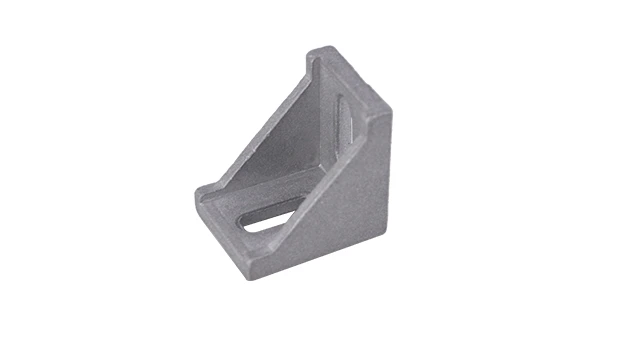
At first glance, it might look like a simple metal bracket, but its design is anything but basic. Most
Gusset Alp 3030 components are made from high-grade aluminum alloy—typically 6063 T5, a material prized for its balance of strength, lightweight, and corrosion resistance. This alloy is heat-treated to enhance durability, making it ideal for industrial environments where frames might face heavy loads, frequent adjustments, or exposure to oils, dust, or moisture. The gusset itself is usually shaped like a right triangle or a flat plate with pre-drilled holes, designed to fit snugly against the corners or flat surfaces of 3030 profiles. These holes align with the T-slots on the aluminum profiles, allowing for easy installation with bolts, nuts, or T-slot fasteners—no welding required.
Design and Function: Why Shape and Size Matter
The
Gusset Alp 3030's design is a masterclass in practical engineering. Let's break down its key features and how they contribute to its role in lean manufacturing systems:
Shape:
Most
Gusset Alp 3030 models are triangular, with two legs that attach to adjacent aluminum profiles (e.g., at a 90-degree corner) and a reinforcing web connecting them. This triangular shape is no accident—triangles are inherently stable, distributing stress evenly across the joint. Some variants are flat plates, used to reinforce straight connections (e.g., where two profiles meet end-to-end) or to add extra support to long spans. For example, a flat
Gusset Alp 3030 might be used to connect two 3030 profiles in a straight line on a
workbench, preventing sagging under the weight of tools or materials.
Size and Thickness:
While dimensions can vary by manufacturer, a standard
Gusset Alp 3030 typically measures around 30mm in leg length (matching the width of the 3030 profile) and 3-5mm in thickness. Thicker gussets are available for heavy-duty applications, like material racks holding bulky components, while thinner ones work for lighter setups, such as small workbenches. The thickness directly impacts load capacity: a 5mm gusset can often support more weight than a 3mm one, making it a critical consideration when designing a frame.
Pre-Drilled Holes and T-Slot Compatibility:
The real magic of the
Gusset Alp 3030 lies in its compatibility with T-slot aluminum profiles. 3030 profiles have longitudinal T-shaped grooves along their length, which allow accessories like gussets, brackets, and panels to be attached without drilling new holes. The
Gusset Alp 3030's pre-drilled holes align perfectly with these T-slots, so you can secure it using T-slot bolts or nuts. This not only speeds up installation but also makes reconfiguration a breeze—if you need to adjust the frame later, simply loosen the bolts, move the gusset, and retighten. In lean manufacturing, where adaptability is key, this flexibility is a game-changer.

Gusset Alp 3030 vs. Other Gussets: How It Stacks Up
The
Gusset Alp 3030 isn't the only gusset out there.
Aluminum profile systems come in various sizes—2020, 4040, 4080, etc.—each with its own gusset. So, what makes the 3030 variant stand out? Let's compare it to two common counterparts: the
Gusset Alp 2020 (for 20mm x 20mm profiles) and the
Gusset Alp 4040 (for 40mm x 40mm profiles) in the table below:
|
Feature
|
Gusset Alp 2020
|
Gusset Alp 3030
|
Gusset Alp 4040
|
|
Profile Compatibility
|
20mm x 20mm profiles
|
30mm x 30mm profiles
|
40mm x 40mm profiles
|
|
Typical Thickness
|
2-3mm
|
3-5mm
|
4-6mm
|
|
Load Capacity (Estimated)
|
Up to 50kg per joint
|
Up to 150kg per joint
|
Up to 300kg per joint
|
|
Common Applications
|
Small shelves, light-duty workbenches, display racks
|
Standard workbenches, material racks, conveyor frames
|
Heavy-duty material racks, industrial machinery frames
|
|
Weight
|
Lightest
|
Balanced (lightweight but strong)
|
Heaviest
|
As the table shows, the
Gusset Alp 3030 hits a sweet spot between the lightweight
Gusset Alp 2020 and the heavy-duty
Gusset Alp 4040. It's strong enough for most standard manufacturing tasks—think workbenches where assemblers put together electronics, material racks with 3-row, 3-floor setups (like Material Rack B, a common
lean system component), or
conveyor frames moving parts between stations. Yet it's not so heavy that it adds unnecessary bulk, keeping the frame lightweight and easy to maneuver if needed. This balance makes it the go-to choice for many lean manufacturing setups, where versatility and efficiency are top priorities.

Real-World Applications: Where Gusset Alp 3030 Shines
To truly understand the value of the
Gusset Alp 3030, let's look at how it's used in everyday lean manufacturing environments. From workbenches to material racks, this little gusset plays a big role in keeping operations running smoothly.
Workbenches: The Heart of Assembly Lines
Walk into any assembly line, and you'll find workbenches everywhere—they're where the magic happens, from assembling circuit boards to packaging finished products. A typical
workbench (like
Workbench E, a single-deck model without casters) relies on a frame made of 3030 aluminum profiles. The corners of this frame are prime spots for stress: every time an operator leans on the bench, places tools on it, or sets down a heavy component, the joints take the brunt of the force. Without reinforcement, these joints could loosen over time, leading to a wobbly bench that hinders productivity or even causes safety issues.
Enter the
Gusset Alp 3030. By attaching triangular gussets at each corner of the
workbench frame, manufacturers ensure the joints stay tight and stable. Even better, if the
workbench needs to be modified—say, adding a shelf or extending the length—the gussets can be repositioned or additional ones added, all without welding or drilling. This adaptability is crucial in lean systems, where workbenches often need to evolve with changing production needs.
Material Racks: Organizing Inventory Efficiently
Material racks (like Material Rack B, a 3-row, 3-floor setup) are another staple of lean manufacturing, used to store raw materials, work-in-progress, and finished goods. These racks need to hold multiple levels of items, from small components to heavier boxes, so stability is non-negotiable. A single loose joint could lead to a rack collapse, risking damage to inventory or injury to workers.
Gusset Alp 3030s are used here to reinforce the vertical posts and horizontal beams of the rack. For example, where a horizontal beam meets a vertical post, a triangular gusset is bolted to both, preventing the beam from pulling away under the weight of stored items. Flat gussets might also be used along the length of long beams to prevent sagging, ensuring the rack remains level and secure. In busy warehouses, where racks are loaded and unloaded daily, this reinforcement is what keeps operations running without interruptions.
Conveyor Frames: Keeping Products Moving
Conveyors are the arteries of lean manufacturing, moving products from one station to the next. Whether it's a
roller conveyor,
belt conveyor, or
chain conveyor, the frame supporting it must be rigid enough to handle the constant motion of products without shaking or shifting. The
Gusset Alp 3030 comes into play here by reinforcing the joints of the
conveyor frame, especially at corners and where the frame connects to supports. For instance, a
roller conveyor with a 3030 profile frame might use gussets at the base of each vertical support, ensuring the entire structure stays steady even when heavy items roll over it. This stability is key to preventing jams, which can bring an entire production line to a halt—exactly what lean manufacturing aims to avoid.
Installation Tips: Getting the Most Out of Your Gusset Alp 3030
Installing a
Gusset Alp 3030 is relatively straightforward, but a few best practices can ensure you get the strongest, most durable joint possible. Here's a step-by-step guide to help you do it right:
1. Gather Your Tools and Materials
You'll need: the
Gusset Alp 3030(s), 3030 aluminum profiles, T-slot bolts (matching the slot size of your profiles), T-slot nuts, a hex key (Allen wrench), and a level (to ensure the frame is straight before tightening). Optional: thread-locking fluid to prevent bolts from loosening over time, especially in high-vibration environments.
2. Align the Profiles and Mark the Joint
Start by positioning the aluminum profiles where they'll meet (e.g., a corner or straight joint). Use a level to ensure they're aligned correctly—crooked profiles will lead to uneven stress on the gusset. Once aligned, mark where the gusset will go, making sure its holes line up with the T-slots of both profiles.
3. insert T-Slot Nuts into the Profiles
Slide T-slot nuts into the T-slots of the profiles, positioning them under the holes of the gusset. Most T-slot nuts have a spring-loaded ball or friction pad that holds them in place temporarily, so you won't have to hold them while attaching the gusset.
4. Attach the Gusset and Tighten the Bolts
Place the
Gusset Alp 3030 over the joint, aligning its holes with the T-slot nuts. insert T-slot bolts through the gusset's holes and into the nuts, then tighten them with the hex key. Be careful not to over-tighten—aluminum can strip if bolts are cranked too hard. A good rule of thumb is to tighten until snug, then give a quarter-turn more.
5. Test the Joint
Once installed, gently shake or apply pressure to the joint to check for movement. If it wobbles, double-check the alignment of the gusset and bolts, and retighten if needed. For heavy-duty applications, consider using two gussets per joint (one on each side of the profiles) for extra strength.
Pro Tip:
If you're building a frame with multiple joints, install and tighten all gussets loosely first, then go back and fully tighten them once the entire frame is assembled. This allows the frame to "settle" into alignment before final tightening, ensuring even stress distribution.
Why Gusset Alp 3030 Matters for Lean Manufacturing
Lean manufacturing is all about eliminating waste—whether it's wasted time, wasted materials, or wasted effort. The
Gusset Alp 3030 supports this mission in three key ways:
1. Reducing Downtime with Durable Joints
A loose or failed joint can bring production to a halt while repairs are made. By reinforcing joints with Gusset Alp 3030s, manufacturers minimize the risk of unexpected breakdowns, keeping lines running smoothly. This reliability translates to less downtime, more output, and lower maintenance costs—all hallmarks of lean efficiency.
2. Enabling Quick Reconfiguration
In traditional manufacturing, changing a
workbench or rack often meant cutting and welding new metal, a time-consuming process that generates waste. With
Gusset Alp 3030 and T-slot profiles, reconfiguration is as simple as loosening bolts, adjusting the frame, and retightening. Need to shorten a
workbench for a new product line? Move the gussets. Want to add a shelf to a material rack? Bolt on a new beam and reinforce it with a gusset. This flexibility lets manufacturers adapt to changes in demand, product design, or workflow without starting from scratch.
3. Lowering Long-Term Costs
While the upfront cost of aluminum profiles and gussets might be higher than basic steel framing, the long-term savings are significant. Aluminum is resistant to corrosion, so frames last longer with less maintenance. The ability to reuse components (like gussets) when reconfiguring frames reduces material waste. And because installation and modification are tool-free (no welding or drilling), labor costs are lower too. Over time, these savings add up, making
Gusset Alp 3030 a smart investment for lean-focused businesses.
Looking Ahead: The Future of Gusset Alp 3030 in Lean Systems
As manufacturing continues to evolve—with trends like smart factories, automation, and modular production on the rise—the
Gusset Alp 3030 is poised to play an even bigger role. Here's what we might see in the years ahead:
Integration with Smart Manufacturing:
Imagine a
workbench frame equipped with sensors that monitor joint stress or vibration. If a
Gusset Alp 3030 joint starts to loosen, the sensor could send an alert to maintenance staff, allowing them to fix it before it fails. While this is still in the early stages, the compatibility of aluminum profiles with IoT devices (thanks to T-slots for easy sensor mounting) makes it a real possibility.
Advanced Materials:
Manufacturers are constantly developing stronger, lighter aluminum alloys. Future Gusset Alp 3030s might use these alloys, offering even higher load capacities with less weight. We could also see gussets with integrated features, like built-in cable management clips or mounting points for tools, further streamlining frame design.
Customization for Niche Applications:
As lean systems become more specialized—think medical device manufacturing or aerospace assembly—we'll likely see custom
Gusset Alp 3030 designs tailored to unique needs. For example, gussets with curved edges for cleanroom environments, or heat-resistant variants for high-temperature production lines.
Final Thoughts: The Unsung Hero of Lean Framing
In the world of lean manufacturing, it's easy to focus on big-ticket items like
conveyor systems or automated machinery. But as we've explored, success often lies in the details—the small components that hold everything together. The
Gusset Alp 3030 is one such detail: a simple yet powerful accessory that turns basic aluminum profiles into sturdy, adaptable frames. Whether it's reinforcing a
workbench, stabilizing a material rack, or supporting a
conveyor, this unassuming gusset ensures lean systems are efficient, durable, and ready to evolve.
So, the next time you walk through a manufacturing facility, take a moment to look at the aluminum frames around you. Chances are, there's a
Gusset Alp 3030 hard at work, quietly keeping the operation running smoothly. And that, in a nutshell, is the beauty of lean manufacturing: every component, no matter how small, has a purpose—and when they all work together, the results are transformative.
