- Company Articles
- Products and Technology
- Installation And Maintenance
- Gusset Alp 3030 Installation Tools: What You Need for Proper Assembly

Gusset Alp 3030 Installation Tools: What You Need for Proper Assembly
Related Product
Gusset ALP 3030
The 3030 bracket/Gusset is an external fastening method that creates a 90 degree connection. 3030 means this size is used for 30 series aluminum profile with a quick connection by bolt and nut.
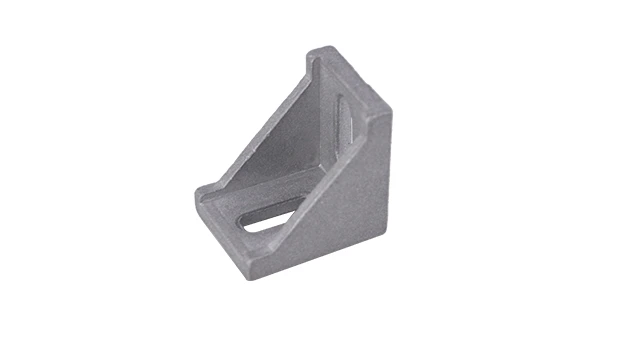
If you've ever tackled a project with aluminum profiles, you know the difference between a wobbly, frustrating setup and a rock-solid, professional result often comes down to two things: the quality of your components and the tools you use to put them together. When it comes to Gusset Alp 3030 —a key component in sturdy, modular structures like workbenches, racks, and material handling systems—skimping on the right tools isn't just a hassle; it can compromise safety, durability, and even the functionality of your final build. Whether you're a seasoned fabricator or a DIY enthusiast assembling your first aluminum frame, having the right installation tools on hand will turn a tedious task into a smooth, satisfying process. Let's dive into the essential tools you need, why they matter, and how to use them to get the most out of your Gusset Alp 3030 and accompanying aluminum profile accessories .
Why the Right Tools Make All the Difference
Aluminum profiles are beloved for their versatility, lightweight strength, and modularity—qualities that make them a staple in workshops, factories, and even home garages. But their precision-engineered T-slots, connectors, and components like 3030 aluminum profile end cap s demand equally precise tools. Imagine trying to tighten a hex bolt with a Phillips screwdriver, or aligning a gusset without a measuring tape—you'd end up with misaligned parts, stripped threads, or a structure that sways at the slightest touch. Worse, sharp, deburred edges from poorly prepared profiles could snag materials or even cut hands. The good news? With the right tools, assembling Gusset Alp 3030 and aluminum profiles becomes straightforward, even enjoyable. Let's break down the must-haves.
Essential Installation Tools for Gusset Alp 3030
Below is a breakdown of the tools you'll reach for again and again when working with Gusset Alp 3030, along with why they're critical and how to use them effectively. We've also included a handy table to keep track of their purposes and pro tips.
| Tool | Purpose | Pro Tips for Gusset Alp 3030 |
|---|---|---|
| Hex Key Set (Metric) | Tightening/loosening hex-head fasteners on gussets and aluminum profile connector s | Opt for a set with ball-end tips—they allow angled access in tight corners, perfect for Gusset Alp 3030's compact design. |
| Torque Wrench (Adjustable) | Ensuring fasteners are tightened to the correct tension (prevents over/under-tightening) | Set to 4-6 Nm for aluminum profiles—too much torque can strip threads; too little leads to wobble. |
| Digital Measuring Tape | Precisely marking hole positions and aligning Gusset Alp 3030 with profiles | Use the "hold" function to lock measurements—no more squinting at a moving tape while marking! |
| Deburring Tool | Smoothing sharp edges on cut aluminum profiles (prevents cuts and ensures tight fits) | Run the tool lightly along both the inner and outer edges of cut profiles—you'll feel the difference when sliding on 3030 aluminum profile end cap s. |
| Rubber Mallet | Gently seating components (like gussets or connectors) into T-slots without damaging aluminum | Tap near the joint, not directly on the Gusset Alp 3030 itself—focus on the profile to avoid bending the gusset. |
| Spirit Level (24-inch or Longer) | Checking horizontal/vertical alignment during assembly | Place it across the top of your frame at multiple points—aluminum's rigidity means even a tiny misalignment early on grows as you build upward. |
Let's Dig Deeper: Why Each Tool Matters
Hex Key Set (Metric): Aluminum profiles, including those paired with Gusset Alp 3030, almost exclusively use metric hex-head fasteners. A standard SAE set won't fit, and using the wrong size can round off the bolt heads, making disassembly a nightmare later. Look for a set with sizes ranging from 2mm to 8mm—most Gusset Alp 3030 connections use 4mm or 5mm bolts. Pro tip: Magnetic hex keys are a game-changer; they hold the bolt in place while you align it with the T-slot, saving you from fumbling under the frame.
Torque Wrench: Aluminum is strong but softer than steel, so over-tightening fasteners is a common pitfall. A torque wrench takes the guesswork out—set it to the manufacturer's recommended tension (usually 4-6 Nm for 3030 profiles) and you'll feel a satisfying "click" when it's tight enough. Under-tightening, on the other hand, leads to creaky, unstable structures. Ever built a shelf that wobbles when you place a box on it? Chances are, the bolts weren't torqued properly. For Gusset Alp 3030, which reinforces joints, consistent tension across all fasteners ensures even weight distribution.
Digital Measuring Tape: Precision is non-negotiable with modular aluminum systems. A 1/8-inch misalignment when attaching Gusset Alp 3030 can throw off the entire frame, making it impossible to fit accessories like adjustable leveling feet later. A digital tape lets you mark exact positions for bolt holes or gusset placement, and many models even calculate distances between marks automatically. When measuring, always start from the same end of the profile to avoid cumulative errors—this is especially important for multi-section builds like workbenches or racks.
Deburring Tool: Cutting aluminum profiles (even with a clean saw) leaves tiny burrs—sharp, ragged edges that can slice hands or prevent components from seating flush. A deburring tool, which looks like a small handle with a rotating blade, smooths these edges in seconds. Run it along the inner T-slot and outer edges of cut profiles before assembly. You'll notice the difference when sliding a 3030 aluminum profile end cap onto the end—it'll glide on instead of catching, and you won't risk tearing gloves or skin during handling.
Rubber Mallet: Sometimes, components like aluminum profile connector s or gussets need a little nudge to seat fully into T-slots. A metal hammer is too harsh—it can dent or scratch the aluminum finish. A rubber mallet delivers gentle, even force. When attaching Gusset Alp 3030, tap the profile near the joint (not the gusset itself) to avoid bending the thin aluminum plate. Think of it like coaxing a puzzle piece into place—firm but patient taps work better than brute strength.
Spirit Level: A level might seem obvious, but it's surprising how many people skip this step, assuming "eyeballing it" is good enough. Aluminum frames are rigid, so a frame that's slightly off-level during assembly will stay that way. For example, if you're building a workbench with Gusset Alp 3030, a 1-degree tilt can make tools slide off the surface or cause uneven wear on adjustable leveling feet . Use the level after attaching each major component—check both horizontally (left to right) and vertically (front to back) to ensure your structure is true.

Step-by-Step Assembly: Using Your Tools with Gusset Alp 3030
Now that you've got your tools ready, let's walk through assembling a basic frame with Gusset Alp 3030. We'll use a simple 3030 aluminum profile workbench frame as an example, incorporating common aluminum profile accessories like end caps and connectors.
Step 1: Prep Your Components
Start by laying out all your parts: 3030 aluminum profiles (cut to your desired length), Gusset Alp 3030 plates, aluminum profile connector s (we'll use 90° angle connectors here), 3030 aluminum profile end cap s, and hex bolts. Take a minute to inspect each profile—run your finger along the edges to check for burrs (if you feel any, grab your deburring tool and smooth them out). This is also a good time to clean the T-slots with a dry cloth to remove dust or debris that might block connectors.
Step 2: Measure and Mark Bolt Positions
Using your digital measuring tape, mark where the Gusset Alp 3030 will attach to the profiles. Most gussets have pre-drilled holes, so align the gusset with the end of the profile and mark the hole centers on the profile's T-slot. Pro tip: Use a pencil (not a permanent marker) in case you need to adjust—aluminum is easy to erase from, but permanent ink can stain. Measure twice here—even a 1mm mistake can make the gusset sit crookedly.
Step 3: insert Connectors and Align Gusset
Slide the 90° aluminum profile connector s into the T-slots of your vertical profiles (the legs of the workbench). Position them so the threaded holes align with your marked bolt positions. Then, place the Gusset Alp 3030 over the connector, ensuring the gusset's holes line up with the connector's threads. This is where your magnetic hex key comes in handy—hold the bolt with the key, guide it into the hole, and hand-tighten it just enough to hold the gusset in place (you'll torque it later).
Step 4: Secure the Gusset with Torque
Attach your torque wrench to the hex key (or use a torque screwdriver if you have one) and set it to 5 Nm (check your connector's specs—some may recommend 4 Nm). Slowly tighten the bolt until you hear the wrench "click," indicating you've reached the desired torque. Repeat this for all bolts on the gusset—remember to tighten them in a crisscross pattern (like tightening lug nuts on a car) to ensure even pressure. This prevents warping the gusset or pulling the connector out of alignment.
Step 5: Add End Caps and Level the Frame
Once the gusset is secure, slide the 3030 aluminum profile end cap s onto the open ends of the profiles. They should fit snugly—if they're loose, check for leftover burrs (a quick pass with the deburring tool usually fixes this). Next, attach adjustable leveling feet to the bottom of the vertical profiles. Place the frame upright and use your spirit level to check for level. If it's tilting, twist the leveling feet clockwise to raise that corner or counterclockwise to lower it. Keep adjusting until the bubble in the level stays centered in both horizontal and vertical checks.
Step 6: Test for Stability
Give the frame a gentle shake—if it wobbles, double-check the torque on the gusset bolts (they might have loosened during leveling) or the alignment of the connectors. A stable frame should feel solid, with no creaking or shifting. If you're building a larger structure, repeat these steps for each joint, adding gussets where extra support is needed (like corners or mid-length spans on long profiles).

Common Mistakes to Avoid (and How to Fix Them)
Even with the right tools, small missteps can lead to big headaches. Here are the most common mistakes we see when assembling Gusset Alp 3030—and how to troubleshoot them.
Mistake 1: Over-Tightening Bolts
Aluminum threads are softer than steel, so cranking a bolt until it "can't turn anymore" often strips the threads. If you feel resistance beyond the torque wrench's click, stop! Stripped threads mean you'll need to replace the connector (a costly hassle). Fix: Use a thread repair kit (like a helicoil) for minor damage, or replace the connector if the threads are too far gone.
Mistake 2: Skipping the Deburring Tool
Sharp edges don't just cut hands—they can also prevent aluminum profile accessories like end caps from seating properly. If your end cap won't slide on, check the profile end with your finger. Fix: Grab your deburring tool and run it around the inner and outer edges for 5-10 seconds. The cap should slide on smoothly afterward.
Mistake 3: Misaligned T-Slots
If the Gusset Alp 3030 sits at an angle or the holes don't line up with the connector, you probably marked the bolt positions incorrectly. Fix: Loosen the bolts, adjust the gusset until it's straight, and re-mark the positions. Use the edge of the gusset as a guide to align it parallel with the profile's edge—this ensures the T-slots line up.
Mistake 4: Ignoring the Spirit Level
A frame that's off-level might not seem like a big deal at first, but over time, uneven weight distribution can bend profiles or wear out adjustable leveling feet . Fix: Loosen the leveling feet, adjust until level, then re-tighten any bolts that might have shifted during adjustment.
Maintaining Your Gusset Alp 3030 Structure
Once your assembly is complete, a little maintenance will keep it sturdy for years. Aluminum profiles are corrosion-resistant, but aluminum profile accessories like connectors and bolts can loosen over time (thanks to temperature changes or vibrations). Every 3-6 months, grab your hex key and torque wrench and do a quick check—re-tighten any bolts that feel loose. Wipe down the profiles with a damp cloth to remove dust and grime, and if you notice a 3030 aluminum profile end cap starting to crack, replace it promptly (a missing end cap leaves the profile open to water or debris, which can cause internal corrosion).
Final Thoughts: Confidence in Every Connection
Assembling with Gusset Alp 3030 doesn't have to be intimidating. With the right tools—hex keys, torque wrench, measuring tape, deburring tool, rubber mallet, and level—and a little patience, you'll create structures that are not only strong and stable but also a joy to use. Remember, the goal isn't perfection on the first try—it's learning to troubleshoot, adjust, and refine as you go. And when you stand back and see that wobble-free frame, held together by properly installed Gusset Alp 3030 and aluminum profile accessories , you'll know the time invested in the right tools was worth it.
So grab your tool kit, lay out your profiles, and let's build something great—one precise bolt, one level check, and one perfectly seated gusset at a time.