- Company Articles
- Products and Technology
- Installation And Maintenance
- Gusset Alp 3030 Maintenance Tips: Keeping Brackets in Top Condition

Gusset Alp 3030 Maintenance Tips: Keeping Brackets in Top Condition
Related Product
Gusset ALP 3030
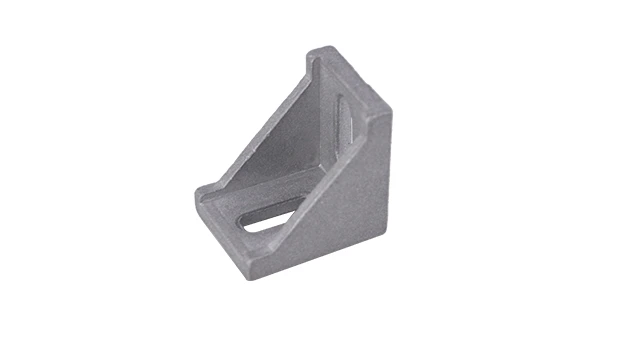
The 3030 bracket/Gusset is an external fastening method that creates a 90 degree connection. 3030 means this size is used for 30 series aluminum profile with a quick connection by bolt and nut.
Walk into any busy workshop, manufacturing floor, or warehouse, and you'll likely spot rows of sturdy aluminum structures—workbenches cluttered with tools, material racks stacked with components, and assembly lines humming with activity. What you might not notice at first glance are the unsung heroes holding these setups together: small, unassuming brackets like the Gusset Alp 3030. These little workhorses play a huge role in keeping your aluminum profile structures stable, safe, and efficient. But like any hardworking component, they need a little TLC to stay in shape. Let's dive into why maintaining your Gusset Alp 3030 brackets matters, and how to do it right—no fancy tools or engineering degrees required.
Why Bother with Bracket Maintenance? Spoiler: It's Not Just About "Looking Nice"
Let's start with a scenario we've all seen (or maybe ignored): A wobbly workbench. You've propped a toolbox on it, and every time you reach for a screwdriver, the whole surface shakes. Annoying, right? But here's the thing: That wobble might not be the workbench itself—it could be a loose Gusset Alp 3030 bracket hidden where the aluminum profiles meet. These brackets are the "glue" (metaphorically speaking) that holds 3030 aluminum profiles together, distributing weight evenly and preventing structures from twisting or collapsing. When they fail, the consequences go beyond irritation. A material rack b (3 row and 3 floor) loaded with heavy parts could sag, risking damage to inventory. A workbench used for precision assembly might shift, ruining a day's production. In a lean system, where efficiency and safety are non-negotiable, a single faulty bracket can throw off workflows, cause delays, or even lead to accidents. Simply put: Taking 10 minutes a week to check these brackets can save you hours of downtime, costly repairs, and headaches down the line.
First Things First: What Is a Gusset Alp 3030 Bracket, Anyway?
Before we jump into maintenance, let's make sure we're all on the same page. The Gusset Alp 3030 is a type of gusset bracket designed specifically for 3030 aluminum profiles—those sleek, T-slot extrusions you see in everything from workbenches to conveyor frames. Think of it as a triangular (or sometimes square) metal plate with pre-drilled holes that bolts onto the corners of two or more aluminum profiles, reinforcing the joint. Unlike generic brackets, Gusset Alp 3030 is engineered to fit the 30mm x 30mm profile size perfectly, ensuring a snug, secure connection. It's part of the broader family of aluminum profile accessories, which includes everything from end caps to connectors, but don't let its "accessory" status fool you. Without it, your aluminum profile structures are just a pile of metal tubes waiting to topple.
These brackets are built tough—usually from stamped steel or aluminum, with a corrosion-resistant finish—but they're not indestructible. Daily wear and tear, vibrations from machinery, spills, and even temperature changes can take a toll. That's why a proactive maintenance routine is key.

The Maintenance Playbook: 7 Steps to Keep Brackets (and Structures) Strong
1. Daily "Glance and Wiggle" Inspection: Catch Issues Early
You don't need to be a detective to spot trouble—just curious. Make it a habit to walk past your aluminum profile structures (workbenches, material racks, etc.) once a day and do two things: look and wiggle .
Looking: Get down to eye level with the Gusset Alp 3030 brackets (they're usually at the corners where profiles meet). Check for obvious red flags: cracks in the bracket itself, rust or white/green corrosion spots (more on that later), or bolts that look bent or stripped. Also, look at the surrounding aluminum profile—if the profile is dented near the bracket, it might be putting extra stress on the bracket.
Wiggling: Gently but firmly grasp the aluminum profiles on either side of the bracket and try to twist them slightly. A tiny bit of movement is normal (metal has some flexibility), but if the bracket shifts noticeably or you hear a "creaking" sound, that's a sign the bolts are loose. Pro tip: Do this when the structure is empty (e.g., before loading parts onto a material rack b) to avoid accidents.
Example: Maria, a production supervisor at a electronics plant, noticed her team's workbench was suddenly wobbly. A quick "wiggle test" revealed the Gusset Alp 3030 bracket connecting the leg to the tabletop had come loose—one bolt was even missing! Tightening and replacing the bolt took 5 minutes, and the workbench was stable again. "I used to ignore those little brackets," she says, "but now I make my team check them during their morning setup. It's saved us from bigger problems."
2. Cleaning: Debris is the Enemy (Yes, Even Dust)
You might think, "It's just a little dust—what's the harm?" A lot, actually. Dust, oil, metal shavings, and even spilled coolant can build up around Gusset Alp 3030 brackets, trapping moisture and accelerating corrosion. Over time, that gunk can also hide loose bolts or cracks, making your daily inspection less effective. Cleaning your brackets is quick and easy—here's how:
- Tools needed: A soft-bristled brush (old toothbrushes work great), a lint-free cloth, mild dish soap, and warm water.
- Steps: First, brush away loose debris from the bracket and the area around it—pay special attention to the bolt heads and the crevices between the bracket and the aluminum profile. Then, dampen the cloth with soapy water (don't soak it—you don't want water pooling in the T-slots of the profile) and wipe the bracket clean. Dry immediately with a dry cloth to prevent water spots. For stubborn grime (like dried oil), add a drop of degreaser to the cloth, but avoid harsh chemicals (like bleach or abrasive cleaners) that can eat away at the bracket's finish.
Frequency: Aim for a quick brush-off daily (during your "glance and wiggle" check) and a thorough wipe-down once a week. If your workshop is particularly dusty (e.g., woodworking or metal fabrication), step it up to twice a week.
3. Tightening Bolts: The "Right Snug" Sweet Spot
Loose bolts are the number one cause of bracket failure—and they're also the easiest to fix. Most Gusset Alp 3030 brackets are held in place with hex bolts (the ones with six-sided heads) that thread into the T-slots of the aluminum profile. Over time, vibrations from machinery, repeated loading/unloading, or even temperature changes (metal expands and contracts!) can loosen these bolts. Here's how to tighten them properly:
- Tools needed: A hex key (Allen wrench) that fits the bolt heads (usually 4mm or 5mm—check the bracket specs if you're unsure). Avoid using adjustable wrenches or pliers—they can strip the bolt heads.
- Technique: Turn the hex key clockwise until you feel resistance—this is called "finger tight." Then, give it a quarter turn more. That's it! Over-tightening is a common mistake—cranking the bolt too hard can strip the threads in the aluminum profile or even bend the bracket. If the bolt spins freely without resistance, it's stripped—stop and replace it (more on replacement later).
Pro tip: If you notice a bracket keeps coming loose (e.g., on a workbench near a loud compressor), apply a small drop of thread locker (like Loctite Blue) to the bolt threads before tightening. It's not permanent, but it adds extra grip.
4. Battling Corrosion: Aluminum's Kryptonite (and How to Fight It)
Aluminum profiles are naturally corrosion-resistant thanks to their oxide layer, but Gusset Alp 3030 brackets (especially steel ones) aren't always so lucky. Corrosion shows up as rust (reddish-brown for steel) or white/greenish "powdery" spots (aluminum corrosion). Left unchecked, it weakens the bracket, making it prone to cracking. Here's how to handle it:
Mild corrosion (small spots): Mix equal parts white vinegar and water in a spray bottle. Spray the affected area, let it sit for 5-10 minutes, then scrub gently with a soft brush. Wipe clean and dry thoroughly. The acid in vinegar dissolves light corrosion without damaging the bracket's finish.
Moderate corrosion (bigger patches): Use a commercial metal cleaner (avoid abrasive ones—look for "non-scratch" formulas). Apply with a cloth, rub gently, then rinse and dry. Follow up with a thin coat of clear acrylic spray paint (designed for metal) to protect the area from future corrosion.
Severe corrosion (cracks or deep pitting): If the bracket is cracked or the corrosion has eaten through more than 10% of the bracket's thickness, replace it immediately. Corroded metal is weakened and can fail suddenly—don't take chances.
Prevention is better than cure! Keep your workshop well-ventilated to reduce humidity, clean up spills (especially acidic ones like battery fluid) quickly, and consider applying a corrosion-resistant coating (like wax or clear sealant) to steel brackets twice a year.
5. Lubrication: When (and When Not) to Oil the Bracket
Gusset Alp 3030 brackets themselves don't usually need lubrication—they're static (non-moving) components. But the bolts that hold them in place? That's another story. If you live in a humid area or your workshop deals with water (e.g., food processing), a tiny bit of lubricant can prevent bolts from seizing up (getting stuck so tight you can't remove them). Use a dry lubricant (like graphite powder) or a light machine oil (3-in-1 oil works) on the bolt threads before reinstalling them. Avoid heavy greases—they attract dust and gunk.
6. Knowing When to replace: Don't Be a "Bracket Hero"
Even with perfect maintenance, Gusset Alp 3030 brackets don't last forever. Here are signs it's time to swap in a new one (available from your aluminum profile accessories supplier):
- Cracks: Any crack, no matter how small, is a dealbreaker. Cracks spread under stress, and a cracked bracket can't support weight safely.
- Severe deformation: If the bracket is bent out of shape (e.g., from a heavy object falling on it), it won't align properly with the aluminum profile, leading to uneven weight distribution.
- Stripped bolt holes: If the holes in the bracket are worn out (bolts spin without tightening), the bracket can't grip the profile—replace it.
- Corrosion that won't come off: If cleaning doesn't remove the corrosion and you can see pitting (small holes) in the metal, the bracket's strength is compromised.
When replacing, always use genuine Gusset Alp 3030 brackets (or equivalent from a reputable supplier). Generic brackets might not fit the 3030 aluminum profile correctly, leading to loose connections.
7. Troubleshooting: Common Bracket Issues and Fixes
Even with regular maintenance, you might run into specific problems. Here's how to troubleshoot:
Issue: Bracket feels tight, but the structure still wobbles. Fix: Check other brackets in the structure—sometimes one loose bracket causes others to take extra stress. Also, ensure the aluminum profile itself isn't bent (a bent profile can make brackets seem loose).
Issue: Bolt won't tighten—just spins. Fix: The T-nut (the metal insert inside the aluminum profile's T-slot that the bolt threads into) might be stripped. Remove the bolt, use a magnet to fish out the old T-nut, and replace it with a new one (available at aluminum profile suppliers).
Issue: Bracket is "squeaking" when the structure moves. Fix: The bracket might be rubbing against the aluminum profile. Apply a small amount of dry lubricant (graphite) between the bracket and the profile to reduce friction.

Your Gusset Alp 3030 Maintenance Checklist (Print This Out!)
To make maintenance easy, we've put together a handy checklist. Stick it on your workshop wall or save it to your phone—consistency is key!
| Task | Frequency | Tools Needed | Notes |
|---|---|---|---|
| Visual inspection (cracks, corrosion, bent bolts) | Daily | None (just your eyes!) | Do this during your morning walk-around. |
| "Wiggle test" for loose brackets | Daily (on high-use structures like workbenches) | None | Test when the structure is empty to avoid accidents. |
| Clean brackets (brush and wipe) | Weekly | Soft brush, lint-free cloth, mild soap | Focus on areas with oil or metal shavings. |
| Tighten bolts | Bi-weekly (monthly for low-use structures) | Hex key (4mm/5mm) | Quarter-turn past finger tight—don't overdo it! |
| Check for corrosion | Monthly | Vinegar solution, brush (if needed) | Treat small spots immediately to prevent spread. |
| Inspect for wear/damage (cracks, deformation) | Quarterly | None | replace brackets with any signs of damage. |
| Lubricate bolt threads (humid environments only) | Semi-annually | Dry lubricant or light oil | Avoid heavy greases—they attract dust. |
Wrapping Up: Small Brackets, Big Impact
Gusset Alp 3030 brackets might be small, but they're the backbone of your aluminum profile structures—workbenches, material racks, and lean system setups that keep your operation running smoothly. By spending a few minutes each day on simple checks and maintenance, you'll extend their life, keep your team safe, and avoid costly downtime. Remember: A stable structure is a productive structure. So grab your hex key, do a quick "wiggle test," and give those brackets the attention they deserve. Your future self (and your bottom line) will thank you.