- Company Articles
- Products and Technology
- Procurement Guidelines
- Gusset Alp 3030 Suppliers: Choosing Reliable Industrial Component Providers

Gusset Alp 3030 Suppliers: Choosing Reliable Industrial Component Providers
Related Product
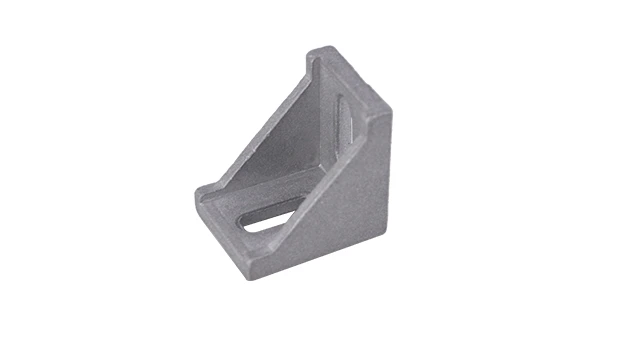
Gusset ALP 3030
The 3030 bracket/Gusset is an external fastening method that creates a 90 degree connection. 3030 means this size is used for 30 series aluminum profile with a quick connection by bolt and nut.
In the fast-paced world of manufacturing, where every second counts and efficiency is the name of the game, the smallest components often hold the biggest impact. Think about it: a wobbly workbench, a conveyor that jams, or a material rack that sags under weight—these issues rarely stem from the flashy machinery. More often than not, they trace back to the parts that hold everything together. One such unsung hero? The Gusset Alp 3030. This unassuming piece of metal might not grab headlines, but in the realm of aluminum profiles and structural stability, it's the silent guardian that keeps your production line upright, your workflows smooth, and your team safe. But here's the catch: not all Gusset Alp 3030s are created equal. And neither are the suppliers who make them.
Choosing a reliable Gusset Alp 3030 supplier isn't just about ticking a box on a procurement list. It's about partnering with a team that understands your operational needs, prioritizes quality as much as you do, and can grow with your business. Whether you're setting up a new lean manufacturing cell, upgrading your assembly line, or building custom workbenches for your workshop, the right supplier becomes an extension of your team. The wrong one? Let's just say you'll be spending more time fixing problems than making progress. So, how do you separate the trustworthy suppliers from the ones that'll leave you scrambling for replacements? Let's dive in.
What Even Is a Gusset Alp 3030, and Why Does It Matter?
Before we start vetting suppliers, let's make sure we're all on the same page about what a Gusset Alp 3030 actually does. If you've ever stood next to a sturdy aluminum workbench, a well-built material rack, or a roller track system that glides without a hitch, chances are you've seen (or at least benefited from) a gusset. Gussets are those small, angled plates or brackets that reinforce joints, adding strength and stability to structures. They're the reason your workbench doesn't wobble when you're hammering, or your material rack doesn't tip over when loaded with heavy parts.
Now, the "Alp 3030" part? That refers to its compatibility with 3030 aluminum profiles—the workhorses of industrial framing. 3030 profiles are everywhere: in assembly lines, shelving units, machine guards, and yes, those workbenches we mentioned. They're popular because they're lightweight, strong, and infinitely customizable, thanks to their T-slot design that lets you attach accessories like brackets, panels, and (you guessed it) gussets. The Gusset Alp 3030 is specifically engineered to fit these 3030 profiles, acting as a reinforcement at corners and joints where stress is highest. Think of it as the backbone of your backbone—without it, even the sturdiest profile setup can weaken over time.
But why does the quality of this tiny component matter so much? Let's take a real-world example. Imagine you run a small electronics assembly plant. Your team uses workbenches fitted with 3030 aluminum profiles to hold tools, circuit boards, and testing equipment. A few months back, you ordered a batch of Gusset Alp 3030s from a supplier with rock-bottom prices. At first, everything seemed fine. But as the workbenches got daily use—techs leaning on them, tools being set down, parts being moved around—you started noticing issues. The corners of the workbenches began to flex. Then, one day, a bench leg gave way, sending a tray of delicate circuit boards crashing to the floor. The culprit? Those cheap gussets. They were made from thin, low-grade aluminum that couldn't handle the constant stress, leading to deformation and failure.
That's the difference between a reliable Gusset Alp 3030 and a shoddy one: durability, precision, and material quality. A good gusset will keep your structures stable for years, even under heavy use. A bad one? It's a ticking time bomb for downtime, damaged products, and even workplace injuries. So, when you're in the market for Gusset Alp 3030s, you're not just buying a bracket—you're investing in the reliability of your entire operation.
Key Factors to Consider When Choosing a Gusset Alp 3030 Supplier
Now that we know why Gusset Alp 3030s are critical, let's talk about how to choose a supplier that won't let you down. This isn't just about comparing prices—though cost is a factor. It's about finding a partner who understands your needs, delivers consistent quality, and stands behind their products. Here are the top criteria to keep in mind.
1. Quality Control: It Starts with the Material
When it comes to industrial components, "you get what you pay for" is often true. But how do you verify that a supplier's Gusset Alp 3030s are up to snuff? Start by asking about their material sourcing and manufacturing processes. Reputable suppliers will be transparent about where they get their aluminum—look for suppliers who use high-grade aluminum alloys (like 6061 or 6063, which are known for strength and corrosion resistance) rather than generic, untested metals.
Next, ask about quality testing. Do they perform stress tests on their gussets to ensure they can handle the weight and strain of real-world use? What about dimensional accuracy? A Gusset Alp 3030 that's even a millimeter off in thickness or hole placement won't fit properly with your 3030 profiles, leading to weak joints. Look for suppliers who mention ISO 9001 certification or other quality management standards—this shows they have processes in place to consistently deliver reliable parts.
Don't be afraid to request samples. A good supplier will happily send you a few Gusset Alp 3030s so you can inspect them yourself. Check for smooth edges (no burrs that could scratch profiles or injure workers), consistent coloring (a sign of uniform anodization, which protects against corrosion), and tight tolerances. If possible, test one in a mock setup—attach it to a 3030 profile and apply pressure to see how it holds. A flimsy gusset will bend; a quality one will stay firm.
2. Product Range and Compatibility: More Than Just Gussets
Chances are, your Gusset Alp 3030s aren't the only industrial components you need. You might also be in the market for aluminum profile accessories like brackets, connectors, or even larger systems like roller tracks or workbenches. That's why it's worth considering suppliers who offer a wide range of compatible products. Not only does this save you the hassle of managing multiple suppliers, but it also ensures that all your components work together seamlessly.
For example, if you're building a custom material rack using 3030 profiles, you'll need Gusset Alp 3030s for reinforcement, but you might also need shelf brackets, roller track guides for easy part movement, and casters for mobility. A supplier who stocks all these items (and can confirm they're designed to work with each other) eliminates the guesswork. You won't have to worry about a bracket from Supplier A not fitting a roller track from Supplier B—everything is designed to integrate.
When evaluating a supplier's product range, ask about their aluminum profile accessories lineup. Do they carry items like T-slot nuts, end caps, or angle brackets that complement their Gusset Alp 3030s? Are their roller tracks compatible with standard 3030 profiles? A supplier with a deep inventory isn't just convenient—they're a sign of expertise in the industry. They understand the ecosystem of industrial framing and can help you find solutions beyond just the gussets.
3. Lead Times and Reliability: Can They Deliver When You Need Them?
Nothing derails a production schedule like waiting on delayed parts. Imagine you're ramping up for a big order, and your assembly line expansion hinges on new workbenches—workbenches that need Gusset Alp 3030s to be stable. If your supplier drops the ball and delays delivery by two weeks, you're looking at missed deadlines, overtime costs, and frustrated clients. That's why lead times and delivery reliability are non-negotiable.
When talking to suppliers, ask for their standard lead times for Gusset Alp 3030s—both for small orders and bulk quantities. Do they have inventory on hand for common parts, or do they manufacture to order? A supplier with stock can get you parts in days, while a manufacturer might take weeks. Also, inquire about their track record for on-time delivery. Can they provide references from other customers who can vouch for their reliability? A supplier who's evasive about delivery times or makes vague promises ("We'll get it to you when we can") is a red flag.
It's also worth discussing contingency plans. What happens if there's a delay—say, a shipping issue or a production hiccup? Will they proactively communicate with you, or will you be left in the dark? A reliable supplier will have backup plans, like multiple shipping partners or the ability to expedite production for urgent orders, to minimize disruptions to your workflow.
4. Customer Support and Technical Expertise: More Than Just a Sales Team
Even the best products can run into issues, and when they do, you need a supplier who's there to help. That's where customer support and technical expertise come in. A good Gusset Alp 3030 supplier isn't just a vendor—they're a resource. They should be able to answer your questions, help you troubleshoot problems, and even offer advice on how to optimize your setup.
For example, suppose you're designing a heavy-duty material rack and aren't sure how many Gusset Alp 3030s you need per joint. A knowledgeable supplier can guide you based on the rack's intended load, the length of the profiles, and the environmental conditions (like temperature or humidity) in your facility. They might even share case studies or design tips from similar projects they've supported.
Pay attention to how responsive they are during the initial inquiry phase. Do they return your calls or emails promptly? Are they willing to take the time to understand your specific needs, or do they just push their standard products? A supplier who rushes you through the sales process is unlikely to be helpful when you need support later. Also, ask about their return policy. What if a batch of gussets arrives damaged or doesn't meet your specs? Will they replace them quickly, or will you have to fight for a refund?
5. Pricing: Balancing Cost and Value
Let's be honest—cost matters. But focusing solely on the lowest price is a mistake. A Gusset Alp 3030 that costs 10% less upfront might end up costing you far more in the long run if it fails, causing downtime or product damage. Instead of looking for the cheapest option, aim for the best value—suppliers who offer fair pricing for high-quality products, reliable delivery, and good support.
When comparing quotes, make sure you're comparing apples to apples. A slightly higher price from one supplier might include better material quality, faster delivery, or free technical support—all of which add value. Ask about volume discounts if you plan to order in bulk—many suppliers offer lower per-unit prices for larger orders, which can help reduce costs over time.
Also, consider the total cost of ownership, not just the purchase price. For example, a supplier with higher upfront prices but longer-lasting gussets will save you money on replacements. A supplier with fast lead times might help you avoid costly production delays. These factors can make a "more expensive" supplier the cheaper option in the long run.

Evaluating Suppliers: A Practical Approach
Now that you know what to look for, how do you actually go about evaluating potential Gusset Alp 3030 suppliers? It's not enough to read their website or chat with a sales rep—you need to dig deeper. Here's a step-by-step approach to help you make an informed decision.
Step 1: Do Your Research
Start by compiling a list of potential suppliers. You can find them through industry directories, trade shows, or referrals from colleagues. Once you have a list, visit their websites to learn about their product lines, certifications, and manufacturing processes. Look for customer testimonials or case studies—these can give you insight into how they perform in real-world scenarios.
Next, check online reviews and forums. Sites like LinkedIn, Google Reviews, or industry-specific platforms (like Thomasnet for manufacturing) often have feedback from other buyers. Pay attention to recurring themes: Are multiple reviewers complaining about late deliveries? Do people praise their customer service? Keep in mind that no supplier is perfect, but consistent negative reviews are a warning sign.
Step 2: Request Detailed Information
Narrow down your list to 3-5 suppliers, then reach out to them with specific questions. Ask for: - Material specifications for their Gusset Alp 3030s (alloy type, thickness, anodization process) - Quality control documentation (certifications, test reports) - Lead times for standard and bulk orders - Pricing for different order quantities - Information on complementary products (aluminum profile accessories, roller tracks, etc.) - References from customers in your industry
A reputable supplier will provide this information willingly. If a supplier hesitates or refuses to share details, that's a red flag. They might be hiding something—like subpar materials or inconsistent quality.
Step 3: Compare Suppliers Side-by-Side
Once you have information from each supplier, create a comparison chart to weigh their pros and cons. To illustrate, here's an example of how you might compare three hypothetical suppliers:
| Criteria | Supplier A | Supplier B | Supplier C |
|---|---|---|---|
|
Material Quality
(Alloy, Certification) |
6061-T6 Aluminum, ISO 9001 Certified | 6063 Aluminum, No Certification | 6061-T6 Aluminum, ISO 9001 Certified |
|
Product Range
(Aluminum Profile Accessories) |
Extensive: Brackets, Rollers, Casters, Workbenches | Limited: Only Gussets and Basic Brackets | Moderate: Gussets, Rollers, Track Connectors |
|
Lead Time
(Standard/Bulk Orders) |
3-5 days / 7-10 days | 1-2 days / 5-7 days | 5-7 days / 10-14 days |
|
Customer Support
(Technical Assistance, Returns) |
24/7 Technical Line, 30-Day Return Policy | 9-5 Support, No Returns on Opened Orders | Business Hours Support, 15-Day Return Policy |
| Price (Per Unit for 100 Gussets) | $3.50 | $2.80 | $3.20 |
In this example, Supplier A has the best material quality and product range but is the most expensive. Supplier B is the cheapest but has lower quality and limited support. Supplier C balances quality and cost but has longer lead times. Depending on your priorities—say, you need a one-stop shop for all components—Supplier A might be the best choice, even with the higher price.
Step 4: Test the Waters with a Small Order
Once you've narrowed it down to 1-2 top suppliers, place a small order for Gusset Alp 3030s. This lets you test their product quality, delivery speed, and customer service firsthand. Did the order arrive on time? Were the gussets as described? Was the customer service team helpful if you had questions?
Use the gussets in a real application—maybe build a small test workbench or reinforce an existing rack. Monitor how they hold up over a few weeks of use. If they perform well, you can feel confident scaling up to larger orders. If not, you've only invested a small amount of time and money, and you can move on to the next supplier.

The Ripple Effect: How a Good Supplier Boosts Your Entire Operation
Choosing the right Gusset Alp 3030 supplier isn't just about getting a quality bracket—it's about setting your operation up for success. Let's look at a real-world example of how this plays out. Meet Maria, the operations manager at a mid-sized automotive parts manufacturer. A year ago, Maria was struggling with frequent breakdowns in her assembly line's material handling system. The roller tracks, which transported parts between workstations, kept jamming, and the workbenches were wobbling, leading to errors in part assembly.
After investigating, Maria realized the issue was with the Gusset Alp 3030s used to reinforce the roller track frames and workbench corners. The previous supplier had cut corners on material quality, and the gussets were bending under the daily stress of the operation. Maria decided to switch suppliers, following the steps we outlined: researching, requesting samples, comparing options, and placing a small test order with a supplier that specialized in lean system solutions and aluminum profile accessories.
The difference was immediate. The new gussets were sturdier, fitting perfectly with the 3030 profiles and eliminating the wobble in the workbenches. The roller tracks, now reinforced with high-quality gussets, ran smoothly, reducing jams by 90%. With fewer disruptions, the assembly line's throughput increased by 15%, and the error rate dropped significantly. Maria also discovered that the new supplier offered complementary parts—like durable casters and adjustable shelving—so she could upgrade other parts of the system without juggling multiple vendors.
"It's amazing how much a small part like a gusset can impact the whole operation," Maria says. "By choosing a supplier who cared about quality and understood our needs, we didn't just fix a problem—we improved our entire workflow. Now, we're more efficient, our team is happier, and our customers are getting orders faster."
Maria's story isn't unique. When you partner with a reliable Gusset Alp 3030 supplier, you're not just buying components—you're investing in operational resilience. You reduce downtime, improve safety, and free up your team to focus on what they do best: making great products.
Common Pitfalls to Avoid
Even with the best intentions, it's easy to make mistakes when choosing a supplier. Here are some common pitfalls to watch out for:
Pitfall 1: Prioritizing Price Over Quality
It's tempting to go with the cheapest quote, especially if you're working with a tight budget. But as we've seen, low-cost gussets often mean low-quality materials and poor manufacturing. The savings upfront will quickly disappear when you have to replace failed parts, repair damaged equipment, or deal with production delays.
Pitfall 2: Ignoring Compatibility
Not all Gusset Alp 3030s are compatible with all 3030 profiles. Some suppliers might sell "universal" gussets that don't fit snugly with certain profile brands or designs. Always confirm that the gussets are designed for your specific profiles, and request samples to test the fit before placing a large order.
Pitfall 3: Overlooking Communication
A supplier might have great products, but if they're impossible to reach when you need them, they'll cause more headaches than they're worth. Pay attention to how responsive a supplier is during the initial inquiry phase—if they take days to return emails or don't answer your questions clearly, they're unlikely to be more responsive once you're a customer.
Pitfall 4: Failing to Plan for Growth
Your business isn't static, and your supplier shouldn't be either. Choose a supplier who can scale with you—whether that means increasing order quantities, offering custom solutions, or expanding their product line to meet your evolving needs. A supplier who can't grow with you will eventually become a bottleneck.
Conclusion: Your Supplier is Your Partner
Choosing a Gusset Alp 3030 supplier might seem like a small decision, but it has big implications for your operation. From the stability of your workbenches to the efficiency of your roller tracks, the quality of these tiny components ripples through every aspect of your production line. By prioritizing quality, reliability, and compatibility— and by taking the time to research, compare, and test suppliers—you'll find a partner who helps you build a stronger, more efficient operation.
Remember, the best suppliers aren't just vendors—they're invested in your success. They'll go the extra mile to ensure their Gusset Alp 3030s meet your needs, offer advice when you're designing a new system, and stand behind their products if something goes wrong. So, take your time, ask the right questions, and don't settle for anything less than the best. Your team, your products, and your bottom line will thank you.