- Company Articles
- Products and Technology
- Product knowledge
- Gusset Alp 3030 vs. Steel Brackets: A Comparative Analysis for Lean Systems

Gusset Alp 3030 vs. Steel Brackets: A Comparative Analysis for Lean Systems
Related Product
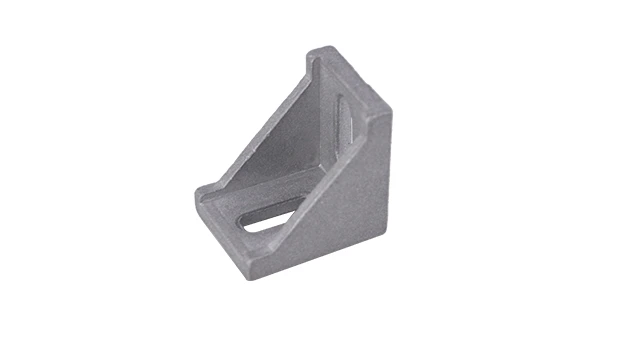
Gusset ALP 3030
The 3030 bracket/Gusset is an external fastening method that creates a 90 degree connection. 3030 means this size is used for 30 series aluminum profile with a quick connection by bolt and nut.
In the world of manufacturing and production, the phrase "lean system" gets thrown around a lot—but what does it really mean for the people on the factory floor? It's not just about cutting costs or speeding up processes. At its core, a lean system is about creating a workspace that feels intuitive, adaptable, and human . Every tool, every rack, every bracket plays a role in whether your team can move smoothly from task to task, or if they're stuck fighting against clunky, rigid equipment that slows them down.
Today, we're diving into a critical but often overlooked component of lean systems: brackets. Specifically, we're comparing two heavyweights in the industry: the Gusset Alp 3030 (an aluminum bracket designed for modern lean setups) and traditional steel brackets. If you've ever stood in front of a workbench that wobbles under tool weight, or struggled to reconfigure a flow rack to fit a new product, you know how much brackets matter. Let's break down which one deserves a spot in your lean system.
Meet the Contenders: Gusset Alp 3030 and Steel Brackets
Before we start pitting them against each other, let's get to know each bracket. Think of this as a "first impression" round—no score yet, just understanding what makes each tick.
Gusset Alp 3030: The Lightweight Innovator
If steel brackets are the reliable old pickup truck of the manufacturing world, the Gusset Alp 3030 is the sleek, electric SUV. Designed specifically for use with 3030 aluminum profiles (those modular, T-slot aluminum beams you see in modern workbenches and flow racks), this bracket is all about adaptability and efficiency. Made from high-grade aluminum alloy, it's lightweight but surprisingly tough—think of it as the "strong, silent type" of brackets.
You'll typically find Gusset Alp 3030 brackets holding together workbenches in electronics assembly lines, supporting flow racks in e-commerce warehouses, or reinforcing material racks in automotive part staging areas. What sets it apart? Its design. The gusset shape (that triangular reinforcement webbing) distributes weight evenly, while the pre-drilled holes and T-slot compatibility mean it slots into aluminum profiles without the need for welding or heavy drilling. It's like building with high-quality Lego blocks—snug, secure, and easy to take apart and rebuild when your needs change.
Quick Fact: The "3030" in Gusset Alp 3030 refers to the aluminum profile size it's designed for—30mm x 30mm. This is one of the most common profile sizes in lean systems, making the bracket a versatile choice for everything from small workstations to large-scale material racks.
Steel Brackets: The Heavy-Duty Veteran
Steel brackets are the tried-and-true workhorses of manufacturing. For decades, they've been the go-to for holding up heavy loads, reinforcing metal frames, and building structures that need to stand the test of time. Made from cold-rolled steel or stainless steel, they're thick, rigid, and unapologetically strong. If you've ever leaned on a warehouse rack and felt zero give, chances are steel brackets are doing the heavy lifting (literally).
These brackets shine in environments where brute strength is non-negotiable: think industrial machinery production lines, where a single component might weigh 50+ pounds, or outdoor storage racks that need to withstand rain, snow, and temperature swings. Traditional steel brackets often require welding, bolts, or heavy-duty screws to install, and once they're in place, they're not easy to move. They're the kind of bracket you install once and forget about—until you need to reconfigure your space, and suddenly you're reaching for a wrench (or a saw).
But here's the thing: lean systems aren't just about strength anymore. They're about agility. And that's where the battle between these two brackets really heats up.
The Breakdown: How Do They Stack Up?
To really understand which bracket is right for your lean system, we need to dig into the details. Let's compare them across the factors that matter most to anyone running a production line, warehouse, or workshop.
1. Material & Weight: Aluminum's Lightness vs. Steel's Heft
Let's start with the basics: what they're made of, and how that affects day-to-day use. Aluminum, by nature, is about 1/3 the weight of steel. A typical Gusset Alp 3030 bracket weighs in at around 0.2–0.5 pounds, while a steel bracket of similar size can tip the scales at 1.5–3 pounds. That might not sound like much, but multiply that by 50 brackets on a single workbench, and suddenly you're looking at a difference of 60–125 pounds in total weight.
Why does weight matter? For starters, installation. Try carrying a handful of steel brackets across a factory floor—your arms will feel it by lunchtime. Aluminum brackets, on the other hand, are easy to maneuver, even for one person. This cuts down on installation time and reduces the risk of strain injuries (a hidden cost of heavy equipment that lean systems aim to eliminate). Then there's the impact on the structures they're attached to. Lighter brackets mean less stress on the aluminum profiles or frames they're reinforcing, which can extend the lifespan of your entire setup.
Steel's weight isn't all bad, though. That heft can add stability. A steel-bracketed workbench is less likely to wobble under sudden movements (like slamming down a tool), which can be a plus in high-intensity environments. But in most lean systems, where workflows are designed to be smooth and controlled, that extra stability often comes at the cost of flexibility.
2. Load Capacity: How Much Can They Really Hold?
Let's get to the numbers. When it comes to raw load capacity, steel brackets have the edge—no surprise there. A standard 4-inch steel angle bracket can typically support 200–500 pounds per bracket, depending on thickness and design. That's enough to hold heavy machinery parts, stacks of metal sheets, or even small pallets.
Aluminum brackets like the Gusset Alp 3030 aren't slouches, though. They're rated for around 50–150 pounds per bracket, which is more than enough for most day-to-day tasks: tools, electronic components, bins of small parts, or even a laptop and monitor on a workbench. The key here is application . If you're building a flow rack for shipping boxes (average weight: 20–30 pounds each), Gusset Alp 3030 brackets will handle it with ease. But if you're mounting a 300-pound hydraulic press to a frame, steel is the safer bet.
One thing to note: aluminum brackets distribute weight differently. Thanks to their gusseted design and compatibility with T-slot aluminum profiles, they spread the load across the entire profile, rather than concentrating it on a single bolt point. This means even at lower individual capacities, a well-designed aluminum setup can often support more than you'd expect. I've seen a 3030 aluminum profile workbench with Gusset Alp brackets hold 300+ pounds evenly distributed across the surface—no wobbles, no bending.
3. Installation & Assembly: Time is Money (and Sanity)
Here's where the Gusset Alp 3030 starts to pull ahead for lean systems. Installing aluminum brackets is often a one-person job, requiring nothing more than a hex key or a Phillips screwdriver. The T-slot design of aluminum profiles lets you slide the bracket into place, tighten a few screws, and you're done. No welding, no drilling new holes, no waiting for paint to dry. I've watched a team assemble a basic workbench using Gusset Alp 3030 brackets in under 30 minutes—start to finish.
Steel brackets? They're a different story. Welding requires a skilled operator and safety gear, and even bolt-on steel brackets often need pre-drilled holes (which means measuring twice, drilling once… and hoping you didn't misalign). If you make a mistake, you're looking at filling holes, re-painting, or even cutting the bracket off and starting over. I once worked with a client who spent two days reconfiguring a steel-bracketed flow rack because their new product was an inch wider than the old one. Two days of downtime—exactly the kind of waste lean systems aim to eliminate.
Another bonus for aluminum: reusability. If you need to take apart a workbench and rebuild it in a new layout, Gusset Alp 3030 brackets can be unscrewed, moved, and reused without damage. Steel brackets? If they were welded, they're toast. If they were bolted, the holes might strip, or the bracket might bend when you try to remove it. It's not impossible to reuse them, but it's rarely worth the hassle.
4. Flexibility & Adaptability: Can They Keep Up with Change?
Lean systems thrive on change. A product line might shift from assembling smartphones to tablets next quarter, or a warehouse might need to reconfigure for seasonal inventory spikes. Your equipment needs to keep up—and that includes your brackets.
Gusset Alp 3030 brackets are built for change. Since they're modular, you can add, remove, or reposition them in minutes. Need to raise a shelf by 6 inches? Loosen the screws, slide the bracket up, retighten. Want to add a side rail to a flow rack? Grab a few extra brackets and profiles, and you're set. I visited a electronics manufacturer last year that changes their production line layout every 3–4 months to accommodate new phone models. They use aluminum brackets exclusively now, and their reconfiguration time has dropped from 2 days to 4 hours. That's the power of flexibility.
Steel brackets, by contrast, are fixed. Once they're welded or bolted into place, they're part of the structure. Changing a shelf height would mean cutting the old brackets off and welding new ones on, or drilling entirely new holes. It's doable, but it's time-consuming and messy. For companies with static workflows (think: a factory that makes the same widget for 10 years), this isn't a problem. But for anyone embracing lean principles—where adaptability is key—steel brackets can feel like anchors holding you back.
5. Cost: Short-Term vs. Long-Term Thinking
Let's talk money. Steel brackets are often cheaper upfront. You can pick up a basic steel angle bracket for $2–$5 at a hardware store, while a Gusset Alp 3030 bracket might run $8–$15. If you're building a single rack, steel seems like the budget-friendly choice.
But lean systems are about long-term value, not just initial cost. Let's break it down: aluminum brackets save time on installation (less labor cost), are reusable (no need to buy new brackets when you reconfigure), and often require fewer tools (no welding equipment rental). Plus, aluminum is corrosion-resistant, so you won't need to repaint or replace brackets every few years like you might with uncoated steel.
Take the example of a small manufacturing shop that reconfigures their workspace twice a year. With steel brackets, they'd spend $200 on brackets initially, but each reconfiguration might cost another $100 in new brackets, welding labor, and downtime. Over three years, that's $800. With Gusset Alp 3030 brackets, the initial cost might be $400, but reconfigurations cost $0 (just reuse the brackets) and take 1/10th the time. Over three years, that's $400 total—and less stress. Suddenly, aluminum looks like the smarter investment.
6. Durability & Corrosion Resistance: When the Factory Gets Messy
Steel is tough, but it's not invincible. Without a protective coating (like powder coating or galvanization), steel brackets rust—especially in humid environments or areas with oil, coolant, or cleaning chemicals. I've seen steel brackets in a machine shop start rusting within six months of installation, which not only looks bad but weakens the metal over time.
Aluminum, on the other hand, forms a natural oxide layer that resists corrosion. Even if you scratch it, the layer reforms, keeping the bracket intact. This makes Gusset Alp 3030 brackets ideal for cleanrooms, electronics assembly lines (where chemicals like isopropyl alcohol are common), or food processing areas (where sanitation is key). Stainless steel brackets can match aluminum's corrosion resistance, but they're significantly more expensive than regular steel—often costing as much as aluminum brackets anyway.
Another point: aluminum doesn't dent as easily as steel. Steel brackets can bend under impact (like a dropped tool), which weakens their load capacity. Aluminum is more flexible, absorbing impacts without permanent damage. I've seen a Gusset Alp bracket get hit by a forklift (don't ask) and bounce back with nothing more than a scratch—still held its load the next day.
7. ESD Properties: A Hidden Factor for Electronics
If you work in electronics manufacturing, you know ESD (electrostatic discharge) is a silent killer. A single static shock can fry a microchip, ruining hours of work. That's why ESD-safe workbenches and racks are non-negotiable.
Aluminum is naturally conductive, which means Gusset Alp 3030 brackets (when paired with ESD-safe aluminum profiles and grounding kits) can help dissipate static electricity. Steel is also conductive, but it's often coated with paint or powder coating that insulates it—negating any ESD benefits unless you specifically buy ESD-rated steel brackets (which are pricier). I've worked with electronics clients who switched to aluminum setups and saw a 40% drop in ESD-related product failures—just by using conductive brackets and proper grounding.
8. Sustainability: Lean Systems Care About the Planet Too
Modern lean systems aren't just about efficiency—they're about sustainability. Reducing waste, reusing materials, and minimizing environmental impact are all part of the equation. Here, aluminum takes the cake. Aluminum is 100% recyclable, and recycling it uses just 5% of the energy needed to produce new aluminum. Gusset Alp 3030 brackets, at the end of their life, can be melted down and turned into new brackets, profiles, or even soda cans.
Steel is also recyclable, but the recycling process is more energy-intensive, and steel brackets often end up in landfills if they're welded or heavily damaged. Plus, aluminum's lighter weight reduces shipping emissions—less fuel needed to transport brackets from supplier to factory.

Real-World Applications: When to Choose Which
Enough theory—let's look at real scenarios where one bracket outperforms the other.
Scenario 1: Electronics Assembly Line Workbench
Needs:
Light to medium load (tools, circuit boards, ESD protection, easy reconfiguration for new product models).
Winner:
Gusset Alp 3030. Its lightweight design, ESD compatibility, and quick assembly make it perfect for a workspace that needs to adapt to new phone or tablet models every 6–12 months.
Scenario 2: Heavy Machinery Parts Storage Rack
Needs:
Supports 200+ pound engine blocks, withstands oil and grease, outdoor storage.
Winner:
Steel brackets. The raw load capacity and durability in harsh environments make steel the safer choice here.
Scenario 3: E-Commerce Fulfillment Flow Rack
Needs:
Holds small to medium shipping boxes, needs to be reconfigured seasonally (more racks for holiday rush), quick installation.
Winner:
Gusset Alp 3030. The ability to add/remove shelves in hours (not days) and lightweight design make it ideal for fast-paced fulfillment centers.
Scenario 4: Automotive Repair Shop Workbench
Needs:
Holds heavy tools (wrenches, impact drivers), withstands oil spills, occasional heavy impacts.
Winner:
Tie. A hybrid setup—steel brackets for the base frame (supporting the heavy top), Gusset Alp 3030 for upper shelves (holding lighter parts bins). Best of both worlds.

The Comparison Table: At a Glance
| Factor | Gusset Alp 3030 (Aluminum) | Traditional Steel Brackets |
|---|---|---|
| Weight | 0.2–0.5 lbs per bracket (lightweight) | 1.5–3 lbs per bracket (heavy) |
| Load Capacity | 50–150 lbs per bracket (even distribution) | 200–500 lbs per bracket (high concentrated load) |
| Installation Time | 30 mins–1 hour for a basic setup (one person) | 2–4 hours for a basic setup (requires tools/welding) |
| Flexibility | High—easily reconfigurable with basic tools | Low—fixed once installed, hard to reuse |
| Initial Cost | Higher ($8–$15 per bracket) | Lower ($2–$5 per bracket) |
| Long-Term Cost | Lower (reusable, less labor for reconfiguration) | Higher (replacement costs, downtime for changes) |
| Corrosion Resistance | High (natural oxide layer) | Low (needs coating; stainless steel is better but pricier) |
| ESD Compatibility | High (conductive, works with grounding kits) | Low (unless ESD-coated, which adds cost) |
| Sustainability | High (100% recyclable, low energy to recycle) | Medium (recyclable but more energy-intensive) |
The Verdict: Which Bracket Fits Your Lean System?
There's no one-size-fits-all answer, but here's a simple rule of thumb: If your lean system prioritizes flexibility, quick installation, ESD protection, or sustainability—and you're working with light to medium loads—go with Gusset Alp 3030. If you need to support extremely heavy loads, work in a harsh environment, or have a static workflow with no plans to reconfigure, steel brackets are still a solid choice.
For most modern lean systems, though, the Gusset Alp 3030 is the better investment. Its ability to adapt to change, save time on installation, and reduce long-term costs aligns perfectly with the core principles of lean: eliminate waste, empower your team, and create a workspace that grows with your business.
Conclusion: Building a Lean Future, One Bracket at a Time
At the end of the day, brackets might seem like small parts of a big system—but small parts add up. A workbench that takes hours to assemble instead of days, a flow rack that can be reconfigured in an afternoon instead of a week, a team that doesn't dread setup changes—these are the things that turn a "good" lean system into a great one.
The Gusset Alp 3030 and steel brackets both have their strengths, but for most of us building lean systems in 2025, aluminum brackets offer the kind of flexibility and efficiency that steel just can't match. They're not just brackets—they're tools that let your team work smarter, not harder.
So, the next time you're planning a new workbench, flow rack, or material handling system, ask yourself: "Does this bracket help me eliminate waste, or does it create more?" The answer might just surprise you.