- Company Articles
- Products and Technology
- Procurement Guidelines
- Gusset ALP 4040 Price Range: Budgeting for Your Lean Manufacturing Project

Gusset ALP 4040 Price Range: Budgeting for Your Lean Manufacturing Project
Related Product
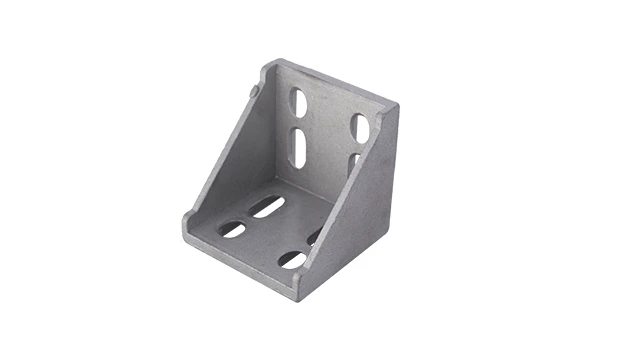
Gusset ALP 4040
The 4040 bracket/Gusset is an external fastening method that creates a 90 degree connection. 4040 means this size is used for 40 series aluminum profile with a quick connection by bolt and nut. It is a lightweight bracket that requires no machining servic
Introduction: The Hidden Hero of Lean Manufacturing Setups
If you've ever walked through a well-organized manufacturing floor, you've probably admired the smooth flow of materials, the sturdy workbenches, and the efficient flow racks that make everything look effortless. What you might not have noticed, though, is the unsung hero holding it all together: components like the Gusset ALP 4040. These small but critical parts are the backbone of any lean system, ensuring that your aluminum profile structures—whether workbenches, flow racks, or assembly lines—stay stable, durable, and ready to handle the daily grind of production.
But here's the thing: when budgeting for a lean manufacturing project, it's easy to get caught up in big-ticket items like conveyor systems or high-end workbenches. The smaller components, like gussets, often get overlooked—until a wobbly workbench slows down production or a loose flow rack causes a material jam. That's why understanding the Gusset ALP 4040 price range isn't just about saving a few dollars today; it's about investing in the long-term efficiency and reliability of your entire operation.
In this article, we're going to dive deep into everything you need to know about budgeting for Gusset ALP 4040. We'll break down what these gussets are, why they matter, the factors that influence their price, and how to find the right balance between cost and quality. Whether you're a small workshop gearing up for expansion or a large manufacturer revamping your lean system, this guide will help you make informed decisions that keep your project on track and your budget intact.
What is Gusset ALP 4040, Anyway? A Quick Overview
Before we talk numbers, let's make sure we're all on the same page about what Gusset ALP 4040 actually is. In simple terms, a gusset is a metal bracket designed to reinforce joints between two or more structural components—in this case, aluminum profiles. The "ALP 4040" refers to its compatibility with 40x40mm aluminum extrusion profiles, one of the most common sizes used in lean manufacturing setups for everything from workbenches to material racks.
Think of it like the cornerstone of a building: it might not be the most visible part, but it distributes weight evenly, prevents bending or twisting, and ensures that your aluminum profile structures can handle the stress of daily use. For example, if you're building a workbench E (single deck-without caster) using 4040 aluminum profiles, the Gusset ALP 4040 would be used at the corners where the vertical and horizontal profiles meet, adding rigidity so the bench doesn't wobble when an operator is assembling products on it. Similarly, in a material rack B (3 row and 3 floor), these gussets reinforce the connections between the uprights and the shelves, ensuring the rack can safely hold heavy materials without sagging over time.
But not all gussets are created equal. The Gusset ALP 4040 is specifically engineered for durability, typically made from high-grade aluminum or steel with a corrosion-resistant finish. This makes it ideal for factory environments where moisture, dust, or chemicals might otherwise degrade lesser components. Its design also allows for easy installation—usually with simple bolts or screws—so your team can set up or reconfigure your lean system without needing specialized tools or expertise.

Factors That Shape the Gusset ALP 4040 Price Tag
Now, let's get to the heart of the matter: why do Gusset ALP 4040 prices vary so much? If you've started shopping around, you might have noticed quotes ranging from a few dollars to over $20 per unit. The truth is, several factors influence the cost, and understanding them will help you budget more accurately. Let's break them down one by one.
1. Material Quality and Thickness
The first thing that affects price is the material itself. Gusset ALP 4040 can be made from aluminum, steel, or even stainless steel, depending on the application. Aluminum gussets are lighter and more corrosion-resistant, making them a popular choice for most lean manufacturing setups. Steel gussets, on the other hand, are stronger and better suited for heavy-duty applications—like supporting a flow rack loaded with metal parts—but they're also heavier and more expensive.
Within aluminum gussets, thickness matters too. A 2mm thick gusset will cost more than a 1.5mm one because it uses more material and offers greater strength. For example, if you're building a workbench that needs to support 200kg of equipment, you'll want a thicker gusset to ensure safety. But if you're using it in a lightweight turnover trolley, a thinner (and cheaper) option might suffice. Always check the load capacity specifications provided by the supplier to ensure you're not overpaying for thickness you don't need—or underpaying and risking structural failure.
2. Supplier Type: Wholesale vs. Retail, Local vs. International
Where you buy your Gusset ALP 4040 from can have a huge impact on the price. Let's start with the basics: wholesale suppliers vs. retail suppliers. Wholesale suppliers, like those listed under "lean pipe wholesale" or "aluminum profile accessories wholesale," sell in bulk and often offer lower per-unit prices. For example, a wholesale supplier might charge $5 per gusset if you order 100 units, whereas a retail supplier selling to small workshops might charge $8 for a single unit. The trade-off? Wholesale suppliers usually have a minimum order quantity (MOQ), which could be 50, 100, or even 500 units. If you only need 20 gussets for a small project, a retail supplier might be the more practical choice, even if the per-unit cost is higher.
Then there's the choice between local and international suppliers. Local suppliers (e.g., a "lean pipe workbench supplier" in your city) might charge more, but they offer faster shipping, easier returns, and the ability to inspect the product in person before buying. International suppliers, especially from regions with lower manufacturing costs, can offer rock-bottom prices, but you'll have to factor in shipping fees, import taxes, and longer lead times. For example, a supplier in China might offer Gusset ALP 4040 for $3 per unit, but with $200 shipping and a 4-week delivery time, whereas a local supplier might charge $6 per unit with free next-day delivery. For time-sensitive projects, the local option might be worth the extra cost.
3. Quantity: The Power of Bulk Buying
We touched on this earlier, but it's worth emphasizing: the more Gusset ALP 4040 you buy, the lower the per-unit price. This is because suppliers can reduce their packaging, handling, and administrative costs when fulfilling large orders. For example, let's say a supplier's price breaks are as follows: 1-49 units at $9 each, 50-99 units at $7 each, 100+ units at $5 each. If your project needs 120 gussets, buying 120 at $5 each ($600 total) is cheaper than buying two separate orders of 60 at $7 each ($840 total). Even if you don't need all 120 right away, storing the extra gussets for future projects or replacements can save you money in the long run—just make sure you have space to store them!
4. Additional Features: Finish, Customization, and Accessories
Finally, extra features can drive up the price. A basic Gusset ALP 4040 with a plain aluminum finish will cost less than one with a powder-coated finish (which adds durability and a sleek look) or a stainless steel coating (for food-grade or medical manufacturing environments). Customization—like adding holes for specific bolt sizes or modifying the shape to fit a unique profile—will also increase costs, as it requires special tooling or machining.
Accessories can add to the total cost too. Some suppliers include mounting hardware (like bolts or washers) with the gussets, while others charge extra for them. If you're buying gussets separately from hardware, make sure to budget for those small but essential items. For example, a pack of 10 bolts might cost $2, but if you need 120 bolts for 120 gussets, that's an extra $24—enough to affect your overall budget if you're not prepared.

Gusset ALP 4040 Price Range: A Detailed Breakdown
Now that we understand the factors influencing price, let's look at actual numbers. The table below outlines typical price ranges for Gusset ALP 4040 based on supplier type, quantity, and material. Keep in mind that these are estimates—prices can vary based on location, market demand, and specific supplier policies. Always request a quote from multiple suppliers to get the most accurate pricing for your project.
| Supplier Type | Material | Quantity (Per Order) | Price Range (Per Unit) | Key Features |
|---|---|---|---|---|
| Local Retail | Aluminum (1.5mm thick) | 1-49 units | $6.50 – $9.00 | Basic finish, includes mounting bolts, fast shipping (1-3 days) |
| Local Retail | Steel (2.0mm thick) | 1-49 units | $9.50 – $13.00 | Heavy-duty, corrosion-resistant coating, suitable for high-load applications |
| Wholesale (Domestic) | Aluminum (1.5mm thick) | 50-199 units | $4.00 – $6.00 | Minimum order: 50 units, bulk packaging, no hardware included |
| Wholesale (Domestic) | Aluminum (2.0mm thick) | 200+ units | $5.50 – $7.50 | Discount for large orders, powder-coated finish option available |
| International Wholesale (e.g., China, Taiwan) | Aluminum (1.5mm thick) | 500+ units | $2.50 – $4.00 | Low per-unit cost, long lead time (3-4 weeks), MOQ: 500 units |
| Specialty Supplier | Stainless Steel | Any quantity | $15.00 – $22.00 | Food-grade, high corrosion resistance, for medical or cleanroom use |
Let's unpack this table a bit. For small projects—say, building a single workbench or a small flow rack—local retail suppliers are the way to go, even though the per-unit price is higher. For example, if you need 12 gussets for a workbench E, you might pay around $8 each, totaling $96. That's manageable, and you'll have the gussets in hand within a few days, so you can get started on your project right away.
For medium to large projects, like outfitting an entire production line with multiple workbenches and material racks, wholesale suppliers offer significant savings. If you need 300 gussets, buying from a domestic wholesale supplier at $5 per unit would cost $1,500, compared to $2,700 if you bought them retail. That's a savings of $1,200—money that can be reinvested in other parts of your lean system, like upgrading to a roller track with better wheels or adding casters to your turnover trolleys for easier mobility.
International wholesale suppliers are tempting for very large orders, but they come with risks. For instance, ordering 1,000 aluminum gussets at $3 per unit would cost $3,000, but you'll need to add shipping ($200-$500), import duties (which can be 5-10% of the total order value), and factor in the 4-week lead time. If your project has a tight deadline, the delay might not be worth the savings. Additionally, if the gussets arrive with defects, returning them could be costly and time-consuming.
Specialty suppliers, offering stainless steel gussets, are a niche option but necessary for certain industries. For example, a pharmaceutical manufacturer building a cleanroom assembly line would need stainless steel components to meet hygiene standards. While $15-$22 per unit is steep, it's a small price to pay for compliance and long-term durability in harsh environments.
Integrating Gusset ALP 4040 into Your Lean System: Beyond the Price Tag
While price is important, it's not the only factor to consider when choosing Gusset ALP 4040. Remember, these gussets are part of a larger lean system, and their quality can impact the efficiency, safety, and longevity of your entire setup. Let's explore how to integrate them effectively, ensuring you get the most value for your money.
1. Matching Gussets to Your Aluminum Profiles
First, ensure the Gusset ALP 4040 is compatible with your aluminum profiles. Most 4040 aluminum extrusion profiles have standard T-slot sizes, but some manufacturers use slightly different dimensions. A gusset that's too loose won't provide adequate reinforcement, while one that's too tight might damage the profile or be impossible to install. Always check the supplier's specifications to confirm compatibility with your profiles—for example, if you're using 4040a eu standard aluminum profile, the gusset should be designed specifically for that profile type.
If you're unsure, ask the supplier for a sample. Many suppliers will send a free or low-cost sample so you can test the fit before placing a large order. This small investment can save you from costly mistakes later, like having to return hundreds of ill-fitting gussets.
2. Considering Long-Term Maintenance and Replacement
A cheaper gusset might seem like a good deal now, but if it corrodes or bends after a few months of use, you'll end up spending more on replacements and downtime. For example, a $4 aluminum gusset with a basic finish might start to rust in a humid factory, whereas a $6 gusset with a powder-coated finish could last 5+ years without issues. When budgeting, factor in the expected lifespan of the gusset and how often you'll need to replace it. In most cases, investing in a higher-quality, longer-lasting gusset will save money in the long run.
It's also a good idea to order extra gussets—about 10-15% more than you think you'll need. This way, if some get damaged during installation or a few go missing, you won't have to halt your project to wait for a new order. For example, if you need 100 gussets for your setup, order 115. The extra $60-$90 (based on wholesale prices) is a small price to pay for uninterrupted workflow.
3. Using Gussets to Optimize Workflow
Finally, remember that your lean system is all about efficiency. The right gussets can help you build more flexible, adaptable structures that support your workflow. For example, if you need to reconfigure your assembly line seasonally, using lightweight aluminum gussets makes it easier to disassemble and reassemble your workbenches or flow racks. Heavier steel gussets might be stronger, but they could make reconfiguration more labor-intensive, defeating the purpose of a lean, agile system.
Similarly, if you're using roller track and accessories (like swivel roller balls 1 inch or plastic roller track guide rail yellow) to create a material flow system, the Gusset ALP 4040 ensures the roller track is securely mounted to the aluminum profile frame. A loose connection here could cause the track to shift, leading to jams and delays. By investing in quality gussets, you're not just securing your structure—you're keeping your entire production line running smoothly.
Budgeting Tips for Your Lean Manufacturing Project
Now that we've covered the ins and outs of Gusset ALP 4040 pricing, let's step back and talk about overall budgeting for your lean manufacturing project. Here are some practical tips to help you allocate funds wisely, ensuring you get the most out of your investment.
1. Start with a Detailed Project Plan
Before you start buying components, map out exactly what you need. How many workbenches do you require? What size flow racks? Will you need conveyor systems or turnover trolleys? For each structure, list the aluminum profiles, gussets, and accessories (like casters, roller track, or end caps) you'll need. This will help you avoid overbuying or missing critical parts. For example, if you're building a material rack B (3 row and 3 floor), you'll need gussets at each shelf corner, plus additional ones for the base to ensure stability. A detailed list ensures you order the right quantity upfront, saving you from rush orders later.
2. Prioritize Quality for High-Impact Components
Not all components are equally critical. For high-impact parts like Gusset ALP 4040, workbench frames, or load-bearing flow rack joints, prioritize quality over cost. These components directly affect safety and efficiency, and cutting corners here can lead to accidents, downtime, or costly repairs. On the other hand, for low-impact items—like plastic roller track guide rail yellow (which is more about organization than structural support)—you might be able to opt for a budget-friendly option.
3. Get Multiple Quotes and Negotiate
Don't settle for the first quote you receive. Reach out to at least 3-5 suppliers, including local, domestic wholesale, and international options. Be clear about your quantity, material requirements, and timeline, and ask if they offer discounts for bulk orders or repeat business. Many suppliers are willing to negotiate, especially if you're placing a large order. For example, a wholesale supplier might initially quote $5 per gusset for 100 units, but if you mention you're considering a competitor offering $4.50, they might match or beat that price to win your business.
4. Factor in Hidden Costs
When budgeting, don't forget about hidden costs: shipping fees, import taxes (for international orders), tooling for installation, and even labor costs if you're hiring someone to set up the system. For example, if you order from an international supplier, shipping could add 10-20% to the total cost of your gussets. Similarly, if you need to buy a torque wrench to properly tighten the gusset bolts, that's an additional $50-$100 expense. By accounting for these upfront, you'll avoid unpleasant surprises later.
Conclusion: Investing in Your Lean System's Foundation
At the end of the day, the Gusset ALP 4040 might seem like a small part of your lean manufacturing project, but it plays a huge role in ensuring your system is stable, efficient, and built to last. By understanding the factors influencing its price, comparing quotes from multiple suppliers, and balancing cost with quality, you can budget effectively and make choices that support your long-term goals.
Remember, a lean system is about more than just saving money—it's about creating a workspace that minimizes waste, maximizes productivity, and adapts to your changing needs. The Gusset ALP 4040 is a foundation of that system, and investing in the right one will pay off in smoother operations, fewer disruptions, and a more resilient manufacturing process.
So, whether you're a small workshop owner or a procurement manager at a large manufacturer, take the time to research your gusset options, request samples, and plan your budget carefully. Your future self—and your bottom line—will thank you.