- Company Articles
- Products and Technology
- Product knowledge
- Heat Resistance of 1.0mm Stainless Steel Pipe for Oven Manufacturing

Heat Resistance of 1.0mm Stainless Steel Pipe for Oven Manufacturing
Related Product
1.0mm Stainless Steel Pipe
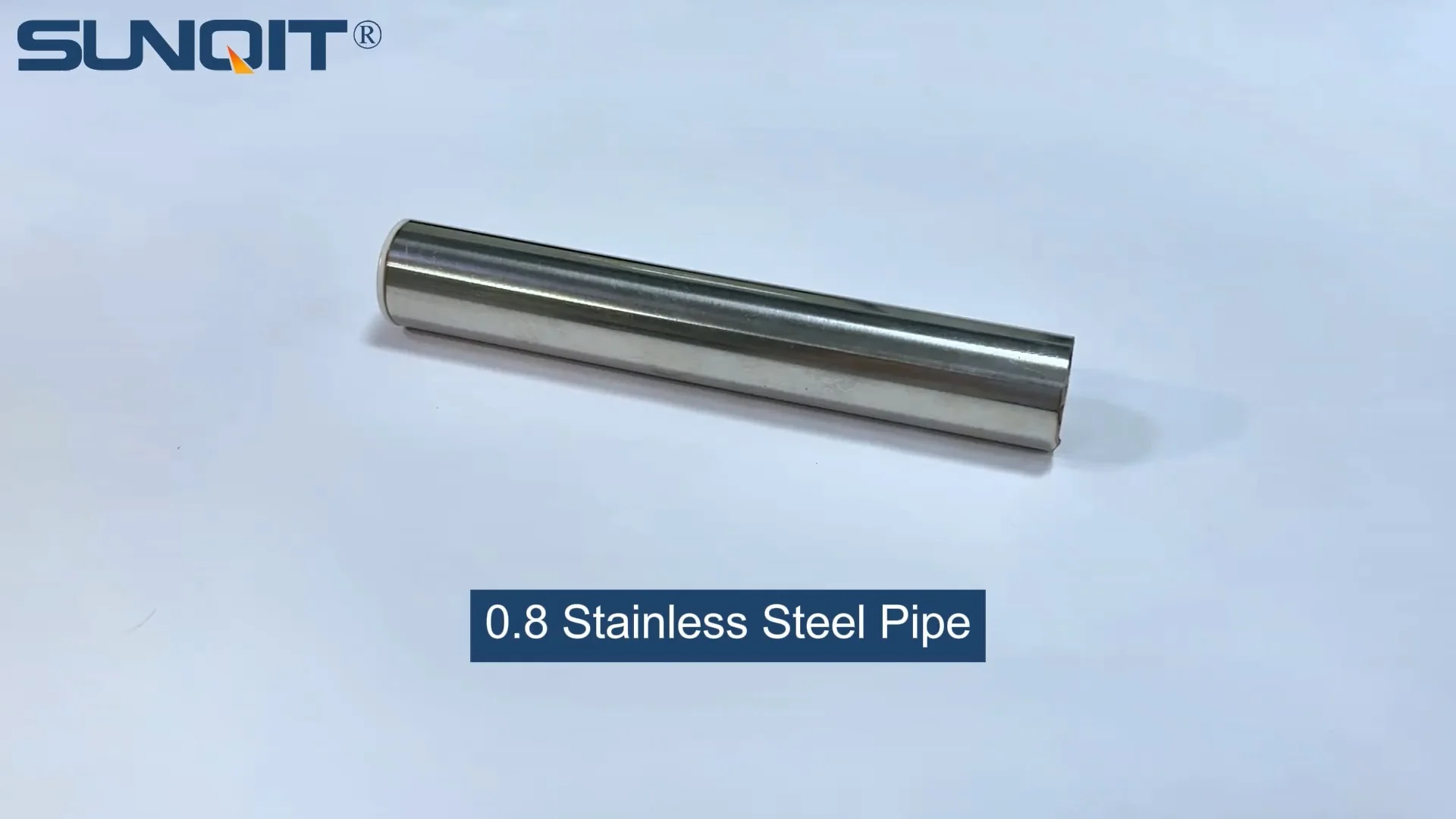
Stainless steel pipe, lean pipe, diameter is 28mm, material is SS201 or SS304, SS201 is normally used in the market. It knows a KARAKURI, KAIZEN material for industrial plant to improve efficiency, save labor cost, standard management.
Introduction: The Unsung Hero of Oven Durability
Think about the last time you baked a loaf of bread or roasted a chicken. The oven hummed to life, temperatures climbed, and soon the kitchen filled with the warm aroma of cooking. What you might not have realized is that behind that reliable performance lies a network of components working tirelessly to withstand extreme heat, repeated use, and the occasional spill. Among these components, stainless steel pipes—especially the 1.0mm variety—are the unsung heroes. They're not just metal tubes; they're the backbone of oven structural integrity, ensuring that whether you're a home cook or a commercial baker, your oven stands the test of time.
Oven manufacturing is a precision craft. From small countertop models to industrial-sized units that churn out hundreds of pastries an hour, every part must meet rigorous standards. Heat resistance isn't a luxury here—it's a necessity. Ovens regularly reach temperatures between 150°C (300°F) and 260°C (500°F), with industrial models pushing even higher. Over years of use, this constant heating and cooling can warp weaker materials, corrode exposed surfaces, or even lead to structural failure. That's where 1.0mm stainless steel pipe comes in. Part of the broader stainless steel pipe series , this specific thickness strikes a perfect balance between strength, flexibility, and heat tolerance, making it a top choice for manufacturers worldwide.
Why Stainless Steel? The Material That Checks All the Boxes
When it comes to high-heat applications, not all metals are created equal. Aluminum might be lightweight, but it softens at moderate temperatures. Carbon steel is strong, but it rusts easily when exposed to moisture—common in ovens where steam and spills are part of daily life. Stainless steel, however, brings a unique set of advantages to the table, starting with its inherent resistance to corrosion and heat.
The stainless steel pipe series includes various grades, but two stand out for oven manufacturing: 304 and 316. Both contain chromium, which forms a thin, invisible oxide layer on the surface. This layer acts as a shield, preventing rust and corrosion even when the pipe is heated to high temperatures. 316 adds molybdenum, boosting its resistance to acidic environments—ideal for industrial ovens used in food processing, where spills of vinegar, citrus, or other acids are common.
But stainless steel isn't just about durability. It's also a material that plays well with others. In modern manufacturing facilities, where efficiency is key, these pipes integrate seamlessly into lean system workflows. They're easy to cut, shape, and assemble, reducing production time and waste. Whether you're building a custom oven frame or a standardized heating element bracket, stainless steel pipes adapt to the needs of the line—no unnecessary steps, no excess material, just precise, purposeful construction.

The 1.0mm Thickness: A Masterclass in Balance
At first glance, 1.0mm might seem like an arbitrary number. Why not 0.8mm for lighter weight, or 1.2mm for extra strength? The answer lies in the delicate balance between performance and practicality. Let's break it down.
Thinner pipes (0.8mm or less) save on material costs and reduce overall oven weight, but they sacrifice structural integrity. In an oven, pipes often support heating elements, shelving, or ventilation systems—components that vibrate, expand, and contract with temperature changes. A 0.8mm pipe might bend or warp over time, leading to uneven heat distribution or even safety hazards. On the flip side, thicker pipes (1.2mm+) add unnecessary weight, making the oven harder to transport and install. They also conduct heat more slowly, which can delay preheating times and increase energy use.
1.0mm hits the sweet spot. It's thick enough to maintain rigidity under thermal stress but thin enough to allow for efficient heat transfer. This balance is critical for oven performance: the pipe must hold its shape when the oven heats up to 260°C, then cool down to room temperature, cycle after cycle. It also needs to be flexible enough to fit into tight spaces—like the narrow gaps between oven walls and heating coils—without compromising strength. For manufacturers, this means fewer design constraints and more room to innovate, whether they're creating a compact countertop oven or a large industrial unit.

Heat Resistance: How 1.0mm Stainless Steel Stands Up to the Heat
Heat resistance isn't just about "not melting"—it's about maintaining mechanical properties, resisting corrosion, and avoiding warping under extreme temperatures. 1.0mm stainless steel pipes excel here, thanks to their microstructure and chemical composition.
First, the chromium oxide layer we mentioned earlier doesn't just fight rust—it also stabilizes at high temperatures. When the oven heats up, this layer thickens slightly, enhancing its protective properties. Even at 800°C (well above typical oven temperatures), the layer remains intact, preventing the underlying steel from oxidizing. This is why stainless steel pipes don't develop the flaky rust or pitting that plague carbon steel in hot, humid environments.
Then there's thermal expansion. All materials expand when heated, but stainless steel does so predictably and uniformly. A 1.0mm pipe will expand by a small, consistent amount when heated, then contract back to its original size as it cools. This stability is crucial for oven design, where components must fit together tightly even after thousands of heating cycles. Imagine if a pipe expanded too much—it could warp the oven door seal, leading to heat loss and higher energy bills. Too little expansion, and the pipe might crack from stress. 1.0mm stainless steel hits that Goldilocks zone of expansion, keeping everything in place.
Creep resistance is another key factor. "Creep" is the slow deformation of a material under constant heat and stress—think of a plastic spoon melting into a curve when left in a hot bowl of soup. Stainless steel, especially 304 and 316 grades, has excellent creep resistance at oven temperatures. Even when supporting the weight of a heating element for years, a 1.0mm pipe won't sag or bend out of shape. This longevity is why manufacturers often warranty oven structural components for 5–10 years—they trust the stainless steel to last.
Stainless Steel vs. the Competition: A Head-to-Head Comparison
To truly appreciate 1.0mm stainless steel, let's see how it stacks up against other common oven materials. Below is a comparison of key properties:
| Property | 1.0mm Stainless Steel (304) | Aluminum Pipe | Carbon Steel Pipe |
|---|---|---|---|
| Max Continuous Use Temp | 870°C | 200°C (softens above) | 427°C (oxidizes rapidly above) |
| Corrosion Resistance | Excellent (resists moisture, acids) | Good (but prone to pitting in salt environments) | Poor (rusts without coating) |
| Weight (per meter, 20mm diameter) | 0.49 kg | 0.17 kg | 0.52 kg |
| Cost (per meter) | Medium-High | Medium | Low |
| Structural Rigidity (1.0mm thickness) | High | Medium-Low (prone to bending) | High (but heavy) |
Aluminum is lightweight and conducts heat well, but it's out of the running for high-temperature oven parts—it softens at just 200°C, making it unsuitable for structural roles. Carbon steel is cheap and strong, but its poor corrosion resistance means it needs constant coating (like paint or zinc), which can chip off in high heat, exposing the steel to rust. Stainless steel, with its combination of heat resistance, corrosion protection, and manageable weight, emerges as the clear winner for critical oven components.
Real-World Impact: Case Studies in Oven Longevity
Numbers and specs tell part of the story, but real-world performance is what matters most. Let's look at two case studies where 1.0mm stainless steel pipes made a tangible difference.
Case Study 1: A Commercial Bakery's 10-Year Oven Upgrade
A mid-sized bakery in Chicago was struggling with frequent breakdowns in their 5-year-old industrial oven. The original carbon steel support pipes had rusted through in spots, causing heating elements to sag and bake unevenly. The bakery replaced the carbon steel with 1.0mm 304 stainless steel pipes during a routine upgrade. Ten years later, the oven is still in use—no rust, no sagging, and heating elements that maintain their alignment. The head baker noted, "We used to adjust the shelves every month to compensate for warping. Now? We set them once and forget it. The stainless steel just doesn't quit."
Case Study 2: Lean Manufacturing with Stainless Steel Pipes
A leading oven manufacturer in Germany adopted a lean system to streamline production. Part of this shift involved replacing custom-machined aluminum brackets with modular 1.0mm stainless steel pipe assemblies. The result? Production time for oven frames dropped by 30%. Workers on the workbench could quickly cut and assemble pipes using standard tools, reducing the need for specialized parts. Trolleys with caster wheel attachments transported pipe sections between stations, eliminating bottlenecks. The manufacturer also reported a 25% reduction in material waste, as stainless steel pipes are easier to repurpose for different oven models compared to fixed aluminum brackets.
Beyond Ovens: The Versatility of 1.0mm Stainless Steel Pipes
While we've focused on ovens, 1.0mm stainless steel pipes are stars in other high-heat applications too. They're used in commercial dishwashers, where hot water and steam demand corrosion resistance. They line the interiors of industrial furnaces, supporting ceramic heating elements. Even in automotive manufacturing, they're found in exhaust systems and engine compartments, where temperatures soar. But it's in ovens—where reliability directly impacts daily life (and delicious meals)—that their value shines brightest.
For manufacturers, the message is clear: investing in quality materials like 1.0mm stainless steel isn't just about meeting specs—it's about building trust. A homeowner who buys an oven expects it to last a decade. A restaurant owner depends on their ovens to keep up with lunch rushes. When those ovens perform, it's because of components like stainless steel pipes—quietly, consistently, and without fanfare.
Conclusion: The Heat-Resistant Backbone of Modern Ovens
1.0mm stainless steel pipe might not be the first thing you think of when you turn on your oven, but it's the reason that oven works as well on day 1,000 as it did on day 1. Its heat resistance, corrosion protection, and balanced thickness make it an indispensable part of oven manufacturing. Whether integrated into a lean system on the factory floor, assembled on a workbench , or rolled between stations on caster wheel trolleys, it's a material that aligns with the demands of modern manufacturing—efficient, durable, and ready to stand the test of heat.
So the next time you enjoy a perfectly baked cake or a crispy roasted vegetable, take a moment to appreciate the unsung hero behind the heat: the 1.0mm stainless steel pipe. It's not just metal—it's peace of mind, one heating cycle at a time.