- Company Articles
- Products and Technology
- Product knowledge
- Heat Resistance of 1.5mm Stainless Steel Pipe in Mechanical Manufacturing Processes

Heat Resistance of 1.5mm Stainless Steel Pipe in Mechanical Manufacturing Processes
Related Product
1.5mm Stainless Steel Pipe
Stainless steel pipe, lean pipe, diameter is 28mm, material is SS201 or SS304, SS201 is normally used in the market. It knows a KARAKURI, KAIZEN material for industrial plant to improve efficiency, save labor cost, standard management.
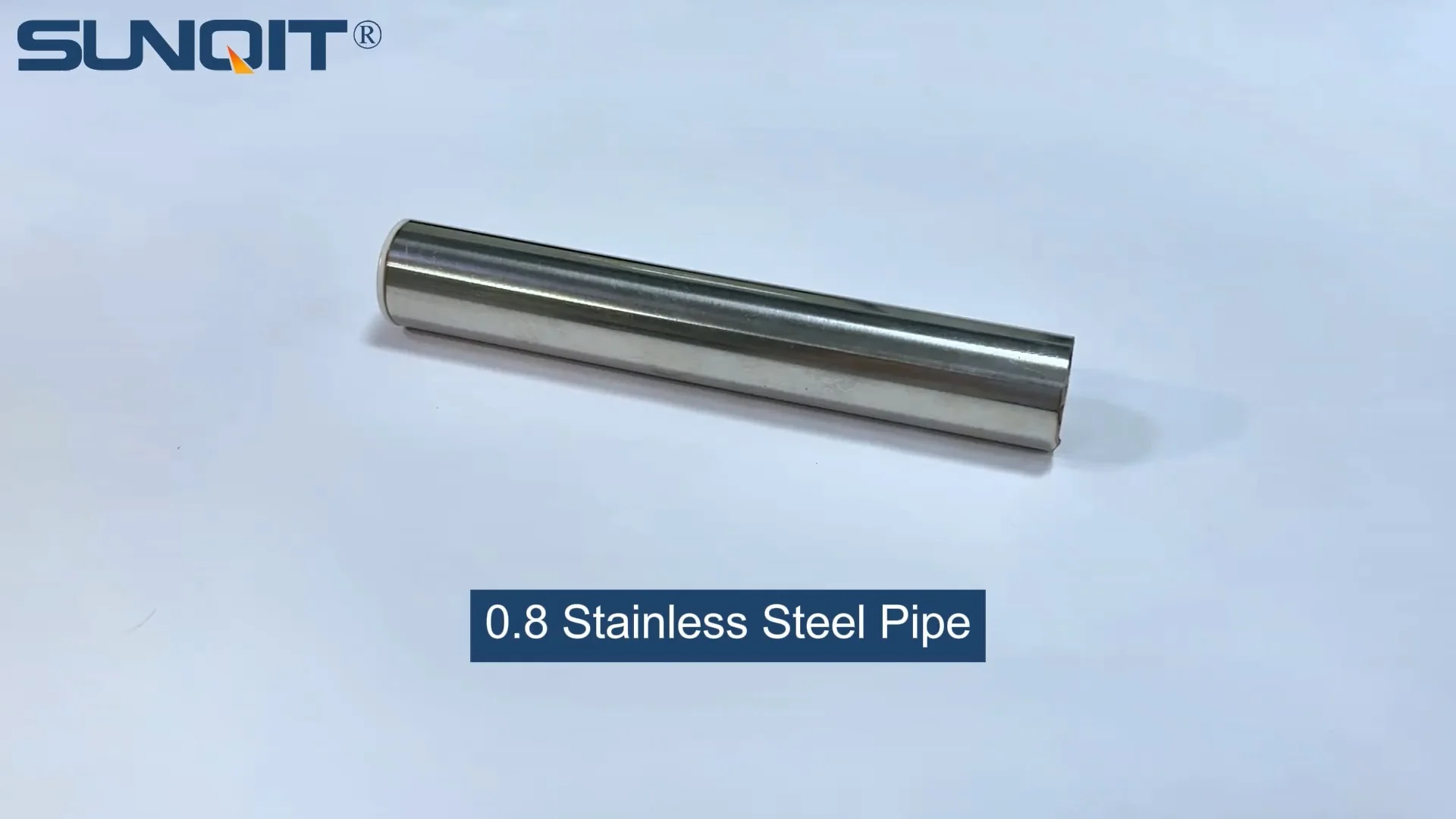
Walk into any modern manufacturing plant, and you'll notice a silent backbone holding everything together: pipes. Not the glamorous robots or high-tech machinery, but the unassuming metal tubes that form workbenches, support roller tracks, and frame assembly lines. Among these, the 1.5mm stainless steel pipe stands out—not for being the thickest or the shiniest, but for its remarkable ability to balance strength, flexibility, and heat resistance. In environments where temperatures swing from ambient to scorching, this pipe isn't just a component; it's a reliable partner that keeps production lines moving when the heat is on.
Understanding the Stainless Steel Pipe Series: Why 1.5mm Matters
Before diving into heat resistance, let's talk about the bigger family it belongs to: the stainless steel pipe series. This series includes pipes of various thicknesses, from ultra-thin 0.8mm tubes used in lightweight frames to heavy-duty 2.0mm options for industrial machinery. But the 1.5mm variant has carved out a unique niche. Why? Because in mechanical manufacturing, "just right" often beats "the strongest" or "the lightest." A 1.5mm pipe is thick enough to handle repeated stress and temperature changes, yet thin enough to be shaped into custom configurations—like the frames of workbenches or the rails of roller tracks—without adding unnecessary weight.
What makes stainless steel inherently heat-resistant? It all comes down to its composition. Most stainless steel pipes in manufacturing contain chromium (at least 10.5%) and nickel, which work together to form a passive oxide layer on the surface. This layer acts like a shield, preventing the metal from corroding or weakening when exposed to heat. For 1.5mm pipes, this shield is particularly critical: with less material than thicker pipes, every micron of that oxide layer counts in maintaining structural integrity under thermal stress.
The Thickness Factor: Why 1.5mm Strikes the Perfect Balance
You might wonder: If heat resistance is key, why not just use thicker pipes? Let's clarify: thickness alone doesn't equal better heat performance. A 2.0mm pipe, for example, can handle higher absolute temperatures, but it's heavier, harder to bend, and more expensive. On the flip side, a 1.0mm pipe is lightweight and flexible but risks warping or weakening when exposed to prolonged heat. The 1.5mm pipe sits in that sweet spot—sturdy enough to resist deformation, yet nimble enough to integrate into dynamic systems like mobile workbenches with caster wheels, where weight and maneuverability matter as much as heat tolerance.
| Stainless Steel Pipe Thickness | Maximum Continuous Heat Resistance (°C) | Tensile Strength at 200°C (MPa) | Common Manufacturing Applications |
|---|---|---|---|
| 1.0mm | 400-450 | 550-600 | Lightweight shelving, temporary partitions |
| 1.5mm | 500-550 | 650-700 | Workbenches, roller tracks, assembly line frames |
| 2.0mm | 600-650 | 750-800 | High-heat furnaces, heavy machinery frames |
The table above tells a clear story: 1.5mm stainless steel pipe hits the "Goldilocks zone" for most mechanical manufacturing needs. It can withstand the heat of welding sparks, the ambient warmth of a factory floor in summer, and even short bursts near heat-treating ovens—all while being easy to cut, bend, and assemble into complex structures like roller tracks or workbench frames. Let's dig deeper into how it pulls off this balancing act.

How 1.5mm Stainless Steel Pipe Resists Heat: The Science Behind the Shield
Heat resistance isn't just about "not melting"—it's about maintaining strength, shape, and safety when temperatures rise. For 1.5mm stainless steel pipe, this ability starts at the molecular level. Stainless steel contains chromium, which reacts with oxygen in the air to form a thin, invisible layer of chromium oxide on the pipe's surface. This layer is self-healing: if scratched or damaged, more chromium oxidizes to repair the gap, ensuring the pipe remains protected even in harsh environments.
At 500°C—common in processes like powder coating or curing adhesives—this oxide layer becomes even more critical. While other metals might start to soften or corrode, the 1.5mm pipe's layer acts as a thermal barrier, slowing heat transfer to the core. This means the pipe retains its rigidity, so the workbench holding a batch of freshly painted parts doesn't warp, and the roller track moving hot components doesn't sag under the weight.
Thermal conductivity plays another role. Stainless steel is a poor conductor of heat compared to aluminum or copper, which is a blessing in manufacturing. When a section of the pipe is exposed to localized heat—say, from a nearby welding torch—the heat spreads slowly. This prevents hotspots that could weaken the material, ensuring the entire structure remains stable. For 1.5mm pipes, this slow conduction is amplified by their moderate thickness: thick enough to resist rapid temperature swings, thin enough to avoid trapping heat that could cause long-term damage.

Real-World Applications: Where 1.5mm Stainless Steel Pipe Shines Under Heat
Workbenches: The Unsung Heroes of Assembly Lines
Think about a typical assembly line workbench. It's not just a flat surface; it's a hub of activity. Workers use soldering irons, heat guns, and even small torches to connect components, and the bench itself is often positioned near ovens or dryers. Over time, this constant exposure to heat can take a toll on lesser materials. But workbenches framed with 1.5mm stainless steel pipe stand firm.
Take a electronics manufacturing plant, for example. Here, circuit boards are soldered at temperatures around 350°C, and the fumes from flux can create a corrosive, warm environment. A workbench with a 1.5mm stainless steel frame doesn't just support the weight of the soldering equipment—it resists the heat radiating from the boards and the chemical attack from the fumes. Even better, when the workbench is mounted on caster wheels (a common upgrade for flexibility), the pipe's strength ensures the frame doesn't twist or bend when moved, even after years of heat exposure.
Roller Tracks: Moving Hot Materials Safely
In automotive factories, roller tracks are the arteries that carry parts from one station to the next. After painting, car doors or panels often exit curing ovens at 180-200°C and glide along these tracks to cooling stations. The tracks themselves? Often made with 1.5mm stainless steel pipes. Why? Because they need to handle the weight of the parts (which can be 20kg or more) while staying straight and smooth, even as the metal expands slightly under heat.
Consider a roller track in a foundry, where cast metal parts emerge from molds at 400°C. The track's pipes must not only support the hot parts but also resist warping as they heat up and cool down repeatedly. Thinner pipes might flex, causing jams, while thicker ones would be too heavy to install or adjust. The 1.5mm pipe, however, expands predictably and returns to its original shape, ensuring the roller track keeps moving parts without interruption.
Heat Treatment Zones: Bridging the Gap Between Furnace and Cooling
Heat treatment is a make-or-break step in manufacturing strong, durable parts. After hardening in a furnace at 800°C, parts like gears or shafts need to move quickly to quenching baths or cooling racks. The conveyors and chutes that transport them are often lined with 1.5mm stainless steel pipes. These pipes don't touch the parts directly (that's what roller track connectors and guides are for), but they form the structural support that keeps the entire system aligned.
In one aerospace factory I visited, titanium components are heat-treated to withstand extreme temperatures. The exit conveyor from the furnace uses 1.5mm stainless steel pipes spaced 10cm apart, with heat-resistant rollers mounted between them. Even though the pipes are only 3 meters from the furnace door (where temperatures can reach 300°C), they've maintained their shape for over five years. The plant manager noted, "We tried aluminum pipes first, but they warped within months. The stainless steel ones? We haven't had to replace a single section."
Comparing to Other Materials: Why Stainless Steel Beats Aluminum and Mild Steel
It's fair to ask: Why not use aluminum pipe instead? Aluminum is lighter and cheaper, after all. The answer lies in heat resistance. While aluminum pipe (a common alternative) works well in cool environments, it starts to soften at 200°C—far below the temperatures 1.5mm stainless steel handles with ease. In a study comparing the two, a 1.5mm aluminum pipe lost 30% of its tensile strength at 250°C, while the stainless steel pipe retained 90% of its strength at the same temperature.
Mild steel is another contender, but it's prone to rust when heated and exposed to moisture. In a manufacturing plant where cleaning solutions or condensation are common, a mild steel pipe would corrode quickly, weakening the structure. Stainless steel's chromium oxide layer, however, laughs off rust, even in warm, damp conditions. For a 1.5mm pipe, this longevity translates to lower replacement costs and less downtime—critical factors in tight production schedules.
Challenges and Solutions: Making the Most of 1.5mm Stainless Steel Pipe
No material is perfect, and 1.5mm stainless steel pipe has its quirks. One common issue is thermal expansion: when heated, the pipe grows slightly in length and diameter. In tightly fitted structures like roller tracks, this can cause binding if not accounted for. The fix? Using flexible connectors or leaving small gaps between pipe sections to allow for movement. Many lean pipe suppliers now offer specialized joints that pivot slightly, absorbing expansion without compromising stability.
Another challenge is cost. Stainless steel is pricier than mild steel or aluminum, but the investment pays off in longevity. A 1.5mm stainless steel pipe might cost 30% more upfront than a mild steel one, but it lasts 3-4 times longer in heat-intensive environments. For manufacturers running 24/7 operations, the math is clear: fewer replacements mean less downtime and higher overall productivity.
Choosing the Right Supplier: What to Look For
Not all 1.5mm stainless steel pipes are created equal. To ensure you're getting a heat-resistant product, start by asking your supplier about material certifications. Look for pipes made from 304 or 316 stainless steel—these grades have higher chromium and nickel content, boosting heat and corrosion resistance. A reputable lean pipe supplier will provide test reports showing tensile strength at high temperatures and oxide layer thickness, giving you confidence that the pipe can handle your specific manufacturing conditions.
Also, consider the supplier's experience with heat-intensive industries. A supplier who specializes in food processing (where stainless steel is used for hygiene, not heat) might not understand the unique needs of automotive or aerospace plants. Ask for case studies or references from clients in similar fields—this will tell you if they've truly mastered the art of delivering heat-resistant 1.5mm pipes.
Conclusion: The Quiet Reliability of 1.5mm Stainless Steel Pipe
In the fast-paced world of mechanical manufacturing, it's easy to overlook the small components that keep everything running. But the 1.5mm stainless steel pipe deserves recognition. It's the reason workbenches stay level after years of heat exposure, roller tracks keep moving hot parts without jamming, and assembly lines remain sturdy when temperatures rise. It's not flashy, but it's reliable—and in manufacturing, reliability is everything.
So the next time you walk through a factory, take a moment to look at the pipes. Chances are, many of them are 1.5mm stainless steel, quietly doing their job, heat-resistant and unyielding. They're not just metal tubes—they're the backbone of modern manufacturing, proving that sometimes, the most essential tools are the ones that work hardest behind the scenes.