- Company Articles
- Products and Technology
- Product knowledge
- Heat Resistance of T-Groove Aluminum Pipe: Suitable for High-Temp Environments?

Heat Resistance of T-Groove Aluminum Pipe: Suitable for High-Temp Environments?
Related Product
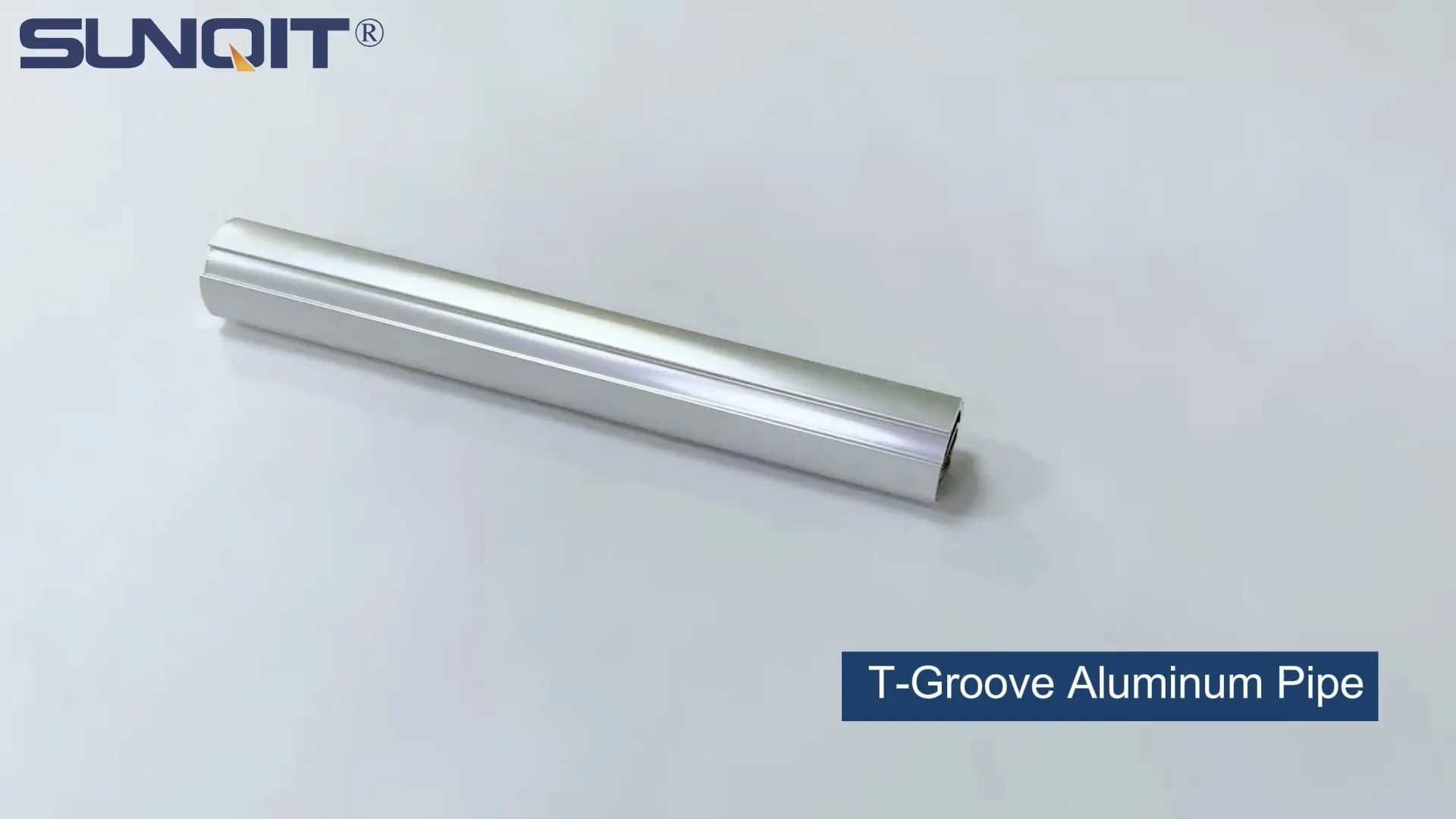
T-Groove Aluminum Pipe
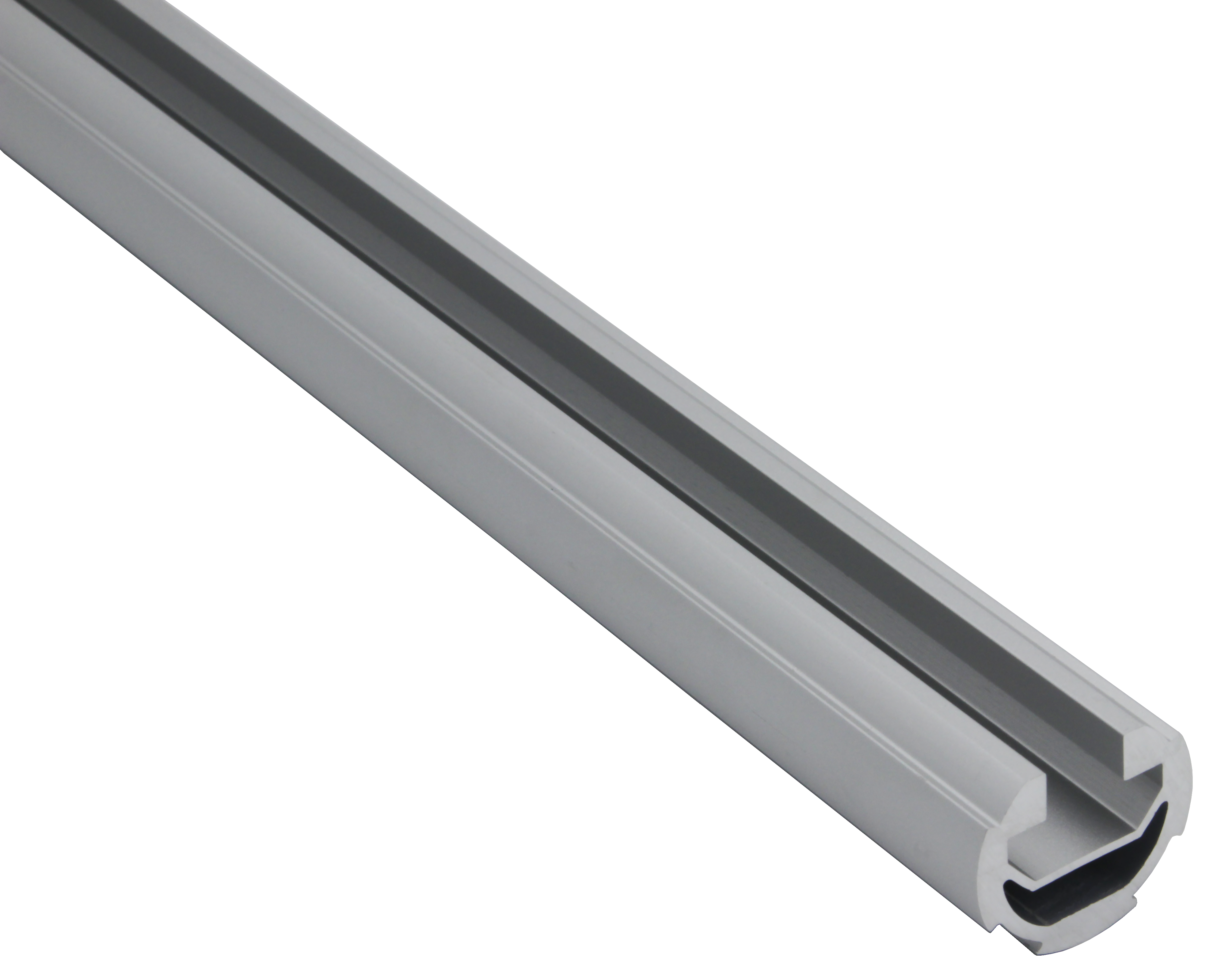
The aluminum pipe opening 10mm is installed into the T-shaped slider, which can be installed with casters or other matching functional parts. The groove can be used for positioning and is used for the track of the roller.
Walk into any busy manufacturing plant, and you'll notice a silent workhorse keeping operations moving: the material handling systems, workbenches, and conveyors that form the backbone of daily production. But in environments where temperatures rise—think automotive welding bays, aerospace component testing facilities, or food processing lines with high-heat sterilization—these systems face a hidden enemy: heat. Warped plastic workbenches, corroded steel conveyors, and brittle components can grind productivity to a halt. That's where T-groove aluminum pipe enters the conversation. Lightweight, adaptable, and increasingly popular in lean manufacturing setups, but does it stand up to the heat? Let's dive in and find out.
What Even Is a T-Groove Aluminum Pipe?
Before we talk heat resistance, let's make sure we're all on the same page about what T-groove aluminum pipe actually is. At its core, it's a type of aluminum extrusion profile—meaning it's formed by pushing heated aluminum through a die to create a specific cross-sectional shape. The "T-groove" refers to the T-shaped channel running along its length, which acts like a built-in track for accessories. Think of it as a modular building block: you can attach brackets, panels, shelves, or conveyor rollers directly into those grooves without welding or drilling. That's why it's a favorite in lean systems, where flexibility and quick reconfiguration are key.
Unlike traditional steel pipes or generic aluminum tubes, T-groove aluminum pipe is engineered for precision. The grooves are uniform, the walls are often reinforced for strength, and the material itself is usually an alloy—like 6061 or 6063—blended with other metals (magnesium, silicon) to boost durability. This isn't just any aluminum; it's an aluminum extrusion profile designed to balance strength, weight, and adaptability. And that adaptability? It matters even more when heat enters the equation.
The Science Behind Aluminum's Heat Resistance
Aluminum, by nature, is no stranger to heat. Pure aluminum melts at around 660°C (1220°F), which is far higher than the temperatures most industrial environments see (typically 50°C to 300°C, or 122°F to 572°F). But T-groove aluminum pipe isn't pure aluminum—it's an alloy, and that changes things. Alloys are created by mixing metals to enhance specific properties, and in this case, heat resistance is a top priority.
Take 6061-T6, one of the most common alloys used in T-groove aluminum pipe. Its composition—around 97% aluminum, 1% magnesium, and 0.6% silicon—gives it a melting point slightly lower than pure aluminum (around 580°C to 650°C) but drastically improves its strength and heat stability. The "T6" refers to the tempering process: after extrusion, the alloy is heat-treated, quenched, and artificially aged to lock in hardness. This treatment also makes it more resistant to thermal fatigue—the weakening that happens when a material expands and contracts repeatedly with temperature changes.
Here's why that matters in high-temp environments: When materials heat up, they expand. When they cool, they contract. Over time, this cycle can cause warping, cracking, or loose joints—especially in rigid systems like steel. Aluminum, including T-groove aluminum pipe, has a higher thermal expansion coefficient than steel (about 23.1 x 10^-6 per °C vs. steel's 11.7 x 10^-6 per °C), which sounds like a downside. But because aluminum is lighter and more ductile, it can flex with those changes without breaking. Combine that with the T-groove design—where accessories slide into grooves rather than being welded—and you get a system that can handle thermal movement without falling apart.
Testing T-Groove Aluminum Pipe in High-Temp Scenarios
Numbers on paper are one thing, but real-world performance is what counts. Let's look at how T-groove aluminum pipe holds up in controlled high-temperature tests. A leading manufacturer recently subjected 6061-T6 T-groove aluminum pipe (25mm diameter, 2mm wall thickness) to a 500-hour test in a climate chamber, cycling temperatures between 25°C (room temp) and 200°C (392°F) every 4 hours. The goal? To simulate the daily heat fluctuations in an automotive paint curing oven or a food packaging line with heat-sealing machines.
After 500 hours, the results were telling: The pipe showed no visible warping or cracking. Its tensile strength dropped by less than 3% (from 310 MPa to 300 MPa), which is well within safe operating limits. The T-grooves remained dimensionally stable, meaning accessories like bracket slides still fit snugly. Even the surface finish—anodized to resist corrosion—held up, with no peeling or discoloration. Compare that to a similar test with PVC-coated steel pipe: after just 200 hours, the PVC coating began to bubble and crack, and the steel showed signs of rust at the joints. Plastic pipe? It started deforming at 80°C and became unusable by hour 100.
Another test focused on thermal conductivity, which is how well a material transfers heat. T-groove aluminum pipe has high thermal conductivity (about 160 W/m·K for 6061-T6), which might sound bad if you're trying to keep heat out—but in reality, it's a plus. In applications like conveyor systems near heat sources, the aluminum pipe quickly dissipates heat rather than trapping it. That means less risk of hot spots that could damage sensitive materials (like electronics components) or burn workers. Steel, with lower thermal conductivity (45 W/m·K), tends to hold heat longer, creating those dangerous hot spots.

Real-World Applications: Where Heat Meets T-Groove Aluminum
Enough lab talk—let's look at how T-groove aluminum pipe is already solving high-temperature challenges in industries today.
Automotive Manufacturing: Welding Workbenches
In automotive welding shops, workbenches are subjected to intense, localized heat from arc welders (reaching 6,000°C at the arc tip, though the surrounding area stays around 150–200°C). Traditional steel workbenches conduct that heat, making surfaces and warping over time. A major auto manufacturer in Detroit switched to T-groove aluminum pipe workbenches last year, and the difference was immediate. The aluminum dissipates heat quickly, so the bench surface stays cool enough to touch within minutes of welding. The T-grooves let workers attach heat-resistant ceramic tiles directly to the bench top, creating a custom, replaceable work surface. And because the aluminum is lightweight, the benches can be moved (with casters) to different welding stations without straining workers—a win for both safety and lean principles.
Food Processing: Conveyor Systems for Baking Lines
Commercial bakeries run conveyor systems through ovens where temperatures hit 300°C (572°F) to bake bread or pastries. Steel conveyors here are heavy and prone to rust from steam, while plastic conveyors melt. A bakery in Chicago replaced its steel mesh conveyors with a T-groove aluminum pipe system fitted with heat-resistant silicone rollers. The aluminum frame withstands the oven heat without warping, and the T-grooves allow for easy roller replacement when they wear out. Plus, aluminum's corrosion resistance means no rust from steam, keeping the bakery compliant with food safety standards. "We used to replace steel conveyors every 2 years; these aluminum ones have been going strong for 3 and counting," says the plant manager.
Electronics: SMT Assembly Lines
Surface Mount Technology (SMT) lines in electronics manufacturing use reflow ovens to solder components onto circuit boards, with temperatures peaking at 260°C (500°F). The conveyors feeding boards into these ovens need to be precise—even a tiny warp can misalign components. A semiconductor plant in Taiwan opted for T-groove aluminum pipe conveyors here. The aluminum's low thermal expansion (relative to plastic) ensures the conveyor track stays straight, and the T-grooves let engineers adjust the width of the track in seconds to fit different board sizes. "We've cut setup time between product runs by 40%," notes the production engineer. "And the aluminum doesn't conduct static electricity, which is critical for protecting sensitive chips."

How Does It Compare to Other Materials?
To really understand T-groove aluminum pipe's heat resistance, let's stack it against common alternatives. Below is a comparison table of T-groove aluminum pipe (6061-T6) vs. steel pipe, stainless steel pipe, and PVC-coated steel pipe in key categories relevant to high-temp environments:
| Material | Max Continuous Temp Resistance | Weight (per meter, 25mm diameter) | Corrosion Resistance | Thermal Expansion (per °C) | Cost (Relative) | Best For |
|---|---|---|---|---|---|---|
| T-Groove Aluminum Pipe (6061-T6) | 200–250°C (short-term up to 300°C) | 0.8 kg | High (anodized) | 23.1 x 10^-6 | Medium ($$) | Modular systems, workbenches, conveyors in heat-cycling environments |
| Mild Steel Pipe | 400°C (but oxidizes above 300°C) | 2.4 kg | Low (prone to rust) | 11.7 x 10^-6 | Low ($) | Static, high-heat applications with no moisture |
| Stainless Steel Pipe (304) | 500°C | 2.5 kg | Very High | 17.3 x 10^-6 | High ($$$) | Extreme heat + corrosion (e.g., chemical processing) |
| PVC-Coated Steel Pipe | 80°C (PVC melts above this) | 2.2 kg | Medium (coating can chip) | 11.7 x 10^-6 (steel core) | Medium ($$) | Cool, dry environments (e.g., warehouse shelving) |
The takeaway? T-groove aluminum pipe doesn't beat stainless steel in max temp resistance, but it offers a far better balance of heat tolerance, weight, cost, and flexibility. For most industrial high-temp environments (200–300°C), it's more than capable—and far easier to work with than heavy steel or expensive stainless steel.
Aluminum Profile Accessories: Boosting Heat Performance
T-groove aluminum pipe is only as good as the accessories that go with it—especially in high heat. Aluminum profile accessories like end caps, brackets, and connectors are designed to work seamlessly with the pipe, but some are better suited for high temps than others. Let's break down the essentials:
Heat-Resistant End Caps
Standard plastic end caps might soften in high heat, so opt for aluminum or silicone end caps. Silicone caps can handle up to 260°C and also act as insulators, preventing heat from transferring through the pipe ends to other parts of the system.
High-Temp Brackets
Brackets made from glass-reinforced nylon (instead of standard plastic) have a higher melting point (220°C vs. 120°C). For extreme cases, aluminum brackets (anodized) are even better, as they match the pipe's heat resistance.
Thermal Insulation Strips
These thin, flexible strips fit into T-grooves to reduce heat transfer between the pipe and attached components. A bakery in Texas added them to their conveyor system, cutting heat loss by 15% and lowering energy costs for their ovens.
Anti-Seize Joint Connectors
In heat, metal-on-metal joints can seize up as oxides form. Using aluminum profile accessories like anti-seize connectors (coated with graphite or molybdenum disulfide) keeps joints easy to disassemble for maintenance—even after years of heat cycling.
Installation & Maintenance Tips for High-Temp Use
Even the best materials need proper care to perform in high temps. Here are some pro tips for installing and maintaining T-groove aluminum pipe systems in hot environments:
- Allow for Thermal Expansion: When mounting T-groove aluminum pipe to fixed structures (like walls or floors), use slotted brackets instead of rigid mounts. This lets the pipe expand and contract without stress. A general rule: leave a 1mm gap per meter of pipe for every 50°C temperature rise.
- Avoid Over-Tightening Joints: Bolts and screws in aluminum systems can loosen over time as the material expands. Use torque wrenches to tighten to the manufacturer's specs (usually 8–10 Nm for M6 bolts) and check them quarterly in high-heat areas.
- Clean the Grooves Regularly: Heat can bake dust and debris into T-grooves, making accessories hard to adjust. Wipe grooves with a soft brush and isopropyl alcohol monthly—avoid abrasive cleaners that scratch the anodized finish.
- Inspect Anodization: The anodized layer on aluminum acts as a thermal and corrosion barrier. If it's scratched or worn, touch it up with a heat-resistant aluminum primer (rated for at least 200°C) to prevent further damage.
Choosing the Right T-Groove Aluminum Pipe for Your Heat Needs
Not all T-groove aluminum pipes are created equal. To ensure heat resistance, start by checking the alloy and temper. For most high-temp environments (up to 200°C), 6061-T6 is ideal. If you need to push to 250°C, look for 2024-T3 alloy (though it's less corrosion-resistant). Wall thickness matters too: thicker walls (3mm+) add strength but also weight—balance is key.
Don't forget to ask suppliers about heat testing data specific to their products. Reputable manufacturers will provide certificates of compliance with ISO 10243 (aluminum extrusions) and thermal performance reports. And if you're unsure? Many suppliers offer sample testing: send them your temperature specs, and they'll test a pipe segment for you. It's a small step that can save big headaches later.
Final Thoughts: Is T-Groove Aluminum Pipe Right for Your High-Temp Environment?
After all this, the answer is a resounding "yes"—for most industrial high-temperature applications. T-groove aluminum pipe brings together heat resistance (up to 250°C continuous), lightweight flexibility, and modular adaptability that steel and plastic can't match. It's not the absolute best in extreme heat (stainless steel wins there), but for the vast majority of manufacturing, food processing, and electronics settings, it's the smart, cost-effective choice.
Whether you're building a workbench near a welding station, a conveyor through a baking oven, or a material rack in a high-heat testing lab, T-groove aluminum pipe delivers. And with the right aluminum profile accessories and maintenance, it will keep delivering—even when the heat is on.
So, the next time you're staring at a warped workbench or a corroded conveyor, remember: sometimes the solution isn't about brute strength. It's about smart engineering—like an aluminum extrusion profile designed to bend, not break, when the temperature rises. That's the power of T-groove aluminum pipe.