- Company Articles
- Products and Technology
- Product knowledge
- Heat Resistance of T Slot Aluminum Pipe: Suitable for High-Temp Factories?

Heat Resistance of T Slot Aluminum Pipe: Suitable for High-Temp Factories?
Related Product
T Slot Aluminum Pipe
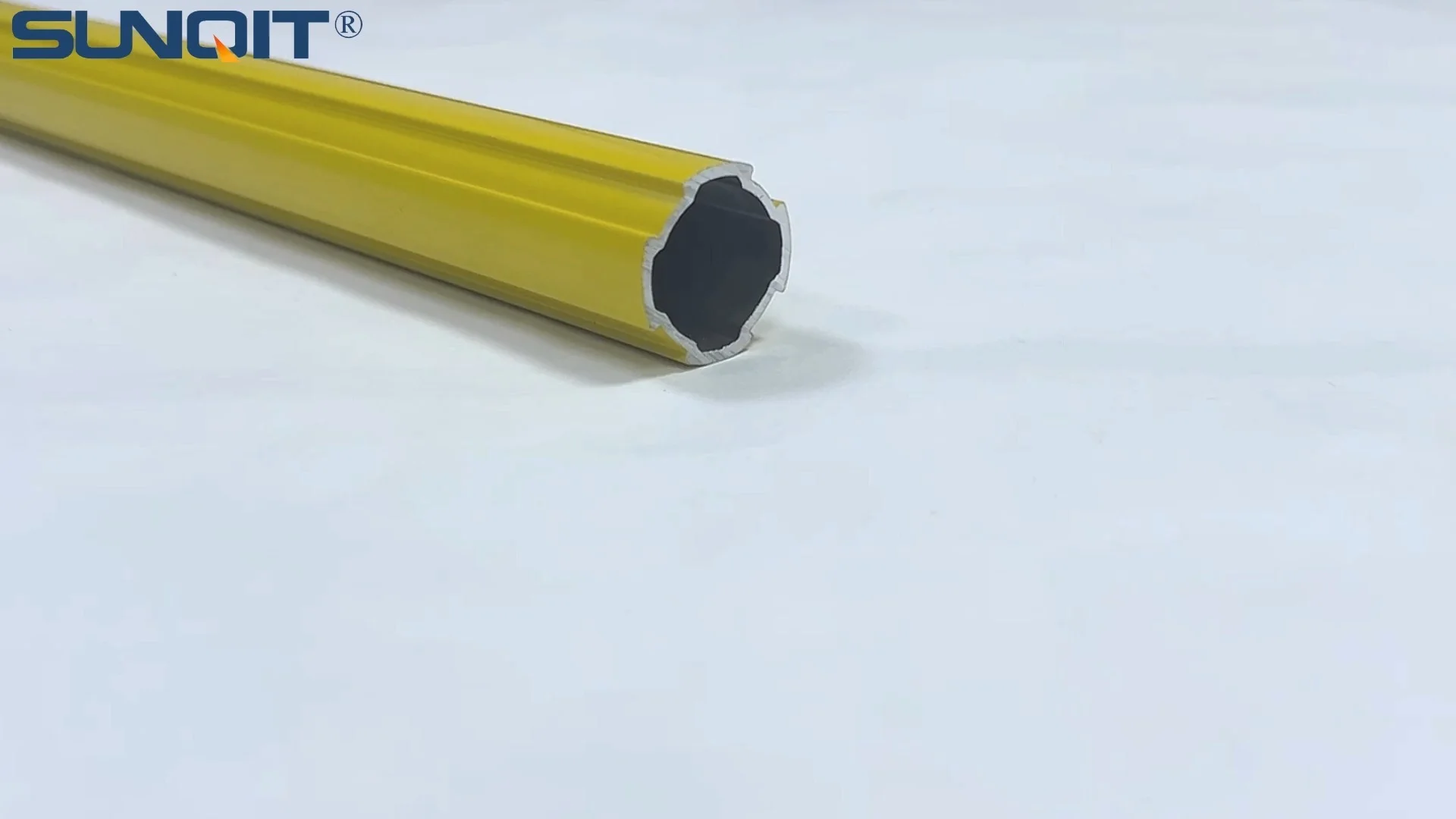
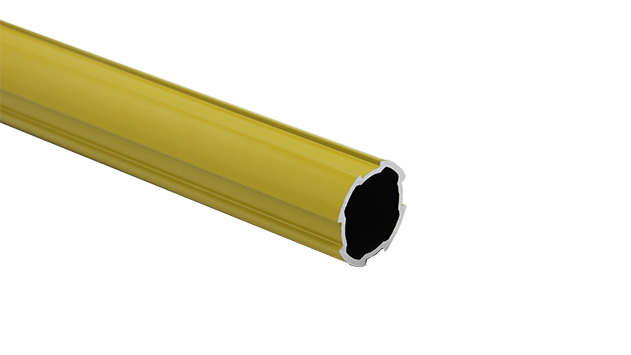
Aluminum pipe, it is used for workbench, flow rack,hand trolley assemble work with advantage of flexible and durable, yellow color makes it more attactive as a caution remind.
Walk into any high-temperature factory – whether it's automotive manufacturing, electronics assembly, or food processing – and you'll notice a common challenge: equipment that just can't keep up with the heat. Conveyor belts warp, workbenches degrade, and storage racks lose stability, all while production deadlines loom. For managers and engineers, finding materials that balance durability, flexibility, and heat resistance isn't just a nice-to-have; it's the backbone of keeping operations running smoothly. That's where T slot aluminum pipe comes into play. But is it really the hero high-temperature facilities have been waiting for? Let's dive in.
What is T Slot Aluminum Pipe, Anyway?
First things first: Let's clarify what we're talking about. T slot aluminum pipe, often referred to as a aluminum extrusion profile , is a type of modular building material made by forcing heated aluminum alloy through a die to create a specific cross-sectional shape – in this case, a pipe with a T-shaped slot running along its length. This slot isn't just for show; it's the secret to its versatility. It allows for easy attachment of accessories like brackets, connectors, and panels without welding or drilling, making assembly and reconfiguration a breeze.
Unlike traditional steel pipes or plastic tubing, T slot aluminum pipe is lightweight yet surprisingly strong. It's part of a broader family of aluminum profile systems used in everything from industrial workbenches to machine guards, and yes – high-temperature applications. But what makes it stand out in hot environments? Let's start with the science.
The Science Behind Aluminum's Heat Resistance
Aluminum has a few tricks up its sleeve when it comes to handling heat. For starters, it has a relatively high melting point: 660°C (1220°F). To put that in perspective, most high-temperature factories operate between 50°C (122°F) and 200°C (392°F) – well below aluminum's melting point. Even in extreme cases, like foundries or glass manufacturing, where temperatures can spike to 300°C (572°F), aluminum remains stable, though it may start to soften slightly (but not melt) around 200°C. For context, plastic pipes typically melt between 100°C and 180°C, and while steel can handle much higher temps (melting around 1370°C), it's far heavier and less flexible.
Another key advantage is aluminum's thermal conductivity. It conducts heat quickly, which might sound like a downside – wouldn't that make it hot to touch? Actually, no. Because it dissipates heat so efficiently, T slot aluminum pipe doesn't retain heat like steel does. In a factory with ambient temperatures of 150°C, a steel workbench might stay scalding hot for hours, while an aluminum one cools down as soon as the heat source is removed. This not only makes it safer for workers (no more burned hands!) but also reduces the risk of heat-related warping over time.
Lastly, aluminum forms a natural protective layer: aluminum oxide. When exposed to air, the metal reacts with oxygen to create a thin, invisible film (about 0.00001mm thick) that resists corrosion and prevents further oxidation – even at high temperatures. This layer acts like a shield, stopping rust or degradation that could weaken the pipe in hot, humid, or chemically active environments (think factories with steam or cleaning agents).
T Slot Aluminum Pipe vs. the Competition: How It Stacks Up
To really understand if T slot aluminum pipe is right for high-temp factories, let's compare it to the two most common alternatives: steel and plastic.
| Property | T Slot Aluminum Pipe | Steel Pipe | Plastic Pipe (PVC/ABS) |
|---|---|---|---|
| Melting Point | 660°C (1220°F) | 1370°C (2500°F) | 100-180°C (212-356°F) |
| Weight (per meter, 40mm diameter) | 1.2kg | 3.8kg | 0.8kg |
| Thermal Conductivity | High (dissipates heat quickly) | Very high (retains heat) | Low (traps heat, warps) |
| Corrosion Resistance | Excellent (oxide layer) | Poor (rusts without coating) | Good (but degrades in UV/heat) |
| Modularity | High (T-slot for easy accessories) | Low (requires welding/drilling) | Medium (limited accessory options) |
| Cost (per meter) | Moderate ($15-$30) | Low ($10-$20) | Low ($5-$15) |
The takeaway? Steel wins for extreme heat (like foundries), but it's heavy, hard to modify, and prone to rust. Plastic is cheap and light but melts too easily for most high-temp work. T slot aluminum pipe hits the sweet spot for factories operating between 50°C and 300°C, offering a balance of heat resistance, flexibility, and durability.

Key Applications in High-Temp Factories: Where T Slot Aluminum Shines
Now that we know the "why," let's talk about the "how." How do factories actually use T slot aluminum pipe in hot environments? Here are three critical applications:
1. Lean Systems and Workbenches
Lean manufacturing relies on minimizing waste and maximizing efficiency – and that means workspaces that can adapt. In high-temp settings, lean system components like workbenches and assembly stations take a beating. T slot aluminum pipe workbenches (often paired with heat-resistant tops like aluminum honeycomb panels) are ideal here. They're lightweight enough to reposition as production lines change, and their modular design lets workers add tool holders, shelves, or ESD (electrostatic discharge) mats without hassle. Plus, as we mentioned earlier, they don't retain heat, so tools and parts placed on them stay at a safe temperature – no more warped plastic components or overheated electronics.
2. Conveyors and Flow Racks
Conveyor systems in high-temp factories (think baked goods, automotive paint shops, or electronics soldering lines) need to move parts quickly without jamming or warping. T slot aluminum pipe is a popular choice for roller conveyors and flow racks because its lightweight nature reduces friction on motors, extending their lifespan. The T-slot design also makes it easy to attach roller tracks (like plastic roller track guide rails in yellow or grey) and adjust their height or angle to accommodate heat-related expansion. Unlike steel conveyors, which can seize up when hot, aluminum's slight flexibility allows for minor expansion without breaking joints – a small detail that prevents major downtime.
3. Storage and Material Handling
Storage racks in hot warehouses or drying facilities face two challenges: heat and humidity. Steel racks rust, plastic racks warp, but T slot aluminum pipe racks stay strong. They're often used for storing heavy parts (like engine components in automotive plants) or heat-sensitive materials (like circuit boards in electronics manufacturing). And when paired with aluminum profile accessories like corrosion-resistant end caps or T-slot rubber seal covers (which block dust and moisture), they become even more durable.

Aluminum Profile Accessories: The Unsung Heroes of Heat Resistance
A pipe is only as good as its accessories, and T slot aluminum pipe's ecosystem of add-ons is designed to enhance its performance in high temps. Let's highlight a few standouts:
- Aluminum Profile Rubber Strip: These flexible strips fit into the T-slot to seal gaps, preventing heat, dust, or moisture from getting inside the pipe. They're made from heat-resistant silicone, so they won't degrade or become brittle in hot environments.
- Internal Rotary Aluminum Joints: These connectors allow pipes to pivot slightly, absorbing the minor expansion and contraction that happens with temperature changes. In rigid steel systems, this movement can crack welds – but with aluminum joints, it's a non-issue.
- Heat-Resistant Casters: For mobile equipment like turnover trolleys, casters with aluminum or steel wheels (instead of plastic) ensure they don't melt or warp when rolling over hot floors.
- Aluminum Guide Rails: Used in conveyors, these rails (like Aluminum Guide Rail A or B) are anodized to resist heat and scratches, keeping parts moving smoothly even when temperatures spike.
The best part? These accessories are designed to work together seamlessly. A T slot aluminum pipe workbench might use internal rotary joints for flexibility, aluminum guide rails for part feeding, and rubber strips to seal against heat – all without needing special tools or expertise.
Real-World Case Study: Automotive Plant Cuts Downtime by 40% with T Slot Aluminum
Let's put this into perspective with a real example. A mid-sized automotive parts manufacturer in Michigan was struggling with their engine block assembly line. The line operated at 180°C (356°F) due to the curing ovens nearby, and their steel workbenches and flow racks were causing constant headaches: tools slipped on hot surfaces, steel racks warped, and conveyor rollers seized up monthly, leading to 8-10 hours of downtime per week.
After consulting with a lean pipe supplier , they switched to T slot aluminum pipe workbenches (model Aluminum Workbench E, single deck without casters) and flow racks (Material Rack B, 3 rows and 3 floors) equipped with aluminum guide rails and plastic roller track guide rails (grey, for heat resistance). The results were dramatic:
- Downtime dropped to 3-4 hours per week (a 40% reduction) because the aluminum conveyors no longer seized.
- Worker complaints about hot surfaces decreased by 75% – aluminum workbenches stayed cool enough to touch.
- Maintenance costs fell by $12,000 annually, as the aluminum system required fewer repairs and replacements.
"We were skeptical at first – aluminum seemed too light for our heavy engine blocks," said the plant manager. "But now? We're converting all our hot lines to T slot aluminum. It's been a game-changer."
Considerations for Choosing T Slot Aluminum Pipe
While T slot aluminum pipe is a strong contender for high-temp factories, it's not a one-size-fits-all solution. Here are a few things to keep in mind before making the switch:
Temperature Limits
As we noted earlier, aluminum starts to soften around 200°C. If your factory regularly exceeds 250°C (e.g., foundries, ceramic manufacturing), you might need to pair it with heat-resistant coatings or consider steel for critical components. For most other high-temp settings (50°C-200°C), though, it's more than capable.
Load Capacity
Aluminum is strong, but it's not as strong as steel. If you're storing extremely heavy items (over 500kg per shelf), you may need to reinforce T slot aluminum racks with additional supports or choose thicker-walled pipes (like 4080 aluminum profile instead of 2020).
Cost vs. Longevity
T slot aluminum pipe costs more upfront than plastic or basic steel. But when you factor in lower maintenance, longer lifespan (10-15 years vs. 3-5 for plastic), and reduced downtime, it often pays for itself within 1-2 years. Think of it as an investment, not an expense.
Conclusion: T Slot Aluminum Pipe – A Smart Choice for High-Temp Factories
So, is T slot aluminum pipe suitable for high-temperature factories? The answer is a resounding yes – for most. Its combination of heat resistance (up to 250°C), lightweight design, modularity, and durability makes it a standout choice for lean systems, workbenches, conveyors, and storage racks in environments ranging from automotive paint shops to electronics assembly lines. When paired with the right aluminum profile accessories (like heat-resistant joints and guide rails), it becomes even more powerful, reducing downtime, improving safety, and cutting maintenance costs.
Of course, it's not perfect. If your factory operates above 250°C or requires ultra-heavy load capacities, steel might still be necessary. But for the majority of high-temp facilities, T slot aluminum pipe isn't just a material – it's a tool for building resilient, efficient operations that can handle the heat and keep production moving. And in today's fast-paced manufacturing world, that's more than just an advantage; it's a necessity.