- Company Articles
- Products and Technology
- Product knowledge
- Heavy-Duty All Direction Roller Track: Industrial Strength Solutions

Heavy-Duty All Direction Roller Track: Industrial Strength Solutions
Related Product
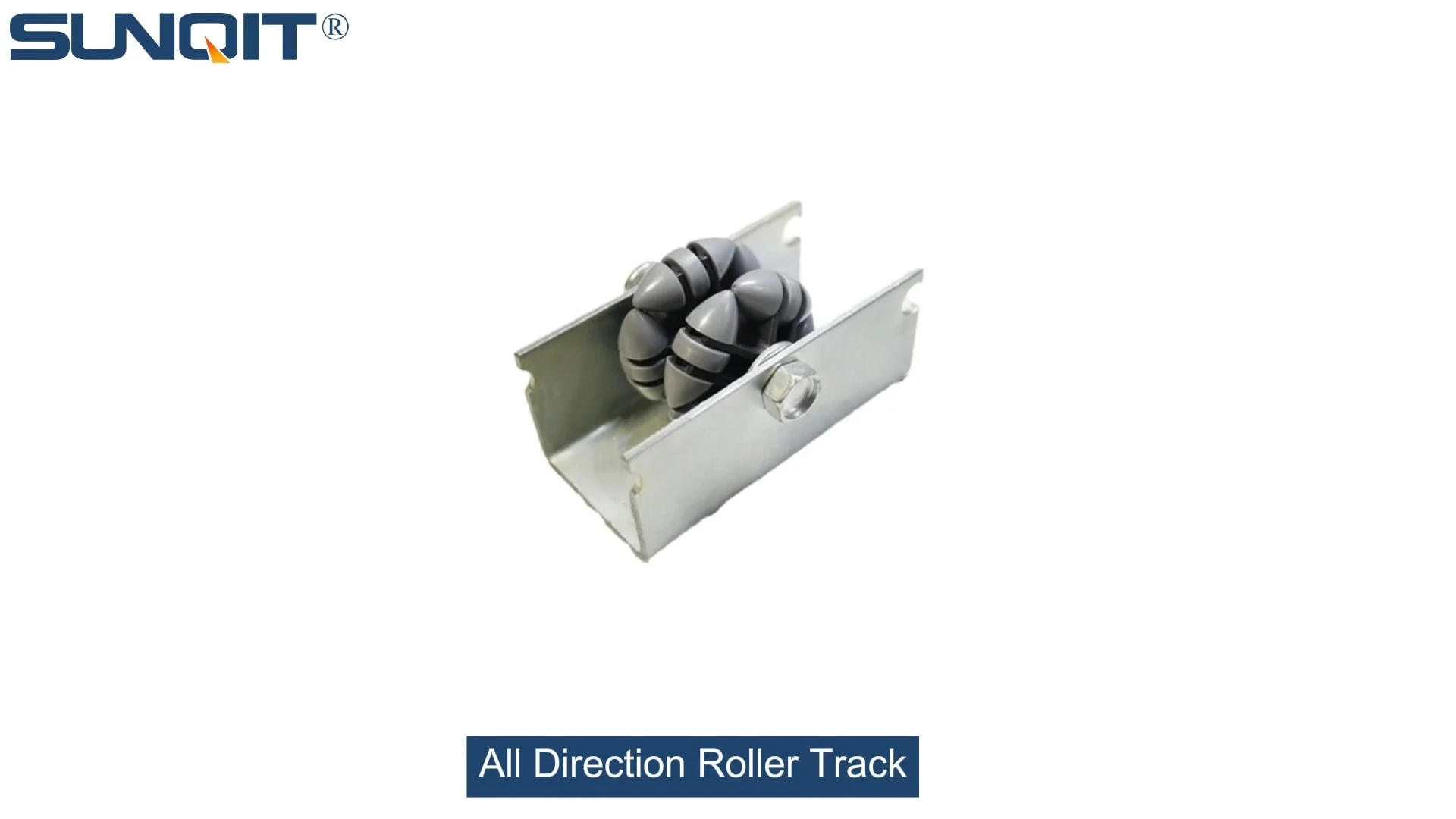
All Direction Roller Track
All direction roller track made of steel frame and multiple direction move wheel which will make boxes are always in contact with the rollers, reducing jams and enhancing flow reliability.
In the heart of modern manufacturing facilities, where every second counts and efficiency directly impacts profitability, there's an unsung hero working behind the scenes: the material handling system. From the moment raw materials arrive at the warehouse to the final assembly line where products take shape, the way materials flow through your facility can make or break your production goals. Yet many manufacturers still struggle with rigid, outdated conveyor systems that resist quick adjustments, slow down workflows, and create bottlenecks that no one seems able to fix.
This is where heavy-duty all direction roller tracks step in—not just as pieces of equipment, but as dynamic solutions designed to adapt to the ever-changing needs of today's factories. Whether you're managing a bustling automotive parts plant, a precision 3C electronics assembly line, or a medical device manufacturing facility, these roller tracks are engineered to transform how your team moves materials, reduces waste, and stays ahead in a competitive market.
The Hidden Challenges in Manufacturing Logistics
Walk through any manufacturing floor, and you'll notice the same silent struggles repeating themselves. In a consumer electronics factory, workers might be manually lifting circuit board trays onto fixed conveyors because the existing track can't angle to their workbench height. In a medical device plant, strict sanitation requirements mean traditional steel tracks need constant cleaning, eating into production time. In automotive facilities, seasonal production spikes demand rapid reconfiguration of material routes, but bolted-down systems take days to adjust—by which time the opportunity to meet tight deadlines has passed.
These aren't just minor inconveniences. The U.S. Bureau of Labor Statistics reports that material handling inefficiencies account for up to 23% of lost productivity in manufacturing. That translates to thousands of dollars in wasted labor hours, delayed orders, and frustrated teams forced to work around systems instead of with them. The root cause? Many facilities are still using one-size-fits-all material handling solutions that prioritize durability over adaptability—ignoring the reality that modern manufacturing thrives on flexibility.
Key Insight: Today's manufacturers don't just need equipment that moves materials—they need systems that grow with their operations. A roller track that can pivot, extend, and reconfigure in hours instead of days isn't a luxury; it's a necessity for staying agile in markets where product lines change quarterly and customer demands shift overnight.
Heavy-Duty All Direction Roller Track: Where Strength Meets Flexibility
Heavy-duty all direction roller tracks are designed to solve these exact challenges. Unlike traditional fixed-direction tracks, these systems feature omnidirectional rollers that allow materials to move forward, backward, and even sideways with minimal effort. This 360-degree movement capability transforms static production lines into dynamic workspaces where material routes can be adjusted on the fly, without specialized tools or lengthy downtime.
Take, for example, the 85 staggered steel roller track—a popular choice for heavy industries like automotive and machinery manufacturing. Its staggered roller design ensures even weight distribution, preventing jams even when transporting unevenly shaped parts like engine blocks or transmission components. The 40 steel roller track with ESD wheels, on the other hand, is a game-changer for 3C electronics assembly, where static electricity can damage sensitive microchips. These tracks dissipate static charges safely, eliminating the need for separate grounding equipment and reducing quality control issues by up to 18%.
| Roller Track Type | Primary Application | Key Advantage | Weight Capacity |
|---|---|---|---|
| 85 Steel Roller Track | Automotive, Heavy Machinery | Staggered rollers for uneven loads | 800 kg/m |
| 40 Steel Roller Track (ESD Wheels) | 3C Electronics, Circuit Boards | Static dissipation, damage prevention | 500 kg/m |
| 38 Aluminum Roller Track with Side Guide | Medical Devices, Precision Parts | Lightweight yet durable, easy cleaning | 350 kg/m |
| Mini Aluminum Roller Track | Small Parts Assembly (Watch, Phone Components) | Compact design for tight workspaces | 150 kg/m |

Aluminum Profile: The Material Making It All Possible
What truly sets these roller tracks apart is the engineering behind their construction—specifically, the use of high-grade aluminum profiles. Unlike traditional steel tracks that are heavy, prone to rust, and difficult to modify, aluminum brings a unique set of advantages that directly address manufacturing pain points.
Our roller tracks are built using 6063-T5 aluminum extrusion profiles, a material chosen for its exceptional strength-to-weight ratio. This isn't just about reducing physical strain on workers (though that's a big plus). Aluminum's lightweight nature means a single technician can reposition a 10-foot track section in under 10 minutes, compared to 45 minutes with steel tracks requiring two people. For facilities running multiple shifts, this quick adjustability translates to zero production downtime during reconfigurations—a critical advantage when meeting rush orders.
But aluminum doesn't just make the tracks easier to handle; it enhances their performance. The corrosion-resistant properties of aluminum mean these tracks thrive in harsh environments, from the oil-rich floors of automotive plants to the humidity-controlled spaces of food packaging facilities. Unlike steel, which needs regular painting or coating to prevent rust, aluminum tracks maintain their integrity with minimal maintenance—saving teams hours of upkeep each month.
The T-slot design of our aluminum profiles adds another layer of versatility. These slots allow for quick attachment of accessories like side guides, stoppers, and sensors without drilling or welding. A pharmaceutical manufacturer, for instance, can easily add plastic guide rails to keep drug containers aligned during transport, then swap them out for stainless steel versions during deep cleaning—all in under an hour. This level of customization ensures the roller track adapts to your process, not the other way around.
- Cost-Efficiency: Aluminum tracks reduce long-term costs by 30% compared to steel, thanks to lower maintenance needs and longer lifespan (up to 15 years with proper care).
- Sustainability: 100% recyclable and reusable, aligning with green manufacturing initiatives and reducing your facility's carbon footprint.
- Precision: Extruded aluminum profiles maintain tight tolerances (±0.1mm), ensuring smooth roller movement even at high speeds, critical for delicate electronics.
- Noise Reduction: Aluminum's natural vibration-dampening properties cut material transport noise by up to 40%, creating a quieter, less stressful work environment.

Beyond the Track: Integrating with Lean Solutions
A heavy-duty all direction roller track rarely works alone—and that's by design. The most impactful material handling systems are those that integrate seamlessly with other lean manufacturing tools, creating a cohesive workflow that eliminates waste at every step. Our roller tracks are engineered to complement existing systems like flow racks, conveyors, and workbenches, turning isolated equipment into a unified lean solution.
Consider the synergy between roller tracks and flow racks in a warehouse setting. By connecting a heavy-duty roller track to a flow rack, materials can gravity-feed from storage directly to the picking station, reducing manual handling by 60%. In a 3C assembly line, an ESD workstation paired with a 40 steel roller track (ESD wheels) ensures sensitive components move from the flow rack to the workbench without static damage, while the track's all-direction movement lets workers position materials exactly where they need them—no reaching, no stretching, no wasted motion.
For larger-scale operations, integrating roller tracks with belt or chain conveyors creates hybrid systems that handle both heavy loads and delicate items. A automotive parts plant might use a chain conveyor to move engine blocks from the warehouse to the assembly area, then switch to a heavy-duty roller track for the final positioning at the workstation, where the track's 360-degree movement allows workers to rotate the block for easy access to mounting points. This combination of systems ensures every material handling step is optimized for the task at hand.
Real-World Impact: A leading 3C electronics manufacturer in China recently upgraded their assembly line with our all direction roller tracks integrated with ESD workstations and flow racks. The result? Material transfer time between stations dropped from 4.2 minutes to 1.8 minutes, and worker-reported fatigue decreased by 35%. In the first quarter after implementation, they saw a 12% increase in daily production output—all without adding extra shifts.

Custom Solutions for Unique Challenges
At the core of our approach is the belief that no two manufacturing facilities are the same. A medical device plant producing surgical tools has vastly different needs than a furniture manufacturer assembling office chairs. That's why we don't just sell roller tracks—we partner with you to design custom lean solutions tailored to your specific industry, workflow, and pain points.
Our process starts with a deep dive into your facility's current operations. We send a team of lean manufacturing experts to walk your floor, interview your workers, and map your material flow from start to finish. For a client in the aerospace industry, this meant identifying that their existing roller tracks were causing bottlenecks at the wing component assembly station. The solution? A custom 60 aluminum roller track with adjustable height legs and specialized rubber wheels to handle the delicate composite materials, integrated with a tiltable workbench that reduced part handling by 70%.
For 3C assembly facilities, where product lines change every 6–12 months, we focus on modularity. Our lean tube and accessories allow for quick disassembly and reassembly of roller track systems, so when a new smartphone model requires a different assembly layout, your team can reconfigure the tracks overnight instead of over a week. This agility is why major electronics brands trust our solutions to keep up with their rapid innovation cycles.
Medical industry clients benefit from our stainless steel roller track series, designed to meet strict FDA and ISO standards for cleanliness. These tracks feature smooth, crevice-free surfaces that resist bacterial growth and are compatible with harsh disinfectants, ensuring compliance without sacrificing performance. A leading medical device manufacturer in Europe recently reported a 40% reduction in cleaning time after switching to our stainless steel tracks, allowing them to allocate those hours back to production.
Why Choose Our Lean Solutions?
In a market flooded with generic material handling products, what makes our heavy-duty all direction roller tracks stand out? It's the combination of engineering expertise, industry-specific knowledge, and a commitment to the principles of lean manufacturing. We don't just build equipment—we build partnerships focused on your long-term success.
Our roller tracks are backed by a 5-year warranty, a testament to their durability. But more than that, we offer ongoing support to ensure your system continues to adapt as your needs evolve. Whether you need to add a new track section, modify an existing layout, or troubleshoot a unique challenge, our technical team is available 24/7 to provide guidance and solutions.
We also understand the importance of cost-effectiveness. That's why our roller tracks are designed for reusability—when you reconfigure your facility, you can disassemble the tracks and reuse the components elsewhere, reducing waste and lowering your total cost of ownership. This commitment to sustainability aligns with the lean principle of "reducing waste," ensuring your material handling system isn't just good for your bottom line, but for the planet too.
Finally, we measure our success by your results. Every client receives a post-implementation review 3 months after installation, where we analyze key metrics like material handling time, worker productivity, and error rates to ensure the system is delivering the expected benefits. If adjustments are needed, we make them—no extra cost, no hassle.
Ready to Transform Your Material Flow?
Heavy-duty all direction roller tracks aren't just about moving materials—they're about empowering your team to work smarter, adapt faster, and achieve more. In an industry where efficiency and flexibility are the keys to survival, these tracks represent more than an upgrade; they're a strategic investment in your facility's future.
Whether you're struggling with bottlenecks in your current system, planning a new production line, or looking to reduce waste and boost productivity, our roller tracks and lean solutions are designed to meet you where you are and take you where you need to go. It's time to stop working around your material handling system and start working with it—because in modern manufacturing, the right flow isn't just efficient. It's transformative.