- Company Articles
- Products and Technology
- Product knowledge
- Heavy-Duty Aluminum Pipe with Board Holder: Load Capacity

Heavy-Duty Aluminum Pipe with Board Holder: Load Capacity
Related Product
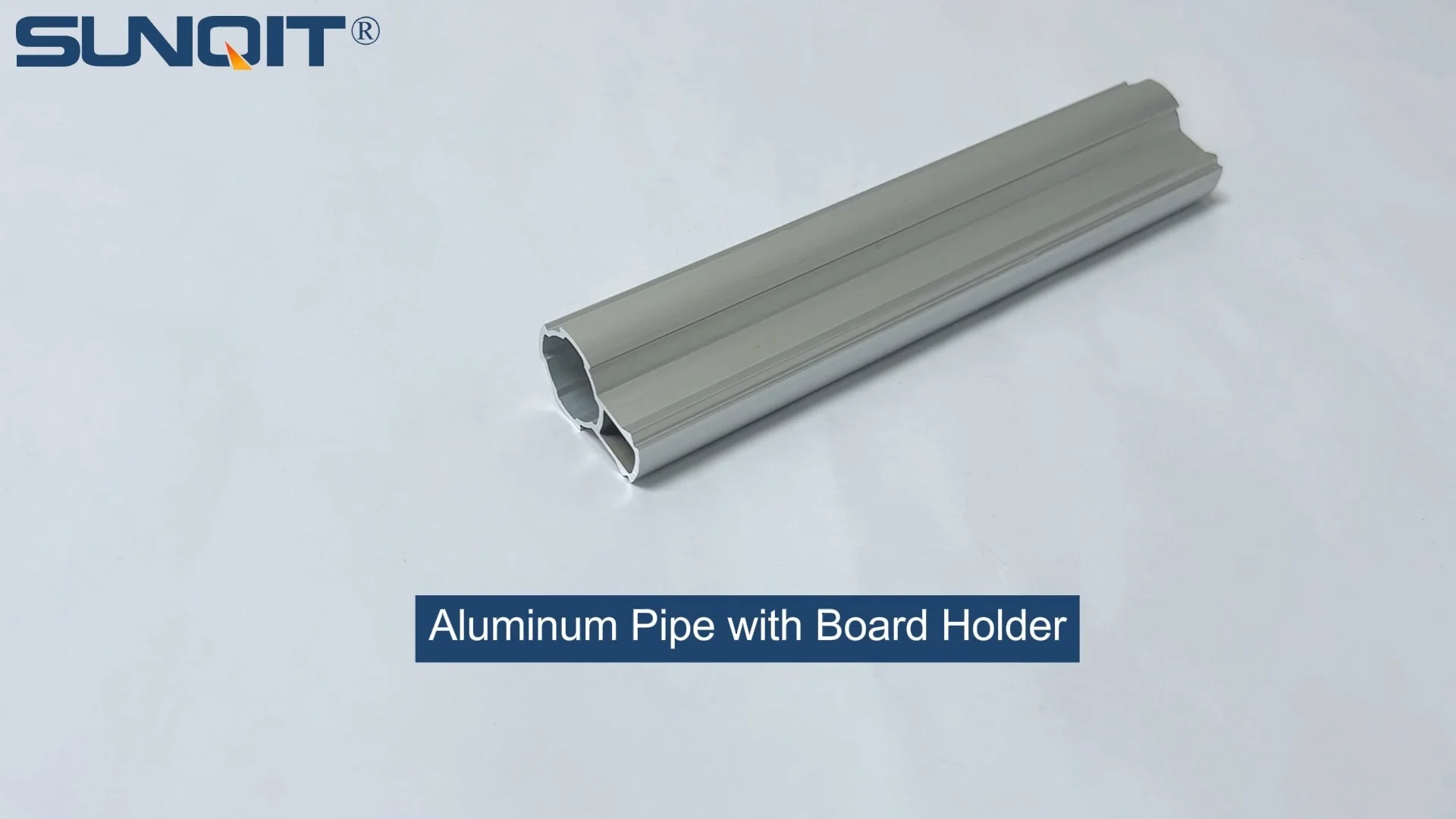
Aluminum Pipe with Board Holder
The linear rolling assembly can be arbitrarily connected in the protruding part of the card slot to increase the rigidity of the track.
In the fast-paced world of manufacturing, assembly lines, and workshop operations, the tools and equipment we rely on can make or break efficiency. Every component, from the smallest caster wheel to the sturdiest workbench, plays a role in keeping processes running smoothly. Among these, the heavy-duty aluminum pipe with board holder stands out as a unsung hero—quietly supporting the weight of tools, materials, and daily tasks while adapting to the ever-changing needs of modern workspaces. But what exactly makes this piece of hardware so crucial? And more importantly, how much weight can it really handle? Let's dive into the details, exploring its design, functionality, and the all-important load capacity that keeps production floors, warehouses, and lean systems operational.
What Is a Heavy-Duty Aluminum Pipe with Board Holder?
Before we get into load capacity, let's clarify what we're talking about. A heavy-duty aluminum pipe with board holder is a modular component used to build sturdy, customizable structures like workbenches, material racks, and assembly stations. At its core is the aluminum pipe—lightweight yet robust, typically made from high-grade aluminum alloys like 6061 or 6063, known for their strength and corrosion resistance. Attached to this pipe is the board holder: a bracket or clamp designed to secure a work surface (think plywood, MDF, or metal sheets) to the pipe frame. Together, they form the backbone of workstations that need to balance durability, adjustability, and ease of assembly.
What sets this system apart is its versatility. Unlike fixed steel frames, aluminum pipes often feature T-slot designs or pre-drilled holes, allowing for quick adjustments. Need to raise the workbench height? Swap out a shorter pipe for a longer one. Adding a shelf? Attach a board holder at the desired level. This flexibility is why it's a staple in lean system setups, where adaptability is key to minimizing waste and maximizing productivity.
The Heart of the Matter: Load Capacity
Load capacity—the maximum weight a structure can safely support—is the single most critical factor when choosing a heavy-duty aluminum pipe with board holder. Overloading can lead to sagging, bending, or even collapse, risking damage to equipment, delays in production, and potential injury. So, what determines how much weight these pipes can handle? Let's break down the key factors:
1. Pipe Diameter and Wall Thickness
Not all aluminum pipes are created equal. The diameter (outer width) and wall thickness directly impact strength. A wider pipe (say, 30mm) with a thicker wall (2.0mm) will naturally support more weight than a narrower (20mm) pipe with a thinner wall (1.2mm). For example, a 20mm diameter pipe with a 1.0mm wall might handle 50kg per linear meter, while a 30mm pipe with a 2.0mm wall could support 150kg or more under the same conditions.
2. Aluminum Alloy Grade
Aluminum alloys vary in strength. 6061 aluminum, often used in structural applications, has higher tensile strength (around 310 MPa) compared to 6063 (about 240 MPa). While 6063 is more malleable (great for bending or shaping), 6061 is the go-to for heavy loads. If your workspace deals with heavy machinery parts or large batches of materials, opting for 6061-based pipes is a smart choice.
3. Joint Strength
Even the strongest pipe will fail if its joints are weak. Aluminum pipes connect using brackets, clamps, or aluminum profile accessories like corner codes or T-connectors. The quality of these joints matters: a poorly made plastic clamp might crack under pressure, while a reinforced aluminum joint will distribute weight evenly. Look for joints with secure locking mechanisms—like set screws or spring-loaded pins—to ensure they don't loosen over time.
4. Board Holder Design
The board holder itself plays a role. A flimsy plastic holder might snap when supporting a heavy workbench top, while a steel-reinforced aluminum holder will distribute the weight across the pipe. Some holders feature rubberized grips or anti-slip pads to prevent the work surface from shifting, which also helps maintain stability under load.
5. Work Surface Material
Don't overlook the work surface! Even if the pipe and holder can handle 200kg, a thin plywood board might warp or crack under that weight. Pairing a heavy-duty aluminum frame with a sturdy surface (like 18mm thick hardwood or steel) ensures the entire system works in harmony.
Load Capacity by the Numbers: A Practical Guide
To put this into perspective, let's look at common aluminum pipe specs and their typical load capacities. Keep in mind these are general guidelines—always check the manufacturer's data for exact figures, as variables like joint spacing and installation angle can affect results.
| Pipe Diameter (mm) | Wall Thickness (mm) | Aluminum Alloy | Max Load Capacity (kg per linear meter)* |
|---|---|---|---|
| 20 | 1.0 | 6063 | 40–60 |
| 20 | 1.5 | 6063 | 70–90 |
| 30 | 1.2 | 6061 | 90–120 |
| 30 | 2.0 | 6061 | 150–180 |
| 40 | 1.5 | 6061 | 120–150 |
| 40 | 2.5 | 6061 | 200–250 |
*Based on horizontal installation with joints spaced 500mm apart. Vertical load capacity may be higher.
For example, a workbench built with 30mm diameter, 2.0mm wall 6061 aluminum pipes, spaced 600mm apart, and fitted with steel-reinforced board holders, could easily support a 150kg load—enough for heavy power tools, batches of electronic components, or even small machinery parts. In contrast, a 20mm, 1.0mm pipe setup might be better suited for lighter tasks, like a packing station holding boxes or lightweight assembly work.

Real-World Applications: Where Load Capacity Matters Most
Heavy-duty aluminum pipes with board holders aren't just for workbenches. Their load capacity makes them indispensable in a range of settings:
1. Manufacturing Assembly Lines (Lean Systems)
In automotive or electronics manufacturing, assembly stations often need to hold heavy components—think engine parts or large circuit boards. A lean system built with 30mm or 40mm aluminum pipes ensures the line can support these weights without slowing down. Adjustable board holders let workers position materials at ergonomic heights, reducing fatigue and boosting productivity.
2. Material Racks and Storage
Warehouses and stockrooms use these pipes to build custom material racks. A 40mm pipe with a 2.5mm wall can support stacked boxes or bulk materials, while board holders allow for adjustable shelving. Unlike fixed steel racks, these systems can be reconfigured as inventory needs change—no need for welding or heavy tools.
3. ESD Workstations
Electrostatic discharge (ESD) workstations in semiconductor or medical device manufacturing require stable surfaces to protect sensitive components. Heavy-duty aluminum pipes with ESD-safe board holders (often made from conductive materials) ensure the workstation can hold testing equipment and circuit boards without generating static, all while supporting the weight of specialized tools.
4. Mobile Workbenches and Trolleys
Add casters to an aluminum pipe frame, and you've got a mobile workstation. These are lifesavers in busy workshops, but only if the pipe can handle the load while rolling. A 30mm pipe with a 2.0mm wall, paired with heavy-duty casters, can support 100kg+ while remaining easy to maneuver—perfect for transporting materials across the factory floor.

Aluminum vs. Steel vs. Stainless Steel: Why Aluminum Wins for Most
You might be wondering: If load capacity is key, why not just use steel? It's true—steel pipes can often handle more weight than aluminum. A 30mm steel pipe with a 2.0mm wall might support 250kg or more, compared to aluminum's 180kg. But steel has downsides: it's heavy, prone to rust, and harder to assemble (think welding or heavy bolts). Aluminum, on the other hand, offers a sweet spot of strength and practicality:
- Lightweight: Easier to transport and assemble—no need for heavy machinery to move frames around.
- Corrosion-Resistant: Aluminum naturally forms a protective oxide layer, making it ideal for humid or damp environments (unlike steel, which needs painting or galvanizing).
- Cost-Effective: While high-grade aluminum can cost more upfront than steel, its low maintenance and reusability (easily disassembled and repurposed) save money long-term.
- Customizable: Aluminum's malleability allows for intricate designs like T-slots and pre-drilled holes, making it simpler to add board holders, shelves, or accessories.
Stainless steel is another option, offering excellent corrosion resistance for harsh environments (like food processing). However, it's heavier than aluminum and often more expensive, making it overkill for most general-purpose workstations. For the majority of lean system setups, aluminum strikes the best balance between load capacity, versatility, and cost.
Maintaining Load Capacity: Tips for Longevity
Even the strongest aluminum pipe system will degrade over time if not cared for. Here's how to keep your setup performing at its best:
1. Avoid Overloading
This might seem obvious, but it's worth repeating: never exceed the manufacturer's recommended load capacity. If you're unsure, err on the side of caution—add extra pipes or reinforce joints to distribute weight.
2. Tighten Joints Regularly
Vibration from daily use can loosen screws or clamps. A quick monthly check with a wrench or screwdriver will keep joints secure, preventing sagging or shifting.
3. Clean and Protect
Aluminum resists rust, but dirt and grime can hide signs of wear. Wipe down pipes and board holders with a damp cloth, and avoid harsh chemicals that might damage the finish. For outdoor use, consider anodized aluminum, which adds an extra layer of protection.
4. replace Worn Parts
If a board holder cracks or a pipe bends, replace it immediately. Using damaged components compromises the entire system's load capacity. Most suppliers offer replacement parts, so keeping spares on hand minimizes downtime.
Choosing the Right Supplier: More Than Just a Purchase
Not all aluminum pipe suppliers are created equal. To ensure you're getting a system with reliable load capacity, look for a supplier that:
- Provides detailed load capacity data for each product, including test reports or certifications.
- Offers a range of accessories—board holders, joints, casters—to match your pipe specs.
- Has experience in lean system design, with customer support to help you choose the right components.
- Uses high-grade aluminum alloys (6061/6063) and quality manufacturing processes (like precision extrusion for consistent wall thickness).
A good supplier won't just sell you pipes—they'll partner with you to design a system that meets your load requirements, space constraints, and budget. Don't hesitate to ask for samples or case studies of similar projects they've completed.
Troubleshooting Common Load-Related Issues
Even with careful planning, you might run into issues. Here's how to address them:
Sagging Workbench
If the work surface dips in the middle, the pipes might be undersized or spaced too far apart. Try adding a cross-brace pipe in the center or switching to a thicker-walled pipe.
Loose Board Holder
A work surface that shifts could mean the holder is the wrong size for the pipe or the clamp is worn. replace the holder with one designed for your pipe diameter, or add a rubber insert for a tighter grip.
Bent Pipes
Bending usually indicates overloading or impact damage. replace the bent pipe with a higher-wall-thickness model, and avoid placing heavy objects near the edges of unsupported spans.
Conclusion: More Than Metal and Brackets
The heavy-duty aluminum pipe with board holder is more than just a piece of hardware—it's a foundation for efficiency, safety, and adaptability in modern workspaces. Its load capacity isn't just a number on a spec sheet; it's the assurance that your team can work without worrying about equipment failure, that materials can be stored securely, and that your lean system can evolve with your business. By understanding the factors that affect load capacity, choosing the right components, and maintaining your setup, you're not just investing in pipes and brackets—you're investing in a workspace that works as hard as you do.
So, whether you're building a new assembly line, upgrading a warehouse, or setting up a home workshop, remember: the right aluminum pipe with board holder isn't just about holding weight—it's about holding up your entire operation.