- Company Articles
- Products and Technology
- Solution
- Heavy-Duty Applications: High-Load T Slot Aluminum Pipe Solutions

Heavy-Duty Applications: High-Load T Slot Aluminum Pipe Solutions
Related Product
T Slot Aluminum Pipe
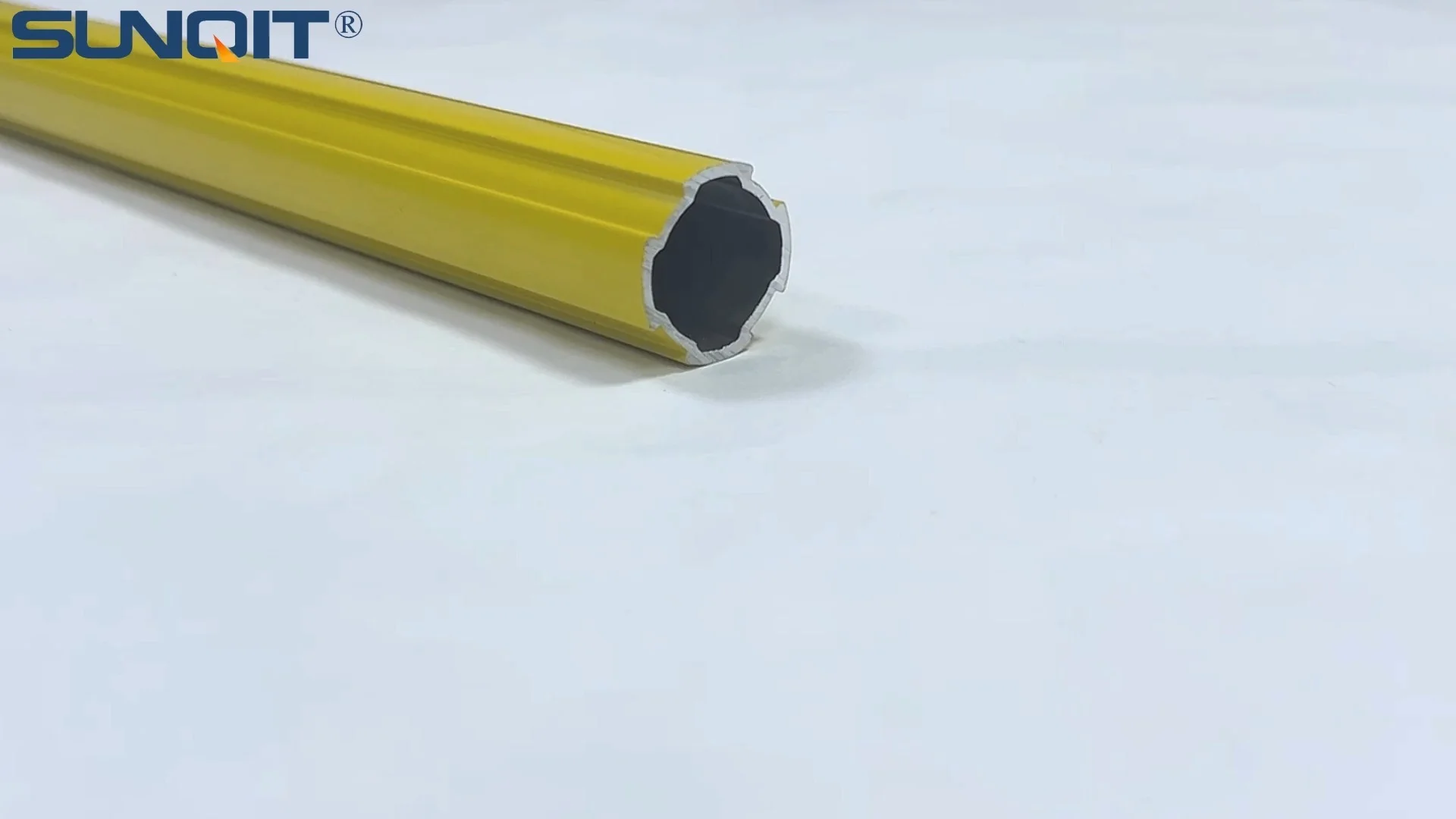
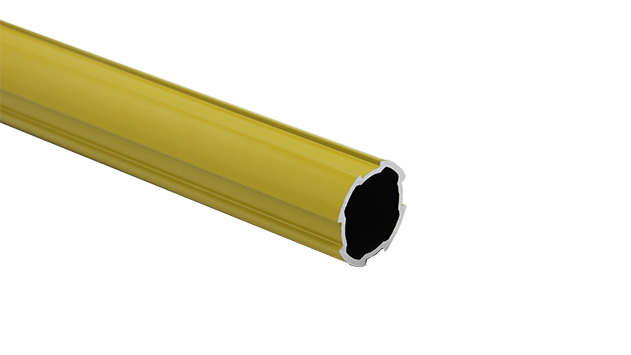
Aluminum pipe, it is used for workbench, flow rack,hand trolley assemble work with advantage of flexible and durable, yellow color makes it more attactive as a caution remind.
In the world of manufacturing, warehousing, and heavy industry, the difference between a smooth operation and a costly bottleneck often comes down to the infrastructure supporting it. When you're dealing with daily loads of hundreds of pounds, fragile or rigid systems just won't cut it. That's where high-load T slot aluminum pipe solutions step in—blending strength, flexibility, and durability to meet the toughest demands of heavy-duty environments. Let's dive into how these innovative systems are transforming the backbone of industrial workspaces.
What Are T Slot Aluminum Pipes, Anyway?
At their core, T slot aluminum pipes are precision-engineered structures created through an extrusion process, where aluminum alloy is forced through a die to create consistent, hollow profiles with a distinctive T-shaped groove running along their length. This T-slot isn't just a design quirk—it's the secret to their versatility. Unlike traditional pipes or rigid frames, the T-slot allows for quick attachment of accessories like brackets, connectors, and panels without welding or drilling. This means you can build, modify, and expand structures on the fly, adapting to changing needs without halting production.
But what makes them "high-load"? It starts with the aluminum extrusion profile itself. By optimizing the shape—think reinforced walls, strategic ribbing, and uniform thickness—manufacturers create pipes that can support impressive weights while remaining surprisingly lightweight. This combination of strength and low weight is a game-changer for industries where every pound of excess metal translates to higher energy costs or strained equipment.
Key Features That Make Them Heavy-Duty Ready
High-load T slot aluminum pipes aren't just strong—they're built to thrive in harsh conditions. Here's why they stand out:
- Exceptional Strength-to-Weight Ratio: Aluminum alloys like 6061-T6 offer tensile strengths comparable to mild steel but at a third of the weight. This means easier installation, lower transport costs, and less stress on floors and support structures.
- Corrosion Resistance: Unlike steel, aluminum naturally forms a protective oxide layer, making it ideal for humid warehouses, outdoor yards, or environments with chemical exposure. For extra protection, many profiles come with anodized or powder-coated finishes.
- Modular Flexibility: Thanks to the T-slot design, you can add, remove, or reposition components in minutes. Need to adjust a workbench height? Swap out a shelf? Just loosen a few bolts, reconfigure, and you're back in business.
- Thermal Stability: Aluminum handles temperature extremes better than plastic or wood, maintaining structural integrity in hot factories or cold storage facilities.
Where High-Load Aluminum Pipes Shine: Real-World Applications
These systems aren't just theoretical—they're hard at work in some of the most demanding settings. Let's look at a few key applications:
1. Heavy-Duty Workbenches
A workbench in an automotive plant might need to support engine blocks, power tools, and assembly materials—all while withstanding daily impacts. T slot aluminum workbenches, built with thick-walled profiles and reinforced corners, handle these loads effortlessly. Add a plywood or steel top, and you've got a stable surface that won't warp, crack, or rust over time. Plus, with T-slot accessories, you can mount tool holders, LED lights, or storage bins right where you need them.
2. Material Storage Racks
Warehouses storing heavy components (think metal parts, machinery, or bulk raw materials) need racks that maximize space without sacrificing safety. Take the material rack b (3 row and 3 floor) —a modular system built with aluminum pipes and cross-braces. Each shelf can hold hundreds of pounds, and the open design makes inventory checks a breeze. Unlike fixed steel racks, if your storage needs change, you can add more levels or adjust shelf heights in hours, not days.
3. Assembly Line Conveyors
In manufacturing, conveyor systems move products weighing 50+ pounds per unit, hour after hour. Aluminum frame conveyors reduce the load on motors (thanks to their light weight) while resisting the wear and tear of constant motion. T-slot profiles make it easy to integrate guides, sensors, or stop mechanisms, ensuring products stay on track even at high speeds.

The Unsung Heroes: Aluminum Profile Accessories
A pipe is only as good as the parts that hold it together. That's where aluminum profile accessories come in. These small but critical components turn basic pipes into fully functional systems:
- Joints and Connectors: Corner brackets, T-connectors, and swivel joints let you build 90°, 45°, or even custom angles without welding. Many are designed with internal threads or set screws for a secure, rattle-free fit.
- End Caps and Covers: These simple pieces protect workers from sharp edges, seal out dust and debris, and give structures a clean, finished look.
- Leveling Feet: For uneven floors, adjustable feet ensure racks and workbenches stay stable, preventing wobbling that could damage products or compromise safety.
- Panels and Shelves: From solid steel shelves to mesh panels for ventilation, accessories let you tailor surfaces to your needs—whether you're storing small parts or large machinery.
The best part? Most accessories are universal, meaning you can mix and match brands or repurpose parts from old systems, keeping costs low and sustainability high.

Aluminum vs. Traditional Materials: A Heavy-Duty Showdown
Still on the fence about switching from steel, wood, or plastic? Let's break down how aluminum extrusion profiles stack up:
| Material | Load Capacity (per linear foot) | Weight (lbs/ft) | Corrosion Resistance | Customization Ease | Long-Term Cost |
|---|---|---|---|---|---|
| Aluminum Extrusion Profile | 200–800 lbs* | 1.5–4 lbs | Excellent (natural oxide layer) | High (T-slot accessories, no welding) | Moderate upfront, low maintenance |
| Mild Steel Pipe | 300–1,000 lbs* | 5–10 lbs | Poor (requires painting/coating) | Low (welding/drilling needed) | Low upfront, high maintenance (rust, repainting) |
| Wooden Beams | 100–300 lbs* | 3–6 lbs | Poor (rot, pest damage) | Very Low (fixed dimensions, no reconfiguration) | Low upfront, high replacement cost |
| Plastic Composite | 50–200 lbs* | 1–2 lbs | Good (resistant to chemicals) | Moderate (limited accessory compatibility) | Moderate upfront, prone to warping in heat |
*Load capacities vary by profile size, wall thickness, and support spacing.
Aluminum doesn't just compete—it excels in flexibility and long-term value. While steel might handle slightly higher loads, its weight and rigidity make it impractical for most dynamic workspaces. Wood and plastic, meanwhile, can't touch aluminum's durability or adaptability.
Case Study: How a Automotive Plant Cut Costs with Aluminum Racks
A mid-sized automotive parts manufacturer in Ohio was struggling with outdated steel material racks. The racks were heavy, hard to reconfigure, and rusting in their humid warehouse—costing them $15,000 annually in replacement parts and repainting. They switched to a T slot aluminum system, including material rack b (3 row and 3 floor) units, and saw immediate results:
- Installation time dropped by 60% (no welding required—their team assembled 10 racks in a day).
- Warehouse energy costs fell by 8% (lighter racks meant less strain on forklifts).
- Zero rust-related damage in two years, eliminating replacement costs.
- When they expanded production, they reconfigured 30% of the racks in a weekend, avoiding downtime.
"We used to dread reconfiguring our steel racks—now we look forward to it," said the plant manager. "The aluminum system grows with us, instead of holding us back."
Choosing the Right High-Load Solution for You
Ready to upgrade? Here's what to consider:
- Load Requirements: Start with the maximum weight per shelf or beam. Most manufacturers provide load charts for their profiles—don't guess!
- Environment: Will the system be indoors, outdoors, or exposed to chemicals? Opt for anodized aluminum or stainless steel accessories in harsh conditions.
- Future Growth: Plan for expansion. A modular system should let you add pipes, shelves, or even entire sections without replacing the base structure.
- Supplier Support: Look for suppliers who offer custom design help. A good partner will analyze your workflow and recommend the optimal profile size and accessories.
The Future of Heavy-Duty Infrastructure
As industries push for faster production, smarter workflows, and greener operations, high-load T slot aluminum pipe solutions are becoming the new standard. They're not just tools—they're investments in adaptability. Whether you're building a workbench for a small workshop or outfitting a sprawling warehouse with material rack b (3 row and 3 floor) systems, aluminum's blend of strength, flexibility, and durability is hard to beat.
In the end, heavy-duty applications demand more than just "good enough." They need systems that can keep up with change, stand up to stress, and deliver value for years to come. With T slot aluminum pipes, that future is already here.