- Company Articles
- Products and Technology
- Product knowledge
- Heavy-Duty Applications: Straight Lean Pipe Joint Square End Chrome for High-Load Workbenches

Heavy-Duty Applications: Straight Lean Pipe Joint Square End Chrome for High-Load Workbenches
Related Product
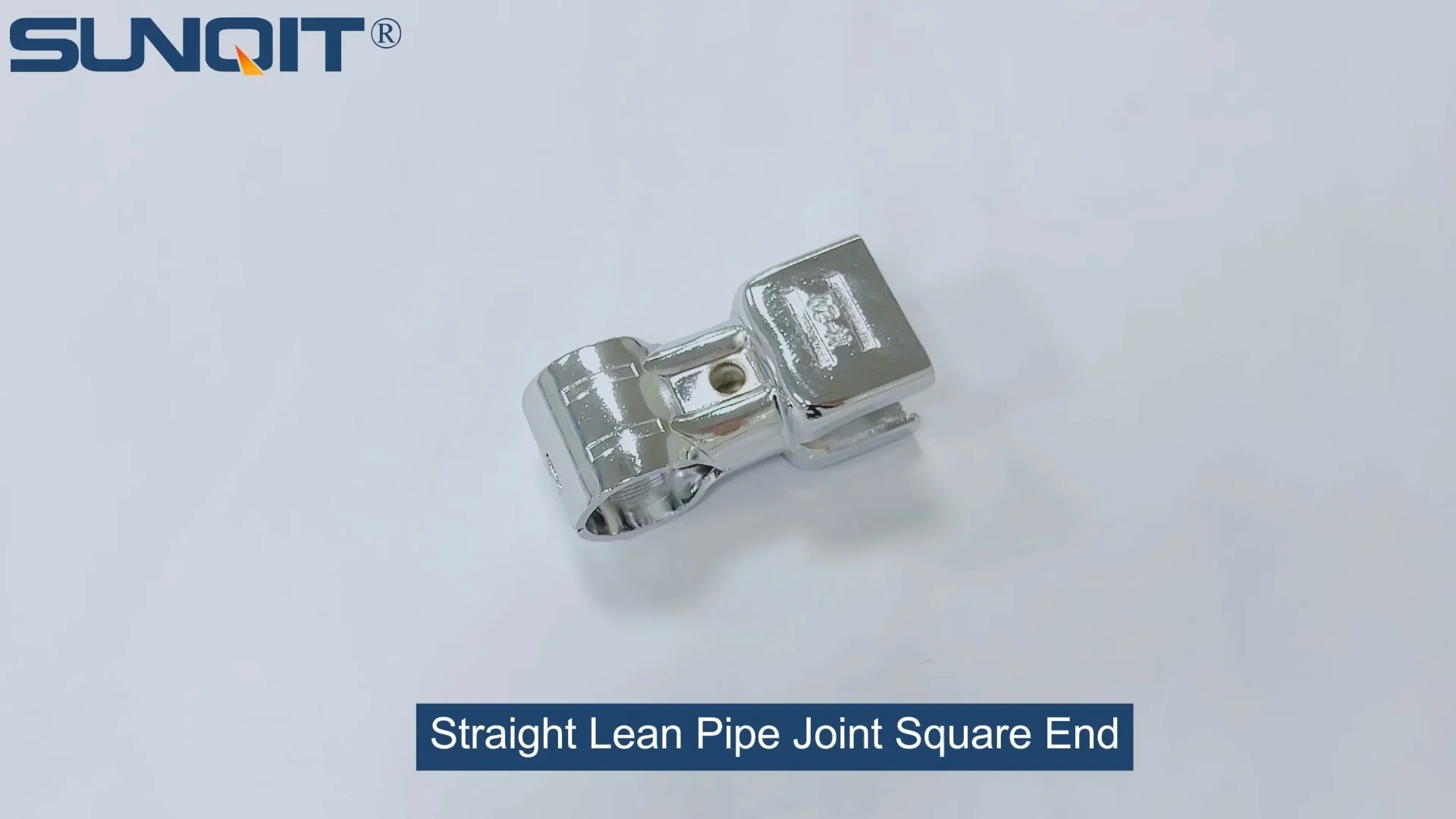
Straight Lean Pipe Joint Square End Chrome
Straight lean pipe joint square end, one side connect with 28mm round pipe, the other side connect with square tube.
Walk into any manufacturing plant, warehouse, or assembly facility, and you'll notice one thing that keeps the operation humming: workbenches. These sturdy surfaces aren't just pieces of furniture—they're the backbone of productivity, holding tools, materials, and as teams race to meet deadlines. But not all workbenches are created equal. When the load climbs—think heavy machinery parts, stacked circuit boards, or bulk raw materials—standard setups start to show their weaknesses. Wobbling frames, loose joints, and even dangerous collapses become real risks. That's where the right components make all the difference, and today, we're zeroing in on a unsung hero: the straight lean pipe joint square end chrome . This small but mighty part is changing how industries build high-load workbenches that stand the test of time.
The Hidden Problem: Why High-Load Workbenches Fail (And It's Not What You Think)
Imagine a busy auto parts factory. The workbenches here hold engine blocks, each weighing 200+ pounds, while technicians bolt on components. A typical setup uses basic steel pipes and plastic joints—affordable, easy to assemble, but not built for constant stress. After a few months, the joints start to crack. The pipes bend slightly. One day, a bench leg gives way, sending an engine block crashing to the floor. Production stops. Workers scramble to clean up. The cost? Hours of downtime, damaged parts, and a near-miss safety incident. This isn't a worst-case scenario—it's a common reality in facilities that skimp on critical components.
The issue often boils down to the joints. Most workbenches rely on generic connectors that prioritize flexibility over strength. They're great for light loads—think a few hand tools or small boxes—but when the weight piles on, they stretch, warp, or snap. Even worse, many joints use cheap materials like uncoated steel or low-grade plastic that corrode or degrade under oil, grease, or humidity. In lean manufacturing, where every second counts, this isn't just a nuisance—it's a threat to efficiency and safety.
Meet the Solution: Straight Lean Pipe Joint Square End Chrome
Enter the straight lean pipe joint square end chrome. At first glance, it might look like just another metal piece, but a closer look reveals why it's become a favorite among facility managers and lean system designers. Let's break down what makes it stand out.
1. Chrome Plating: More Than Shiny—It's a Shield
Chrome isn't just for aesthetics (though it does add a professional, clean look). The plating process creates a hard, corrosion-resistant barrier that protects the underlying steel from moisture, chemicals, and wear. In environments where oil spills, coolant drips, or humidity are daily realities—like automotive or food processing plants—this is a game-changer. Unlike uncoated steel joints that rust and weaken over time, chrome-plated joints stay strong, even after years of exposure. Wipe them down with a cloth, and they look as good as new, which isn't just about appearance—clean joints mean fewer bacteria traps, a must for industries like pharmaceuticals or electronics manufacturing.
2. Square End Design: Stability in Every Connection
Most pipe joints have rounded ends, which sound fine until you consider how they fit with pipes. A rounded joint can rotate or slip slightly under pressure, creating tiny gaps that grow into big wobbles over time. The square end on this joint eliminates that risk. It locks into place with the pipe, creating a rigid, non-slip connection that distributes weight evenly across the entire frame. Think of it like building with Lego blocks vs. round pegs: the square shape ensures everything stays aligned, no matter how much weight you pile on top. This design isn't just about strength—it's about consistency. Every joint connects the same way, so you don't get uneven benches or surprise weak spots.
3. Load Capacity That Doesn't Quit
Let's talk numbers. A standard plastic joint might handle 100-150 kg of static load before failing. An uncoated steel joint? Maybe 200-250 kg. The straight lean pipe joint square end chrome? We're talking 500+ kg of static load—and that's under ideal conditions. In real-world tests, facilities have reported these joints supporting 600+ kg without so much as a creak. That's the difference between a bench that holds one engine block and one that holds three. For warehouses stacking pallets or assembly lines with heavy machinery, this isn't just extra capacity—it's peace of mind.

Building a Lean System That Lasts: How This Joint Fits Into Your Workbench
A workbench is only as strong as its weakest link, and in a lean system , every component must pull its weight. The straight lean pipe joint square end chrome isn't a standalone solution—it's part of a ecosystem that includes lean pipes, aluminum profiles, and accessories designed to work together seamlessly.
Take the lean pipe workbench , for example. A typical setup uses 28mm or 30mm steel pipes (often coated in PE for extra grip) connected by joints to form a frame. Add a wooden or metal top, and you're good to go—unless you're dealing with heavy loads. Swap out the generic joints for square end chrome ones, and suddenly the frame transforms. The square ends lock the pipes into place, preventing lateral movement. The chrome plating resists the scratches and dents that come with dragging tools or materials across the bench. Even better, these joints are compatible with standard lean pipes, so you don't have to overhaul your entire setup—just upgrade the connectors. It's a cost-effective way to boost durability without starting from scratch.
But why stop at workbenches? This joint shines in other high-load applications too. Flow racks, which slide materials from one station to the next, rely on sturdy frames to keep the rollers aligned. Use square end chrome joints, and you eliminate the "sagging" that causes jams. Turnover trolleys, which cart heavy loads across the factory floor, stay stable even over uneven concrete, thanks to the rigid connections. It's a versatile component that adapts to whatever your lean system needs.

Beyond the Joint: Pairing with Caster Wheels for Mobility (Without Sacrificing Strength)
What if you need a high-load workbench that moves? Maybe your team needs to shift materials from the assembly line to the testing area, or rearrange the floor plan for a new project. Adding caster wheels seems like the solution—but standard casters can undo all the good work of your sturdy joints. Cheap wheels wobble under heavy loads, or their locks fail, sending the bench rolling unexpectedly. That's why pairing square end chrome joints with heavy-duty casters is a match made in manufacturing heaven.
Look for casters with steel frames and double-locking mechanisms (locking both the wheel and the swivel). Attach them to your bench using the same square end joints, and you've got a mobile workstation that can handle 500+ kg without tipping or sliding. A food processing plant in Texas did just this: they built mobile workbenches with square end chrome joints and 6-inch heavy-duty casters. Now, they can roll 300kg batches of ingredients from the prep area to the cooking line, then lock the wheels in place for stable chopping and mixing. No more lifting, no more spills, and no more back strain for workers. It's lean manufacturing in action—efficiency and ergonomics rolled into one.
Aluminum Profiles: The Perfect Partner for High-Load Workbenches
For facilities that need even more strength, pairing square end chrome joints with aluminum profiles takes things to the next level. Aluminum profiles are lightweight but incredibly rigid, making them ideal for workbench tops or side rails that need to support heavy loads without bending. Unlike wood, which warps over time, or plastic, which dents, aluminum profiles maintain their shape even under constant stress. And since they're compatible with the same square end joints, you can mix and match materials to create a custom setup. For example, use steel pipes and chrome joints for the frame, then bolt an aluminum profile top to it. The result? A workbench that's strong, lightweight, and resistant to scratches, stains, and heat.
A electronics manufacturer in California did this when they needed benches to hold large circuit board assemblies. The aluminum top kept the boards cool (critical for sensitive components), while the square end chrome joints ensured the frame didn't wobble during soldering or testing. The result? A 20% reduction in defective boards, since the stable surface prevented during precision work. It's a small change with a big impact.
How Does It Stack Up? A Comparison of Joints for High-Load Workbenches
Still not convinced? Let's put the straight lean pipe joint square end chrome head-to-head with other common options. Here's how they compare:
| Feature | Straight Lean Pipe Joint Square End Chrome | Standard Plastic Joint | Uncoated Steel Joint |
|---|---|---|---|
| Max Static Load | 500+ kg | 100-150 kg | 200-250 kg |
| Corrosion Resistance | Excellent (chrome plating) | Poor (prone to cracking from chemicals) | Fair (rusts in humid environments) |
| Installation Ease | Easy (compatible with standard lean pipes) | Very easy (snap-on design) | Easy (but requires tools for tightness) |
| Longevity | 5-10 years (with minimal maintenance) | 1-2 years (prone to wear) | 2-3 years (rust weakens over time) |
| Best For | High-load workbenches, flow racks, heavy trolleys | Light-duty setups (office use, small parts assembly) | Medium loads in dry environments |
The data speaks for itself. While plastic joints are cheap and easy, they're a Band-Aid for high-load needs. Uncoated steel is better but still falls short in durability. The square end chrome joint? It's the only option that balances strength, longevity, and versatility—all critical for lean systems that can't afford downtime.
Real-World Results: How One Factory Cut Downtime by 30%
Let's hear from a real user. A mid-sized furniture manufacturer in North Carolina was struggling with workbench failures. Their benches held heavy wooden slabs, and every few months, the plastic joints would crack, forcing the team to stop production and rebuild. The maintenance manager, frustrated with the constant repairs, decided to test the straight lean pipe joint square end chrome. They upgraded 10 workbenches, keeping the rest as controls. The results? Over six months, the upgraded benches had zero joint failures. The control group? Three benches needed repairs, costing 12 hours of downtime. The manager calculated the savings: less overtime for repairs, no more rushed orders, and happier workers who didn't have to worry about unstable surfaces. Today, every new workbench in their facility uses these joints. "It was a small investment that paid for itself in three months," they told us. "Why didn't we switch sooner?"
Maintenance Tips: Keeping Your Joints Strong for Years
Like any component, square end chrome joints need a little care to stay in top shape. Here's how to make them last:
- Wipe them down weekly: Dust and debris can scratch the chrome plating over time. A quick wipe with a soft cloth removes grime without damaging the surface.
- Lubricate moving parts: If your joints have swivel or rotating components, add a drop of machine oil every few months to prevent squeaking or sticking.
- Tighten bolts quarterly: Even the sturdiest joints can loosen with vibration. A quick check with a wrench ensures the connection stays tight.
- Avoid harsh chemicals: Bleach, ammonia, or abrasive cleaners can strip the chrome. Stick to mild soap and water for tough stains.
Final Thought: In Lean Manufacturing, the Details Matter
Lean manufacturing is all about eliminating waste—waste of time, waste of materials, waste of effort. When your workbenches fail, you're wasting all three. The straight lean pipe joint square end chrome might seem like a small detail, but it's the kind of detail that transforms a struggling operation into a well-oiled machine. It's strong enough to handle the heaviest loads, durable enough to last for years, and versatile enough to fit into any lean system. Whether you're building a new lean pipe workbench , upgrading flow racks, or designing a mobile trolley, this joint is the reliable partner you need.
So the next time you walk into your facility, take a look at your workbenches. Are the joints holding strong, or are they starting to show signs of wear? If it's the latter, don't wait for a failure to act. Upgrade to square end chrome joints, and give your team the sturdy, reliable workspace they deserve. Your productivity (and your bottom line) will thank you.