- Company Articles
- Products and Technology
- Product knowledge
- Heavy-Duty Flat Swivel Castor Wheel with Brake for Industrial Machinery & Equipment

Heavy-Duty Flat Swivel Castor Wheel with Brake for Industrial Machinery & Equipment
Related Product
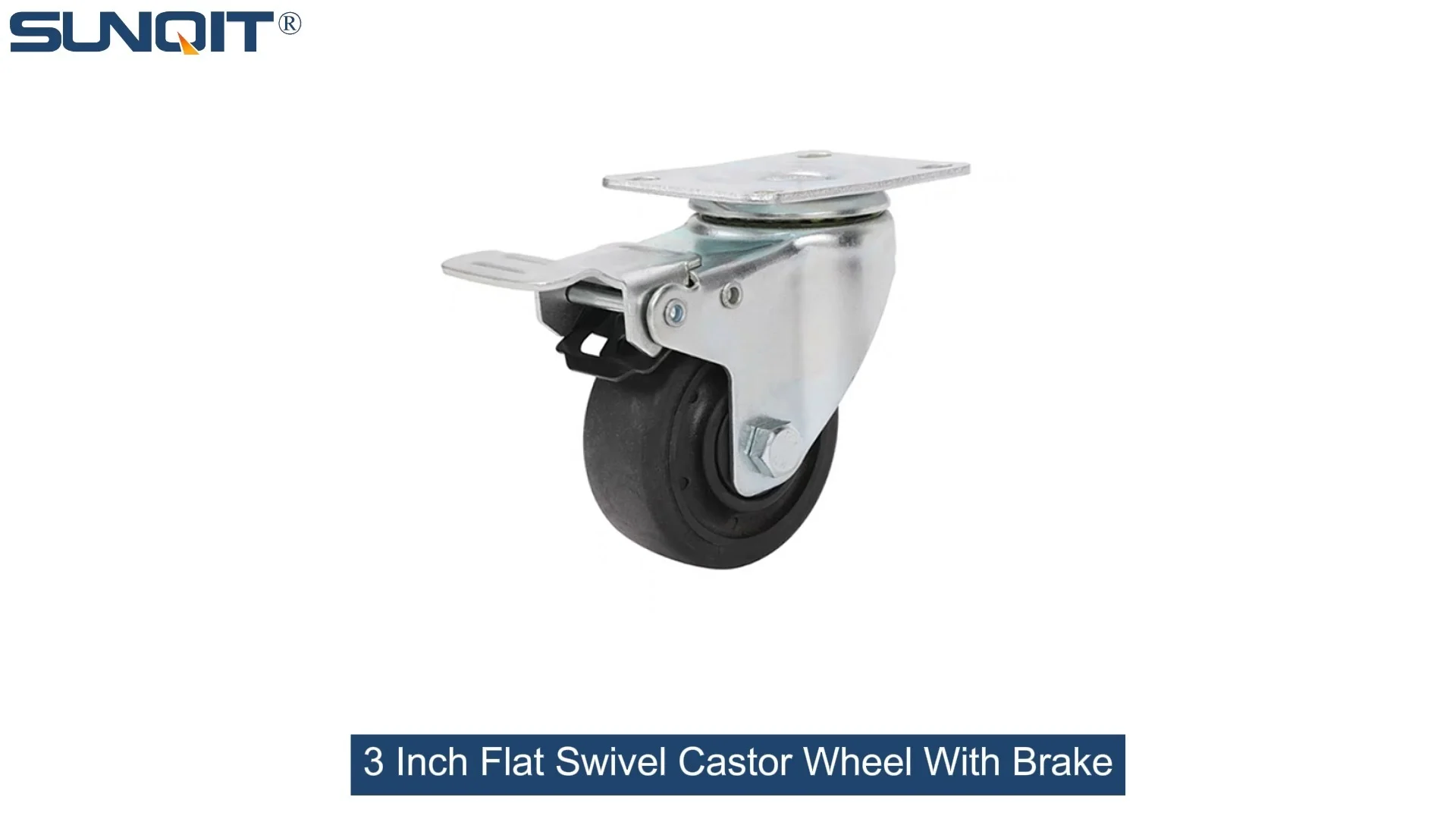
Flat Swivel Castor Wheel With Brake
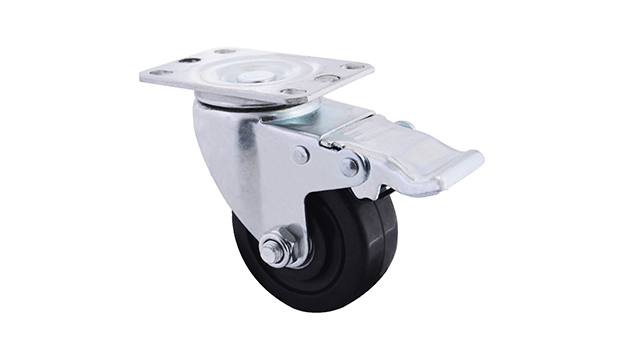
Chair Casters Ball Bearing Wheels Rubber Base with brake design. Resistant to abrasion, impact and corrosion. Heavy payload can hold 70Kgs per pcs,which can make it works at a stable and smooth status.
In the bustling world of industrial operations, where every second counts and precision is non-negotiable, there's an unsung hero quietly keeping things moving—literally. We're talking about the heavy-duty flat swivel castor wheel with brake. These small but mighty components might not grab headlines, but they're the backbone of smooth workflows, safe material handling, and efficient mobility across factories, warehouses, and workshops. Whether you're pushing a loaded turnover trolley and rack across a warehouse floor, adjusting a workbench to fit a new production line, or securing a piece of heavy machinery during maintenance, the right caster wheel can make all the difference between a seamless day and a frustrating, even dangerous, one. Let's dive into what makes these casters so essential, how they work, and why investing in quality ones is a game-changer for any industrial setting.
Understanding Heavy-Duty Flat Swivel Castor Wheels with Brake
First things first: what exactly is a heavy-duty flat swivel castor wheel with brake? Let's break it down. At its core, it's a wheel mounted on a swivel plate (the "flat" part) that allows 360-degree rotation, making it easy to maneuver even large, heavy loads. The "heavy-duty" label means it's built to handle substantial weight—think hundreds or even thousands of pounds—without bending, breaking, or wearing out quickly. And the "with brake" feature? That's the safety net, a mechanism that locks the wheel (or sometimes the swivel plate) in place to prevent unwanted movement when you need stability.
These casters aren't just about moving things from point A to B. They're engineered with precision to balance mobility and control. The swivel mechanism, often fitted with ball bearings or roller bearings, ensures smooth rotation, so you don't have to strain to push or pull a loaded trolley. The flat mounting plate (the part that attaches to the equipment) is designed to distribute weight evenly, reducing stress on both the caster and the machinery it's attached to. And the brake? It's not an afterthought. Most heavy-duty models come with either a foot brake (activated by stepping on a lever) or a total lock brake (which locks both the wheel and the swivel plate for maximum stability).
Why Brakes Matter in Industrial Casters
You might be thinking, "If it's a swivel caster, why do I need a brake?" Let's consider a typical day in a manufacturing plant. A workbench fitted with casters is rolled into position for assembly. Without a brake, even a slight bump from a passing forklift could send it sliding across the floor, risking damage to parts or injury to workers. Or picture a turnover trolley and rack loaded with delicate components being stopped at a packing station—without a brake, the trolley might drift, causing items to shift or fall. In these scenarios, brakes aren't just convenient; they're critical for safety and operational efficiency.
Brakes also play a key role in lean manufacturing workflows. In environments where every step is optimized for speed and precision, stability during tasks like loading, unloading, or assembly is non-negotiable. A locked caster ensures that a workbench stays exactly where it's needed, so workers don't waste time readjusting equipment. It also prevents "creep"—that slow, gradual movement of heavy loads on uneven floors—which can throw off production timelines or create bottlenecks in busy areas.
Materials and Construction: Built to Last
Heavy-duty flat swivel castor wheels with brake are only as good as the materials they're made from. Let's start with the wheel itself—the part that touches the ground. Common materials here include polyurethane, rubber, steel, and cast iron. Polyurethane wheels are a popular choice because they're durable, non-marking (great for finished floors), and offer good shock absorption, which reduces noise and vibration. Rubber wheels excel in indoor settings where floor protection is a priority, while steel or cast iron wheels are better for rough outdoor terrain or extreme temperatures.
The frame, or yoke, of the caster is usually made from high-grade steel, though some manufacturers use aluminum profile for lighter yet still sturdy options. Steel frames are ideal for maximum load capacity, as they resist bending under heavy weights. The swivel plate, which connects the frame to the mounting plate, is often reinforced with ball bearings to ensure smooth rotation even under stress. And the brake mechanism? It's typically made from hardened steel to withstand repeated use without wearing down—because a brake that fails when you need it most is worse than no brake at all.
Wheel Material Comparison
| Wheel Material | Best For | Pros | Cons |
|---|---|---|---|
| Polyurethane | Indoor smooth floors, heavy loads | Non-marking, shock-absorbent, quiet | Not ideal for extreme heat/cold |
| Rubber | Delicate floors, low noise | Excellent grip, floor protection | Less durable on rough surfaces |
| Steel | Outdoor/rough terrain, high temps | Extremely durable, high load capacity | Marks floors, noisy on smooth surfaces |

Where These Casters Shine: Key Applications
Heavy-duty flat swivel castor wheels with brake are versatile workhorses, popping up in nearly every corner of industrial and commercial settings. Let's take a closer look at some of their most common uses:
Workbenches
Modern workbenches are rarely fixed in place. Whether it's a assembly station in an electronics factory or a packaging bench in a warehouse, mobility is key. A workbench fitted with heavy-duty casters can be repositioned in minutes to adapt to changing production needs. When it's time to work, the brakes lock the bench in place, ensuring stability while workers assemble, sort, or test products. Without reliable casters, moving a heavy workbench would require multiple people or forklifts—wasting time and increasing the risk of injury.
Turnover Trolley and Rack
Turnover trolleys and racks are the backbone of material transport in warehouses and factories. Loaded with raw materials, finished goods, or tools, these trolleys need to glide smoothly across floors and stop precisely where needed. Heavy-duty swivel casters with brakes make this possible. Imagine a trolley loaded with 500 pounds of metal parts—swivel casters allow the operator to navigate tight corners, while brakes ensure the trolley stays put when unloading. No more chasing runaway trolleys or struggling to keep them steady during loading.
Industrial Machinery
Even large machinery like conveyor systems, printing presses, or CNC machines sometimes need to be moved for maintenance or reconfiguration. Heavy-duty casters with brakes provide the flexibility to shift these behemoths without disassembling them. Once in place, the brakes lock the machinery down, preventing movement during operation—a critical safety feature when dealing with high-speed equipment or heavy vibrations.

Accessories That Take Performance to the Next Level
A great caster is even better with the right accessories. Caster accessories are designed to enhance functionality, extend lifespan, or adapt the caster to specific environments. Here are a few must-know options:
Caster Installation Base
This simple but essential accessory acts as a bridge between the caster and the equipment it's mounting to. Made from thick steel or aluminum, it distributes the load evenly, preventing the mounting plate from bending or cracking under heavy weight. It also makes installation easier, as it can be pre-drilled to match standard equipment holes.
Adjustable Leveling Feet
For equipment that needs extra stability when parked, adjustable leveling feet are a game-changer. These attach to the corners of machinery or workbenches, alongside the casters. When the brakes are engaged, the leveling feet can be lowered to touch the floor, providing additional support and preventing the equipment from rocking on uneven surfaces. It's like giving your caster-equipped gear "training wheels" for extra stability.
Caster Wheel Guards
In busy industrial settings, casters can get bumped by forklifts, pallets, or other equipment. Wheel guards—metal or plastic shields that wrap around the wheel—protect the caster from damage, extending its lifespan. They also help prevent debris from getting stuck in the wheel or swivel mechanism, which can cause jamming or uneven wear.
How to Choose the Right Heavy-Duty Caster for Your Needs
With so many options on the market, picking the right heavy-duty flat swivel castor wheel with brake can feel overwhelming. Here's a step-by-step guide to help you narrow it down:
1. Calculate the Load Capacity
Start by determining how much weight the caster will need to support. This includes the weight of the equipment plus any materials it will carry. Always choose a caster with a load capacity higher than your maximum expected load—overloading casters is a common cause of failure. Most manufacturers list load capacity per caster, so if your equipment has four casters, divide the total weight by four and add a 20% buffer.
2. Consider the Environment
Where will the caster be used? Indoor, smooth floors (like concrete or tile) call for non-marking wheels (polyurethane or rubber). Outdoor or rough surfaces (gravel, asphalt) need durable wheels (steel or cast iron). If the environment is wet, corrosive (like a chemical plant), or extreme in temperature, look for casters with rust-resistant frames (stainless steel) or heat-resistant wheels.
3. Evaluate Brake Needs
Not all brakes are created equal. Do you need a simple wheel lock (which prevents the wheel from rolling) or a total lock (which locks both the wheel and swivel plate)? Total lock brakes are better for uneven floors or when maximum stability is needed. Foot brakes are easier to use than hand brakes, especially when hands are full, so prioritize them for frequent use.
4. Check the Swivel Mechanism
Smooth swiveling is key for maneuverability. Look for casters with ball bearings in the swivel plate—they reduce friction and make turning easier, even under heavy loads. If you'll be moving the caster frequently, a dual-wheel design can also improve swivel performance by distributing weight more evenly.
Maintenance Tips for Longevity
Even the best heavy-duty casters won't last forever without proper care. Here are some simple maintenance steps to extend their lifespan:
Clean Regularly
Dirt, debris, and grease can build up in the swivel mechanism and brake, causing jamming or reduced performance. Wipe down the casters with a damp cloth weekly, and use a brush to clean out any debris from the wheel bearings or brake lever.
Lubricate Moving Parts
The swivel plate and wheel bearings need regular lubrication to stay smooth. Use a high-quality lubricant (like lithium grease) every 3–6 months, depending on usage. Avoid over-lubricating, as excess grease can attract dirt.
Inspect Brakes Often
Test the brakes weekly to ensure they engage and release smoothly. If a brake feels loose, sticky, or doesn't lock properly, adjust or replace it immediately. A faulty brake is a safety hazard—don't wait for it to fail.
replace Worn Wheels
Wheels wear down over time, especially if used on rough surfaces. Check for cracks, flat spots, or uneven wear. If the wheel no longer rolls smoothly or the tread is worn, replace it promptly—worn wheels strain the swivel mechanism and increase the risk of accidents.
Investing in Quality: Why It Pays Off
Heavy-duty flat swivel castor wheels with brake might seem like small components, but they play a huge role in keeping industrial operations running smoothly. Cutting corners on caster quality might save money upfront, but it often leads to costly downtime, repairs, or even accidents down the line. A well-made caster with a reliable brake, durable materials, and smooth swivel mechanism will pay for itself in reduced maintenance, increased productivity, and safer workflows.
Whether you're outfitting a workbench, a turnover trolley and rack, or industrial machinery, remember: the right caster isn't just a "nice-to-have"—it's a critical part of your operation. By taking the time to choose the right one, maintain it properly, and pair it with the right accessories (like caster accessories or adjustable leveling feet), you'll ensure that your equipment moves when you need it to and stays put when you don't. And in the fast-paced world of industry, that's the kind of reliability you can't afford to live without.