- Company Articles
- Products and Technology
- Application Cases
- Heavy Duty Split Foot Seat Applications in Telecommunications Equipment

Heavy Duty Split Foot Seat Applications in Telecommunications Equipment
Related Product
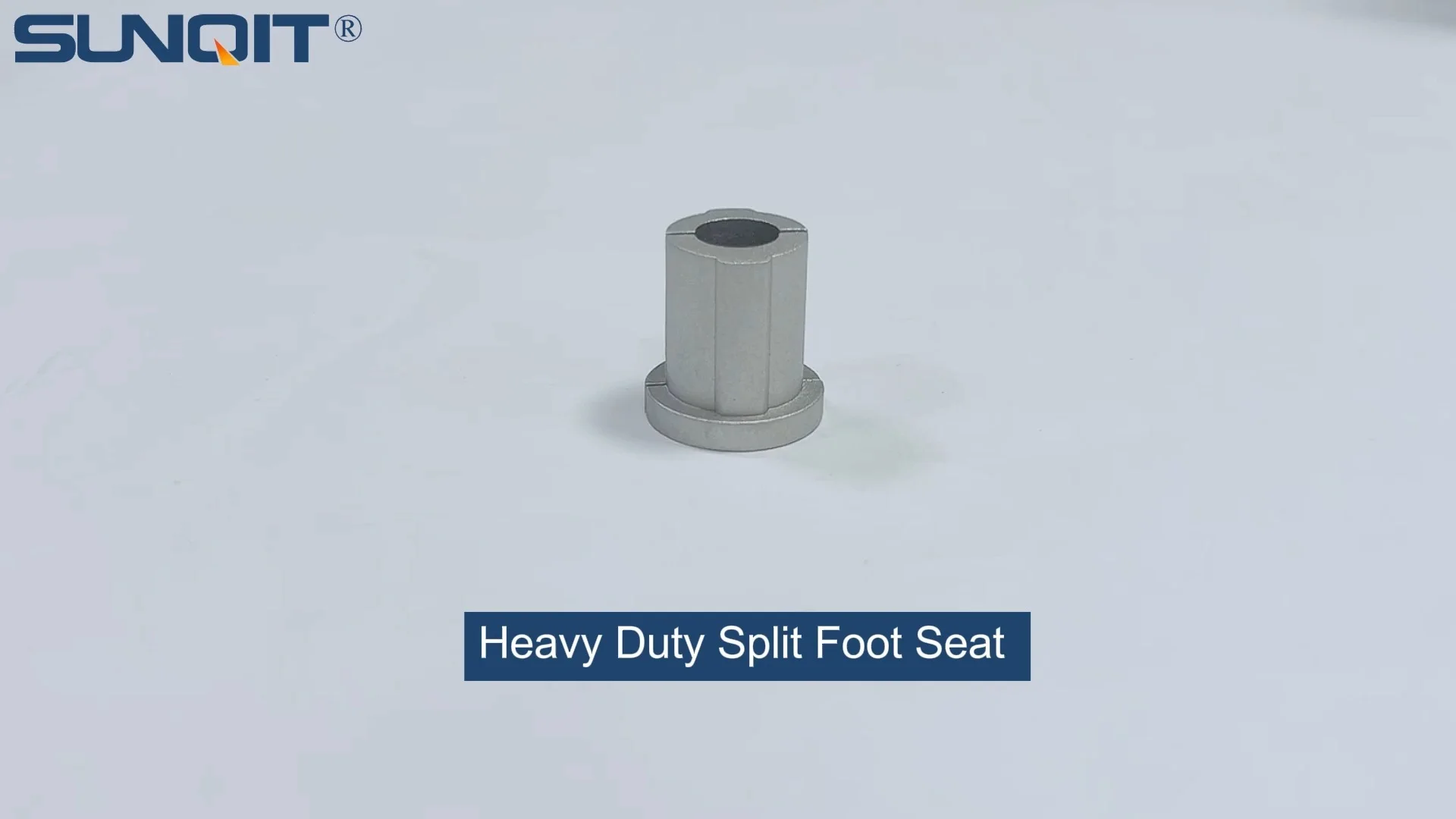
Heavy Duty Split Foot Seat
M10 aluminum heavy duty split foot deat with foot adjuster for workbench and flow rack.
Every time you stream a movie, join a video call, or send a work email, you're relying on a hidden world of technology working tirelessly behind the scenes. Telecom equipment—servers, routers, cabinets, and data centers—forms the backbone of our digital lives. But have you ever stopped to think about what keeps all that heavy, sensitive gear from wobbling, overheating, or even tipping over? Enter the Heavy Duty Split Foot Seat: a small but mighty component that plays a huge role in keeping our telecom infrastructure stable, secure, and ready for anything.
What Exactly is a Heavy Duty Split Foot Seat?
Let's start with the basics. A Heavy Duty Split Foot Seat is a specialized support component designed to anchor heavy equipment to the ground (or a rack) with maximum stability. Think of it as the "feet" of telecom gear—only instead of flimsy plastic, these are built to handle serious weight. The "split" in its name refers to its two-piece design, which allows for fine adjustments. This might sound simple, but that adjustability is a game-changer when you're dealing with uneven floors or equipment that needs precise leveling.
Most Heavy Duty Split Foot Seats are made from durable materials like steel or aluminum profile, chosen for their strength and resistance to corrosion. Aluminum, in particular, is a popular choice because it's lightweight yet tough enough to support hundreds of kilograms—perfect for data centers where every inch of space and pound of weight matters. The best ones also come with rubber or anti-slip bases to grip floors tightly, preventing even the slightest shift, which is critical for equipment that vibrates (like servers with cooling fans).
Why Telecom Equipment Can't Afford Weak Foundations
Telecom equipment isn't just heavy—it's sensitive. A single server can weigh over 50kg, and a full rack of servers? Easily 500kg or more. Add in the constant vibration from fans, the heat generated by processing power, and the occasional bump from maintenance crews, and you've got a recipe for instability if the foundation isn't up to par.
Imagine a router that shifts even a few millimeters. Its internal components could misalign, leading to connection drops. A server rack that wobbles might strain cables, causing data loss or power failures. In worst-case scenarios, an unstable cabinet could tip over, risking damage to expensive equipment and even injury to technicians. Telecom networks can't afford downtime—even a minute of outage can cost businesses thousands of dollars. That's why the right support matters.

Where Heavy Duty Split Foot Seats Shine in Telecom Setups
Now, let's get specific. Where exactly do these foot seats make the biggest difference in telecom? Let's break it down:
1. Data Center Server Racks
Data centers are the "brains" of telecom, packed with row after row of server racks. Each rack is a tower of computing power, and without proper support, all that weight could warp the floor or cause the rack to lean. Heavy Duty Split Foot Seats are installed at the base of each rack, distributing weight evenly and allowing technicians to level the rack perfectly—even if the concrete floor has tiny imperfections. This isn't just about stability; it also helps with cooling. A level rack ensures air flows evenly around servers, preventing hotspots that could crash systems.
2. Outdoor Telecom Cabinets
Ever driven past a green metal cabinet on the side of the road? That's an outdoor telecom cabinet, housing equipment for cell towers or local internet lines. These cabinets face extreme conditions: rain, snow, wind, and even temperature swings from -20°C to 40°C. A Heavy Duty Split Foot Seat here isn't just about keeping the cabinet steady—it's about anchoring it to the ground so wind or vandalism can't tip it over. The split design also makes installation easier; workers can adjust the feet to account for sloped ground, ensuring the cabinet stays upright no matter where it's placed.
3. Workbenches for Equipment Repair
Even the workbenches where technicians repair or configure telecom gear benefit from these foot seats. A standard workbench might wobble when someone leans on it or places a heavy router on top. Add a Heavy Duty Split Foot Seat, and suddenly that workbench becomes a rock-solid platform. Technicians can focus on soldering wires or testing equipment without worrying about the surface shifting—reducing mistakes and making the job safer.

Heavy Duty Split Foot Seats vs. Other Supports: A Clear Winner?
You might be wondering: Why not just use caster wheels or standard fixed foot seats? Let's compare. Caster wheels are great for mobility—if you need to move equipment around a workshop, they're indispensable. But in a data center or outdoor cabinet, mobility is a liability. A server rack on casters could roll if someone bumps it, and caster wheels often can't handle the same weight as a Heavy Duty Split Foot Seat. Standard fixed foot seats, on the other hand, lack the adjustability of the split design. If the floor is uneven, you're stuck with a wobbly setup.
To put it all in perspective, here's a quick comparison:
| Feature | Heavy Duty Split Foot Seat | Caster Wheels (with accessories) | Standard Fixed Foot Seat |
|---|---|---|---|
| Max Load Capacity | Up to 1,000kg per unit | 200-500kg per unit | 300-600kg per unit |
| Stability | Excellent (anti-slip base, even weight distribution) | Low (risk of rolling, even with brakes) | Good (but no adjustability for uneven floors) |
| Best For | Heavy, stationary equipment (server racks, outdoor cabinets) | Mobile equipment (workshop tools, temporary setups) | Light to medium equipment on perfectly level floors |
| Adjustability | High (split design allows leveling on uneven surfaces) | Low (only height-adjustable; no leveling) | None (fixed height and angle) |

The Lean System Advantage: Why Smart Telecoms Choose Split Foot Seats
In telecom, efficiency is everything. That's where lean system principles come in—streamlining processes, reducing waste, and optimizing every part of the infrastructure. Heavy Duty Split Foot Seats fit right into this philosophy. By providing a stable, durable foundation, they reduce the need for constant maintenance (no more re-leveling racks every month), minimize equipment downtime, and even extend the lifespan of expensive gear. A data center using these foot seats, for example, might spend 30% less on repairs related to unstable equipment—freeing up budget for upgrades or new technology.
Lean systems also prioritize adaptability. Telecom equipment is always evolving; today's server rack might need to hold heavier equipment tomorrow. Heavy Duty Split Foot Seats are designed to grow with that demand. Many can support increased weight by simply upgrading the material (e.g., switching from aluminum to steel) or adding extra feet. This flexibility means telecom companies don't have to replace their entire support system every time they upgrade gear—saving time and money.
Case Study: How a Regional Data Center Boosted Reliability with Split Foot Seats
Let's take a look at a real-world example (names changed for privacy). A mid-sized data center in the Midwest was struggling with frequent server crashes. Technicians noticed the racks were slightly tilted, causing uneven cooling and strain on internal components. The center had been using standard fixed foot seats, which couldn't compensate for the floor's minor slope. After consulting with a lean system expert, they switched to Heavy Duty Split Foot Seats made from aluminum profile.
The results were striking:
- Server crashes dropped by 45% in the first month.
- Maintenance time spent leveling racks decreased by 60%.
- The data center's energy bill even went down slightly—level racks meant cooling fans worked more efficiently.
The technician in charge summed it up: "We used to think of foot seats as an afterthought. Now, we realize they're one of the best investments we've made. When your foundation is solid, everything else runs smoother."
Looking Ahead: The Future of Telecom Support
As telecom equipment gets heavier and more powerful—think 5G routers, AI servers, and edge computing hubs—the demand for stronger, smarter support systems will only grow. Heavy Duty Split Foot Seats are evolving too. New designs include built-in sensors that alert technicians if a rack starts to wobble (thanks to IoT technology), or feet made from recycled aluminum profile for eco-friendly data centers. Some manufacturers are even adding anti-vibration features, damping the shaking from servers to protect sensitive components.
One thing is clear: In a world where we depend on telecom for everything from healthcare to education, the equipment that keeps it all running deserves the best foundation possible. Heavy Duty Split Foot Seats might not be the flashiest tech, but they're the quiet guardians ensuring our digital lives stay connected—one stable rack at a time.
Conclusion: The Foundation of Reliable Communication
Next time you make a call or stream a show, take a moment to appreciate the infrastructure behind it. Telecom equipment works hard, and it deserves support that works just as hard. Heavy Duty Split Foot Seats may be small, but their impact is huge—stabilizing gear, reducing downtime, and keeping our digital world running smoothly. For telecom companies looking to build a network that's reliable, efficient, and ready for the future, there's no better choice than a foundation you can trust.