- Company Articles
- Products and Technology
- Product knowledge
- Heavy Duty Split Foot Seat: Core Component of Lean Pipe Material Racks

Heavy Duty Split Foot Seat: Core Component of Lean Pipe Material Racks
Related Product
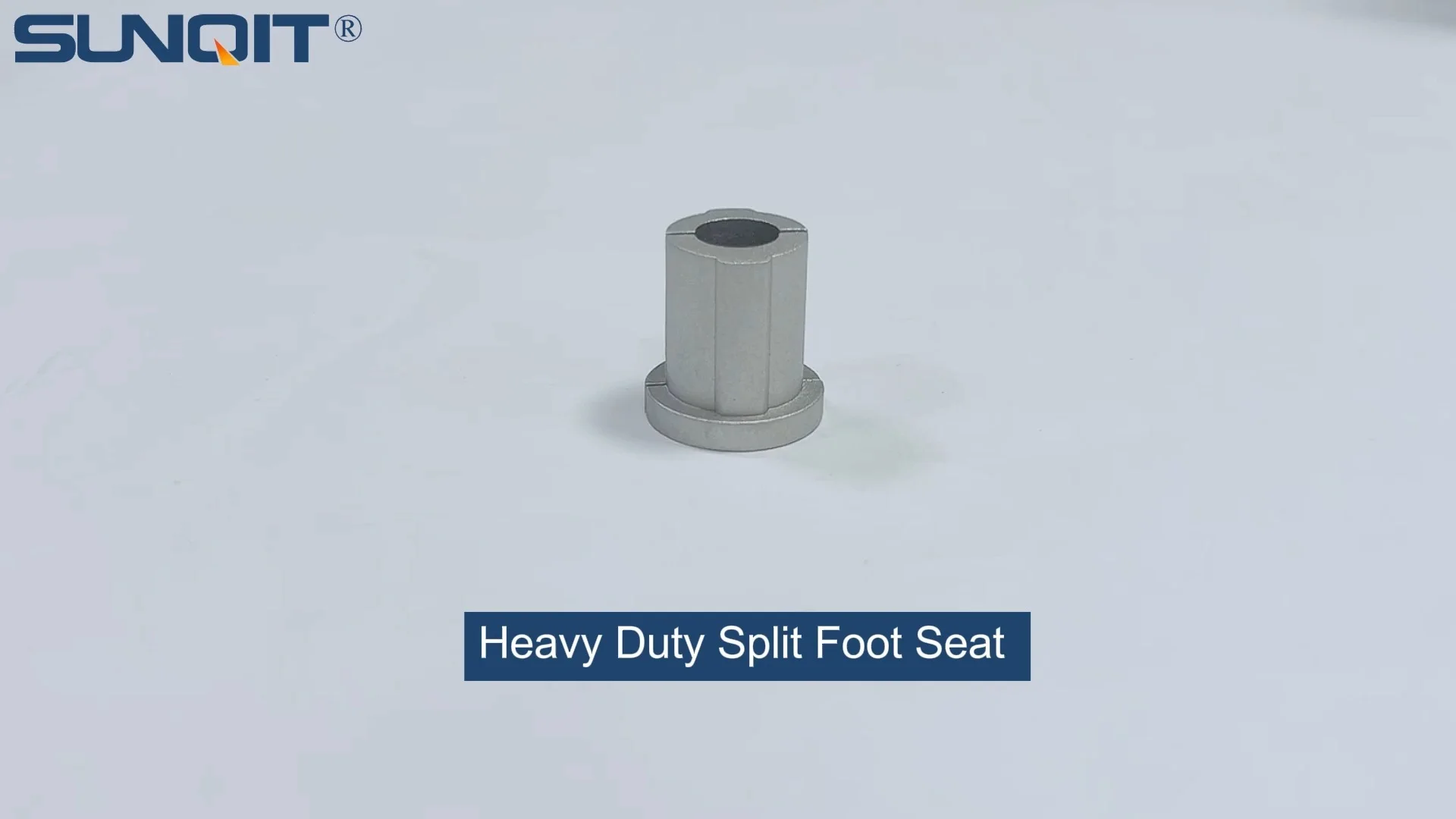
Heavy Duty Split Foot Seat
M10 aluminum heavy duty split foot deat with foot adjuster for workbench and flow rack.
How this unassuming part keeps your production line stable, efficient, and ready for anything
The Backbone of Lean Manufacturing: Why Material Racks Matter
In the fast-paced world of manufacturing, every second counts. Whether you're assembling electronics, building automotive parts, or packaging consumer goods, the way you organize your workspace directly impacts productivity. This is where lean manufacturing comes in—a philosophy centered on minimizing waste, maximizing value, and creating smooth, efficient workflows. At the heart of lean systems lie material racks: humble structures that hold components, guide inventory, and keep everything within arm's reach of workers. But what makes a material rack truly "lean"? It's not just about having a place to put things; it's about stability, flexibility, and durability. And that's where the Heavy Duty Split Foot Seat enters the picture.
Imagine a production floor without sturdy material racks. Parts would pile up on the floor, workers would waste time searching for tools, and the risk of accidents—from tripping over loose items to shelves collapsing under heavy loads—would skyrocket. In lean terms, this is "muda" (waste) in its purest form. Lean material racks, on the other hand, are designed to eliminate this waste by providing a structured, accessible, and reliable way to store and transport materials. They're the silent workhorses that keep assembly lines moving, from the first component arriving at the factory to the final product rolling off the line.
But not all material racks are created equal. A flimsy rack might save money upfront, but it will cost you in the long run: bent pipes, wobbly shelves, and frequent replacements. That's why choosing the right components is critical. Among these components, the Heavy Duty Split Foot Seat might not be the most glamorous, but it's undeniably one of the most important. Think of it as the foundation of your rack—without a solid base, even the strongest lean pipe and sturdiest joints will fail to keep your system stable.
What Exactly Is a Heavy Duty Split Foot Seat?
At first glance, the Heavy Duty Split Foot Seat might look like a simple metal bracket. But don't let its simplicity fool you. This component is engineered to do one job exceptionally well: support the weight of your material rack while keeping it firmly anchored to the ground. Let's break down its design. The "split" in its name refers to its two-piece construction, which allows it to clamp securely around the base of a lean pipe or aluminum profile. The "foot" part is the flat, wide base that sits on the floor, distributing the rack's weight evenly to prevent sinking or tipping. And "heavy duty"? That's a promise of strength—these seats are built to handle loads that would buckle weaker alternatives, often supporting hundreds of pounds without so much as a creak.
To understand why this design matters, let's compare it to a standard foot seat. A basic, non-split foot seat might slide over the end of a pipe and be secured with a single screw. While this works for light loads, it's prone to slipping or loosening over time, especially in high-traffic areas where racks are bumped or vibrated. The split design, by contrast, wraps around the pipe like a vice, using multiple bolts to create a tight, secure grip. This means even if your rack is jostled—by a passing forklift, a worker in a hurry, or the constant motion of roller track systems—the foot seat stays locked in place.
Materials matter too. Most Heavy Duty Split Foot Seats are made from high-grade steel or aluminum, chosen for their strength-to-weight ratio. Steel is ideal for ultra-heavy loads, while aluminum offers corrosion resistance, making it perfect for humid environments or cleanrooms where moisture is a concern. Some seats even come with rubber or plastic padding on the bottom to prevent scratches on factory floors and add extra grip, reducing the risk of the rack sliding on smooth surfaces like concrete or tile.

Key Functions: Why This Component Is Non-Negotiable
Now that we know what a Heavy Duty Split Foot Seat is, let's dive into its critical roles in a lean material rack system. These functions aren't just "nice to have"—they're essential for keeping your production line running smoothly and safely.
1. Load Distribution: Protecting Your Floor and Your Rack
Ever seen a bookshelf that's started to lean because one leg is shorter than the others? Or a rack that's sunk into the floor under the weight of heavy boxes? That's what happens when weight isn't distributed evenly. A Heavy Duty Split Foot Seat solves this by spreading the load of the rack across a larger surface area. Instead of all the weight pressing down on a tiny pipe end (which could crack the floor or bend the pipe), the foot seat's wide base acts like a snowshoe, distributing pressure so no single point bears too much weight. This is especially important in facilities with raised floors or older concrete that might not be able to handle concentrated loads.
2. Stability: Preventing the "Wobbly Rack" Problem
There's nothing more frustrating than working at a workbench or loading parts onto a flow rack that wobbles with every movement. A wobbly rack isn't just annoying—it's dangerous. It can cause parts to fall off, damage sensitive components (like circuit boards in an ESD workstation), or even lead to the rack itself tipping over. The Heavy Duty Split Foot Seat eliminates this risk by anchoring the rack to the floor with unmatched stability. Its low profile also lowers the rack's center of gravity, making it less likely to tip, even when loaded unevenly (though we always recommend balanced loading for best results!).
3. Compatibility: Working with Your Existing Lean System
One of the best things about lean manufacturing is its modularity—you can mix and match components to build custom solutions. The Heavy Duty Split Foot Seat fits right into this ethos. It's designed to work with standard lean pipes (often 28mm or 30mm in diameter), aluminum profiles, and even some types of aluminum lean pipe . This means you don't have to replace your entire rack system to upgrade to a sturdier base; you can simply swap out your old foot seats for these heavy-duty versions. Many manufacturers also offer adjustable split foot seats, which can accommodate different pipe diameters or be raised/lowered slightly to level racks on uneven floors—a lifesaver in older factories where the ground isn't perfectly flat.
4. Longevity: Saving You Time and Money in the Long Run
Let's talk about cost. A Heavy Duty Split Foot Seat might cost a few dollars more than a basic model, but that extra investment pays off quickly. Think about the alternative: a cheap foot seat fails, causing your rack to collapse. You're looking at damaged parts, downtime while you clean up and rebuild the rack, and possibly even worker injuries. The heavy-duty version, with its durable materials and secure design, lasts years longer, reducing the need for replacements. It also minimizes maintenance—no more stopping production to tighten loose bolts or straighten wobbly racks. In lean terms, this is "preventive maintenance" at its best: spending a little now to avoid big losses later.

Integration with Other Lean Components: How It All Comes Together
A material rack isn't just a collection of parts—it's a system. The Heavy Duty Split Foot Seat doesn't work alone; it partners with other components to create a cohesive, efficient setup. Let's walk through how it integrates with some key lean system parts:
Lean Pipes and Joints: The Skeleton of Your Rack
At the core of most lean material racks are lean pipe s—hollow metal tubes that form the vertical and horizontal supports of the structure. These pipes are connected using lean pipe joints, which allow for easy assembly and reconfiguration. The Heavy Duty Split Foot Seat attaches directly to the bottom of these vertical pipes, acting as the "feet" of the skeleton. Without a strong connection here, the entire structure is weak. The split design ensures that the joint between the pipe and foot seat is rigid, preventing the pipe from twisting or bending under load. This rigidity is especially important when racks are built tall, as height increases the risk of tipping. A secure foot seat keeps the base steady, even when the top shelves are fully loaded.
Caster Wheels: Adding Mobility Without Sacrificing Stability
Some material racks are stationary, but others need to move—think of a turnover trolley used to transport parts from one station to another. In these cases, caster wheel s are added to the base. But how do caster wheels work with foot seats? Simple: you can replace some of the Heavy Duty Split Foot Seats with caster-equipped versions, or use a hybrid setup where two seats have casters for mobility and two remain fixed for stability when the rack is in use. The split design ensures that the caster wheels are securely attached, so even when the rack is rolled across the floor, the wheels don't wobble or detach. This is a game-changer for facilities that need flexible storage—you can move the rack to where it's needed, then lock the casters and trust the foot seats to keep it steady while workers load or unload parts.
Roller Tracks and Flow Racks: Supporting Dynamic Workflows
Flow racks are a type of material rack designed to use gravity to move parts along roller track s, ensuring that the oldest parts (first in) are used first (first out), reducing waste from expired or obsolete inventory. These racks are often tilted slightly to encourage movement, which means they put extra stress on the base. A Heavy Duty Split Foot Seat is essential here because it keeps the rack from sliding or tipping as parts glide down the rollers. The wide base prevents the rack from shifting, even when heavy items (like automotive components or large electronics) are moving along the tracks. Without a secure foot seat, the rack might slowly creep forward over time, misaligning the roller tracks and causing jams—a major source of frustration and downtime.
Workbenches: Creating Stable Workstations
Many material racks double as workbenches, with a flat surface on top for assembling parts or inspecting goods. A wobbly workbench is more than just annoying—it can lead to mistakes, as workers struggle to keep components steady. The Heavy Duty Split Foot Seat ensures that the workbench remains level and stable, even when tools are dropped or parts are hammered into place. This stability is crucial for precision work, like soldering circuit boards or assembling small mechanical parts, where a single shake could ruin hours of effort.
Case Study: How Heavy Duty Split Foot Seats Solved a Major Automotive Plant's Rack Problem
Let's put this all into context with a real-world example. A large automotive assembly plant in the Midwest was struggling with a recurring issue: their material racks, which held heavy engine components, kept tipping over. The problem was costing them thousands of dollars in damaged parts and lost production time—every time a rack fell, the line stopped for 30 minutes or more while workers cleaned up and restocked the parts. The plant's maintenance team initially blamed the lean pipe joints, replacing them with heavier-duty versions, but the problem persisted. Finally, they took a closer look at the base of the racks and realized the culprit: cheap, plastic foot seats that were cracking under the weight of the components.
The solution? Upgrading to Heavy Duty Split Foot Seats made from steel. The maintenance team replaced the plastic seats with the split design, securing them with four bolts instead of one. The results were immediate. In the six months following the upgrade, not a single rack tipped over. Workers reported that the racks felt "rock solid," even when loaded to capacity, and the maintenance team noticed a sharp drop in requests to tighten loose joints or straighten bent pipes. The plant estimated that the upgrade saved them over $50,000 in damaged parts and downtime in the first year alone. As one maintenance supervisor put it: "We were focusing on the flashy parts—the joints and the pipes—when the real problem was right under our feet. The split foot seats were the missing piece."

Choosing the Right Heavy Duty Split Foot Seat: What to Look For
Now that you understand why Heavy Duty Split Foot Seats are important, how do you choose the right one for your needs? Here are some key factors to consider:
Load Capacity: Know Your Weight Limits
The first question to ask is: How much weight will your rack need to support? Foot seats are rated for maximum load, and it's crucial to choose one that exceeds your expected weight by at least 20% (this is called a "safety margin"). For example, if your rack will hold 500 pounds, choose a seat rated for 600 pounds or more. This accounts for unexpected stress—like a worker placing a heavier part than usual on the shelf or the rack being moved with a full load. Most manufacturers list load capacity in their product specs, so don't skip this step!
Material: Steel vs. Aluminum
As mentioned earlier, steel is stronger, while aluminum is lighter and corrosion-resistant. If your facility is dry and you need maximum strength, steel is the way to go. If you're in a humid environment, or if you need to move the rack frequently (and thus want to reduce weight), aluminum might be better. Some manufacturers also offer stainless steel options for food processing or pharmaceutical facilities where hygiene is critical, as stainless steel resists bacteria growth and is easy to clean.
Pipe Diameter Compatibility: Measure Before You Buy
Lean pipes come in different diameters—28mm is standard, but some systems use 30mm or even 40mm pipes. Make sure the split foot seat you choose is designed for your pipe size. A seat that's too small won't clamp properly, and one that's too large will be loose, defeating the purpose of the split design. If you're unsure, measure the outer diameter of your pipes with a caliper and check the product specs for compatibility.
Floor Protection: Avoid Scratches and Slips
If your factory has polished concrete floors or epoxy coatings, you'll want a foot seat with a non-slip, scratch-resistant base. Look for seats with rubber pads or plastic inserts on the bottom—these not only protect the floor but also add grip, reducing the risk of the rack sliding. In facilities with uneven floors, adjustable foot seats (which let you raise or lower the base by turning a screw) can help level the rack, ensuring that weight is distributed evenly across all four feet.
Conclusion: The Foundation of a Lean Future
In the world of lean manufacturing, success lies in the details. It's not just about big-picture strategies like reducing waste or optimizing workflows—it's about the small components that make those strategies possible. The Heavy Duty Split Foot Seat is one of those components: unassuming, often overlooked, but absolutely critical to the stability and efficiency of your material racks. By providing a secure base for lean pipes, supporting heavy loads, and integrating seamlessly with other lean system parts like roller tracks and caster wheels, this component ensures that your production line stays running smoothly, safely, and waste-free.
So the next time you walk through your factory floor, take a moment to look down at the base of your material racks. If you see flimsy, cracked, or loose foot seats, consider this: upgrading to Heavy Duty Split Foot Seats might be the simplest, most cost-effective way to boost your productivity, reduce downtime, and create a safer work environment. After all, a lean system is only as strong as its foundation—and with the right foot seats, that foundation will stand the test of time.
Comparison Table: Heavy Duty Split Foot Seat vs. Standard Foot Seat
| Feature | Heavy Duty Split Foot Seat | Standard Foot Seat |
|---|---|---|
| Design | Split, two-piece construction with multiple bolts for secure clamping | Single-piece, slides over pipe end with one or two screws |
| Load Capacity | High (often 500+ lbs per seat) | Low to medium (up to 200 lbs per seat) |
| Stability | Excellent—resists tipping, slipping, and loosening | Poor—prone to wobbling or sliding under heavy loads |
| Material Options | Steel, aluminum, stainless steel | Plastic, lightweight steel |
| Compatibility | Works with lean pipe, aluminum profile, roller track systems | Limited to specific pipe sizes; poor integration with heavy components |
| Longevity | 5–10 years (with proper maintenance) | 1–2 years (prone to cracking or breaking) |