- Company Articles
- Products and Technology
- Product knowledge
- Heavy Duty Split Foot Seat Cost Analysis: Initial Investment vs. Long-Term Savings

Heavy Duty Split Foot Seat Cost Analysis: Initial Investment vs. Long-Term Savings
Related Product
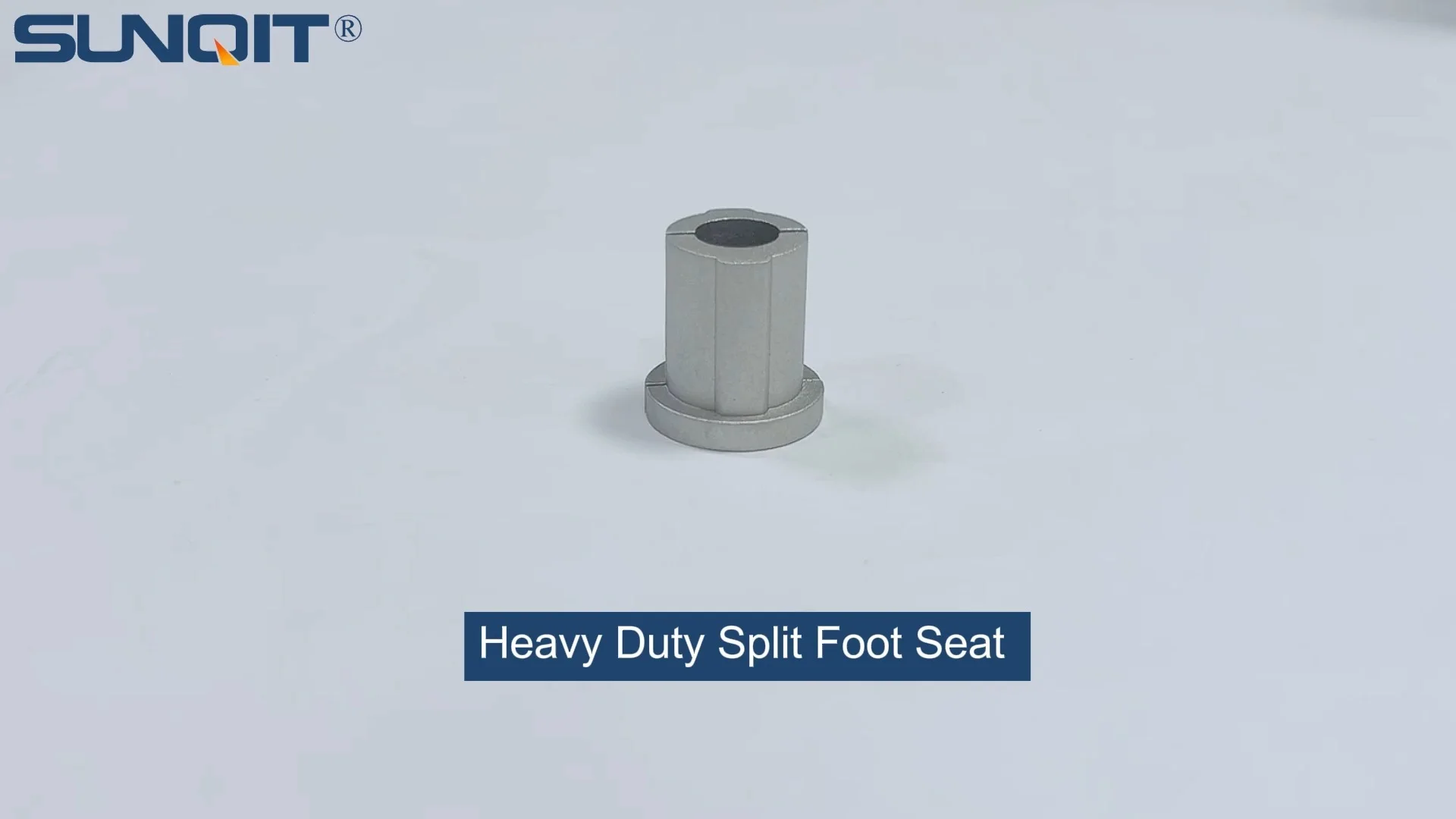
Heavy Duty Split Foot Seat
M10 aluminum heavy duty split foot deat with foot adjuster for workbench and flow rack.
Let's start with a scenario we've all heard (or lived): A small manufacturing shop decides to save money by buying budget workbenches. At first, it seems smart—lower upfront costs mean more cash for other tools. But six months later, the workbenches start wobbling. A year in, one leg gives out entirely, sending parts crashing to the floor. By then, they're replacing benches left and right, losing productivity to downtime, and even dealing with a minor worker injury from a wobbly surface. Sound familiar? The truth is, when it comes to industrial furniture like workbenches or material racks, skimping on critical components—like the Heavy Duty Split Foot Seat—often costs way more in the long run.
Today, we're diving into one of those "small but mighty" components: the Heavy Duty Split Foot Seat. It's not the flashiest part of a lean system, but it's the unsung hero that keeps workbenches stable, casters rolling smoothly, and operations running without a hitch. We'll break down what you'll pay upfront versus what you'll save over time—and why this tiny investment might be the smartest financial decision your shop makes all year.
What Are Heavy Duty Split Foot Seats, Anyway?
Before we talk numbers, let's make sure we're on the same page. A Heavy Duty Split Foot Seat is a base component designed to anchor the legs of workbenches, racks, or trolleys to the floor. Think of it as the "foundation" of your workstation—literally. Unlike flimsy plastic or thin metal alternatives, these foot seats are built to distribute weight evenly, absorb vibrations from machinery, and prevent tipping or wobbling, even under heavy loads.
They're especially crucial if your setup uses caster and accessories (like mobile workbenches or turnover trolleys). A weak foot seat can cause the entire structure to shift when casters are locked, leading to misaligned parts, damaged inventory, or worse. And when paired with sturdy aluminum profile workbenches? They become the backbone of a system that can handle daily wear and tear without breaking a sweat.
The Initial Investment: What You'll Pay Upfront
Let's get the "scary" part out of the way first: the upfront cost. Yes, Heavy Duty Split Foot Seats cost more than generic alternatives. But how much more? And what factors influence that price?
Material Matters: Aluminum vs. Steel vs. Plastic
Most Heavy Duty Split Foot Seats are made from aluminum, steel, or reinforced plastic. Plastic is the cheapest (think $5–$10 per unit), but it's also the least durable—great for light-duty use, but risky for heavy manufacturing. Steel is stronger ($15–$25) but prone to rust in humid environments. Aluminum? It hits the sweet spot: lightweight, rust-resistant, and strong enough for most industrial needs. Expect to pay $20–$35 per aluminum split foot seat, depending on size and thickness.
Supplier Choices: Why Partnering with a Reputable Lean Pipe Workbench Supplier Matters
Here's a secret: Not all foot seats are created equal. A no-name supplier might sell "heavy duty" aluminum seats for $15, but cut corners on wall thickness or weld quality. A trusted lean pipe workbench supplier, though, will charge a bit more ($25–$35) but provide seats tested to withstand 500+ pounds of static weight and years of vibration. It's tempting to go for the cheaper option, but remember: A seat that cracks after 6 months isn't a "deal"—it's a liability.
Quantity and Customization: Buying in Bulk vs. Tailored Solutions
Buying 100+ units? Most suppliers offer bulk discounts—maybe $22 per seat instead of $25. Need custom sizes for a unique aluminum profile workbench? That could add $5–$10 per unit, but ensures a perfect fit (and avoids the cost of modifying standard seats later). Small shops might pay $25–$35 per seat for 10–20 units; larger operations could get down to $20–$25 with bulk orders.

Long-Term Savings: The ROI You Can't Ignore
Let's do the math. Say you run a mid-sized shop with 50 workbenches. You need 200 foot seats (4 per bench). Here's how the numbers shake out over 5 years:
| Scenario | Initial Cost (200 seats) | Replacement Frequency | Total Replacement Cost (5 years) | Downtime Costs (Estimated) | Safety/Accident Costs (Estimated) | 5-Year Total |
|---|---|---|---|---|---|---|
| Budget Plastic Seats | $1,000 ($5/seat) | Every 1–2 years | $2,500 (replace 2x) | $5,000 (10 hrs/year x $50/hr labor) | $3,000 (1 minor accident) | $11,500 |
| Mid-Range Steel Seats | $4,000 ($20/seat) | Every 3–4 years | $2,000 (replace 1x) | $2,000 (4 hrs/year x $50/hr) | $1,000 (fewer wobbles, fewer accidents) | $9,000 |
| Heavy Duty Aluminum Seats (from a lean pipe workbench supplier) | $6,000 ($30/seat) | Every 7–10 years (no replacement in 5 years) | $0 | $500 (1 hr/year x $50/hr for inspections) | $0 (stable benches = fewer accidents) | $6,500 |
Shocking, right? Over 5 years, the "cheap" plastic seats end up costing nearly twice as much as the aluminum ones. But the savings go beyond dollars—let's break down why:
Durability: Fewer Replacements, Less Downtime
Aluminum seats rarely need replacing. In 5 years, you might swap out 1–2 due to extreme damage (like a forklift bump), but that's it. Plastic seats? You'll replace 40–50% of them every 1–2 years. Each replacement means taking a workbench offline, paying a tech to swap seats, and losing productivity. At $50/hour labor, even 1 hour per bench per year adds up fast.
Safety First: Avoiding Accidents and Worker Compensation Claims
A wobbly workbench isn't just annoying—it's dangerous. A worker leaning on a unstable bench could slip, or tools could fall and hit feet. The average minor workplace injury costs $3,000–$5,000 in medical bills and lost work time. Heavy duty seats keep benches rock-solid, slashing accident risk. One avoided injury alone pays for 100+ aluminum seats.
Efficiency Gains: Stable Workbenches Mean Smoother Operations
Ever tried assembling small parts on a wobbly surface? It's slow. Workers adjust their grip, double-check alignments, and waste mental energy just keeping things steady. A stable bench? Faster assembly, fewer errors, and happier employees (which means lower turnover). Studies show stable workstations boost productivity by 5–10%—for a team of 20 workers, that's an extra 400+ productive hours per year.
Compatibility with Caster and Accessories
Many shops use casters to move workbenches. A cheap foot seat might crack when casters are locked, damaging both the seat and the caster mount. Heavy duty aluminum seats? They're designed to work with caster and accessories, absorbing the stress of frequent movement without breaking. That means fewer caster replacements ($40–$80 each) and less time fixing damaged mounts.
Real-World Example: How a Small Electronics Manufacturer Saved $12,000 in Two Years
Take "Precision Circuits," a 30-person electronics shop in Ohio. In 2022, they were using plastic foot seats on 30 workbenches. By mid-2023, 15 benches had wobbly legs; 2 workers reported wrist strain from compensating for instability. They switched to aluminum split foot seats from a local lean pipe workbench supplier, spending $2,100 (70 seats x $30). Here's what happened next:
- No more wobbly benches—productivity increased by 8% (saving ~$9,000/year in labor costs).
- Zero replacements needed in 2 years (vs. 20 plastic seats replaced in 2022 alone, costing $200).
- No worker injuries or strain claims (saving an estimated $3,000+).
Total savings in 2 years? $9,000 + $200 + $3,000 = $12,200—more than 5x their initial $2,100 investment.

Conclusion: Why Heavy Duty Split Foot Seats Are More Than Just a "Nice-to-Have"
At the end of the day, Heavy Duty Split Foot Seats aren't an expense—they're an investment. Yes, you'll pay more upfront ($20–$35 per seat vs. $5–$15 for budget options), but the long-term savings in replacements, downtime, and safety costs make them impossible to ignore. For most shops, the ROI kicks in within 1–2 years, and by year 5, you're looking at 2–3x returns.
So, the next time you're shopping for workbenches or material racks, don't overlook the foot seats. Partner with a trusted lean pipe workbench supplier, opt for aluminum (or steel, if you need it), and sleep easy knowing you're building a setup that will last. Your wallet (and your workers) will thank you.