- Company Articles
- Products and Technology
- Product knowledge
- Heavy Duty Split Foot Seat Customization Options: Size, Color & Finish

Heavy Duty Split Foot Seat Customization Options: Size, Color & Finish
Related Product
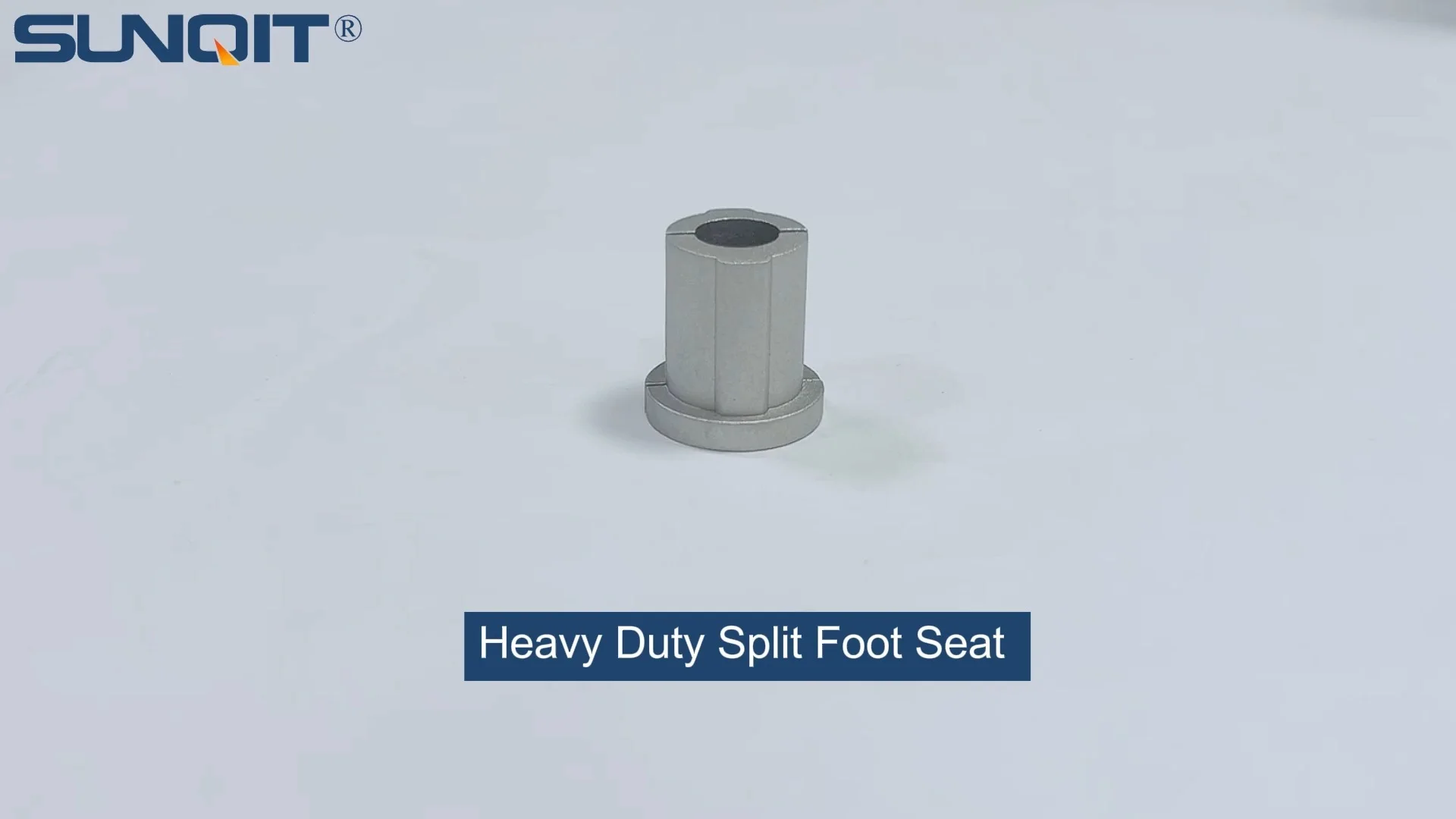
Heavy Duty Split Foot Seat
M10 aluminum heavy duty split foot deat with foot adjuster for workbench and flow rack.
The Unsung Hero of Stable Workspaces
Walk into any well-oiled manufacturing facility, and you'll notice a quiet confidence in the air. The assembly lines hum without interruption, workbenches hold tools and parts steady, and material racks stand firm even when stacked high with components. Behind this seamless efficiency lies a network of small but mighty components—ones that rarely get the spotlight but keep everything from wobbling, tipping, or failing. Among these unsung heroes is the heavy duty split foot seat, a foundational piece that turns ordinary workbenches, material racks, and lean system structures into pillars of stability.
Think about a typical day on the factory floor. A worker leans into a workbench to tighten a bolt, and the surface doesn't so much as shift. A material handler loads a pallet onto a rack, and the structure absorbs the weight without creaking. These moments of reliability don't happen by accident. They're the result of choosing the right components—like the heavy duty split foot seat—to anchor your workspace. But not all foot seats are created equal. In a world where every operation has unique needs, customization isn't a luxury; it's a necessity. Let's dive into how sizing, color, and finish options can transform a basic foot seat into a tailored solution that fits your facility like a glove.
What Is a Heavy Duty Split Foot Seat?
Before we explore customization, let's get clear on what a heavy duty split foot seat actually does. At its core, it's a load-bearing component designed to attach to the base of industrial structures—think workbenches, material racks, or lean system frames. Its "split" design refers to the way it clamps around the base of a leg or support post, distributing weight evenly across the floor. Unlike standard fixed feet, which offer minimal adjustability, a split foot seat adds a layer of stability by gripping the structure tightly and providing a broad, flat surface to contact the ground. This design is especially critical in heavy-duty settings, where uneven floors, shifting loads, or constant vibration could turn a stable setup into a safety hazard.
But why "heavy duty"? These aren't the flimsy plastic feet you might find on a home desk. Heavy duty split foot seats are built to withstand industrial-level stress—think loads of 500kg or more, daily wear and tear, and exposure to oils, chemicals, or moisture. They're the backbone of structures like the material rack b (3 row and 3 floor) , a workhorse in many warehouses that needs to support multiple layers of inventory without buckling. When paired with components like adjustable leveling feet , they become even more versatile, allowing operators to fine-tune height and balance on uneven surfaces—ensuring that every workbench or rack stands perfectly level, no matter the floor's imperfections.

Customization Option 1: Size—Finding the Perfect Fit
One size does not fit all when it comes to heavy duty split foot seats. A foot seat that works for a lightweight workbench e (single deck-without caster) might crumble under the weight of a fully loaded material rack. That's why sizing is the first—and most critical—customization consideration. Let's break down the key dimensions and how they align with different applications.
Height: Bridging the Gap
The height of a split foot seat determines how much space exists between the base of your structure and the floor. Too short, and you might struggle to adjust for uneven ground or clean underneath the equipment. Too tall, and the structure could become top-heavy, defeating the purpose of stability. Most manufacturers offer height options ranging from 50mm to 150mm, with custom sizes available for specialized needs. For example, a lean system in a food processing plant might require a taller foot seat to elevate equipment off the floor, making it easier to sanitize underneath. In contrast, a workbench in a tight assembly line might need a shorter profile to keep the surface at a comfortable working height.
Base Diameter: Spreading the Weight
The base diameter of the foot seat directly impacts weight distribution. A larger diameter means the load is spread over a wider area, reducing pressure on the floor and minimizing the risk of sinking or tilting. For light-duty applications—like a small workbench holding hand tools—a base diameter of 80mm might suffice. But for heavy hitters like the material rack b (3 row and 3 floor) , which can hold hundreds of kilograms of parts across three levels, a base diameter of 120mm or more is non-negotiable. It's the difference between a rack that stands firm and one that starts to lean after months of use.
Load Capacity: Matching Strength to Demand
Perhaps the most critical sizing factor is load capacity—the maximum weight the foot seat can support without deforming or failing. This isn't a number to guess at. Underestimating the load can lead to catastrophic failures, while overestimating might mean paying for unnecessary bulk. Most suppliers categorize foot seats by load ranges: small (up to 500kg), medium (500kg–1000kg), and large (1000kg+). For reference, a standard workbench might fall into the small to medium range, while a fully loaded material rack or industrial lean system frame would demand a large, heavy duty option.
| Size Category | Height (mm) | Base Diameter (mm) | Load Capacity (kg) | Ideal Applications |
|---|---|---|---|---|
| Small | 50–80 | 60–80 | Up to 500 | Light workbenches, small shelving units |
| Medium | 80–120 | 80–100 | 500–1000 | Standard workbenches, single-level material racks |
| Large | 120–150+ | 100–150+ | 1000+ | Material rack b (3 row and 3 floor), heavy-duty lean systems |

Customization Option 2: Color—More Than Meets the Eye
When most people think of industrial components, color isn't the first thing that comes to mind. But in the world of manufacturing, color is a language. It communicates safety, organization, and brand identity—all while making your facility more efficient. Heavy duty split foot seats might be small, but their color can play a big role in how your workspace functions.
Safety First: High-Visibility Hues
In busy facilities, where forklifts, pallet jacks, and workers are constantly on the move, visibility is key to avoiding accidents. High-visibility colors like safety yellow (RAL 1023) or orange (RAL 2003) can turn foot seats into subtle warning markers, drawing attention to the base of structures and preventing collisions. Imagine a material rack positioned near a walkway: bright yellow foot seats at floor level act as a visual cue, alerting passersby to the rack's presence even in dimly lit corners.
Brand and Aesthetics: Blending In or Standing Out
Your facility is an extension of your brand, and consistency matters. Many companies opt for neutral colors like gray (RAL 7016) or black (RAL 9005) to match their existing equipment or aluminum profile frames, creating a cohesive look that feels intentional. Others use custom colors to align with brand guidelines—think a manufacturer with blue logos choosing foot seats in RAL 5015 (sky blue) to tie the workspace together. It's a small detail, but it adds up to a facility that feels polished and professional.
ESD-Safe Options: Protecting Sensitive Electronics
In electronics manufacturing, color can also signal functionality. Black foot seats, for example, are often made with ESD (electrostatic discharge)-safe materials, which prevent static buildup that could damage sensitive components like circuit boards. When paired with an ESD workbench, these foot seats become part of a system that protects products from costly defects. It's a simple color choice with a big impact on quality control.

Customization Option 3: Finish—Durability Meets Environment
While size and color address fit and function, the finish of a heavy duty split foot seat determines how well it will stand up to its environment. Factories are tough places—exposed to moisture, chemicals, oils, and constant friction. The right finish can add years to a foot seat's lifespan, while the wrong one might lead to rust, corrosion, or degradation. Let's explore the most common finish options and when to choose each.
Powder Coating: The Workhorse Finish
Powder coating is the go-to finish for most industrial applications—and for good reason. It's applied as a dry powder, electrostatically charged to adhere to the metal surface, then baked to form a hard, durable layer. The result? A finish that resists chips, scratches, and corrosion, even in high-traffic areas. Powder coating is also highly customizable, available in hundreds of colors (including the RAL shades mentioned earlier) and textures (matte, gloss, or textured for extra grip). It's ideal for general manufacturing environments, where foot seats might encounter occasional spills or impacts but aren't submerged in liquids.
Anodized: Sleek Protection for Aluminum
For foot seats paired with aluminum profile structures, anodizing is a popular choice. This electrochemical process creates a protective oxide layer on the aluminum surface, enhancing corrosion resistance and adding a sleek, uniform appearance. Anodized finishes come in clear (to show off the aluminum's natural look) or colored options, and they're particularly durable in indoor environments like cleanrooms or electronics assembly lines. Unlike paint, anodizing won't chip or peel, making it a low-maintenance choice for facilities that prioritize longevity.
Galvanized: Battling Moisture and Rust
In facilities with high humidity, frequent washing, or exposure to outdoor elements—like food processing plants or warehouses with loading docks—galvanized finishes are a lifesaver. Galvanization involves coating the foot seat in zinc, which acts as a sacrificial layer, corroding before the underlying metal does. This makes galvanized foot seats resistant to rust and ideal for environments where water or chemicals are part of the daily routine. They're not the most aesthetically flashy option, but when durability in harsh conditions is non-negotiable, galvanized finishes deliver.
Why Customization Matters: Real-World Examples
Still on the fence about whether custom split foot seats are worth the investment? Let's look at a few scenarios where one-size-fits-all simply wouldn't cut it.
Scenario 1: The Electronics Manufacturer
A company assembling smartphones needs ESD-safe workbenches to protect delicate components. They opt for black split foot seats with an ESD finish, paired with aluminum profile frames and static-dissipative work surfaces. The foot seats are sized to support medium loads (around 700kg) and finished in powder coating to match the sleek aluminum frames. The result? A workspace that prevents static damage and looks professional, aligning with the company's focus on precision.
Scenario 2: The Automotive Parts Warehouse
A warehouse storing heavy engine parts relies on material rack b (3 row and 3 floor) units to maximize vertical space. Each rack holds up to 1500kg, so they choose large split foot seats with a 120mm base diameter and galvanized finish to withstand the warehouse's humid conditions. The foot seats are also height-adjustable (100mm–150mm) to level the racks on a slightly uneven concrete floor. Thanks to the custom sizing and finish, the racks stand steady for years, even with daily loading and unloading.
Scenario 3: The Food Processing Plant
A meat processing facility needs workbenches and material racks that can be hosed down regularly for sanitation. They select stainless steel split foot seats with a polished finish (to resist bacteria buildup) and a height of 100mm to elevate equipment off the floor. The bright silver finish also reflects light, making the workspace feel cleaner and more open. The customization ensures compliance with food safety regulations and keeps the facility running smoothly during daily cleaning routines.
Choosing the Right Supplier: Your Partner in Customization
Customizing split foot seats is only as effective as the supplier you work with. A reliable supplier won't just take your order—they'll act as a partner, helping you navigate size, color, and finish options to find the perfect fit for your needs. Here's what to look for:
Expertise in Industrial Applications
Look for a supplier with experience in your industry. A company that specializes in lean system components will understand the unique demands of manufacturing, while one focused on laboratory equipment will know the ins and outs of cleanroom requirements. They should ask questions about your load, environment, and existing structures (like whether you're using aluminum profile frames or steel) to tailor recommendations.
Flexibility in Customization
Not all suppliers offer the same level of customization. Some might limit you to standard sizes or colors, while others can create fully bespoke foot seats—including unique heights, custom colors, or specialized finishes. If your needs are specific (say, a 140mm height for a non-standard rack), make sure the supplier can accommodate that without compromising quality.
Quality Materials and Testing
A heavy duty split foot seat is only as strong as the materials it's made from. Ask about the grade of steel or aluminum used, and whether the foot seats undergo load testing to ensure they meet capacity claims. Reputable suppliers will be transparent about their manufacturing process and happy to share test results or certifications.
Conclusion: Stability Starts with the Right Foundation
In the rush to optimize production lines and upgrade equipment, it's easy to overlook the small components that hold everything together. But as any seasoned facility manager will tell you, stability is the foundation of efficiency. A wobbly workbench or leaning material rack doesn't just slow down operations—it creates safety risks, damages products, and erodes morale. The heavy duty split foot seat might be small, but its impact is enormous.
By customizing size, color, and finish, you transform a basic component into a solution that fits your facility's unique needs—whether that means supporting a material rack b (3 row and 3 floor) in a warehouse, protecting sensitive electronics with ESD-safe finishes, or matching your brand colors to create a cohesive workspace. And when you partner with a supplier who understands your industry and prioritizes quality, you're not just buying a foot seat—you're investing in the reliability of your entire operation.
So the next time you walk through your facility, take a moment to look down. The foot seats holding up your workbenches and racks might not grab headlines, but they're the quiet force keeping your operation steady, efficient, and ready for whatever the day brings.