- Company Articles
- Products and Technology
- Product knowledge
- Heavy Duty Split Foot Seat Design: Ergonomics & Workplace Efficiency

Heavy Duty Split Foot Seat Design: Ergonomics & Workplace Efficiency
Related Product
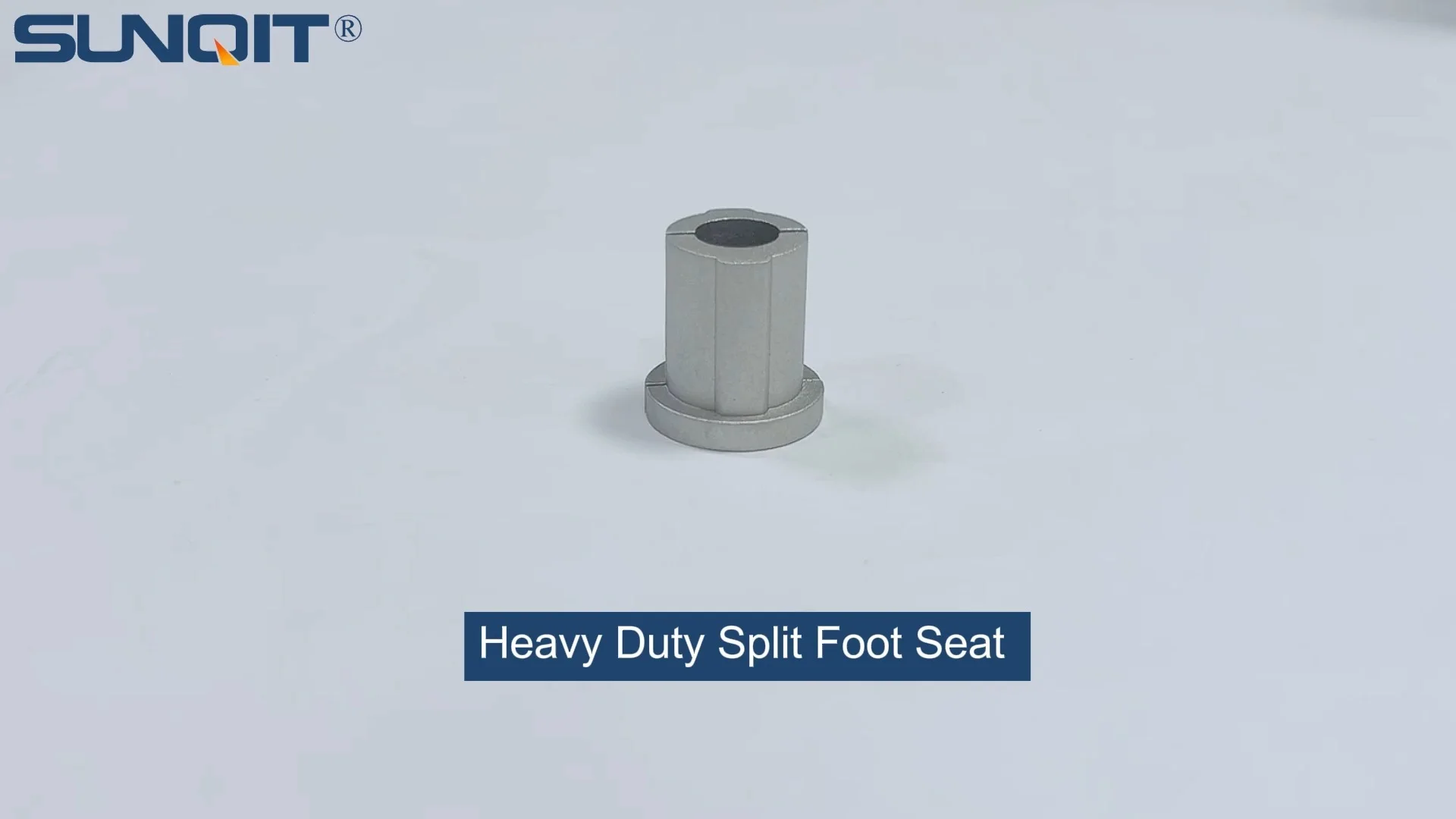
Heavy Duty Split Foot Seat
M10 aluminum heavy duty split foot deat with foot adjuster for workbench and flow rack.
Walk into any busy manufacturing floor, warehouse, or assembly line, and you'll notice a silent yet critical factor shaping worker productivity: comfort. Not the "cozy couch" kind of comfort, but the kind that lets someone stand, reach, and focus for 8 hours without their body screaming for a break. In the world of lean manufacturing and high-paced production, even small tools can tip the scales between a day of frustration and a day of steady, efficient work. Enter the heavy duty split foot seat—a humble but game-changing component that's redefining how we think about ergonomics in the workplace. Let's dive into why this design matters, how it's built (hint: aluminum extrusion profile plays a star role), and the real difference it makes in keeping teams healthy and workflows smooth.
What Even Is a Heavy Duty Split Foot Seat?
First things first: if you're picturing a clunky metal stool or a basic footrest under a desk, think again. A heavy duty split foot seat is purpose-built for industrial environments—places where "heavy duty" isn't just a buzzword, but a requirement. It's a low-profile support structure, typically positioned near workbenches or assembly stations, designed to cradle a worker's feet while they stand or lean during tasks. The "split" part? Instead of a single flat surface, it has two separate platforms (or "feet") that let users shift their weight, cross ankles, or rest one foot at a time—mimicking natural movement instead of forcing static posture.
But why "heavy duty"? These aren't flimsy plastic contraptions. We're talking about supporting 300+ pounds of weight, resisting scuffs from steel-toed boots, and withstanding the daily chaos of a factory floor—oils, drops, and all. And here's where it ties into the bigger picture: when paired with lean system principles, this seat isn't just about comfort. It's about cutting down on wasted motion, reducing fatigue-related mistakes, and keeping workflows moving like a well-oiled machine.
Meet Lisa: A third-shift assembly line worker at an automotive parts plant. For years, she stood at her workbench attaching wiring harnesses, propping one foot on a old wooden crate (her "DIY footrest") and switching sides every 20 minutes. By 2 AM, her lower back ached, and her ankles felt stiff—small distractions that led to occasional fumbles with delicate connectors. Six months ago, her plant upgraded to heavy duty split foot seats. Now, she shifts between the split platforms effortlessly, keeps her core engaged, and hasn't missed a single connection since. "It sounds silly," she laughs, "but that little seat? It's like having a second pair of hands—freeing up my focus to do the job right."
Design Deep Dive: Why This Seat Stands (and Supports) Above the Rest
Let's get technical—but in a "how does this actually work for me?" way. The magic of a heavy duty split foot seat lies in three key design choices: materials, the split structure, and built-in durability. Let's break them down.
Aluminum Extrusion Profile: The Backbone of Durability
Walk over to one of these seats and knock on the frame—you'll hear a solid, reassuring clink . Chances are, that frame is made from aluminum extrusion profile. Why aluminum? It's the Goldilocks of industrial materials: strong enough to handle heavy loads (we're talking 500+ pounds for some models), light enough to reposition if needed, and resistant to rust and corrosion—critical in damp or oily environments. Unlike steel, it won't add unnecessary weight, so workers can adjust the seat's position without straining. And extrusion? That means the aluminum is shaped into precise, consistent profiles (think: T-slots, grooves, and channels) that make it easy to add accessories—like height-adjustable knobs or non-slip pads—without welding or drilling. It's modular, it's tough, and it's why these seats outlast cheaper plastic or wood alternatives by years.
The Split Secret: Movement = Less Fatigue
Remember when your mom told you "don't sit still for too long"? The same logic applies to standing. Our bodies aren't built for rigidity—static positions cut off blood flow, strain muscles, and turn a 10-minute task into a 20-minute slog. The split design solves this by letting workers move without moving away from their station . Need to reach for a tool on the left? Shift weight to your right foot on the split platform. Tired of standing straight? Cross one ankle over the other, using the split as a gentle prop. It's small movement, but it keeps blood flowing, muscles engaged, and minds focused. Traditional single-platform footrests? They trap you in one position—great for 5 minutes, terrible for 5 hours.
Heavy Duty Features: Built for the "Oops, I Dropped That" Moments
Industrial work isn't polite. Parts get dropped. Spills happen. Workers lean, kick, or accidentally bump into equipment. A heavy duty split foot seat laughs in the face of this chaos. Look closely, and you'll notice details like reinforced joints (often made from the same aluminum extrusion profile as the frame), non-slip rubberized platforms (so boots don't slide), and rounded edges (no more stubbed toes). Some models even have drainage holes—handy for spills—or adjustable height levers, so a 5'2" worker and a 6'4" coworker can share the same station without hunching or stretching. This isn't just about longevity; it's about reliability. When you're in the middle of a tight production run, the last thing you need is a broken footrest throwing off your rhythm.

Ergonomics: More Than "Feeling Good" – It's Good Business
Let's talk numbers. The Bureau of Labor Statistics reports that musculoskeletal disorders (MSDs)—think back pain, carpal tunnel, tendonitis—cost U.S. businesses over $20 billion annually in workers' comp and lost productivity. A big culprit? Poor ergonomics in standing workstations. Enter the heavy duty split foot seat: a tiny investment with a huge ROI in worker health.
Here's how it works: When you stand with feet flat on the floor for hours, your body compensates by locking knees, tilting hips, or rounding shoulders—subtle shifts that strain the lower back and legs over time. The split seat encourages a "neutral posture": feet slightly elevated, knees soft, weight evenly distributed. This takes pressure off the lumbar spine, reduces swelling in the ankles, and even improves circulation (hello, fewer cold feet on winter shifts!). And when workers aren't distracted by discomfort? They're faster, more accurate, and less likely to take unscheduled breaks. One manufacturing plant in Ohio reported a 15% drop in MSD-related absences within a year of installing these seats—paying for the upgrade in under six months.

Why Lean Systems Love This Seat (Spoiler: Waste Hates It)
Lean system thinking is all about cutting waste—whether it's wasted time, materials, or motion. So where does a foot seat fit in? Let's connect the dots. In a lean workflow, every second counts. A worker who pauses to stretch a stiff leg, or leans awkwardly to reach a tool (because their feet are uncomfortable) is creating "non-value-added motion"—the kind of waste lean aims to eliminate. The split foot seat nips this in the bud by keeping workers stable, balanced, and within easy reach of their tools and materials. No more leaning, shifting, or stepping away from the workbench—just smooth, consistent motion.
Flexibility is another lean win. Most split foot seats are lightweight enough to move (thank you, aluminum extrusion profile!) and compatible with modular workbenches. Need to reconfigure your assembly line for a new product? Slide the seat to a new position in minutes. No bolts, no tools, no downtime. This adaptability is gold in lean environments, where rigid setups lead to bottlenecks and delays.

Pairing with Workbenches: A Match Made in Productivity Heaven
A split foot seat is great on its own, but it truly shines when paired with a well-designed workbench. Think of it like peanut butter and jelly—each complements the other. Modern workbenches, often built with aluminum extrusion profile frames, are already ergonomically tuned: adjustable heights, built-in tool storage, and surfaces tailored to specific tasks (like ESD-safe tops for electronics work). Add a split foot seat, and you've got a workstation that adapts to the worker, not the other way around.
For example: At a electronics assembly plant, workers might use a workbench with a height-adjustable surface. Raise the bench to shoulder level for soldering, lower it for intricate wiring—all while the split foot seat adjusts in tandem (some models even bolt directly to the bench legs for stability). No more "making do" with a setup that's either too high or too low. It's this kind of harmony that turns a workstation from a "place you work" into a "tool that works for you."
Traditional vs. Split: Let's Compare (Spoiler: Split Wins)
Still on the fence? Let's put traditional footrests head-to-head with heavy duty split foot seats. The table below says it all:
| Feature | Traditional Footrest (Wooden Crate, Basic Plastic) | Heavy Duty Split Foot Seat |
|---|---|---|
| Material | Wood (prone to splinters, warping), cheap plastic (cracks under weight) | Aluminum extrusion profile (rust-resistant, lightweight, built to last 10+ years) |
| Weight Capacity | 150-200 lbs (if you're lucky) | 300-500+ lbs (no "max weight" anxiety) |
| Movement Support | Static single platform (forces one posture) | Split design (encourages natural shifting, reduces stiffness) |
| Ergonomic Tuning | One-size-fits-none (too high, too low, or wobbly) | Adjustable height, non-slip surface, rounded edges (custom fit for any worker) |
| Lean System Compatibility | Wasted motion (workers adjust, fidget, or avoid using it) | Seamless workflow (reduces pauses, adapts to line changes) |
| Cost Over Time | Cheap upfront, but replaced every 6-12 months (wood rots, plastic breaks) | Higher initial cost, but zero replacement needed for a decade (ROI in 1-2 years) |
Where Else Does This Seat Shine? Beyond the Factory Floor
While manufacturing and assembly lines are obvious fits, heavy duty split foot seats are popping up in unexpected places. Warehouses, where pickers stand at packing stations for hours. Labs, where researchers lean over microscopes. Even retail stock rooms, where employees sort inventory at standing-height shelves. Anywhere someone stands to work, this seat turns "surviving the shift" into "thriving through the shift."
Take warehouses, for example. Lean system principles here focus on fast, accurate order fulfillment. A picker standing at a packing bench, sorting small items into boxes, can waste precious seconds shifting weight or readjusting their stance. With a split foot seat, they stay balanced, keep their hands moving, and get orders out the door faster—all while avoiding the "end-of-day shuffle" (you know, that slow, stiff walk to the parking lot after hours of standing). It's these small, cumulative gains that add up to big results.
The Future: What's Next for Workplace Ergonomics?
As workplaces get smarter, so do their tools. We're already seeing split foot seats with built-in sensors (tracking how often workers shift positions, alerting supervisors to potential fatigue). Or seats that pair with smart workbenches, automatically adjusting height based on the user's (via camera or app). And as aluminum extrusion profile technology improves—think stronger, lighter alloys—we'll see even more durable, customizable designs. The goal? A workplace where "ergonomics" isn't an afterthought, but the starting point.
Final Thought: Small Tool, Big Impact
At the end of the day, a heavy duty split foot seat is more than metal and bolts. It's a statement: that workers matter, that efficiency and comfort go hand-in-hand, and that even the smallest tools can drive big change. Whether you're running a lean system-focused plant, managing a warehouse, or just looking to make your workstation a little less "work" and a little more "flow," this seat delivers. It's not about coddling workers—it's about giving them the support they need to do their best work, day in and day out.
So the next time you walk through a factory or warehouse, take a look at the footrests (or lack thereof). Chances are, the ones with the happiest, most productive teams? They're not just standing on the floor. They're standing on something better: a split seat, built to last, and built for them.