- Company Articles
- Products and Technology
- Product knowledge
- Heavy Duty Split Foot Seat Load Capacity: Testing & Real-World Performance

Heavy Duty Split Foot Seat Load Capacity: Testing & Real-World Performance
Related Product
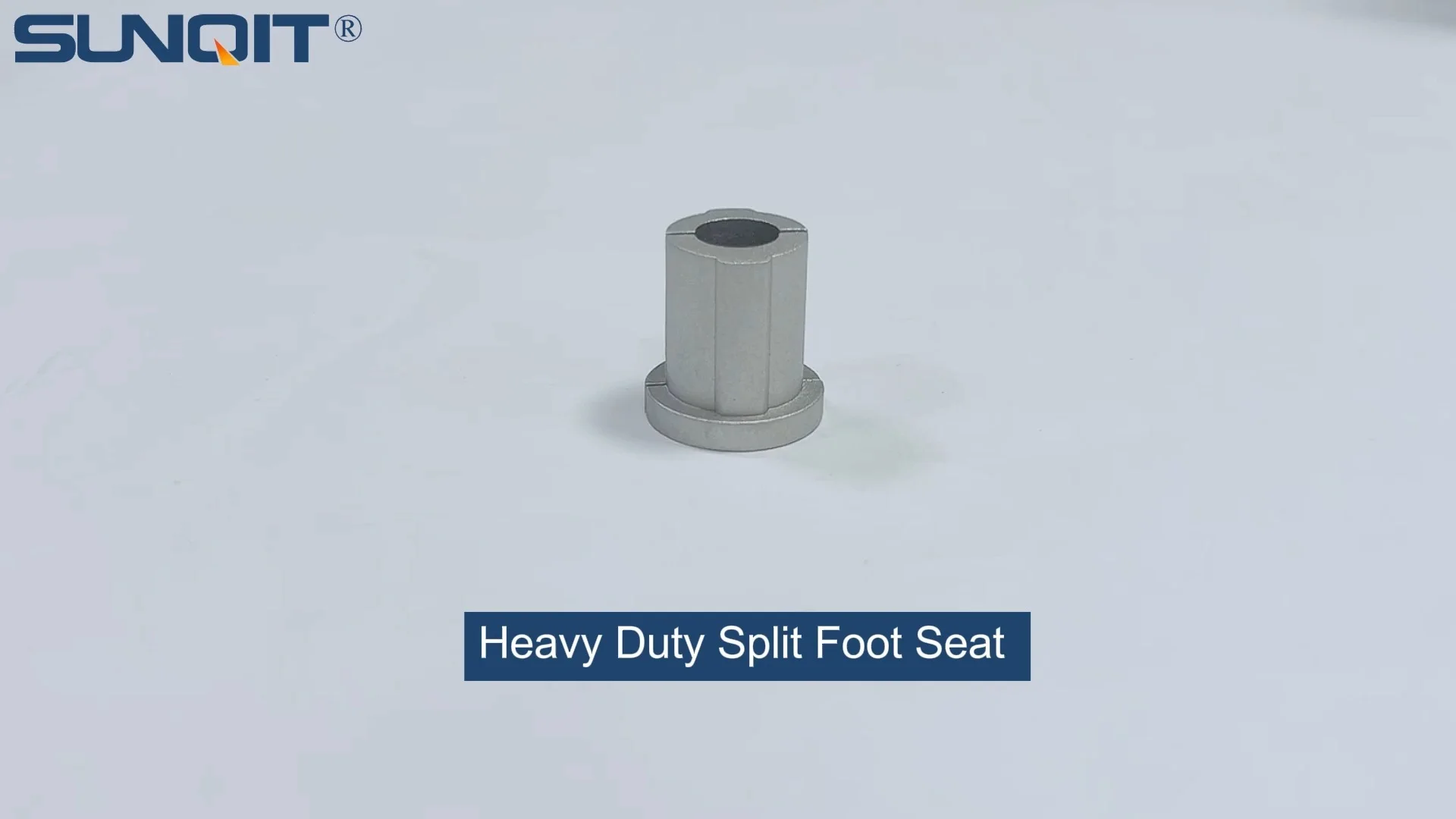
Heavy Duty Split Foot Seat
M10 aluminum heavy duty split foot deat with foot adjuster for workbench and flow rack.
Walk into any busy manufacturing plant, warehouse, or assembly line, and you'll see a symphony of movement: workers assembling products, conveyors shifting materials, and workbenches holding tools and components. Behind all this activity, there's an unsung hero keeping everything stable and secure: the equipment that supports these workspaces. Today, we're diving into one of these critical but often overlooked components: the heavy duty split foot seat. Specifically, we'll explore its load capacity—how it's tested, how it performs in real-world settings, and why it matters for your operations. Whether you're setting up a new lean pipe workbench or upgrading existing equipment, understanding the split foot seat's role can save you from costly mistakes down the line.
What Even Is a Heavy Duty Split Foot Seat?
Before we get into load capacity, let's make sure we're all on the same page about what a heavy duty split foot seat actually is. Picture this: you're looking at the base of a sturdy workbench or a material rack. Instead of a single solid block holding it up, there's a split, two-piece design that spreads the weight across a wider area. That's the split foot seat. It's typically made from robust materials like steel or aluminum profile, engineered to distribute the weight of the equipment (and whatever's on it) evenly across the floor.
You'll often find these foot seats paired with adjustable leveling feet—small, threaded components that screw into the base to fine-tune height and compensate for uneven floors. Sometimes, if mobility is needed, they might even work alongside caster wheels, though the split design itself is all about stability when the equipment is stationary. Think of it as the foundation of your foundation: without a reliable split foot seat, even the strongest lean pipe workbench could wobble, shift, or worse, collapse under pressure.
Why Load Capacity Isn't Just a Number—It's a Safety Net
Load capacity sounds technical, but here's the plain truth: it's the maximum weight a split foot seat can safely support without failing. And "failing" isn't just a vague term—it could mean bending, cracking, or completely giving way. In an industrial setting, that's a disaster waiting to happen. Imagine a lean pipe workbench loaded with heavy machinery parts suddenly tipping because the foot seats couldn't handle the weight. Not only could that damage expensive equipment, but it could also injure workers nearby. That's why load capacity isn't just a spec on a datasheet; it's a safety net for your team and your bottom line.
But load capacity isn't static, either. It's not enough to say, "This foot seat holds 2,000 kg, so we're good." Real-world conditions—vibrations from nearby machinery, sudden impacts when materials are dropped, even temperature changes that affect material strength—can all put extra stress on the foot seat. That's why testing load capacity in controlled environments and then verifying it in real-world use is so critical. It's the difference between assuming your setup is safe and knowing it is.

Testing Load Capacity: From the Lab to the Factory Floor
So how do manufacturers determine a heavy duty split foot seat's load capacity? It starts in the lab, but it doesn't end there. Let's break down the key tests that separate a reliable foot seat from a risky one.
Static Load Testing: The "Sit and Hold" Test
Static load testing is the most basic—and most important—test. It involves applying a constant, steady weight to the foot seat and measuring how it holds up over time. For example, a manufacturer might place a 2,500 kg weight on a split foot seat and leave it for 24 hours. If the seat shows no signs of deformation (like bending or cracking) afterward, it passes. This test mimics scenarios where a workbench or rack is loaded with heavy materials for extended periods—think of a storage rack holding boxes of parts overnight or a lean pipe workbench with tools and components left in place during a shift.
Dynamic Load Testing: When Things Start Moving
Static testing covers steady weights, but what about when the load isn't constant? That's where dynamic load testing comes in. This test applies sudden or shifting weights to simulate real-world conditions like dropping a heavy part onto a workbench or a conveyor vibrating as it moves materials. For split foot seats, dynamic testing might involve repeatedly adding and removing weight (say, 1,500 kg added, then removed, 100 times) or applying side-to-side pressure to check for stability. If the foot seat can handle these quick changes without failing, it's ready for environments where movement is part of the daily routine.
Durability Testing: The Long Haul
A foot seat might pass static and dynamic tests, but how does it hold up over months or years of use? Durability testing answers that by subjecting the foot seat to thousands of cycles of stress—think of it as a "torture test" for longevity. For example, a manufacturer might use a machine to apply a 2,000 kg load, release it, and repeat the process 10,000 times. If the foot seat still functions like new afterward, it's considered durable. This test is crucial because industrial equipment isn't replaced every month; it needs to last, and the split foot seat is no exception.
Real-World Validation: What the Lab Can't Predict
Lab tests are rigorous, but they can't replicate every scenario. That's why many manufacturers partner with factories to test foot seats in real-world settings. For example, a manufacturer might supply split foot seats to a car assembly plant, where they're used under lean pipe workbenches holding heavy engine parts. Over six months, the plant tracks how the foot seats perform—do they loosen? Crack? Show signs of wear? This real-world feedback helps refine the design, ensuring the foot seat works not just in a controlled lab, but in the messy, unpredictable reality of a working factory.

How Heavy Duty Split Foot Seats Stack Up: A Real-World Comparison
Not all foot seats are created equal. To understand why heavy duty split foot seats are a top choice for industrial settings, let's compare them to other common types of foot seats, including fixed solid foot seats and adjustable single-foot seats. The table below breaks down their load capacities, best uses, and key limitations.
| Foot Seat Type | Typical Load Capacity (Static) | Best For | Key Limitation |
|---|---|---|---|
| Heavy Duty Split Foot Seat | 1,500–5,000 kg | Lean pipe workbenches, heavy storage racks, industrial material racks | Heavier and bulkier than single-foot designs |
| Fixed Solid Foot Seat | 500–2,000 kg | Light to medium-duty workbenches, small tool racks | No adjustability; risky on uneven floors |
| Adjustable Single-Foot Seat | 800–3,000 kg | Mobile workstations, light conveyor systems | Less stability than split designs under heavy loads |
| Caster Wheel Base (with locking mechanism) | 300–1,500 kg | Mobile trolleys, temporary workstations | Lowest load capacity; prone to wobbling when locked |
As you can see, heavy duty split foot seats excel when it comes to raw load capacity and stability. Their split design spreads weight over a larger area, reducing stress on the floor and minimizing the risk of tipping. This makes them ideal for setups like lean pipe workbenches, which often need to support both tools and heavy materials. Fixed solid seats, while cheaper, lack the adjustability of split seats—if your factory floor has even a slight slope, a solid seat might leave your workbench wobbling. Adjustable single-foot seats offer height control but can't match the split seat's stability under heavy, shifting loads. And caster wheel bases, while great for mobility, simply aren't built for the heavy lifting required in most industrial settings.

Real-World Performance: Stories from the Factory Floor
Lab tests and specs are helpful, but what do heavy duty split foot seats look like in action? Let's hear from some real-world users to get a sense of how these components perform when the pressure is on.
Case Study 1: Automotive Assembly Plant in Michigan
A major automotive manufacturer in Michigan recently upgraded the foot seats on their engine assembly line lean pipe workbenches. Previously, they'd been using adjustable single-foot seats with a claimed load capacity of 2,000 kg. But after several incidents where workbenches wobbled when technicians leaned on them or placed heavy engine blocks on top, they switched to heavy duty split foot seats rated for 3,500 kg. "The difference was night and day," says Mark, the plant's maintenance supervisor. "We used to have to re-level the workbenches every week because the single-foot seats would sink or shift. Now, with the split seats, they stay stable for months. Even when we drop a 500 kg engine part onto the bench, there's no movement at all. It's saved us hours of maintenance and given the team peace of mind."
Case Study 2: Warehouse in Texas
A large e-commerce warehouse in Texas relies on material racks to store bulk inventory, including heavy electronics and appliances. They'd been using fixed solid foot seats, but after a rack collapsed under a load of refrigerators (resulting in $10,000 in damage), they invested in heavy duty split foot seats. "We had the solid seats tested afterward, and it turned out they were only rated for 1,500 kg, but we were loading the rack with 2,200 kg," explains Sarah, the warehouse operations manager. "The split seats we installed are rated for 4,000 kg, and we've had zero issues since. They distribute the weight so evenly that even our floor tiles—which used to crack under the old seats—are holding up. It was a small investment compared to the cost of another collapse."
Common Issues and How to Solve Them
Even the best heavy duty split foot seats can run into problems if they're not installed or maintained properly. Let's look at some common issues and how to fix them.
Issue 1: Wobbling Despite High Load Capacity
If your split foot seat is wobbling even though it's rated for the load, the problem is likely uneven installation. Split foot seats rely on both "feet" making full contact with the floor. If one side is slightly higher than the other (due to a uneven floor or loose bolts), the seat won't distribute weight evenly. The fix? Use adjustable leveling feet. These small, threaded feet screw into the bottom of the split seat, allowing you to raise or lower each side independently until the seat is perfectly level. It's a simple step, but it makes a world of difference in stability.
Issue 2: Corrosion in Humid or Wet Environments
In factories or warehouses with high humidity (like food processing plants or outdoor storage areas), steel split foot seats can rust over time, weakening their load capacity. The solution here is material choice. Many manufacturers now offer split foot seats made from aluminum profile or stainless steel, which resist corrosion. If you're stuck with steel seats, regular cleaning and coating with anti-rust spray can extend their life—but for long-term reliability, switching to aluminum or stainless steel is worth the investment.
Issue 3: Overloading (Even Accidentally)
Even with a 5,000 kg load capacity, it's easy to accidentally overload a split foot seat if you're not tracking what's on the equipment above it. A common mistake is piling materials on a workbench or rack without considering the total weight. To prevent this, label each setup with its maximum load capacity (based on the foot seats and other components) and train workers to check labels before adding materials. It's also a good idea to schedule regular inspections to ensure loads aren't creeping above safe limits.
Choosing the Right Heavy Duty Split Foot Seat for Your Needs
Now that you understand load capacity testing, real-world performance, and common issues, how do you choose the right split foot seat for your setup? Here are a few key questions to ask:
- What's the maximum weight your equipment will hold? Add 20% to that number to account for unexpected loads or dynamic stress (like dropping materials).
- What's your floor like? Uneven floors need adjustable leveling feet; humid environments need corrosion-resistant materials like aluminum profile.
- Will the setup ever need to move? If mobility is key, pair split foot seats with lockable caster wheels (but remember, casters reduce maximum load capacity).
- What's your budget? While it's tempting to go for the cheapest option, skimping on foot seats can cost far more in repairs or accidents later.
When in doubt, consult with a supplier who specializes in industrial components. A good supplier will ask about your specific needs, recommend a foot seat with the right load capacity, and even help with installation tips to ensure optimal performance.
Conclusion: The Foundation of a Strong Workspace
Heavy duty split foot seats might not be the most glamorous part of your industrial setup, but they're one of the most critical. From supporting lean pipe workbenches in automotive plants to stabilizing material racks in warehouses, these unassuming components keep your operations running smoothly and safely. By understanding load capacity testing, real-world performance, and how to choose the right foot seat for your needs, you're not just investing in equipment—you're investing in the safety of your team and the efficiency of your workspace.
So the next time you walk past a sturdy workbench or a stable storage rack, take a second to look down. Chances are, there's a heavy duty split foot seat holding it all together. And now, you'll know just how much work went into making sure it can handle the load.