- Company Articles
- Products and Technology
- Product knowledge
- Heavy Duty Split Foot Seat Material Analysis: Corrosion Resistance

Heavy Duty Split Foot Seat Material Analysis: Corrosion Resistance
Related Product
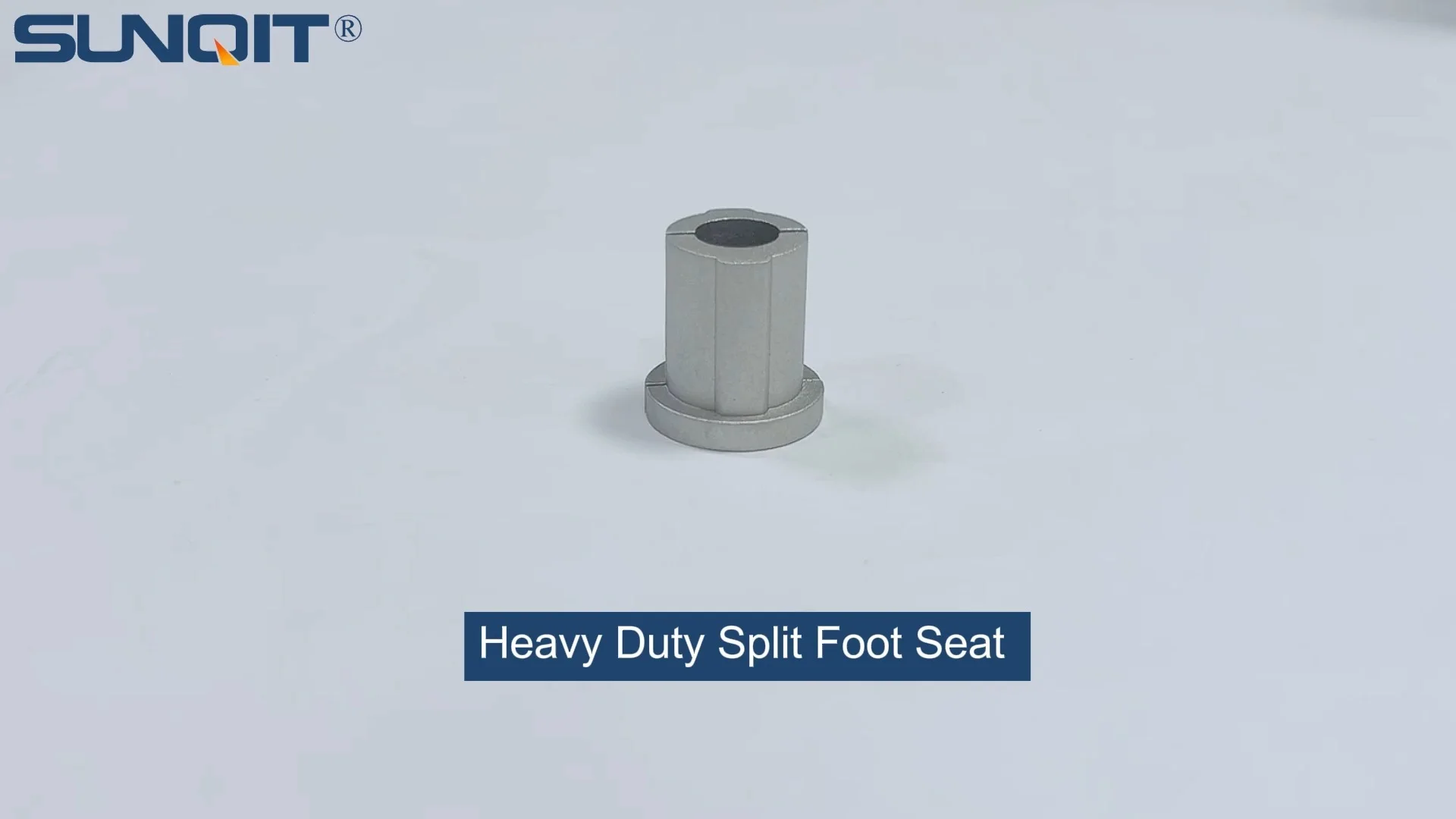
Heavy Duty Split Foot Seat
M10 aluminum heavy duty split foot deat with foot adjuster for workbench and flow rack.
Introduction: The Unsung Hero of Industrial Stability
In the bustling world of manufacturing, warehousing, and industrial operations, there are countless components that keep things running smoothly—conveyors that move products, workbenches where assembly happens, and material racks that store inventory. But if you take a step back (literally), you'll notice one often-overlooked component that forms the foundation of it all: the heavy duty split foot seat. These unassuming pieces are the quiet workhorses, providing stability to everything from production lines to storage systems. Yet, their importance becomes glaringly obvious when they fail—and one of the biggest threats to their longevity is corrosion.
Corrosion isn't just a cosmetic issue. When a foot seat corrodes, it weakens. A weakened foot seat can lead to wobbly workbenches, misaligned conveyors, or even collapsed material racks—all of which risk product damage, production delays, and safety hazards. For operations that rely on precision and reliability, choosing the right material for heavy duty split foot seats isn't just a purchase decision; it's an investment in long-term efficiency and safety. In this analysis, we'll dive into the materials that make these foot seats resistant to corrosion, why that resistance matters, and how to select the best option for your needs.
Why Corrosion Resistance Matters: Beyond Rust and Red Tape
To understand why corrosion resistance is critical for heavy duty split foot seats, let's start with the environments they inhabit. Industrial spaces are rarely gentle: factories deal with oil, coolants, and chemical spills; warehouses face humidity, cleaning agents, and occasional water exposure; food processing plants use high-pressure washdowns with sanitizers. Even in "clean" environments like electronics assembly lines, static control solutions and lubricants can create microclimates that corrosion.
The consequences of ignoring corrosion resistance are tangible. Consider a pharmaceutical facility where material racks hold sensitive medical supplies. If the heavy duty split foot seats supporting those racks corrode, the racks might tilt, risking damaged inventory or non-compliance with safety regulations. In automotive plants, where conveyors run 24/7, a corroded foot seat could lead to uneven belt movement, causing parts to jam or fall—halting production and costing thousands in downtime. Over time, frequent replacements of corroded foot seats also add up, eating into budgets that could be better spent on innovation or workforce development.
Simply put, corrosion resistance isn't a "nice-to-have" feature for heavy duty split foot seats. It's a core requirement that directly impacts operational reliability, safety, and bottom-line performance.

Common Materials in Heavy Duty Split Foot Seats: A Closer Look
When it comes to manufacturing heavy duty split foot seats, three materials dominate the market: stainless steel, aluminum, and coated carbon steel. Each has its own strengths and weaknesses, but their performance in resisting corrosion varies dramatically. Let's break them down.
Stainless Steel: The Gold Standard for Corrosion Resistance
Stainless steel is often the first choice for applications where corrosion resistance is non-negotiable—and for good reason. Part of the broader stainless steel pipe series, this alloy contains at least 10.5% chromium, which reacts with oxygen to form a thin, invisible "passive layer" on the surface. This layer acts as a shield, preventing moisture, chemicals, and other corrosive agents from penetrating the metal. If the surface is scratched, the chromium quickly reforms the passive layer, self-healing the material.
Within the stainless steel family, two grades are most common for heavy duty split foot seats: 304 and 316. Grade 304 (sometimes called "18/8" for its 18% chromium and 8% nickel content) offers excellent resistance to general corrosion, making it ideal for indoor environments with moderate humidity or occasional spills. Grade 316, however, steps things up with the addition of molybdenum, which enhances its resistance to chloride-rich environments—think coastal facilities, food processing plants using salt-based sanitizers, or chemical labs. For heavy duty split foot seats expected to withstand harsh conditions, 316 stainless steel is often the go-to.
Aluminum: Lightweight Strength with a Protective Edge
Aluminum, particularly when paired with aluminum profile components, is another popular material for heavy duty split foot seats. While not as inherently corrosion-resistant as stainless steel, aluminum has a unique defense mechanism: it forms a natural oxide layer when exposed to air. This layer is thin (just a few nanometers thick) but dense, preventing further oxidation. For added protection, many aluminum foot seats undergo anodization—a process that thickens this oxide layer, making it even more resistant to wear and corrosion.
Aluminum's biggest advantage is its weight-to-strength ratio. It's significantly lighter than stainless steel, which simplifies installation and reduces the overall load on floors. This makes it a favorite in settings where mobility or weight restrictions matter, such as temporary workstations or upper-floor warehouses. However, aluminum does have limitations: it's softer than stainless steel, so it may not hold up as well under extreme loads, and its corrosion resistance drops in highly acidic or alkaline environments. For example, in facilities using strong cleaning agents with a pH below 4 or above 9, aluminum foot seats may start to degrade over time.
Coated Carbon Steel: The Budget-Friendly Option with Caveats
Carbon steel is strong and affordable, but on its own, it's highly prone to rust. To mitigate this, manufacturers often coat carbon steel foot seats with zinc (galvanization), powder coatings, or paint. These coatings act as a barrier, keeping moisture and corrosive agents away from the steel. For light-duty applications in dry, indoor environments—like office supply storage racks—coated carbon steel can be a cost-effective choice.
However, the trade-off is durability. Coatings can chip, scratch, or wear off over time, especially in high-traffic areas where foot seats are bumped by forklifts or heavy equipment. Once the coating is compromised, the underlying steel is exposed, and corrosion sets in quickly. For heavy duty split foot seats supporting critical equipment, coated carbon steel is rarely recommended unless the environment is strictly controlled and maintenance is frequent.

Material Properties That Drive Corrosion Resistance
Corrosion resistance isn't just about the base material—it's about how that material interacts with its environment. Let's unpack the key properties that determine how well a heavy duty split foot seat will stand up to rust, pitting, and degradation.
Chemical Composition: The Recipe for Resistance
In stainless steel, the magic lies in its alloying elements. Chromium is the star, but nickel and molybdenum play supporting roles. Nickel enhances the passive layer's stability, while molybdenum (as in 316 stainless steel) specifically targets chloride corrosion. For example, a 316 stainless steel foot seat will resist saltwater spray far better than a 304 stainless steel one, thanks to that extra molybdenum.
Aluminum's composition also matters. Alloys like 6061, which contains magnesium and silicon, offer better strength and corrosion resistance than pure aluminum. These alloys are often used in heavy duty applications because they can withstand higher loads while maintaining their oxide layer integrity.
Surface Finish: More Than Just Shine
A smooth, uniform surface finish isn't just for aesthetics—it helps prevent corrosion. Rough surfaces or crevices (like the split in a split foot seat) can trap moisture, dirt, or chemicals, creating microenvironments where corrosion thrives. Stainless steel foot seats with a polished finish, for example, are easier to clean and less likely to harbor corrosive agents than those with a rough, matte finish. Similarly, anodized aluminum foot seats have a textured surface that's more resistant to scratches, which helps preserve their protective oxide layer.
The split design of these foot seats adds a unique challenge: the gap between the split sections can collect debris or moisture. To address this, manufacturers often design split foot seats with rounded edges or drainage channels, and they may use materials with self-healing properties (like stainless steel's passive layer) to counteract any trapped corrosive agents.
Mechanical Strength: Corrosion and Load-Bearing in Tandem
A foot seat's ability to resist corrosion is only half the battle—it also needs to support heavy loads without deforming. For example, a stainless steel foot seat may be highly corrosion-resistant, but if it's too thin or poorly designed, it could bend under the weight of a conveyor system, creating stress cracks that accelerate corrosion. Similarly, aluminum foot seats need to balance lightweight design with structural integrity to avoid warping, which can expose fresh metal to corrosive elements.
This is where adjustable leveling feet often come into play. Many heavy duty split foot seats are paired with adjustable leveling feet, which allow operators to fine-tune stability on uneven floors. A well-designed leveling system reduces stress on the foot seat, preventing warping and extending its lifespan—further protecting against corrosion by maintaining the material's structural integrity.

Material Comparison: Which One Stands Up Best?
To help visualize how these materials stack up, let's compare their corrosion resistance, strength, weight, and ideal applications in a side-by-side table:
| Material | Corrosion Resistance | Strength (Load Capacity) | Weight | Ideal Environments | Key Limitations |
|---|---|---|---|---|---|
| 304 Stainless Steel (Stainless Steel Pipe Series) | High (resists water, mild chemicals) | High (up to 5,000 lbs per foot seat) | Heavy (30-40% denser than aluminum) | Indoor manufacturing, dry warehouses, general assembly | Less resistant to chlorides; heavier than aluminum |
| 316 Stainless Steel (Stainless Steel Pipe Series) | Very High (resists saltwater, acids, chlorides) | High (similar to 304) | Heavy (same as 304) | Food processing, coastal facilities, chemical labs | Higher cost than 304; still heavy |
| Anodized Aluminum (Aluminum Profile) | Medium-High (resists moisture, mild chemicals) | Medium-High (up to 3,500 lbs per foot seat) | Lightweight (60% lighter than stainless steel) | Light to medium-duty workbenches, upper-floor warehouses | Softer than stainless steel; struggles in extreme pH environments |
| Galvanized Carbon Steel | Low-Medium (depends on coating integrity) | Very High (up to 6,000 lbs per foot seat) | Heavy (similar to stainless steel) | Dry, indoor storage (light duty) | Coating prone to chipping; rusts quickly if damaged |
As the table shows, stainless steel—particularly 316 grade—offers the best corrosion resistance, making it the top choice for harsh or high-moisture environments. Aluminum shines in applications where weight or mobility is key, while galvanized carbon steel is best reserved for budget-sensitive, low-risk settings.
Real-World Applications: Where Material Choice Makes a Difference
To illustrate how material selection impacts performance, let's look at three real-world scenarios where heavy duty split foot seats are put to the test—and how the right material prevented corrosion-related issues.
Scenario 1: Automotive Manufacturing Plant
A large automotive plant in the Midwest operates a production line where cars are assembled 24/7. The line includes conveyors that transport car bodies, and these conveyors are supported by heavy duty split foot seats. The environment is hot, humid, and frequently exposed to oil, coolant, and degreasing agents. Initially, the plant used galvanized carbon steel foot seats, but within six months, they noticed rust forming around the split sections and at scratch points. The rust weakened the foot seats, causing the conveyors to wobble and leading to frequent downtime for repairs.
The plant switched to 304 stainless steel foot seats from a trusted lean pipe supplier. Within a year, the corrosion issues disappeared, and conveyor downtime dropped by 80%. The stainless steel's passive layer withstood the oil and coolant exposure, and the split sections (designed with rounded edges to reduce debris buildup) remained intact. The initial investment in stainless steel paid off in lower maintenance costs and improved production efficiency.
Scenario 2: Coastal Food Processing Facility
A seafood processing plant near the coast in Florida relies on material racks to store fresh catches before processing. The racks are exposed to salt air, high humidity, and daily washdowns with chlorine-based sanitizers. The plant first used aluminum foot seats, assuming their lightweight design would be ideal for the facility's upper-floor storage area. However, within nine months, the aluminum began to pit and corrode, likely due to the chlorine in the sanitizers and the salt-laden air.
After consulting with a materials engineer, the plant switched to 316 stainless steel foot seats. The molybdenum in the 316 alloy made the foot seats resistant to the chloride-rich environment, and the heavier weight was offset by reinforcing the floor structure. Two years later, the stainless steel foot seats show no signs of corrosion, and the racks remain stable—even with daily washdowns.
Scenario 3: Electronics Assembly Cleanroom
A semiconductor manufacturer operates a cleanroom where static control is critical. The cleanroom uses workbenches with heavy duty split foot seats, and the environment is strictly controlled (low humidity, no harsh chemicals). However, the workbenches are occasionally moved to reconfigure the assembly line, so weight is a concern. The manufacturer chose anodized aluminum foot seats paired with adjustable leveling feet to balance stability and mobility.
Over three years, the aluminum foot seats have performed flawlessly. The anodized layer has resisted minor scratches from moving the workbenches, and the adjustable leveling feet have allowed for quick reconfiguration without stressing the foot seats. Since the cleanroom is dry and free of corrosive agents, aluminum's corrosion resistance has been more than sufficient, and the lightweight design has made floor reconfigurations faster and easier.
Maintenance Tips: Extending the Life of Your Foot Seats
Even the most corrosion-resistant materials need a little care to stay in top shape. Here are some maintenance tips to help your heavy duty split foot seats resist corrosion for years to come:
- Regular Cleaning: Wipe down foot seats with a damp cloth to remove dirt, oil, or chemicals. For stainless steel, use a mild detergent (avoid abrasive cleaners that can scratch the passive layer). For aluminum, a solution of water and vinegar can help remove mineral deposits without damaging the anodized finish.
- Inspect for Damage: Check split foot seats monthly for scratches, dents, or coating chips (especially in carbon steel). For stainless steel, a small scratch can often be buffed out with a soft cloth to allow the passive layer to reform. For aluminum, touch up any exposed metal with a corrosion-resistant paint or sealant.
- Address Moisture: Ensure foot seats are not sitting in standing water. If your facility has leaky pipes or frequent spills, install drainage mats or elevate foot seats slightly to prevent pooling moisture.
- Lubricate Moving Parts: If your foot seats are paired with adjustable leveling feet, lubricate the adjustment mechanism with a silicone-based lubricant to prevent rust and ensure smooth operation. Avoid oil-based lubricants, which can attract dirt and degrade certain coatings.
- Avoid Dissimilar Metals: When installing foot seats, avoid pairing them with dissimilar metals (e.g., aluminum foot seats with steel bolts) unless you use insulating washers. When two different metals are in contact with moisture, they create a galvanic cell that accelerates corrosion.
Choosing the Right Material: Key Factors to Consider
Selecting the best material for your heavy duty split foot seats depends on three main factors: environment, load requirements, and budget. Here's how to weigh them:
Environment: Start by assessing your facility's conditions. Is it humid? Are there chemical spills? Salt air? For harsh environments (coastal, food processing, chemical), 316 stainless steel is worth the investment. For dry, indoor settings, 304 stainless steel or anodized aluminum may suffice. Avoid coated carbon steel in any environment with moisture or chemicals.
Load Requirements: Calculate the maximum weight the foot seats will need to support. If you're supporting heavy conveyors or multi-tiered racks, stainless steel (304 or 316) is the safest bet. For lighter loads (e.g., workbenches or small material racks), aluminum may be adequate.
Budget: Stainless steel costs more upfront than aluminum or carbon steel, but it has a longer lifespan and lower maintenance costs. If you're on a tight budget, consider aluminum for light-duty applications, but avoid cutting corners with carbon steel in corrosive environments—you'll end up paying more in replacements and downtime.
Finally, partner with a reputable supplier. A trusted lean pipe supplier or material specialist can help you assess your needs, recommend the right material, and ensure the foot seats are manufactured to high standards (e.g., certified stainless steel alloys or properly anodized aluminum). Quality matters—even the best material can underperform if it's poorly made.
Conclusion: Corrosion Resistance as a Foundation for Success
Heavy duty split foot seats may not be the most glamorous components in industrial operations, but they are among the most critical. Their ability to resist corrosion directly impacts stability, safety, and operational efficiency. By choosing the right material—whether it's 316 stainless steel for coastal food plants, anodized aluminum for lightweight cleanrooms, or 304 stainless steel for general manufacturing—you're not just buying a foot seat; you're building a foundation for long-term success.
As we've seen, corrosion resistance isn't just about avoiding rust. It's about reducing downtime, lowering maintenance costs, and ensuring that the equipment your team relies on day in and day out remains stable and safe. So the next time you walk through your facility, take a moment to look down at those split foot seats. They may be out of sight, but with the right material, they'll keep your operations running smoothly—out of mind, too.