- Company Articles
- Products and Technology
- Product knowledge
- Heavy Duty Split Foot Seat vs. Adjustable Base: When to Use Each

Heavy Duty Split Foot Seat vs. Adjustable Base: When to Use Each
Related Product
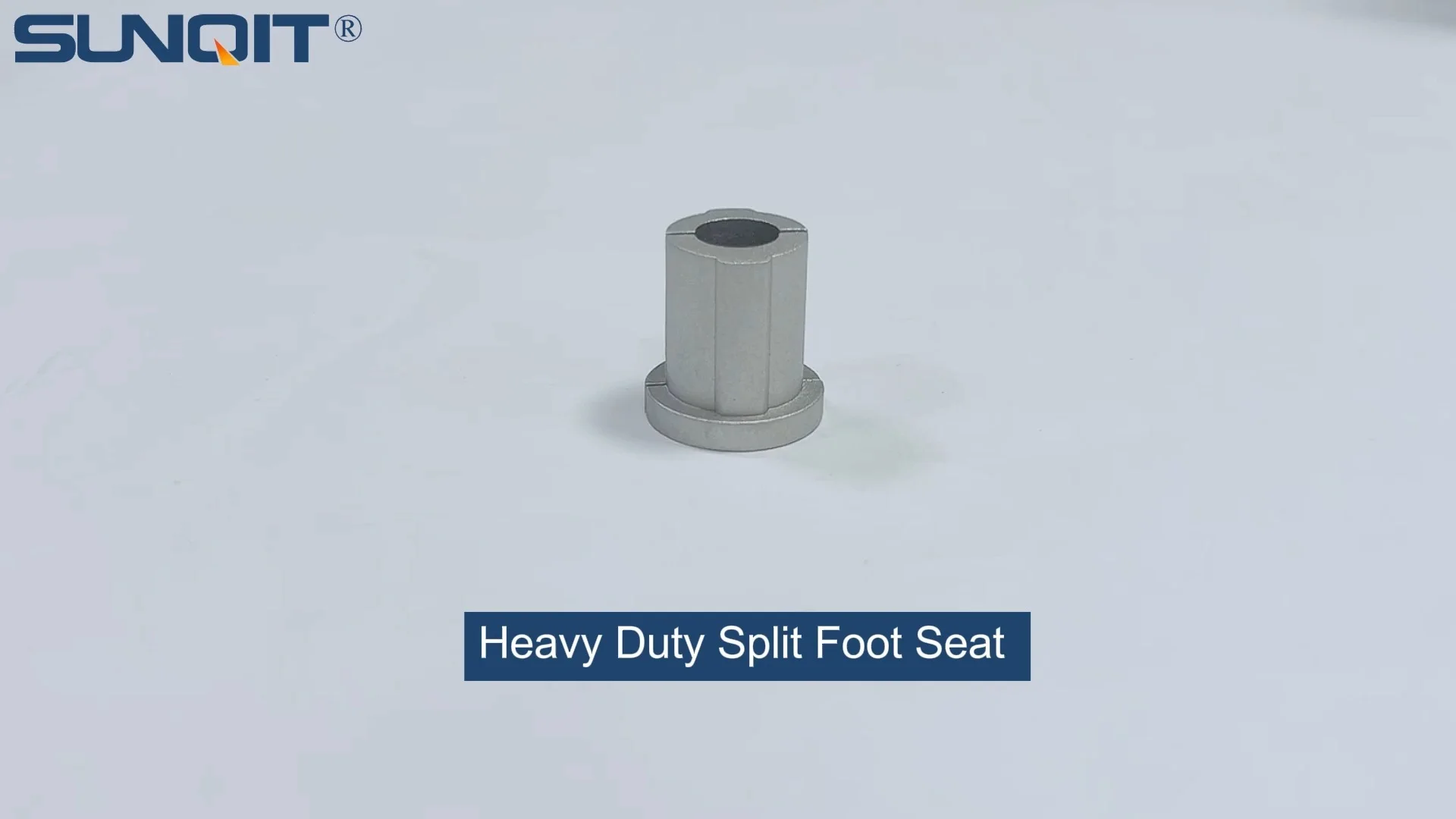
Heavy Duty Split Foot Seat
M10 aluminum heavy duty split foot deat with foot adjuster for workbench and flow rack.
Walk into any manufacturing facility, warehouse, or assembly plant, and you'll quickly realize that the backbone of daily operations often lies in the smallest details. A workbench, for instance, isn't just a flat surface to place tools—it's a hub where efficiency, safety, and productivity collide. But whats that workbench? The base. Whether it's a lean pipe workbench on an automotive line or a mobile station in a electronics factory, the choice between a Heavy Duty Split Foot Seat and an Adjustable Base can make or break workflow, worker comfort, and even long-term operational costs. In the world of lean manufacturing, where every component is designed to eliminate waste and boost value, getting this decision right isn't just important—it's essential. Let's dive into the nuances of these two bases, unpack their strengths, and figure out when to reach for one over the other.
What Is a Heavy Duty Split Foot Seat?
Imagine a workbench that never budges, even when subjected to the pounding of power tools, the weight of 500kg machinery, or the constant movement of workers leaning into tasks. That's the promise of a Heavy Duty Split Foot Seat. Designed for stability above all else, this base is a workhorse built to anchor workbenches in place, even in the most demanding environments.
Design & Construction
At first glance, the "split" in its name gives away its core design: instead of a single solid base, it features two separate, sturdy legs (or "feet") that split apart to distribute weight evenly. Typically crafted from high-grade steel or reinforced aluminum, these feet are thick, wide, and often ribbed for extra rigidity. The split design isn't just for show—it minimizes stress concentration, ensuring the base can handle heavy loads without warping or bending over time. Most models also come with pre-drilled holes, allowing them to be bolted directly to the floor for maximum stability. Some even include rubber or anti-slip pads on the bottom to prevent scratches on concrete and reduce vibration during use.
How It Works in Practice
Installation is straightforward but permanent. Once bolted down, the Heavy Duty Split Foot Seat becomes a fixed part of the workspace. Its lack of moving parts means there's little to adjust or maintain—no levers, no knobs, no caster wheels to lock or unlock. This simplicity is its superpower: it's reliable, consistent, and built to withstand the chaos of industrial settings. For example, in a facility where a lean pipe workbench is used to assemble heavy engine blocks, a split foot seat ensures the bench stays rooted, even when workers apply force with wrenches or drop tools onto the surface. The base's weight capacity, often ranging from 800kg to 1,500kg, means it can handle not just the workbench itself but also the tools, materials, and finished products stacked on it.
The Case for Stability
In environments where "movement" is a four-letter word, the Heavy Duty Split Foot Seat shines. Think of a production line where every step is standardized, and the workbench's position is mapped out in the workflow like a chess piece. Shifting even an inch could disrupt the entire process—delaying material delivery via roller track systems, misaligning tools, or forcing workers to adjust their posture (a recipe for fatigue and errors). Here, the split foot seat's immovability is a feature, not a bug. It creates a predictable, rock-solid foundation that workers can trust, reducing the risk of accidents and ensuring tasks are completed with precision.
What Is an Adjustable Base?
If the Heavy Duty Split Foot Seat is the "anchor," the Adjustable Base is the "chameleon" of workbench supports. Built for flexibility, it's designed to adapt to changing needs—whether that means raising or lowering the workbench height, leveling it on uneven floors, or even rolling it across the factory floor with ease. In lean systems where agility and quick reconfiguration are priorities, this base is a game-changer.
Design & Construction
Adjustable bases are often constructed from lightweight but durable materials like aluminum profile, which balances strength with maneuverability. Their defining feature is adjustability: most models come with threaded leveling feet that can be twisted to raise or lower individual corners, ensuring the workbench stays level even on cracked concrete or sloped floors. Many also integrate caster wheel attachments—small, swiveling wheels that lock in place when stability is needed. This dual functionality—fixed when locked, mobile when unlocked—makes them incredibly versatile.
The aluminum profile frame is another key detail. Unlike solid steel bases, aluminum profiles are modular, meaning they can be customized with additional components like roller track guides for material transport or brackets for tool storage. This modularity aligns perfectly with lean manufacturing principles, where waste is minimized by reusing and reconfiguring existing equipment instead of buying new.
How It Works in Practice
Using an Adjustable Base feels intuitive. Need to level the workbench? Twist the leveling feet until the surface is flat. Want to move it to a new station? Unlock the caster wheels, push, and relock once in place. For workers, this adaptability translates to better ergonomics: a taller employee can raise the bench to elbow height, while a shorter colleague can lower it—reducing strain and boosting comfort. In dynamic environments, like a small-batch production facility that switches between assembling circuit boards and packaging finished goods, this flexibility is invaluable. The same workbench can be repositioned to align with a new roller track layout in minutes, without calling in maintenance crews or disrupting the entire line.
Mobility Meets Stability
A common misconception is that Adjustable Bases sacrifice stability for mobility—but modern designs debunk this. High-quality models use heavy-duty caster wheels with locking mechanisms that grip the floor firmly when engaged, preventing even slight shifts during use. Some even combine caster wheels with leveling feet: lower the feet to lift the wheels off the ground for a "fixed" mode, or raise the feet to engage the wheels for movement. This hybrid approach means the base can toggle between "anchor" and "chameleon" as needed, making it ideal for environments that demand both flexibility and reliability.

Key Differences: A Side-by-Side Comparison
To truly understand when to choose one base over the other, let's break down their differences across critical factors like stability, mobility, and ideal use cases. The table below highlights how they stack up:
| Factor | Heavy Duty Split Foot Seat | Adjustable Base |
|---|---|---|
| Stability | Exceptional—fixed to the floor, no movement even under heavy loads or vibration. | Very good when caster wheels are locked; leveling feet ensure stability on uneven surfaces. |
| Mobility | None—permanently anchored in place. | High—casters allow easy movement; wheels lock for fixed use. |
| Weight Capacity | Very high (800kg–1,500kg+), ideal for heavy machinery or bulk materials. | Moderate to high (300kg–800kg), depending on materials (aluminum profile vs. steel). |
| Adjustability | None—height and position are fixed post-installation. | High—leveling feet for height/camber; some models offer height-adjustable frames. |
| Installation | Permanent—requires bolting to the floor; professional installation recommended. | Tool-free or minimal tools; casters and feet attach/detach quickly. |
| Cost | Higher upfront cost (materials + installation), but low long-term maintenance. | Lower upfront cost; may require occasional caster wheel or leveling foot replacements. |
| Ideal Environment | Fixed workflows, heavy loads, safety-critical tasks (e.g., automotive engine assembly). | Dynamic workflows, small-batch production, frequent layout changes (e.g., electronics manufacturing). |

When to Choose a Heavy Duty Split Foot Seat
The Heavy Duty Split Foot Seat isn't just a base—it's a commitment to stability. It excels in scenarios where movement is a liability, and consistency is non-negotiable. Here are the key situations where it's the clear choice:
1. Heavy-Duty Applications with Extreme Loads
If your workbench regularly supports loads above 800kg—think industrial-grade tools, metal sheets, or fully assembled machinery—a split foot seat is non-negotiable. For example, in a shipyard, a lean pipe workbench used to assemble propeller parts might hold 1,200kg of equipment. An Adjustable Base, even a sturdy one, would struggle with this weight over time, leading to bent frames or wobbly caster wheels. The split foot seat's steel construction and floor-bolted design distribute this weight evenly, preventing sagging or shifting.
2. Fixed Workflows with Zero Tolerance for Disruption
In facilities with rigid, long-term production lines—like a beverage bottling plant or a semiconductor factory—workbenches are placed with surgical precision. A shift of even 2cm could misalign a roller track, causing bottles to jam or circuit boards to scrape against edges. Here, the split foot seat's permanence ensures the workflow stays on track. Workers don't waste time realigning tools or readjusting their posture, and managers can trust that the line will run smoothly day in and day out.
3. High-Vibration or High-Impact Tasks
Tasks like welding, hammering, or using pneumatic drills generate intense vibration. Over time, this vibration can loosen Adjustable Base components—like caster wheel locks or leveling feet—leading to instability. A split foot seat, bolted directly to the floor, absorbs this vibration without budging. In an aerospace factory, for instance, workers might use a split foot seat-equipped bench to hammer rivets into aircraft wings; the base's rigidity ensures each strike is precise, reducing errors and rework.

When to Choose an Adjustable Base
The Adjustable Base thrives in environments where change is the only constant. If your facility prioritizes agility, ergonomics, or quick adaptation, this is the base for you. Here's when to opt for it:
1. Agile Manufacturing and Small-Batch Production
In lean systems focused on small-batch or custom production—like a furniture workshop or a prototype lab—workflows change weekly, if not daily. One week, you might assemble wooden chairs; the next, metal shelves. An Adjustable Base lets you reposition workbenches to align with new roller track layouts or team configurations. For example, a team building custom cabinets can roll their workbench closer to the lumber storage area, then move it to the painting station once assembly is done. The caster wheels make this reconfiguration fast and labor-free, eliminating downtime.
2. Uneven or Imperfect Floors
Not every facility has perfectly smooth floors. Old warehouses with cracked concrete, or factories built on sloped terrain, can turn a "flat" workbench into a lopsided hazard. Adjustable Bases solve this with leveling feet: twist each foot to compensate for dips or bumps, ensuring the work surface stays flat. In a food processing plant with uneven floors, for example, this prevents spills (and potential contamination) by keeping cutting boards and mixing bowls level.
3. Ergonomic Flexibility for Diverse Teams
Workers come in all heights, and a one-size-fits-all workbench height leads to strained backs, neck pain, and reduced productivity. Adjustable Bases let each employee customize their workspace: a 6'5" technician can raise the bench to avoid hunching, while a 5'2" colleague can lower it to prevent shoulder strain. Some advanced models even integrate electric height adjustment, allowing workers to switch between sitting and standing positions throughout the day—a small change that reduces fatigue and boosts focus.
4. Mobile Maintenance or Repair Stations
In facilities where equipment breaks down unexpectedly—like a manufacturing plant with dozens of machines—a mobile repair station is a lifesaver. Equipped with an Adjustable Base and caster wheels, this workbench can be rolled directly to the broken machine, carrying tools, spare parts, and a laptop for diagnostics. Once on-site, the caster wheels lock, turning the mobile station into a stable repair hub. This eliminates the need to carry heavy tools across the factory, saving time and reducing injury risk.
Real-World Examples: How the Right Base Transforms Workflows
To see these bases in action, let's look at two case studies from different industries—one leveraging the Heavy Duty Split Foot Seat, the other the Adjustable Base—and how each choice drove tangible improvements.
Case Study 1: Automotive Plant Relies on Split Foot Seats for Engine Assembly
A major automotive manufacturer in Michigan was struggling with quality control issues on its engine assembly line. Workers reported that their lean pipe workbenches—equipped with standard Adjustable Bases—would shift slightly when heavy engine blocks (weighing ~600kg) were placed on them. This shifting caused misalignments between bolts and threaded holes, leading to stripped threads and rework. After consulting with their lean system supplier, the plant switched to Heavy Duty Split Foot Seats bolted directly to the floor. Within three months, rework rates dropped by 42%, and worker satisfaction scores improved as employees no longer had to "fight" the workbench to align parts.
Case Study 2: Electronics Factory Uses Adjustable Bases to Cut Changeover Time
A California-based electronics firm producing smart home devices needed to reduce changeover time between product models. Previously, switching from smart thermostats to security cameras required disassembling and rebuilding workbenches—a process that took 4 hours. The factory invested in Adjustable Bases with aluminum profile frames and caster wheels. Now, instead of rebuilding, workers unlock the casters, roll workbenches to new positions, and lock them in place. They also added roller track guides to the bases, allowing materials to flow directly to each station. Changeover time dropped to 45 minutes, and the factory increased its production capacity by 28%.
Maintenance Tips for Longevity
Whichever base you choose, proper maintenance ensures it lasts. Here's how to care for each:
Heavy Duty Split Foot Seat Maintenance
- Inspect bolts quarterly: Over time, vibration can loosen floor bolts. Tighten them with a torque wrench to the manufacturer's specs.
- Clean debris: Wipe down the base with a damp cloth to remove oil, dust, or metal shavings that can corrode the steel.
- Check for rust: If the base is painted steel, touch up chips with rust-resistant paint to prevent corrosion.
Adjustable Base Maintenance
- Lubricate caster wheels monthly: Apply silicone spray to wheel axles to keep them rolling smoothly.
- Test leveling feet: Twist each foot periodically to ensure they still adjust easily; clean threads with a wire brush if they stick.
- Inspect aluminum profiles: Check for dents or bent brackets, especially after moving the bench. replace damaged parts to maintain structural integrity.
Conclusion: Align Your Base with Your Goals
Choosing between a Heavy Duty Split Foot Seat and an Adjustable Base isn't about picking "better"—it's about picking "right" for your workflow. If stability, heavy loads, and fixed layouts define your operations, the split foot seat is your anchor. If agility, ergonomics, and quick reconfiguration drive success, the Adjustable Base is your chameleon. And in some cases, you might even use both: a split foot seat for your main assembly line and Adjustable Bases for auxiliary workstations.
At the end of the day, both bases share a common goal: to support the people and processes that make your facility run. By understanding their strengths and aligning them with your needs, you'll create a workspace that's not just efficient—but built to adapt, grow, and thrive in the ever-changing world of manufacturing.