- Company Articles
- Products and Technology
- Product knowledge
- Heavy Duty Split Foot Seat vs. Adjustable Height Base: Functionality Comparison

Heavy Duty Split Foot Seat vs. Adjustable Height Base: Functionality Comparison
Related Product
Heavy Duty Split Foot Seat
M10 aluminum heavy duty split foot deat with foot adjuster for workbench and flow rack.
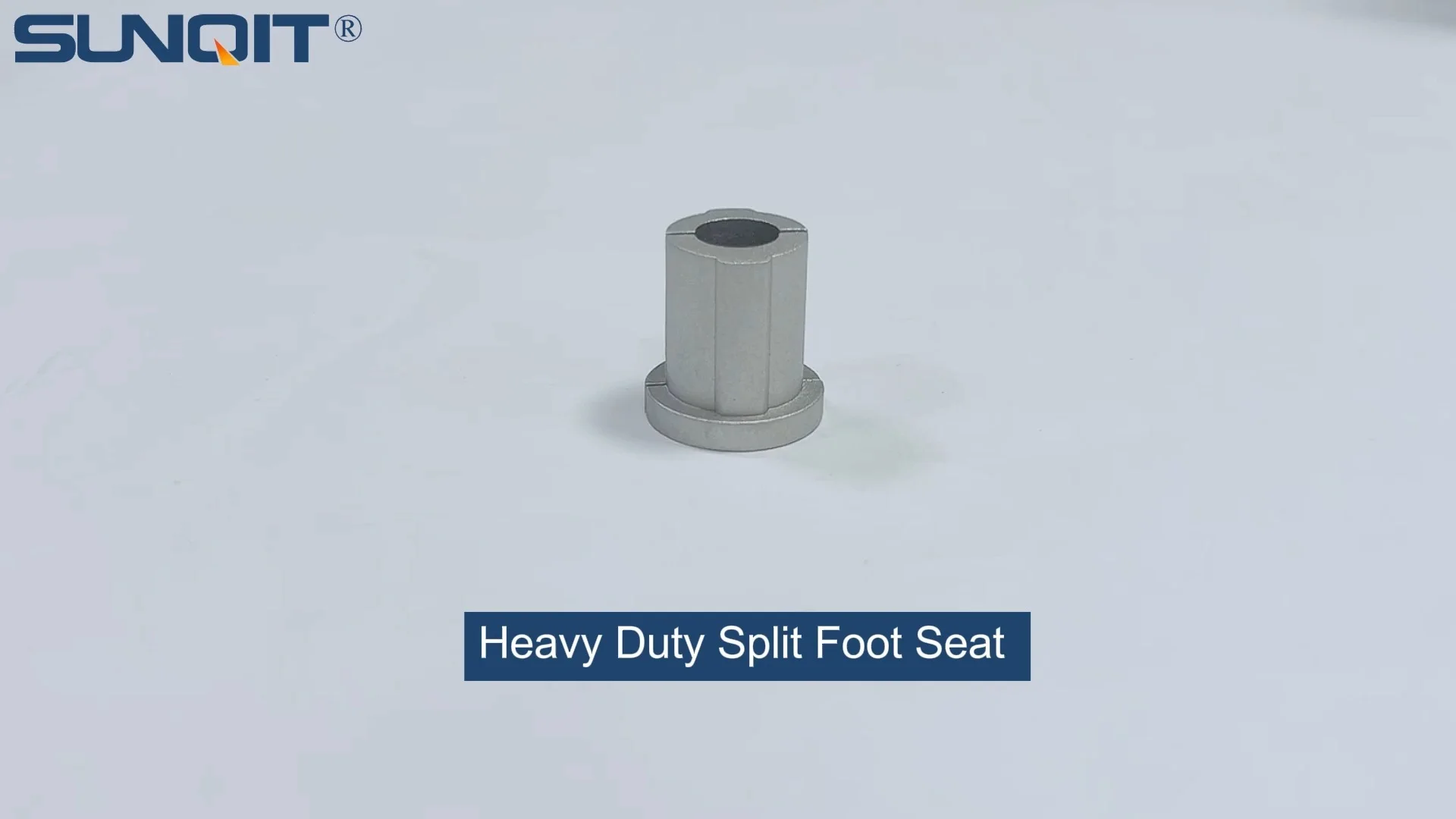
Introduction: The Backbone of Industrial Workspaces
In the world of manufacturing, warehousing, and industrial production, the smallest components often play the biggest roles in ensuring efficiency, safety, and productivity. When it comes to setting up a workspace—whether it's a assembly line workbench, a material storage rack, or a packaging station—the foundation matters. Two components that frequently come into play are the Heavy Duty Split Foot Seat and the Adjustable Height Base . While they may seem like parts of a larger system, their design, functionality, and application can drastically impact how well a workspace operates.
At the heart of modern industrial design lies the principle of lean system optimization—eliminating waste, streamlining processes, and creating environments that adapt to human needs rather than forcing humans to adapt to rigid setups. Both the Heavy Duty Split Foot Seat and Adjustable Height Base align with this philosophy, but they serve distinct purposes. The former prioritizes stability and load-bearing capacity, while the latter focuses on flexibility and ergonomics. In this article, we'll dive deep into what each component is, how they work, and when to choose one over the other—all through the lens of real-world applications and practical functionality.
What is a Heavy Duty Split Foot Seat?
Let's start with the basics: the Heavy Duty Split Foot Seat. Picture a workbench in a automotive factory, tasked with holding engine blocks, tools, and diagnostic equipment day in and day out. The legs of that workbench need to anchor it firmly to the ground, even when vibrations from nearby machinery or the weight of heavy parts threaten to destabilize it. That's where the Heavy Duty Split Foot Seat comes in.
A Heavy Duty Split Foot Seat is a specialized base component designed to distribute weight evenly and provide maximum stability for heavy or static loads. As the name suggests, it features a "split" design—typically two separate, wide plates or pads that attach to the bottom of a workbench leg, machine stand, or rack. This split structure serves a critical purpose: by spreading the load across a larger surface area, it reduces the pressure exerted on the floor, preventing cracks, indentations, or slipping, especially on uneven or industrial-grade concrete floors.
Most Heavy Duty Split Foot Seats are constructed from robust materials like aluminum profile or reinforced steel, chosen for their strength-to-weight ratio and resistance to corrosion. Aluminum, in particular, is a popular choice because it's lightweight enough for easy installation but durable enough to handle thousands of kilograms of weight. The split plates are often equipped with pre-drilled holes for secure mounting to the leg (via bolts or welding) and may include rubber or non-slip pads on the bottom to further enhance grip and dampen vibrations.
Key features of a Heavy Duty Split Foot Seat include:
- High Load Capacity: Designed to support static loads ranging from 500kg to over 2000kg per unit, depending on size and material thickness.
- Stability Focus: The split design minimizes wobble, even when the load is off-center (a common scenario in busy workbenches).
- Durability: Resistant to wear, impact, and environmental factors like oil, grease, or moisture—critical in industrial settings.
- Compatibility: Works with various leg types, including square or round steel tubes, aluminum profiles, and even wooden workbench legs (with proper reinforcement).
In short, think of the Heavy Duty Split Foot Seat as the "anchor" of a workspace. It's not about movement or adjustment; it's about creating a rock-solid foundation that you can rely on, day in and day out, no matter how heavy the task.

What is an Adjustable Height Base?
Now, let's shift gears to the Adjustable Height Base. Imagine a different scenario: a pharmaceutical lab where technicians of varying heights need to use the same workbench for precise measurements and sample preparation. Or an electronics assembly line where some workers stand and others sit, depending on the task. In these cases, a static, unchanging workbench height can lead to discomfort, fatigue, and even repetitive strain injuries. Enter the Adjustable Height Base—a component designed to put control back in the hands of the user.
An Adjustable Height Base is a mechanical or hydraulic system that allows the height of a workbench, table, or rack to be modified to suit the user's needs or the task at hand. Unlike the Heavy Duty Split Foot Seat, which is fixed, this base is all about flexibility. It typically consists of a set of telescoping legs, a crank or motorized mechanism, and locking pins or hydraulic valves to secure the height once adjusted. Some models even include adjustable leveling feet at the bottom to fine-tune stability on uneven floors—a small but crucial detail that combines adjustability with stability.
Materials here also vary, but aluminum profile is again a top contender due to its lightweight nature (making height adjustments easier) and corrosion resistance. Steel may be used for internal components like gears or hydraulic pistons, where extra strength is needed. The height adjustment range can vary widely: entry-level models might offer 10-15cm of adjustment, while industrial-grade bases can extend from 70cm (seated height) to 120cm (standing height) or more.
Key features of an Adjustable Height Base include:
- Ergonomic Flexibility: Allows users to switch between sitting and standing positions, reducing the risk of back pain, neck strain, and other work-related injuries.
- Precision Adjustment: Many models offer smooth, incremental height changes (often down to 1cm increments) for precise alignment with tools or materials.
- Locking Mechanisms: Secure the height in place to prevent accidental lowering or raising during use—critical for safety when handling delicate or heavy items.
- Motorized or Manual Options: Manual bases use a hand crank for cost-effectiveness, while motorized versions (with push-button controls) are ideal for frequent adjustments or heavy workbenches.
The Adjustable Height Base is, in essence, the "adaptor" of the workspace. It recognizes that no two workers are the same, and no two tasks require the same setup. By putting height control in the hands of the user, it transforms a static workbench into a dynamic tool that can evolve with the needs of the team.

Functionality Comparison: Side-by-Side Analysis
To truly understand the differences between these two components, let's break down their functionality across key metrics. The table below compares the Heavy Duty Split Foot Seat and Adjustable Height Base in terms of purpose, load capacity, adjustability, and more—so you can see exactly which one fits your workspace needs.
| Feature | Heavy Duty Split Foot Seat | Adjustable Height Base |
|---|---|---|
| Primary Purpose | Provide maximum stability for heavy, static loads | Enable height adjustment for ergonomic flexibility |
| Load Capacity | High (500kg–2000kg+ per unit); optimized for static loads | Moderate to high (300kg–1000kg+); depends on adjustment mechanism (hydraulic > manual) |
| Adjustability | None (fixed height once installed) | High (10cm–50cm+ adjustment range; incremental or continuous) |
| Stability | Excellent (split design distributes weight; non-slip pads reduce movement) | Good to excellent (depends on locking mechanism; motorized bases often have better stability than manual crank models) |
| Material Compatibility | Works with steel, aluminum, wood, or composite legs | Best with lightweight, rigid legs (aluminum profiles or steel tubes); heavier legs may strain adjustment mechanisms |
| Installation Complexity | Simple (bolt-on or weld-on; no moving parts) | Moderate (requires assembly of telescoping legs, adjustment mechanism, and locking system) |
| Maintenance Needs | Low (occasional cleaning; check bolts for tightness) | Moderate (lubricate adjustment gears/pistons; check locking pins for wear; motorized models may need electrical checks) |
| Cost | Lower (simple design; minimal materials) | Higher (mechanical/hydraulic components; precision engineering) |
| Ideal Use Cases | Heavy manufacturing (e.g., automotive engine workbenches), material storage racks, static assembly lines with consistent loads | Ergonomic workspaces (e.g., labs, offices), multi-user workbenches, dynamic assembly lines with varying tasks or worker heights |
As the table shows, these components are not competitors—they're complementary. The Heavy Duty Split Foot Seat excels in scenarios where "set it and forget it" stability is key, while the Adjustable Height Base shines when flexibility and user comfort take priority. But how do these differences play out in real-world settings? Let's explore two case studies to see them in action.

Real-World Applications: Case Studies
Case Study 1: Automotive Manufacturing Plant (Heavy Duty Split Foot Seat)
A leading automotive manufacturer in Michigan was facing a problem: their engine assembly workbenches were wobbling under the weight of V8 engine blocks (weighing ~250kg each), leading to imprecise bolt torquing and occasional tool damage. The existing rubber feet on the workbench legs were compressing unevenly, causing the benches to tilt slightly—enough to throw off measurements but not enough to be immediately noticeable.
After consulting with a lean system specialist, the plant replaced the rubber feet with Heavy Duty Split Foot Seats made from 6mm-thick aluminum profile. The split design distributed the engine block's weight across a 20cm x 15cm area per foot (up from 5cm x 5cm with the old rubber feet), reducing floor pressure by 75%. The non-slip rubber pads on the bottom of the split seats also eliminated sliding, even when mechanics pushed or pulled on the engine blocks during assembly.
The result? A 40% reduction in tool damage, a 15% improvement in bolt torquing accuracy, and zero reported workbench instability issues over the next year. As one plant manager noted: "We didn't realize how much time we were wasting adjusting for wobble until the split seats fixed it. Now, the workbench feels like it's bolted to the foundation—and that peace of mind lets our team focus on building better engines."
Case Study 2: Electronics Assembly Line (Adjustable Height Base)
A electronics manufacturer in California employed a team of 30 assembly workers, ranging in height from 5'2" to 6'4", all sharing the same workbenches for circuit board assembly. Complaints about neck and back pain were common, and turnover among shorter workers was 20% higher than the industry average. The HR team identified "uncomfortable workbench height" as the top cited reason for dissatisfaction.
The solution? Retrofitting 10 workbenches with Adjustable Height Bases equipped with motorized controls and adjustable leveling feet (to fine-tune stability after height changes). The bases allowed height adjustments from 70cm (seated) to 110cm (standing), with memory settings for individual workers (each employee could save their preferred height with a push of a button).
Within three months, worker complaints dropped by 85%. Productivity increased by 12% as employees reported less fatigue, and turnover among shorter workers fell to 8%—matching the company average. "I used to have to hunch over the bench for hours," said one technician. "Now, I hit my button, the bench rises to my waist, and I can work comfortably all day. It's like night and day."
These case studies highlight a crucial point: the choice between a Heavy Duty Split Foot Seat and an Adjustable Height Base depends entirely on the workspace's unique needs. In heavy, static environments, stability wins. In dynamic, people-centric settings, flexibility takes the lead.
Choosing the Right Component for Your Workspace
So, how do you decide which component is right for your needs? Here are key factors to consider:
1. Load Requirements
Start with the numbers: What's the maximum weight your workbench or rack will need to support? If it's over 500kg and rarely changes (e.g., a metalworking bench for casting molds), the Heavy Duty Split Foot Seat is the safer bet. If loads are lighter (under 300kg) or vary day-to-day, an Adjustable Height Base can handle it—just ensure you choose a model with a load capacity 20% higher than your maximum expected load (a buffer for safety).
2. Worker Ergonomics
Do multiple people use the same workspace? Are workers of different heights or mobility needs (e.g., some seated, some standing)? If yes, the Adjustable Height Base is non-negotiable. Ergonomic injuries cost companies billions annually in lost productivity and workers' compensation—investing in height adjustment is an investment in your team's health.
3. Workspace Flexibility
Is your workspace static (e.g., a dedicated assembly line that hasn't changed in years) or dynamic (e.g., a startup lab that reconfigures monthly for new projects)? Static spaces thrive with Heavy Duty Split Foot Seats—they're low-maintenance and reliable. Dynamic spaces may benefit from Adjustable Height Bases, which can adapt as tasks or teams change.
4. Budget
Heavy Duty Split Foot Seats are generally more affordable upfront (ranging from $20–$50 per unit, depending on size). Adjustable Height Bases cost more—manual crank models start at ~$150 per unit, while motorized versions can exceed $500. However, factor in long-term costs: Adjustable Height Bases may reduce turnover and injury claims, offsetting the higher initial price.
5. Floor Conditions
Uneven floors? The Adjustable Height Base's adjustable leveling feet can compensate for minor dips or slopes, ensuring stability even on imperfect surfaces. Smooth, level concrete? Heavy Duty Split Foot Seats will work perfectly here, as there's no need for height fine-tuning.
Conclusion: Building Workspaces That Work for You
In the end, the Heavy Duty Split Foot Seat and Adjustable Height Base are two sides of the same coin: both aim to make industrial workspaces safer, more efficient, and more productive—but through different means. The Heavy Duty Split Foot Seat is the silent workhorse, providing unwavering stability for the heaviest tasks. The Adjustable Height Base is the adaptable innovator, putting control in the hands of workers to create ergonomic, personalized setups.
When choosing between them, remember: it's not about which is "better," but which is better for your needs. A lean system isn't just about eliminating waste—it's about choosing the right tools for the job. Whether you need an anchor or an adaptor, the goal is the same: to build a workspace that empowers your team to do their best work, every single day.
So, take a look at your workbench, your team, and your tasks. Ask: Do we need stability, or flexibility? The answer will guide you to the component that will transform your workspace from "good enough" to "great."