- Company Articles
- Products and Technology
- Product knowledge
- Heavy Duty Split Foot Seat vs. Cast Iron Base: Weight & Durability

Heavy Duty Split Foot Seat vs. Cast Iron Base: Weight & Durability
Related Product
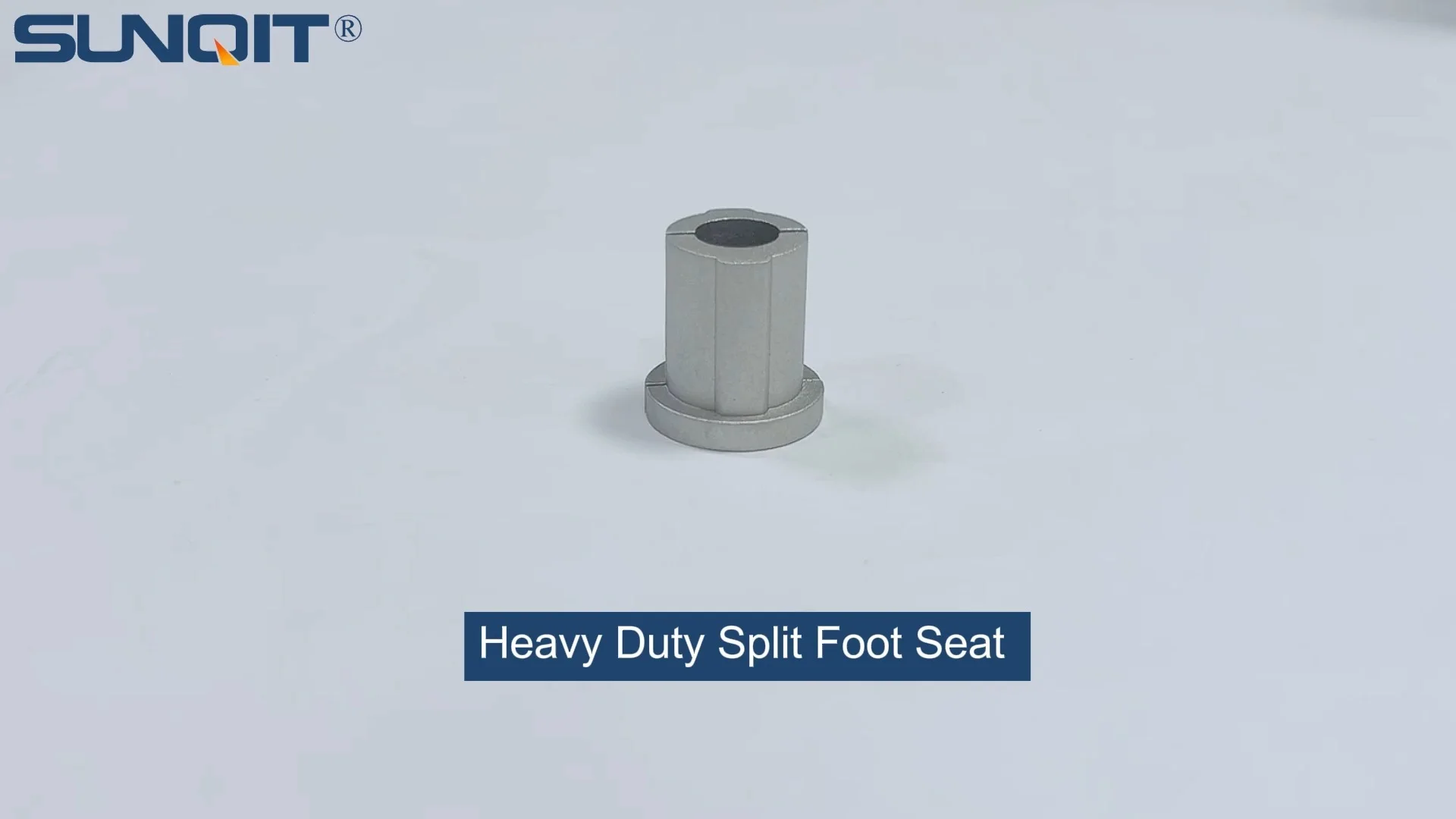
Heavy Duty Split Foot Seat
M10 aluminum heavy duty split foot deat with foot adjuster for workbench and flow rack.
In the world of manufacturing, warehousing, and industrial workspaces, every component of your setup plays a silent but critical role in daily operations. From the workbenches where assembly lines hum to life to the material racks that keep inventory organized, the foundation of these structures often determines their efficiency, longevity, and even safety. Two components that frequently stand at the center of this foundation debate are the Heavy Duty Split Foot Seat and the Cast Iron Base . While both serve the fundamental purpose of stabilizing equipment, their differences in weight, durability, and practicality can drastically impact your workflow, maintenance costs, and long-term productivity. In this article, we'll dive deep into these two options, exploring how their design, materials, and performance stack up—with a special focus on the keywords that matter most: adjustable leveling feet , lean pipe workbench , and caster and accessories .
Understanding the Contenders: What Are Heavy Duty Split Foot Seats and Cast Iron Bases?
Heavy Duty Split Foot Seat: The Modern Workhorse
Let's start with the newer kid on the block: the Heavy Duty Split Foot Seat. Designed with flexibility and adaptability in mind, this component is typically crafted from high-grade materials like aluminum alloy or coated steel. Its defining feature? A "split" design that allows for easy installation, adjustment, and integration with other parts of your setup—think lean pipe workbench frames, aluminum profiles, or even caster wheels. Unlike solid bases, the split structure often includes slots or holes that accommodate adjustable leveling feet , making it a breeze to stabilize equipment on uneven floors. This adjustability isn't just about convenience; it's about reducing stress on the entire structure, which in turn boosts durability.
Manufacturers love split foot seats for their modularity. Whether you're building a lightweight assembly station or a heavy-duty material rack, these seats can be paired with a range of caster and accessories to add mobility when needed, or bolted down for stationary use. Their lightweight nature (compared to cast iron) also makes them a favorite in facilities where frequent reconfiguration is part of the norm—say, a factory floor that switches between production lines seasonally.
Cast Iron Base: The Traditional Titan
Now, the Cast Iron Base: a staple in industrial settings for decades, if not centuries. As the name suggests, this base is made by pouring molten iron into a mold, resulting in a solid, dense block that's revered for its heft and stability. There's a reason cast iron has stood the test of time: its weight alone makes it incredibly resistant to movement, even under heavy loads. In environments where vibration, torque, or sheer force is a constant (like metalworking shops or heavy machinery operations), a cast iron base acts as an anchor, preventing equipment from shifting or wobbling during use.
But don't mistake its old-school reputation for obsolescence. Modern cast iron bases often come with refinements like anti-corrosive coatings or pre-drilled holes for mounting, though they still retain that classic solidity. If you've ever used a vintage workbench that feels "unshakable," chances are it's sitting on a cast iron base. These bases are built to last—so much so that it's not uncommon to find cast iron bases from the mid-20th century still in use today, a testament to their raw durability.
Weight Matters: How Heaviness Impacts Your Workspace
Weight is more than just a number on a spec sheet; it influences everything from installation ease to floor load limits, and even how often you can reconfigure your workspace. Let's break down how Heavy Duty Split Foot Seats and Cast Iron Bases compare in this critical category.
Heavy Duty Split Foot Seat: Lightweight, but Not Light on Strength
One of the biggest draws of the Heavy Duty Split Foot Seat is its relative lightness. Depending on size and material, a typical split foot seat weighs between 3 to 8 pounds (1.4 to 3.6 kg). Compare that to a cast iron base of similar dimensions, which can tip the scales at 20 to 50 pounds (9 to 22.7 kg) or more. This weight difference is a game-changer during installation: a single worker can easily carry and mount a split foot seat, whereas cast iron often requires two people or a forklift. For small businesses or facilities without heavy lifting equipment, this translates to lower labor costs and faster setup times.
But what about when you need to move things around? If your workspace relies on lean pipe workbench setups that are reconfigured weekly (or even daily), a lightweight base is non-negotiable. Pair a split foot seat with caster and accessories like swivel wheels, and you've got a mobile workstation that can be rolled from one corner of the factory to another without breaking a sweat. This mobility is a cornerstone of lean manufacturing principles, where minimizing waste (including time spent moving equipment) is key.
There's also the matter of floor load. Older facilities or upper-floor workspaces often have strict weight limits to avoid structural damage. A cast iron base, with its 50-pound heft multiplied by 10 workbenches, could quickly exceed those limits. Split foot seats, by contrast, keep the total load manageable, making them ideal for settings where every pound counts.
Cast Iron Base: Heavy, but for a Reason
Cast iron's weight is both its greatest strength and its most obvious drawback. Let's start with the positives: that mass provides unmatched stability. When you're operating a drill press that vibrates violently or a lathe that exerts lateral force, a heavy base absorbs that energy, preventing the equipment from "walking" across the floor. This stability isn't just about safety; it also improves precision. In machining, for example, even a fraction of an inch of movement can ruin a part. A cast iron base ensures that your tools stay locked in place, resulting in cleaner cuts, tighter tolerances, and fewer.
The downside? That same weight makes installation a logistical challenge. Imagine trying to maneuver a 40-pound cast iron base up a flight of stairs or into a cramped corner of your workshop—it's not fun, and it increases the risk of injury. What's more, once installed, cast iron bases are practically permanent. If you decide six months later that your workbench needs to move three feet to the left, you're looking at a major project involving pry bars, dollies, and possibly a team of coworkers. For facilities with fixed layouts (like a dedicated welding station or a quality control lab), this permanence is a non-issue. But for dynamic environments, it can feel like a straightjacket.
A Quick Weight Comparison Table
| Feature | Heavy Duty Split Foot Seat (Aluminum/Coated Steel) | Cast Iron Base |
|---|---|---|
| Typical Weight (per unit) | 3–8 lbs (1.4–3.6 kg) | 20–50 lbs (9–22.7 kg) |
| Installation Difficulty | Easy (1 person) | Challenging (2+ people or equipment) |
| Mobility with Casters | Excellent (lightweight pairs well with caster and accessories ) | Poor (weight makes movement impractical) |
| Floor Load Impact | Low (suitable for upper floors, old buildings) | High (requires sturdy, ground-floor foundations) |
| Stability Under Vibration | Good (with adjustable leveling feet for balance) | Excellent (mass dampens vibration) |

Durability Decoded: Which One Lasts Longer?
Durability isn't just about how long a product exists —it's about how well it performs over time, even in harsh conditions. Let's evaluate both options through the lens of material science, corrosion resistance, and wear and tear.
Heavy Duty Split Foot Seat: Built to Adapt and Endure
Modern split foot seats are engineered with durability in mind, often using materials like 6061 aluminum alloy or powder-coated steel. Aluminum, in particular, offers a winning combination of strength and corrosion resistance. Unlike steel, it doesn't rust when exposed to moisture, making it ideal for humid environments (think food processing plants or outdoor workshops). Powder-coated steel, meanwhile, adds a protective layer that shields the metal from scratches, chemicals, and UV rays—so even if you scratch the surface, the underlying steel is less likely to corrode.
But what really sets split foot seats apart is their design for adjustable leveling feet . Uneven floors are a fact of life in most industrial spaces, and a base that can't adapt will eventually fail. Split foot seats often come with threaded holes or slots that let you screw in leveling feet, which can be raised or lowered to compensate for dips or bumps in the floor. This adjustability isn't just about stability; it also reduces stress on the base itself. When a structure is tilted, certain parts bear more weight than others, leading to premature wear. By keeping the base level, you ensure that the load is distributed evenly, extending the seat's lifespan.
Another durability bonus: modularity. If a split foot seat does get damaged (say, a corner bends in a collision), you don't have to replace the entire base. Many manufacturers sell replacement parts—like new plates or brackets—so you can swap out the broken piece and get back to work. This "repairability" is a stark contrast to cast iron bases, which are often one solid piece; if they crack, you're looking at a full replacement.
Cast Iron Base: The "Set It and Forget It" Champion
Cast iron is the definition of "tough." Its density makes it highly resistant to dents, scratches, and deformation—you'd need a sledgehammer to make a meaningful mark on a cast iron base. This resistance to physical damage is why cast iron is still used in applications like engine blocks and industrial anvils. When properly maintained, a cast iron base can last for generations. I've visited machine shops where the cast iron bases under their lathes are older than the current owners, and they still perform flawlessly.
That said, cast iron has one Achilles' heel: rust. Iron and oxygen don't mix well, and without protection, a cast iron base will start to corrode over time, especially in damp environments. Modern cast iron bases often come with a protective coating—like enamel, epoxy, or zinc plating—to slow this process, but these coatings can chip or wear off with heavy use. Once the coating is compromised, rust takes hold, and if left unchecked, it can weaken the metal. To combat this, owners of cast iron bases need to stay vigilant: cleaning off moisture, touching up chips with paint, and occasionally applying a rust-inhibiting oil. It's not a lot of work, but it's a ongoing commitment—unlike aluminum split foot seats, which require almost no maintenance in this regard.
Another thing to consider: brittleness. While cast iron is strong under compression, it's prone to cracking under sudden impact or if dropped during installation. A hairline crack might not seem like a big deal at first, but over time, vibrations from the equipment can cause it to spread, eventually rendering the base unsafe. And because cast iron is so dense, repairing a crack is nearly impossible—you'd have to weld it, which requires specialized skills and could warp the base, ruining its flatness.

Practical Applications: Which Base Belongs in Your Workspace?
At this point, you might be thinking, "Both sound great—how do I choose?" The answer depends almost entirely on your specific needs. Let's break down common scenarios where one base clearly outperforms the other.
Choose Heavy Duty Split Foot Seats If…
- You need mobility or reconfigurability: If your lean pipe workbench needs to move with your production line, or if you frequently rearrange your workspace, split foot seats paired with caster and accessories are the way to go. Their light weight makes rolling them around easy, and their modular design lets you add or remove components as needed.
- You work in a humid or corrosive environment: Aluminum split foot seats resist rust and corrosion, making them perfect for food processing, marine, or chemical handling facilities. Even powder-coated steel split seats hold up better than uncoated cast iron in damp conditions.
- Floor load is a concern: If you're on an upper floor, in a rented space with weight restrictions, or using temporary flooring (like concrete slabs over wood), split foot seats keep the load light and manageable.
- Installation and maintenance need to be simple: With split foot seats, one person can handle setup, and repairs are as easy as swapping out a part. No need for specialized tools or maintenance routines—just install and go.
Choose Cast Iron Bases If…
- You need maximum stability for precision work: Machinists, toolmakers, and jewelers swear by cast iron bases for their ability to dampen vibration. If your work requires sub-millimeter accuracy, the mass of cast iron will keep your tools steady.
- Your equipment is heavy and stationary: A 500-pound milling machine or a industrial-grade press needs a base that can anchor it. Cast iron's weight ensures that even under heavy loads, the equipment won't shift or rock.
- You want a "permanent" setup: If your workspace layout never changes (or changes very rarely), cast iron's permanence is a strength. Once installed, it will stay put for decades, requiring minimal intervention.
- You prioritize long-term durability over upfront cost: Cast iron bases are often more expensive initially, but their lifespan can be 50+ years with proper care. If you're in it for the long haul, the investment pays off.

The Verdict: It's About Balance, Not Superiority
At the end of the day, there's no "better" base—only the right base for your needs. The Heavy Duty Split Foot Seat excels in flexibility, mobility, and corrosion resistance, making it a star in dynamic, modern workspaces where adaptability is key. It pairs beautifully with lean pipe workbench systems, adjustable leveling feet , and caster and accessories , giving you the freedom to build a workspace that grows with your business.
The Cast Iron Base, on the other hand, is the silent sentinel of precision and permanence. It's not flashy, but it's unyielding in its ability to stabilize heavy, high-vibration equipment. For shops where "set it and forget it" is the mantra, and where durability is measured in generations, cast iron remains unmatched.
So, before you buy, ask yourself: What matters more to me—mobility or stability? Adaptability or permanence? Corrosion resistance or raw mass? By answering these questions, you'll find the base that doesn't just support your equipment, but supports your success.