- Company Articles
- Products and Technology
- Product knowledge
- Heavy Duty Split Foot Seat vs. Plastic Base: Chemical Resistance

Heavy Duty Split Foot Seat vs. Plastic Base: Chemical Resistance
Related Product
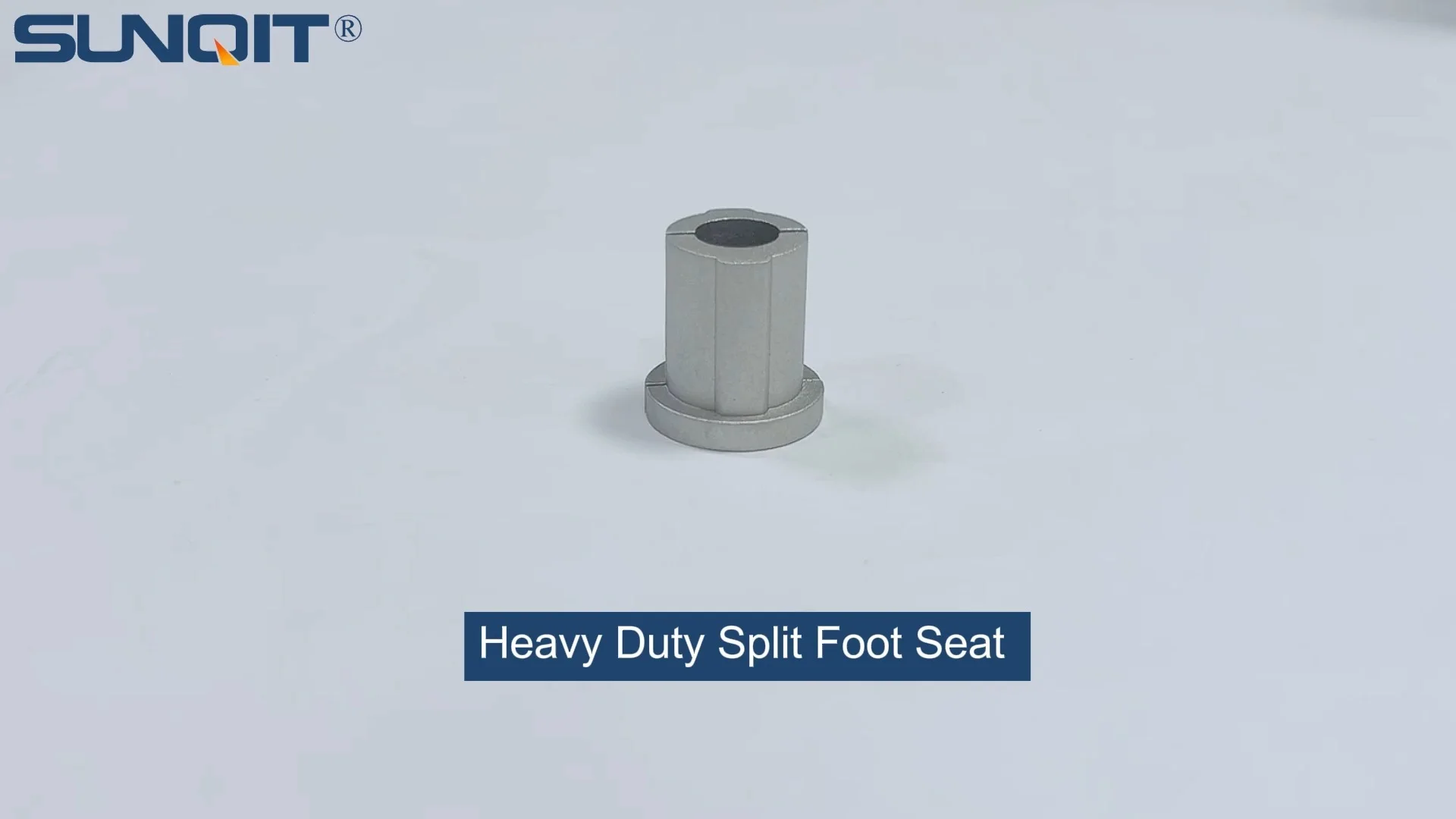
Heavy Duty Split Foot Seat
M10 aluminum heavy duty split foot deat with foot adjuster for workbench and flow rack.
Walk into any busy factory, lab, or workshop, and you'll notice something crucial but often overlooked: the quiet workhorses holding everything together. I'm talking about the components that keep workbenches steady, assembly lines aligned, and equipment grounded—things like foot seats and bases. They might not grab headlines, but when chemicals spill, oils drip, or cleaning agents splash, their ability to stand up to corrosion can make or break a workspace's efficiency and safety. Today, we're diving deep into two common options: the heavy duty split foot seat and the plastic base. We'll explore how they hold up against chemicals, where they shine, and which one might be the right fit for your needs. Along the way, we'll touch on related parts like adjustable leveling feet and even plastic pipe end caps, because in the world of industrial setups, every piece plays a role.
First Things First: What Are We Actually Comparing?
Before we jump into chemical resistance, let's make sure we're on the same page about what these components are. Think of them as the "feet" of your industrial furniture—workbenches, material racks, conveyor systems. Their job? To distribute weight, keep things level, and protect the underlying structure from damage. But not all feet are created equal.
Heavy Duty Split Foot Seats: The Sturdy Workhorses
A heavy duty split foot seat is exactly what it sounds like: a robust, often metal component designed to anchor heavy equipment to the floor or a base frame. The "split" design refers to its two-part structure, which clamps around a pipe or leg, creating a secure connection. These are typically made from materials like steel or cast iron, sometimes coated with zinc or powder for extra protection. You'll find them in settings where load capacity matters—think automotive assembly lines, heavy machinery workshops, or warehouses stacking pallets. They're the kind of part that feels like it could outlast the building itself if cared for properly.
Plastic Bases: Lightweight and Versatile
Plastic bases, on the other hand, are usually made from polymers like polypropylene (PP), polyethylene (PE), or PVC. They're lighter, often cheaper, and come in a variety of shapes—some are simple caps that slide over the end of a leg (like a plastic pipe end cap), while others are more complex bases with built-in leveling features. You'll spot them in labs, cleanrooms, or settings where weight is a concern, or where metal might scratch delicate floors. They're not trying to compete with split foot seats on raw strength; instead, they offer flexibility and corrosion resistance in less demanding environments.
Why Chemical Resistance Matters (Spoiler: It's Not Just About Cleanliness)
Imagine you're running a pharmaceutical lab. Every day, your team uses isopropyl alcohol to sanitize work surfaces. Or maybe you're in an auto shop, where motor oil and degreasers are part of the daily grind. Even a small spill can seep into the feet of your workbench, and over time, that chemical exposure adds up. Corroded foot seats or bases don't just look bad—they can loosen, warp, or fail entirely. A wobbly workbench isn't just annoying; it's a safety hazard. Tools slide off, precision work suffers, and in the worst case, the whole setup could collapse. That's why chemical resistance isn't a "nice-to-have" here—it's a critical factor in maintaining productivity and keeping people safe.
But chemicals come in all shapes and sizes. There are weak acids, strong solvents, caustic cleaning agents, oily substances, and even water (yes, humidity and standing water can cause rust too). A material that stands up to motor oil might crumble when exposed to battery acid, and a plastic that resists alcohol could melt in the presence of certain solvents. So, the first step in choosing between a split foot seat and a plastic base is understanding what chemicals your workspace actually deals with.

Heavy Duty Split Foot Seats: Built to Take a Beating (Chemically Speaking)
Let's start with the heavy hitter: the heavy duty split foot seat. Since these are designed for "heavy duty" use, their materials are chosen with durability in mind. Most are made from steel, but not just any steel—often mild steel coated with zinc (galvanized) or a powder coating, or even stainless steel from the stainless steel pipe series for extra protection. Let's break down how these materials handle common chemicals.
Steel with Zinc Coating: The Budget-Friendly Protector
Zinc-coated steel is a popular choice for split foot seats because it's affordable and offers decent corrosion resistance. The zinc acts as a sacrificial layer—meaning it corrodes before the steel does. This works well against water, mild acids, and some oils. For example, in a warehouse where the main concern is occasional rain exposure or cleaning with a mild detergent, zinc-coated split foot seats will hold up just fine. But here's the catch: if the zinc coating gets scratched (and let's be real, in a busy workshop, that's bound to happen), the steel underneath is exposed. Once that happens, rust can start, especially if there's salt or strong acids around. So, while zinc is good for general use, it's not invincible.
Powder-Coated Steel: A Tougher Finish
Powder coating takes things up a notch. Instead of a thin zinc layer, the steel is covered in a dry powder that's baked on, forming a thick, durable film. This finish is more scratch-resistant than zinc and holds up better against oils, greases, and even some solvents. I've seen powder-coated split foot seats in automotive shops where they're constantly exposed to motor oil and degreasers, and they still look good after years. The downside? If the coating does chip (say, from a dropped tool), moisture can get trapped underneath, leading to rust. But with regular inspections, this is manageable.
Stainless Steel: The Gold Standard for Chemical Resistance
When chemicals get serious, stainless steel from the stainless steel pipe series is the way to go. Stainless steel contains chromium, which forms a passive oxide layer on the surface—this layer self-heals if scratched, preventing rust. It's resistant to a wide range of chemicals: weak acids, alkalis, oils, and even some stronger solvents. In food processing plants, where caustic cleaning agents are used daily, or in labs with frequent exposure to acids, stainless steel split foot seats are a no-brainer. The tradeoff? Cost. Stainless steel is pricier than coated steel, but if your workspace deals with harsh chemicals, the investment pays off in fewer replacements and less downtime.

Plastic Bases: Lightweight, But How Resistant Are They?
Now, let's shift to plastic bases. These are often made from polypropylene (PP), polyethylene (PE), or PVC. Plastic has a reputation for being corrosion-resistant, and for good reason—unlike metal, it doesn't rust. But that doesn't mean it's immune to chemical damage. Different plastics react differently to various substances, and factors like temperature and concentration matter too.
Polypropylene (PP): The All-Rounder
PP is one of the most common plastics for bases, and for good reason. It's resistant to many acids, alkalis, and organic solvents. Think of it as the plastic equivalent of stainless steel—versatile and reliable. In a pharmaceutical lab where workbenches are cleaned with isopropyl alcohol or mild bleach solutions, a PP plastic base would hold up great. It's also lightweight, which makes installation easier, and it won't scratch floors, which is a big plus in settings with polished concrete or tile. But PP has limits: it can soften at high temperatures (over 100°C), and strong oxidizing acids like nitric acid can degrade it over time.
Polyethylene (PE): The Flexible Option
PE is similar to PP but with a lower melting point and more flexibility. It's excellent for cold environments and resists water, oils, and some chemicals. However, it's not as rigid as PP, so it's better suited for lighter loads. I've seen PE bases used on small turnover trolleys or lightweight workbenches where the main concern is occasional water spills or mild detergents. But if you're dealing with solvents like acetone or strong acids, PE might not be the best choice—it can swell or crack under prolonged exposure.
PVC: The Affordable Contender (With Caveats)
PVC is cheaper than PP or PE, but it's more chemically sensitive. It resists water and some oils, but solvents like ketones or esters can dissolve it. I once visited a workshop that used PVC plastic pipe end caps as temporary bases for a material rack, and within a month, the caps had cracked and warped after repeated exposure to mineral spirits. So, PVC is fine for dry, low-chemical environments, but it's not a long-term solution for anything harsh.

Side-by-Side: How Do They Stack Up?
To make this easier, let's put the key points into a table. We'll compare heavy duty split foot seats (focusing on stainless steel, the most chemical-resistant option) and plastic bases (using PP, the most versatile plastic) across several categories, including chemical resistance.
| Feature | Stainless Steel Heavy Duty Split Foot Seat | Polypropylene (PP) Plastic Base |
|---|---|---|
|
Chemical Resistance
(1=Poor, 5=Excellent) |
5 – Resists acids, alkalis, oils, solvents | 4 – Resists most acids/alkalis, but not strong oxidizers or high temps |
| Load Capacity | High (500kg+ typical) | Medium-Low (up to 200kg, depending on design) |
| Scratch/Dent Resistance | High – Metal is tough against impacts | Medium – Can scratch or crack under heavy impacts |
| Temperature Resistance | Excellent (up to 800°C for some stainless steels) | Moderate (up to 100°C for PP; lower for PE/PVC) |
| Cost | Higher (stainless steel is pricey) | Lower (plastic is cheaper to produce) |
| Maintenance | Low – Wipe clean; no rust concerns | Low – Wipe clean, but check for cracks |
| Floor Protection | Low – Metal can scratch floors (use pads) | High – Soft plastic won't scratch |
As you can see, stainless steel split foot seats win on chemical resistance and load capacity, but plastic bases have advantages in cost and floor protection. But remember, this is a general comparison—your specific chemicals, load, and environment will tip the scales one way or another.
Real-World Scenarios: When to Pick Which
Theory is great, but let's ground this in real life. Here are three common scenarios and which component makes sense:
Scenario 1: Automotive Assembly Line
Imagine a busy auto shop where workbenches hold heavy tools, and the floor is often dotted with motor oil, brake fluid, and degreasers. Load capacity is critical (those toolboxes aren't light!), and chemicals are a daily reality. In this case, a stainless steel heavy duty split foot seat is the way to go. It can handle the weight, resists the oils and solvents, and won't corrode over time. Plus, the split design ensures a secure fit, even when the bench is jostled by workers moving around.
Scenario 2: Small Electronics Repair Shop
Now, picture a cozy repair shop with lightweight workbenches, where the main chemicals are isopropyl alcohol (for cleaning circuit boards) and occasional water spills. Loads are light (mostly laptops and tools), and the owner wants to keep costs down. Here, a PP plastic base would work perfectly. It's lightweight, resists alcohol and water, and won't scratch the shop's wooden floors. Plus, if a base gets damaged, replacing it is cheap and easy—no need to invest in stainless steel here.
Scenario 3: Food Processing Plant
Food processing involves frequent cleaning with hot water and caustic detergents (like sodium hydroxide). Equipment needs to be sanitized daily, and corrosion isn't an option—rust could contaminate food. Here, stainless steel split foot seats are non-negotiable. They stand up to hot water, resist the detergents, and can handle the weight of large mixing bowls or conveyor systems. Plastic bases might melt under hot water or degrade from the detergents, so metal is the safer bet.
Adjustable Leveling Feet: The Unsung Heroes of Stability
No discussion about foot seats and bases is complete without mentioning adjustable leveling feet. These handy components screw into the bottom of legs, allowing you to level equipment on uneven floors. They work with both split foot seats and plastic bases, and their own chemical resistance is just as important. Most adjustable leveling feet have a metal stem (often steel or aluminum pipe) and a base (plastic or rubber). For chemical-heavy environments, look for feet with stainless steel stems and PP or rubber bases—they'll resist corrosion and keep your setup stable, even when the floor isn't.
For example, in a lab with a slightly sloped floor, adjustable leveling feet paired with a stainless steel split foot seat would ensure the workbench stays level, even after repeated cleaning with disinfectants. In a warehouse with concrete floors that have seen better days, leveling feet with plastic bases can prevent rocking and reduce noise when moving equipment.
Maintenance Matters: Keeping Your Feet (and Bases) Happy
Even the most chemical-resistant components need a little TLC. Here's how to extend the life of both split foot seats and plastic bases:
For Heavy Duty Split Foot Seats
•
Clean regularly:
Wipe away oil, grease, or chemicals with a damp cloth. For stuck-on grime, use a mild detergent—avoid abrasive cleaners that can scratch coatings.
•
Inspect for damage:
Check for chips in powder coating or zinc layers. If you spot a scratch, touch it up with a rust-resistant paint to prevent corrosion.
•
Lubricate threads:
If your split foot seat has adjustable components, lubricate the threads with a silicone-based lubricant (avoid oil-based lubes that can attract dirt).
For Plastic Bases
•
Avoid extreme temps:
Keep plastic bases away from heat sources (like radiators) or freezing cold, as this can cause warping or cracking.
•
Check for cracks:
Plastic can become brittle over time, especially if exposed to UV light. Inspect bases regularly for small cracks, which can grow and lead to failure.
•
Use compatible cleaners:
Stick to mild detergents and avoid solvents. If you're unsure, test a small, hidden area of the base first to see how it reacts.
Making the Call: Which One Should You Choose?
At the end of the day, the choice between a heavy duty split foot seat and a plastic base comes down to three things: the chemicals in your workspace, the load you're putting on the equipment, and your budget. Here's a quick checklist to help you decide:
•
Do you deal with strong acids, alkalis, or solvents?
Go with a stainless steel split foot seat.
•
Is your load under 200kg, and chemicals are mild (alcohol, water, mild detergents)?
A PP plastic base might be sufficient.
•
Are floor scratches a concern?
Plastic bases are gentler on floors.
•
Is long-term durability (10+ years) a priority?
Stainless steel is worth the investment.
•
Need something lightweight and easy to install?
Plastic bases are the way to go.
Wrapping It Up: It's All About the Right Tool for the Job
Heavy duty split foot seats and plastic bases might not be the most glamorous parts of your industrial setup, but they're foundational. When chemicals are in the mix, choosing the right one can save you time, money, and headaches down the line. Stainless steel split foot seats are the champions of harsh environments, offering unbeatable chemical resistance and load capacity. Plastic bases, especially PP, shine in lighter, less chemically intensive settings, offering flexibility and cost savings. And don't forget the little guys—adjustable leveling feet and plastic pipe end caps—they might seem small, but they play a big role in keeping everything stable and functional.
So, take a walk around your workspace. Look at the chemicals you use, the weight of your equipment, and the condition of your floors. Then, choose accordingly. Your workbench (and your peace of mind) will thank you.