- Company Articles
- Products and Technology
- Product knowledge
- Heavy Duty Split Foot Seat vs. Regular Base: Key Differences Explained

Heavy Duty Split Foot Seat vs. Regular Base: Key Differences Explained
Related Product
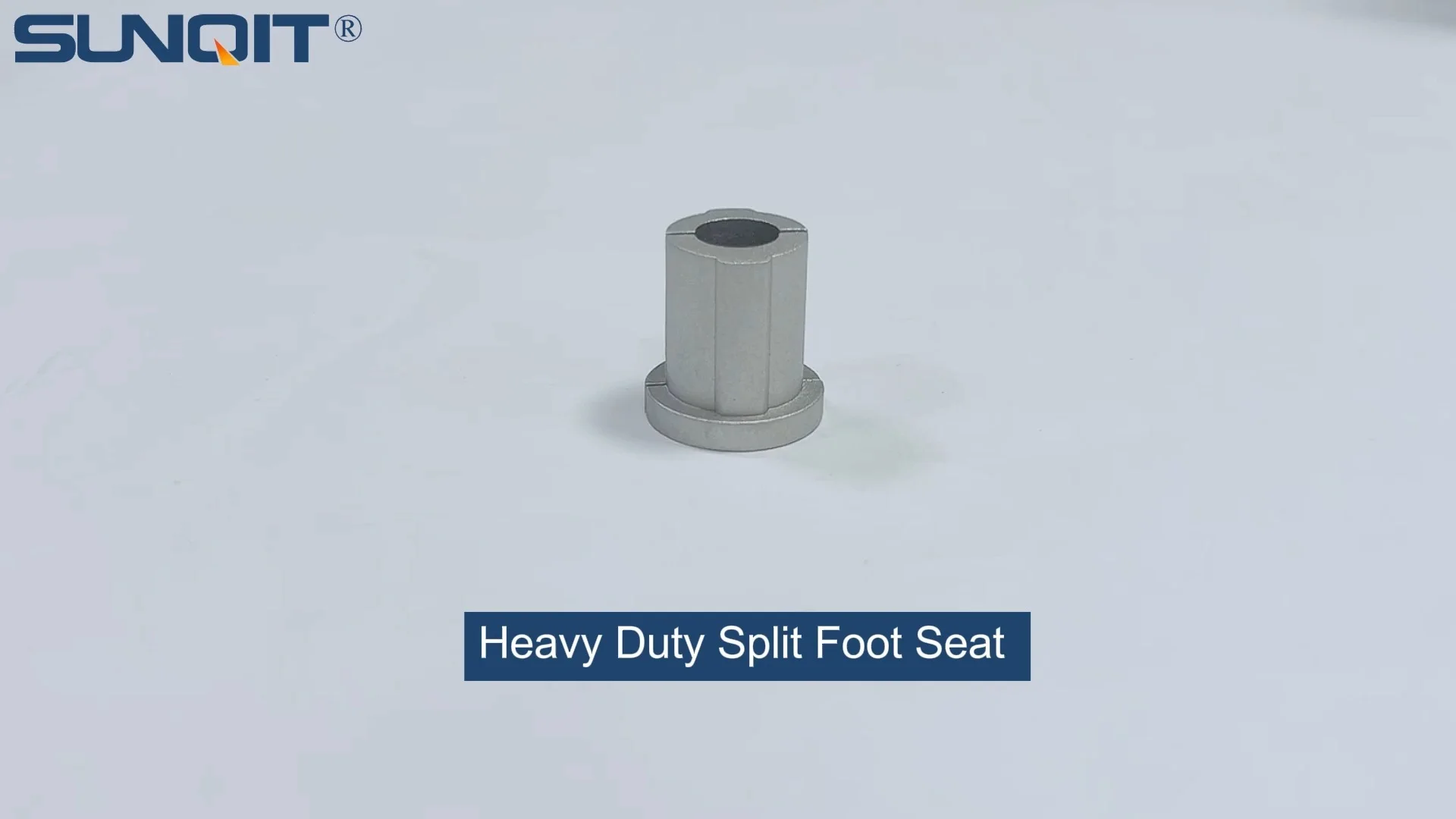
Heavy Duty Split Foot Seat
M10 aluminum heavy duty split foot deat with foot adjuster for workbench and flow rack.
In the fast-paced world of manufacturing, warehousing, and industrial workspaces, every component plays a silent but critical role in keeping operations running smoothly. From the workbench where assembly line workers spend hours crafting products to the material racks that hold inventory, the foundation of these structures often determines their reliability, safety, and longevity. Among the unsung heroes of industrial design are the bases that support these systems—specifically, the Heavy Duty Split Foot Seat and the Regular Base. While they may seem like simple metal or plastic components, their differences can drastically impact everything from load capacity to floor protection, and even the efficiency of day-to-day tasks.
Whether you're setting up a new production line, upgrading an existing workspace, or sourcing parts for a custom lean system, understanding the nuances between these two bases is essential. In this article, we'll dive deep into what makes each base unique, explore their ideal applications, and help you decide which one fits your needs. We'll also touch on how they interact with common industrial components like casters, aluminum profiles, and lean pipes—elements that form the backbone of modern, efficient workspaces.
What Is a Heavy Duty Split Foot Seat?
Let's start with the Heavy Duty Split Foot Seat—a component designed for strength, stability, and durability in high-demand environments. As the name suggests, this base features a "split" design, meaning it's divided into two distinct contact points with the floor, rather than a single solid plate. This split structure is intentional: it distributes weight more evenly, reduces stress on both the floor and the equipment frame, and enhances stability under heavy loads.
Design & Structure
A typical Heavy Duty Split Foot Seat consists of two parallel metal plates (often steel or aluminum alloy) connected by a central bracket or rod. The plates are usually rectangular or square, with pre-drilled holes for mounting to equipment legs, frames, or even casters. The split design creates a wider "footprint" than a Regular Base, which helps prevent tipping—critical for tall structures like material racks or workbenches stacked with heavy tools.
Many models also include adjustable features, such as threaded holes for anti-slip foot adjusters or suction cup bases, allowing users to level the equipment on uneven floors. This adjustability is a game-changer in older factories or warehouses where floor surfaces might be warped or cracked.
Material Composition
Heavy Duty Split Foot Seats are built to withstand rigorous use, so materials matter. High-grade steel is common for maximum strength, often coated with zinc or powder to resist corrosion. In environments where weight is a concern—such as when paired with aluminum profiles for lightweight lean systems—aluminum alloy is a popular alternative. Aluminum offers a good balance of strength and portability, though it may not match steel's load capacity for extreme applications.
Some models even use stainless steel, ideal for cleanrooms or food processing facilities where hygiene and resistance to chemicals are priorities. The choice of material directly impacts the seat's lifespan; a well-made steel split foot seat can last decades in a busy factory, outperforming plastic or low-grade metal alternatives.
Common Applications
Where do you find Heavy Duty Split Foot Seats in action? They're the go-to choice for equipment that handles heavy, consistent loads. Think:
- Heavy Workbenches: Assembly stations for automotive parts, machinery, or industrial tools, where workers might place engines, metal sheets, or large components.
- Material Racks: Multi-tiered racks storing heavy inventory, such as metal parts, castings, or bulk raw materials. A split foot seat prevents the rack from bowing or collapsing under the weight.
- Static Equipment: Machinery like hydraulic presses, welding stations, or testing rigs that need a stable base to avoid vibrations affecting precision.
- Semi-Mobile Setups: Workbenches or trolleys with heavy-duty casters (think caster wheels rated for 500kg+), where the split foot seat provides stability when stationary and supports the caster mounting under movement.
What Is a Regular Base?
If the Heavy Duty Split Foot Seat is the workhorse for heavy loads, the Regular Base is the versatile, everyday option. As the name implies, it's a simpler design—typically a single plate, block, or small frame that serves as the foundation for lighter equipment. Regular Bases prioritize cost-effectiveness, ease of installation, and mobility, making them a staple in workshops, retail spaces, and light manufacturing.
Design & Structure
Regular Bases are straightforward: a single, solid plate (often circular, square, or rectangular) with mounting holes for attaching to equipment legs or casters. Unlike split foot seats, they have a smaller footprint, which saves space but offers less stability for tall or top-heavy setups. Some models feature a hollow design to reduce weight, while others are solid for added heft (though still lighter than split foot seats).
Adjustability is limited compared to split foot seats. While some Regular Bases include basic leveling feet, they rarely offer the same precision or load-bearing adjustability. This simplicity is part of their appeal—installing a Regular Base usually takes minutes, with no need for alignment of split plates.
Material Composition
Regular Bases use a wider range of materials, depending on the application. Cast iron is common for medium loads, offering durability at a lower cost than steel. For lightweight needs—like mobile trolleys or small workbenches—reinforced plastic or aluminum is popular. Plastic bases are corrosion-resistant and affordable but prone to cracking under repeated heavy impacts.
In environments where weight is critical (e.g., medical labs or offices), aluminum Regular Bases are ideal. They're light enough to move by hand but strong enough to support printers, small tools, or lightweight inventory. For outdoor use or damp areas, galvanized steel Regular Bases add rust resistance without the cost of stainless steel.
Common Applications
Regular Bases shine in scenarios where loads are moderate, mobility is key, or budget is a concern. Examples include:
- Light Workbenches: Stations for electronics assembly, packaging, or lab work, where tools and components are lightweight.
- Mobile Trolleys: Turnover trolleys, tool carts, or delivery carts that need to be moved frequently. The smaller footprint and lighter weight make them easier to maneuver through tight aisles.
- Retail Displays: Shelving units or product racks in stores, where aesthetics and cost matter more than extreme load capacity.
- Home Workshops: DIY setups with lean pipes or basic aluminum profiles, where hobbyists need a functional base without industrial-grade strength.

Key Differences: Heavy Duty Split Foot Seat vs. Regular Base
To truly understand which base is right for your project, let's break down their differences across critical factors like load capacity, stability, and cost. This comparison will help you weigh trade-offs and align your choice with your workspace needs.
| Factor | Heavy Duty Split Foot Seat | Regular Base |
|---|---|---|
| Load Capacity | Typically 500kg–2000kg per base (depending on material and size). Ideal for heavy machinery, engines, or bulk materials. | Typically 100kg–500kg per base. Suitable for tools, small parts, or lightweight inventory. |
| Stability | High. Split design distributes weight evenly, reducing tipping risk. Wider footprint enhances balance for tall structures. | Moderate. Smaller footprint and single contact point increase tipping risk for tall or top-heavy setups. |
| Material Options | Steel, aluminum alloy, stainless steel. Focus on strength and durability. | Cast iron, aluminum, reinforced plastic, galvanized steel. Prioritizes cost and weight. |
| Adjustability | High. Often includes anti-slip foot adjusters, suction cups, or threaded holes for precise leveling on uneven floors. | Low to moderate. May include basic leveling feet but limited precision. |
| Installation Complexity | Moderate. Requires alignment of split plates and may need tools for adjusters. Takes 15–30 minutes per base. | Simple. Bolt-on design with no alignment needed. Takes 5–10 minutes per base. |
| Cost | Higher upfront cost ($30–$100+ per base). Lower long-term cost due to durability and minimal replacement needs. | Lower upfront cost ($10–$40 per base). Higher long-term cost if replaced frequently under heavy use. |
| Best For | Heavy workbenches, material racks, static machinery, semi-mobile setups with heavy casters. | Light workbenches, mobile trolleys, retail displays, home workshops, budget projects. |
Load Capacity: The Make-or-Break Factor
Load capacity is often the first consideration. A Heavy Duty Split Foot Seat's ability to handle 500kg+ per base makes it indispensable in industries like automotive, aerospace, or construction, where components can weigh hundreds of kilograms. For example, an engine assembly workbench might require four split foot seats (one per leg) to support a total load of 2000kg—something no Regular Base could manage without buckling.
Regular Bases, by contrast, excel in lighter applications. A small electronics workshop using lean pipes to build a mobile assembly station might opt for Regular Bases with casters, as the total load (tools, circuit boards, and a laptop) rarely exceeds 150kg. Here, the lower cost and easier mobility of Regular Bases outweigh the need for extreme load capacity.
Stability: Safety First
Stability isn't just about preventing tipping—it's about safety and precision. In a warehouse with tall material racks (e.g., 3-row, 3-floor material racks), a Regular Base might wobble when stocked with heavy boxes, increasing the risk of collapse. A Heavy Duty Split Foot Seat, with its wider footprint, keeps the rack steady even when workers are loading or unloading from the top shelf.
In contrast, a retail stockroom using turnover trolleys with Regular Bases is less likely to face stability issues. The trolleys are short, loaded with lightweight clothing or accessories, and moved slowly—so the smaller footprint is acceptable.
Cost vs. Longevity
It's tempting to choose Regular Bases for their lower upfront cost, but long-term value often favors Heavy Duty Split Foot Seats. A steel split foot seat might cost $50, while a Regular Base costs $20—but if the Regular Base cracks after two years of heavy use and needs replacement, the total cost ($40 over four years) approaches that of the split foot seat, which could last 10+ years.
For high-traffic facilities where downtime is costly, the durability of split foot seats also reduces maintenance. A manufacturing plant can't afford a workbench collapse due to a failed Regular Base, which could halt production and injure workers. Investing in split foot seats upfront mitigates these risks.

Real-World Scenarios: Which Base Should You Choose?
To make the decision clearer, let's walk through three common scenarios where the choice between Heavy Duty Split Foot Seats and Regular Bases matters most.
Scenario 1: Automotive Assembly Line Workbench
An automotive plant needs a workbench for assembling transmission components. The workbench will hold tools, a 300kg transmission, and workers leaning on it during assembly. It must be stable enough to prevent shifting (which could damage precision parts) and durable enough to withstand daily use.
Recommendation: Heavy Duty Split Foot Seats. The total load (transmission + tools + workers) easily exceeds 500kg, so split foot seats with steel construction and anti-slip adjusters are necessary. Pair them with heavy-duty casters (rated for 600kg each) to allow moving the workbench between stations when needed.
Scenario 2: Small Bakery Inventory Trolley
A local bakery needs a trolley to move flour bags, mixing bowls, and baking tools between storage and the kitchen. The trolley is used daily, but the total load rarely exceeds 100kg. Space is tight, so maneuverability is key.
Recommendation: Regular Bases. A lightweight aluminum frame with Regular Bases and standard casters (rated for 150kg) is perfect. The small footprint lets the trolley navigate narrow kitchen aisles, and the lower cost fits the bakery's budget. Since the load is light, stability isn't a major concern.
Scenario 3: Warehouse Material Rack for Electronics Parts
A warehouse stores small electronics parts (resistors, capacitors, circuit boards) in plastic bins on a 3-row, 3-floor material rack. The rack is 2 meters tall and loaded with 50kg per shelf (total 450kg). It needs to stay stable in a busy warehouse with forklifts passing nearby.
Recommendation: Heavy Duty Split Foot Seats. While the total load (450kg) is within some Regular Bases' capacity, the rack's height (2 meters) makes stability critical. Forklift vibrations or accidental bumps could tip a Regular Base-supported rack. Split foot seats with a wide footprint will keep the rack steady, protecting the parts from damage.

Conclusion: Aligning Bases with Your Workspace Goals
The choice between Heavy Duty Split Foot Seats and Regular Bases boils down to three questions: How much weight will your equipment handle? How stable does it need to be? And What's your long-term budget?
For heavy loads, tall structures, or high-stability needs, Heavy Duty Split Foot Seats are worth the investment. They're the backbone of industrial workspaces where safety, durability, and precision can't be compromised. Pair them with aluminum profiles or lean pipes for a robust, customizable system that grows with your operations.
For lighter loads, mobile setups, or budget-focused projects, Regular Bases offer simplicity and affordability. They're ideal for small businesses, workshops, or temporary setups where heavy use isn't a concern.
Whichever you choose, remember: the base is the foundation of your workspace. Skimping on it can lead to instability, downtime, or even accidents. By matching the base to your needs, you'll build a workspace that's efficient, safe, and ready to handle whatever your team throws at it.