- Company Articles
- Products and Technology
- Product knowledge
- Heavy Duty Split Foot Seats for Lean Pipe Systems: Cost-Effectiveness

Heavy Duty Split Foot Seats for Lean Pipe Systems: Cost-Effectiveness
Related Product
Heavy Duty Split Foot Seat
M10 aluminum heavy duty split foot deat with foot adjuster for workbench and flow rack.
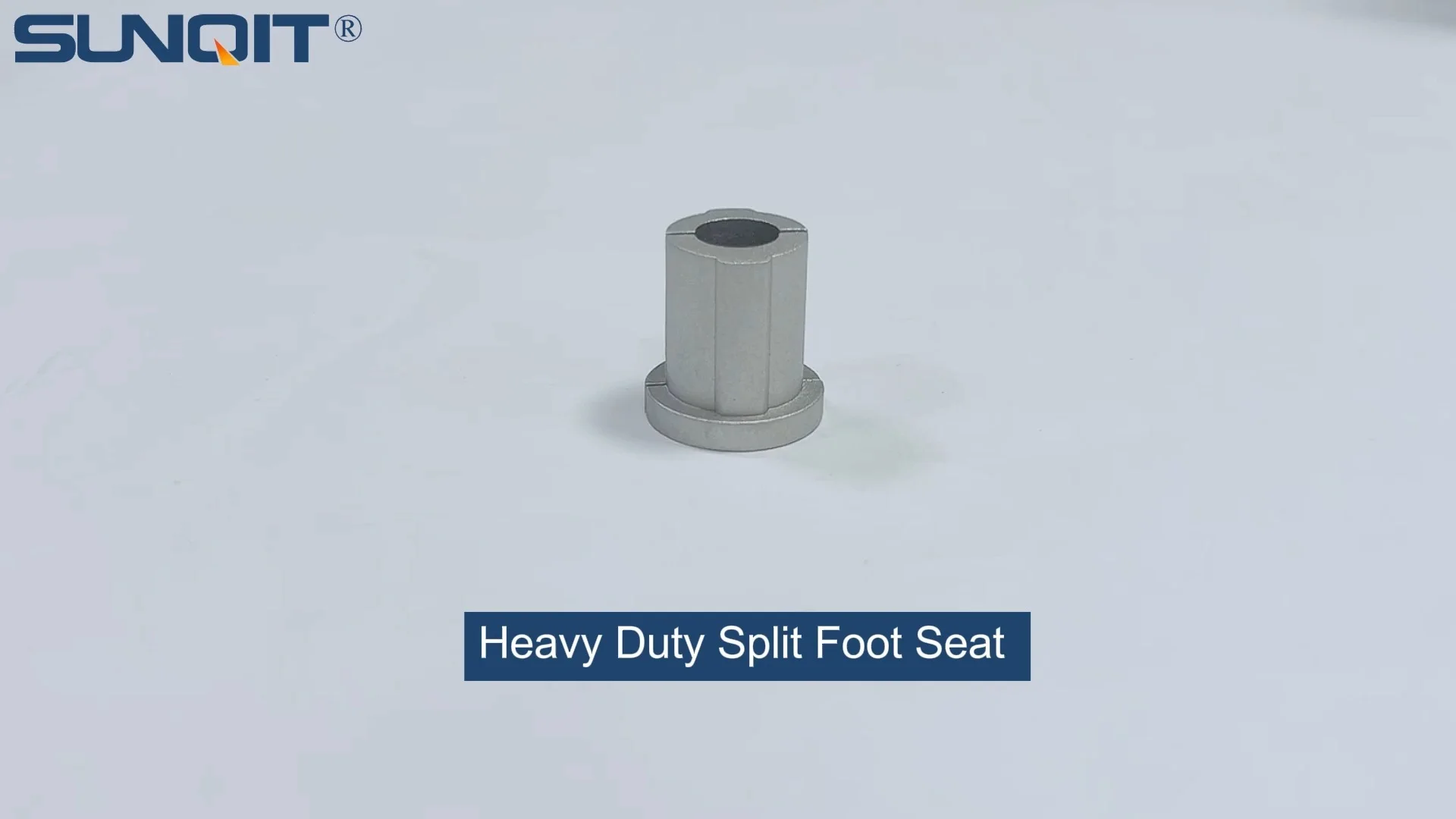
In the fast-paced world of manufacturing and production, every detail counts. From the largest machinery to the smallest component on a workbench, each element plays a role in keeping operations running smoothly. Yet, it's often the "invisible" parts—the foundational components we rarely think about—that can make or break a facility's efficiency, safety, and bottom line. Today, we're shining a light on one such unsung hero: the Heavy Duty Split Foot Seat. Specifically designed for lean pipe systems, this unassuming component might just be the key to unlocking long-term cost savings and operational resilience in your workspace.
What Are Lean Pipe Systems, and Why Do Their Foundations Matter?
Before diving into the specifics of Heavy Duty Split Foot Seats, let's take a step back to understand the bigger picture: lean pipe systems. If you've walked through a modern factory, warehouse, or assembly line, you've likely seen these systems in action—modular structures built from lightweight pipes, joints, and accessories that form workbenches, flow racks, material trolleys, and more. What makes them so popular? Their core strength lies in flexibility. Unlike fixed steel structures, lean pipe systems can be easily reconfigured, expanded, or repurposed as production needs change, aligning perfectly with lean manufacturing principles of eliminating waste and maximizing adaptability.
But here's the catch: a lean pipe system is only as strong as its weakest link. Imagine building a house on a shaky foundation—no matter how well you construct the walls or roof, the structure will eventually falter. The same logic applies to lean systems. While the pipes, joints, and aluminum profile components get most of the attention, their stability hinges on the components that connect them to the ground: foot seats. These small, often overlooked parts bear the brunt of the system's weight, absorb vibrations from daily use, and resist the wear and tear of heavy loads. Choose a flimsy foot seat, and you're setting yourself up for wobbly workbenches, collapsed material racks, and costly downtime.
Meet the Heavy Duty Split Foot Seat: A Foundation You Can Rely On
So, what exactly is a Heavy Duty Split Foot Seat, and how does it differ from the standard foot seats you might find in generic lean pipe kits? Let's break it down. At first glance, it looks like a simple metal base, but its design is engineered for one primary goal:
uncompromising stability
. The "split" in its name refers to its two-piece construction, which allows for easy installation around the base of a lean pipe or aluminum extrusion. This design not only speeds up assembly but also ensures a snug, secure fit—no more loose bolts or shifting bases after months of use.
Materials matter, too. Most Heavy Duty Split Foot Seats are crafted from high-grade steel or aluminum alloy, chosen for their strength-to-weight ratio and resistance to corrosion. For facilities using aluminum profile systems, aluminum-based foot seats offer seamless compatibility, ensuring the entire structure—from pipe to base—works in harmony. Unlike cheaper plastic or thin-gauge metal alternatives, these foot seats are built to handle heavy loads: we're talking upwards of 500 kg per unit, making them ideal for workbenches holding bulky machinery or material racks stacked with heavy components.
Another standout feature is adjustability. Many models come with threaded bases or rubberized pads that can be tweaked to level the structure on uneven floors—a common issue in older factories or warehouses. This not only enhances stability but also reduces stress on the lean pipes and joints, extending the lifespan of the entire system. And for facilities that use caster and accessories to make structures mobile, Heavy Duty Split Foot Seats can even be paired with locking casters, providing a stable base when stationary and smooth movement when needed.

The Cost-Effectiveness Breakdown: Why Heavy Duty Split Foot Seats Pay Off
Let's get to the heart of the matter: cost. At first glance, Heavy Duty Split Foot Seats might seem like a splurge compared to basic, budget-friendly alternatives. After all, why pay more for a "simple" foot seat when a cheaper one works "good enough"? But anyone who's managed a production line knows that "good enough" often leads to "way too expensive" down the road. Cost-effectiveness isn't just about the upfront price tag—it's about the total cost of ownership over time. Let's break down how Heavy Duty Split Foot Seats save you money in the long run.
1. Reduced Maintenance and Replacement Costs
Standard foot seats are often made from thin metal or plastic that cracks under pressure. In a busy facility, where workbenches are loaded with tools, parts, and equipment daily, these flimsy bases can fail in as little as 6–12 months. Each failure means purchasing a new foot seat, paying for labor to replace it, and potentially halting production while the repair is made. Multiply that by dozens of workbenches or racks across a facility, and the costs add up fast.
Heavy Duty Split Foot Seats, on the other hand, are built to last. With thick, reinforced materials and corrosion-resistant coatings, they can withstand years of heavy use without cracking, bending, or wearing down. Most manufacturers back them with 3–5 year warranties, and in practice, they often last even longer. Instead of replacing foot seats every year, you might replace them once every 5–7 years—slashing maintenance costs by 70% or more over a decade.
2. Minimized Downtime and Productivity Loss
In manufacturing, downtime is the enemy. Every minute a production line is idle costs money—lost output, idle labor, missed deadlines. A wobbly workbench might not seem like a big deal until it causes a worker to slow down (to avoid accidents) or, worse, collapses entirely. Imagine a scenario where a material rack holding critical components crashes because its foot seat failed. Suddenly, the assembly line grinds to a halt while workers clean up the mess, track down replacement parts, and rebuild the rack. An hour of downtime in a mid-sized factory can cost thousands of dollars in lost revenue—far more than the price of a Heavy Duty Split Foot Seat.
By investing in stable, reliable foot seats, you eliminate these avoidable disruptions. Workers can focus on their tasks without worrying about unstable equipment, and managers can sleep easy knowing their lean pipe systems are built to handle the daily grind. Over time, this consistency translates to higher productivity and fewer unexpected costs.
3. Safety: The Hidden Cost-Saver
Safety isn't just a moral obligation—it's a financial one. Workplace accidents caused by unstable equipment can lead to workers' compensation claims, OSHA fines, and even lawsuits. A single injury from a collapsed workbench could cost tens of thousands of dollars, not to mention the damage to employee morale and your company's reputation. Heavy Duty Split Foot Seats mitigate this risk by providing a stable base that resists tipping, even under uneven loads. Their non-slip pads reduce the risk of structures sliding on smooth floors, and their robust design ensures they don't shatter into sharp pieces when stressed—unlike plastic alternatives. In short, they're not just a foundation for your lean system; they're a foundation for a safer workplace.
4. Adaptability: Future-Proofing Your Investment
Lean manufacturing thrives on adaptability, and your equipment should too. Heavy Duty Split Foot Seats are designed to work with a wide range of lean pipe sizes, aluminum profiles, and accessories, making them compatible with both existing systems and future upgrades. Whether you're expanding a workbench, repurposing a flow rack, or switching from steel pipes to aluminum extrusions, these foot seats can adapt—saving you from having to replace your entire base structure when your needs change. This flexibility ensures your initial investment in foot seats continues to pay off, even as your facility evolves.

Traditional vs. Heavy Duty Split Foot Seats: A 5-Year Cost Comparison
| Feature | Traditional Foot Seats | Heavy Duty Split Foot Seats | Cost Impact (5-Year Projection) |
|---|---|---|---|
| Upfront Cost (per unit) | $10–$15 | $30–$40 | Heavy Duty costs $20–$25 more upfront |
| Expected Lifespan | 6–12 months | 5+ years | Heavy Duty lasts 5–10x longer |
| Replacement Frequency (5 years) | 5–8 replacements | 0–1 replacements | Traditional: $50–$120 in replacements; Heavy Duty: $0–$40 |
| Labor for Replacements (5 years) | 5–8 hours ($50–$80/hour) | 0–1 hours | Traditional: $250–$640; Heavy Duty: $0–$80 |
| Downtime Risk | High (1–2 incidents/year) | Low (negligible risk) | Traditional: $1,000–$5,000/incident in lost productivity |
| Safety Risk | Moderate to High | Low | Traditional: Potential $10,000+ in accident costs |
| Total 5-Year Cost (per unit) | $1,310–$6,760+ | $30–$160 | Heavy Duty saves $1,280–$6,600+ per unit |
The numbers speak for themselves. While Heavy Duty Split Foot Seats cost more upfront, their durability, reliability, and safety benefits result in massive savings over time. For a facility with 50 workbenches or racks, the total 5-year savings could easily reach six figures—making them one of the smartest investments you can make in your lean pipe system.

Real-World Applications: Where Heavy Duty Split Foot Seats Shine
Still not convinced? Let's look at how Heavy Duty Split Foot Seats perform in real-world settings. Take, for example, a mid-sized automotive parts manufacturer in Michigan. A few years back, the facility was struggling with frequent downtime due to wobbly lean pipe workbenches. Workers on the assembly line reported that their workbenches would shift under the weight of heavy tools, leading to slower production and near-misses with falling equipment. The maintenance team was replacing traditional foot seats every 8–10 months, at a cost of $15 per unit plus labor.
After switching to Heavy Duty Split Foot Seats, the results were dramatic. The workbenches stabilized immediately, and production speeds increased by 12% as workers no longer wasted time readjusting their stations. Over three years, the facility replaced zero foot seats, saving $4,500 in replacement costs and labor alone. More importantly, there were zero accidents related to unstable workbenches, avoiding potential workers' compensation claims that could have cost tens of thousands. Today, the manufacturer has expanded the use of Heavy Duty Split Foot Seats to all their lean pipe systems, including flow racks and material trolleys equipped with caster and accessories.
Another example comes from a pharmaceutical warehouse in California that uses lean pipe flow racks to store and distribute medical supplies. With strict regulations on safety and efficiency, the warehouse couldn't afford downtime or disorganized inventory. Traditional foot seats on their flow racks were failing under the constant loading and unloading of heavy boxes, leading to racks tilting and products spilling. After upgrading to Heavy Duty Split Foot Seats, the racks remained stable even during peak hours, reducing inventory damage by 40% and cutting the time spent restocking fallen items by 15 hours per week.
Choosing the Right Lean Pipe Supplier: Your Partner in Quality
Now that you understand the value of Heavy Duty Split Foot Seats, the next step is finding a reliable lean pipe supplier who can deliver quality components. Not all suppliers are created equal, and cutting corners here can undo all the benefits we've discussed. So, what should you look for?
First, prioritize suppliers who specialize in lean pipe systems and aluminum profile components. These companies have the expertise to understand your unique needs and recommend the right foot seats for your application—whether you're building a lightweight workbench or a heavy-duty material rack. Avoid general hardware stores or suppliers that carry lean pipe components as an afterthought; they often lack the technical knowledge to guide you.
Second, ask about materials and testing. Reputable suppliers will be transparent about the materials used in their foot seats (e.g., "high-grade steel alloy with a 3mm thickness") and can provide test reports on weight capacity, corrosion resistance, and durability. If a supplier can't answer these questions, it's a red flag.
Finally, look for suppliers who offer ongoing support. Even the best components can have issues, and you want a partner who will stand behind their products with warranties, replacement parts, and technical assistance. Check customer reviews and ask for references to ensure the supplier has a track record of reliability.
Conclusion: Invest in Your Foundation, Invest in Your Future
In the world of lean manufacturing, every component matters—but few matter as much as the foundation. Heavy Duty Split Foot Seats might not be the most glamorous part of your lean pipe system, but they're the quiet workhorses that keep everything stable, safe, and efficient. By choosing these robust, cost-effective components, you're not just buying a foot seat—you're investing in reduced downtime, lower maintenance costs, and a safer workplace.
So, the next time you're planning a lean pipe system upgrade or building a new workbench, remember: the cheapest option rarely ends up being the most cost-effective. Spend a little more on Heavy Duty Split Foot Seats today, and reap the rewards of a stronger, more reliable, and ultimately more profitable operation tomorrow. After all, in lean manufacturing, success starts from the ground up.