- Company Articles
- Products and Technology
- Product knowledge
- Heavy Duty Split Foot Seats for Medical Device Production: Hygiene & Durability

Heavy Duty Split Foot Seats for Medical Device Production: Hygiene & Durability
Related Product
Heavy Duty Split Foot Seat
M10 aluminum heavy duty split foot deat with foot adjuster for workbench and flow rack.
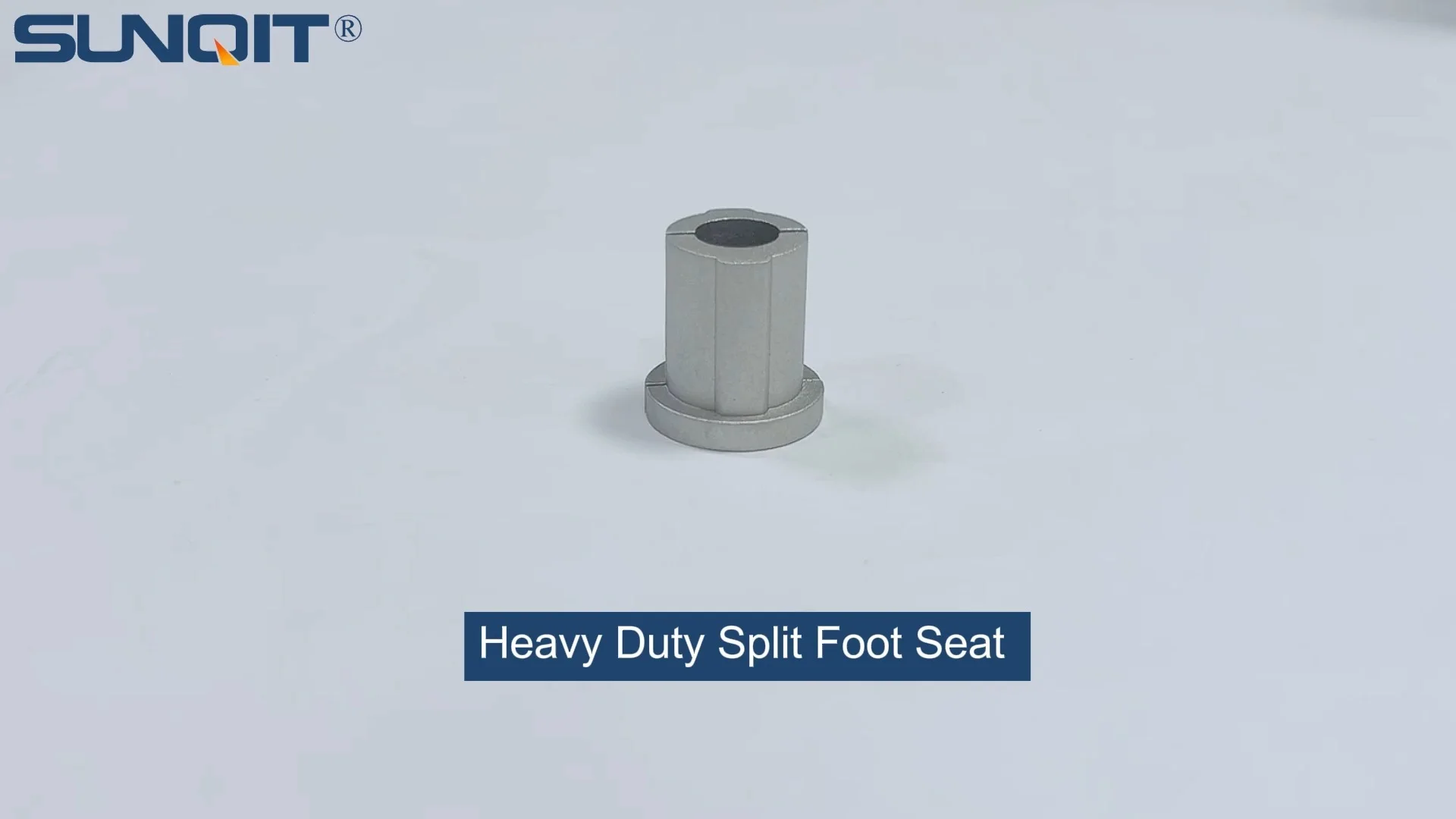
In the high-stakes world of medical device production, where precision is non-negotiable and contamination risks can have life-altering consequences, every component of the workspace matters—even the ones we rarely notice. Among these unsung heroes are Heavy Duty Split Foot Seats : unassuming yet critical accessories that support workbenches, stabilize equipment, and quietly uphold the rigorous standards of sterile manufacturing. While they might not grab headlines like cutting-edge imaging machines or robotic assembly arms, these foot seats play a pivotal role in maintaining hygiene, ensuring durability, and aligning with the principles of a lean system . Let's dive into why these small but mighty components are indispensable in medical device production.
Why Medical Device Production Demands Exceptional Standards
Medical device manufacturing is a realm where "good enough" simply doesn't exist. Whether producing surgical instruments, implantable devices, or diagnostic tools, the industry is governed by stringent regulations—from FDA guidelines in the U.S. to ISO 13485 standards globally. These rules aren't just boxes to check; they're lifelines for patients who rely on devices to be sterile, reliable, and consistent. Contamination from a single particle of dust, a crevice where bacteria linger, or a malfunctioning workbench component could compromise a product, leading to recalls, legal repercussions, or worse, harm to patients.
Beyond compliance, medical device production facilities operate in high-pressure environments. Many run 24/7 to meet demand, with workbenches and assembly lines enduring constant use. Equipment must withstand heavy loads, frequent cleaning with harsh disinfectants, and the wear and tear of repetitive tasks. In this context, durability isn't a luxury—it's a necessity to avoid costly downtime or replacements. Enter Heavy Duty Split Foot Seats: designed to rise to these challenges, they bridge the gap between hygiene, longevity, and operational efficiency.
Hygiene First: The Split Design Advantage
A Battle Against Hidden Contamination
In any manufacturing setting, hygiene is important—but in medical device production, it's existential. Traditional foot seats, often made of plastic or welded steel, come with a hidden flaw: crevices, seams, and hollow undersides where dust, debris, and moisture can accumulate. Even with regular cleaning, these hard-to-reach areas become breeding grounds for bacteria, mold, or particulate matter—all of which pose a contamination risk to sensitive medical components.
This is where the "split" in Heavy Duty Split Foot Seats becomes a game-changer. Unlike solid or hollow designs, the split structure features a divided base with minimal gaps, eliminating deep crevices. The result? A surface that's easy to wipe down, spray with disinfectant, or even steam-clean without trapping residue. Imagine a workbench in a surgical tool assembly line: after each shift, the entire workspace—including the foot seats—must undergo rigorous sanitization. With a split design, cleaning staff can quickly pass a disinfectant cloth over the surface, confident that no hidden contaminants are left behind. It's a small detail, but in a field where ISO 14644-1 classifies air cleanliness by particle count, small details save lives.
Materials That Support Sterility
Hygiene isn't just about design—it's also about materials. Many Heavy Duty Split Foot Seats are crafted from aluminum profile or anodized aluminum, chosen for its inherent resistance to corrosion and bacterial growth. Unlike plastic, which can degrade over time when exposed to strong cleaning agents like hydrogen peroxide or isopropyl alcohol, aluminum stands up to repeated sanitization without warping, cracking, or leaching chemicals. Its smooth, non-porous surface further reduces the risk of bacterial adhesion, making it easier to maintain a sterile environment.
Some models even integrate ESD (Electrostatic Discharge) properties, aligning with the needs of esd workstation setups. In facilities producing electronic medical devices—such as pacemakers or diagnostic sensors—static electricity can damage sensitive components. ESD-compliant split foot seats dissipate static charges, protecting both the product and the operator, all while maintaining the same high hygiene standards.

Durability: Built to Outlast the Toughest Environments
Heavy Duty by Design
Medical device production lines don't take breaks. Workbenches support heavy equipment—think precision scales, automated dispensers, or bulky tool chests—while operators stand, lean, or adjust positions throughout their shifts. A flimsy foot seat can lead to wobbling workbenches, misaligned assembly stations, or even equipment failure. Heavy Duty Split Foot Seats are engineered to handle these demands, with load capacities often exceeding 500kg per unit. Their robust construction, often reinforced with internal ribs or steel cores, ensures they don't bend, crack, or compress under pressure.
Take, for example, a workbench used to assemble orthopedic implants. The tools alone—drills, torque wrenches, sterilization trays—can weigh 30-50kg, and operators may lean on the bench for hours. A standard plastic foot seat might sag over time, throwing off the bench's level and compromising precision. A Heavy Duty Split Foot Seat, with its aluminum profile frame and reinforced base, stays stable for years, ensuring the workbench remains level and the implants are assembled with the exacting accuracy patients need.
Resistance to the Elements (and Chemicals)
Medical manufacturing facilities are harsh on equipment. Foot seats are exposed to daily cleaning with aggressive chemicals, temperature fluctuations (from sterilization cycles), and occasional spills of lubricants or solvents. Traditional steel foot seats can rust if their protective coating chips; plastic ones may discolor or become brittle. Aluminum profile split foot seats, however, are naturally corrosion-resistant, and anodized finishes add an extra layer of protection. This means they retain their structural integrity and appearance even after years of exposure to harsh conditions, reducing the need for frequent replacements and minimizing downtime.

Aligning with Lean Systems: Efficiency Meets Reliability
A lean system in manufacturing is all about eliminating waste—whether it's time, resources, or unnecessary complexity. Heavy Duty Split Foot Seats embody this philosophy in several ways:
- Reduced Maintenance Waste: Their durability means fewer breakdowns and replacements, cutting down on maintenance costs and downtime. In a lean environment, unplanned stops for foot seat repairs are a form of "downtime waste"—and these seats help eliminate that.
- Quick Cleaning, More Production Time: The easy-to-clean split design reduces the time staff spend sanitizing workbenches, freeing them up for value-adding tasks like assembly or quality checks.
- Flexibility for Changing Needs: Many split foot seats are adjustable, allowing workbenches to be reconfigured quickly for new product lines or process optimizations—key for adapting to lean principles like "just-in-time" production.
Imagine a facility that produces both insulin pumps and surgical staplers. With lean manufacturing, the workspace might need to switch between setups weekly. Adjustable Heavy Duty Split Foot Seats let operators raise, lower, or reposition workbenches in minutes, without tools or specialized training. This flexibility ensures the facility stays agile, avoiding the "waste of overproduction" or "waste of waiting" that comes with rigid, non-adjustable equipment.

How Do They Compare? A Look at Foot Seat Options
To truly appreciate the value of Heavy Duty Split Foot Seats, it helps to compare them with other common options in medical device production. Below is a breakdown of key features, focusing on hygiene and durability—the two pillars of medical manufacturing:
| Foot Seat Type | Hygiene Features | Durability | Best For |
|---|---|---|---|
| Standard Plastic Foot Seats | Prone to crevices; hard to clean; degrades with chemicals | Low load capacity; prone to cracking/warping | Low-stakes, non-sterile environments (e.g., packaging only) |
| Welded Steel Foot Seats | Weld seams trap debris; heavy; rust-prone if coating fails | High load capacity but heavy; difficult to adjust | Static, high-load workbenches (e.g., metal fabrication) |
| Heavy Duty Split Foot Seats (Aluminum Profile) | Split design minimizes crevices; smooth, chemical-resistant aluminum; ESD options | High load capacity (500kg+); corrosion-resistant; adjustable | Sterile medical device production, lean systems, ESD workstations |
The table speaks for itself: Heavy Duty Split Foot Seats outperform alternatives in both hygiene and durability, making them the clear choice for medical device manufacturing.
Real-World Impact: A Case Study
Consider a mid-sized medical device company specializing in cardiovascular implants. Before switching to Heavy Duty Split Foot Seats, their assembly line workbenches used standard welded steel foot seats. Within six months, they faced two challenges: first, frequent rust spots on the steel seats despite regular painting, leading to contamination concerns during audits; second, the fixed height of the seats made it hard to reconfigure workstations for new implant models, slowing down production and violating lean principles.
After upgrading to aluminum profile split foot seats with ESD properties, the results were striking: Auditors noted a 40% reduction in "hard-to-clean" areas on workbenches, and the company passed its ISO 13485 recertification with zero hygiene-related findings. Maintenance costs dropped by 35% as rust and breakdowns became a thing of the past, and reconfiguring workstations for new products now takes 30 minutes instead of 2 hours. Most importantly, the stability of the seats improved assembly precision, reducing product defects by 15% in the first year. For a company where a single defective implant could cost millions in recalls, this was a transformative outcome.
Looking Ahead: Innovations in Split Foot Seat Design
As medical device production evolves—with trends like miniaturization, personalized medicine, and automated assembly—so too will the tools that support it. Future Heavy Duty Split Foot Seats may integrate smart features, such as built-in sensors that alert maintenance teams to wear or instability before failure occurs. Others might use advanced composite materials that combine the lightness of aluminum with even greater impact resistance. There's also growing interest in modular designs that allow seats to be customized with accessories like caster wheel attachments for temporary mobility, further enhancing lean flexibility.
One thing is certain: as long as medical device production demands uncompromising hygiene and durability, Heavy Duty Split Foot Seats will remain a cornerstone of the industry. They may not be the most glamorous components, but in the pursuit of safer, more reliable medical devices, they're nothing short of essential.
Conclusion: The Foundation of Quality
In medical device production, every detail matters. From the precision of a laser cutter to the sterility of a workbench surface, each component contributes to the final product's safety and efficacy. Heavy Duty Split Foot Seats, with their focus on hygiene, durability, and alignment with lean system principles, are more than just accessories—they're the foundation upon which quality is built. By choosing these seats, manufacturers invest not just in equipment, but in the trust of patients, the efficiency of their operations, and the future of healthcare. In a world where medical devices save lives, the smallest components often make the biggest difference.