- Company Articles
- Products and Technology
- Product knowledge
- Heavy Duty Split Foot Seats for Mobile Workstations: Stability on Wheels

Heavy Duty Split Foot Seats for Mobile Workstations: Stability on Wheels
Related Product
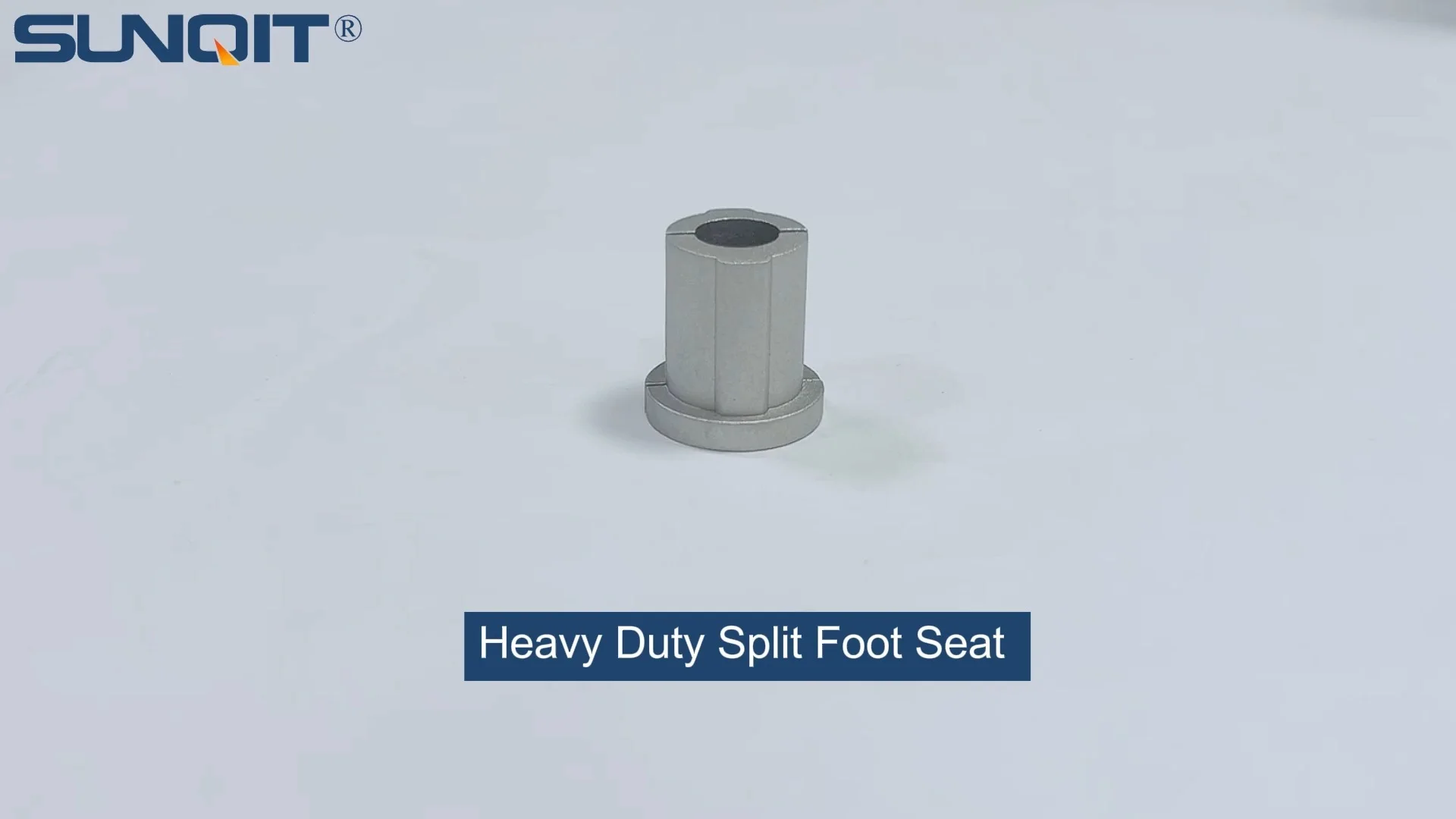
Heavy Duty Split Foot Seat
M10 aluminum heavy duty split foot deat with foot adjuster for workbench and flow rack.
In the bustling heart of manufacturing plants, warehouses, and assembly lines, mobile workstations are the unsung workhorses that keep operations moving. These agile setups—whether they're workbench units gliding along the factory floor or material carts shuttling components between stations—need to balance two critical traits: mobility and stability. A workstation that's easy to move but wobbles during use is a recipe for inefficiency, errors, and even safety hazards. Conversely, a setup that's rock-solid but impossible to reposition slows down workflow and stifles adaptability. Enter the heavy duty split foot seat: a small but mighty component that bridges this gap, ensuring your mobile workstations stay steady when you need them to and move freely when you don't.
Often overlooked in favor of flashier equipment like high-tech roller track systems or sleek aluminum frames, split foot seats are the quiet guardians of stability. They're the reason a technician can focus on assembling delicate electronics without worrying about their esd workbench shifting mid-task. They're why a warehouse worker can load heavy materials onto a trolley without the unit tipping or swaying. In short, they're the foundation upon which efficient, safe, and productive mobile work environments are built. Let's dive into what makes these components so essential, how they work, and why they deserve a spot in your next workstation upgrade.
What Are Heavy Duty Split Foot Seats?
At first glance, a heavy duty split foot seat might look like a simple metal or plastic base—but its design is anything but basic. These components are engineered to distribute weight evenly, anchor workstations to the floor, and complement mobility features like caster wheel systems. Let's break down their key characteristics:
Design: The "Split" Advantage
The defining feature of a split foot seat is its dual-base design. Unlike traditional leveling feet, which typically have a single, solid base, split foot seats split the contact area into two smaller, parallel surfaces. This split creates a wider stance, much like a weightlifter's feet positioned shoulder-width apart for balance. The result? Enhanced stability, especially on uneven floors common in industrial settings. Imagine a workshop with a slightly warped concrete floor: a single-base foot might rock back and forth as the workstation shifts, but a split foot seat's two points of contact "grip" the floor, minimizing movement.
Material: Built to Bear the Load
Heavy duty split foot seats are constructed from rugged materials designed to withstand the demands of industrial use. Most are made from high-grade steel or aluminum—metals chosen for their strength-to-weight ratio and resistance to corrosion. Steel variants are ideal for ultra-heavy applications, such as workstations loaded with machinery or tools, while aluminum options offer a lighter alternative for setups that need to stay mobile without sacrificing durability. Some models even feature rubber or plastic padding on the base to prevent scratching floors and reduce noise during movement.
Compatibility: Working in Tandem with Casters
One of the split foot seat's greatest strengths is its ability to work seamlessly with caster wheel systems. Here's how the partnership works: When you need to move the workstation, you simply lift the unit slightly (often using a foot lever or manual adjustment) to disengage the split foot seats and engage the casters. The wheels take over, allowing smooth, effortless movement. Once in position, you lower the workstation back down, and the split foot seats make contact with the floor, locking the unit in place. This "move and lock" functionality eliminates the need for separate braking systems on casters (though many setups still include brakes as a backup), streamlining both mobility and stability.
Why Stability Matters: The Cost of Wobbly Workstations
You might be thinking, "Does a little wobble really matter?" In short: yes. The consequences of unstable workstations go far beyond minor annoyances—they impact productivity, product quality, and worker safety. Let's explore the risks of cutting corners on stability:
Safety First: Preventing Accidents and Injuries
An unstable workstation is a safety hazard waiting to happen. A workbench that shifts unexpectedly can cause tools, parts, or even heavy equipment to slide off, risking injury to nearby workers. In environments where precision is critical—like electronics manufacturing—an esd workbench that wobbles could damage sensitive components or lead to electrostatic discharge (ESD) incidents. Even something as simple as a material cart tipping during loading can result in sprains, strains, or worse. Split foot seats mitigate these risks by keeping workstations grounded, reducing the chance of slips, falls, or collisions.
Efficiency: Eliminating Downtime and Rework
Time is money in manufacturing, and a wobbly workstation eats into both. When a technician has to stop mid-task to readjust a shifting esd workbench , or a warehouse worker has to steady a swaying cart, productivity grinds to a halt. Over the course of a day, these small interruptions add up to hours of lost time. Worse, instability can lead to errors: a misaligned part during assembly, a measurement off by millimeters, or a label applied crookedly. These mistakes require rework, which not only wastes labor but also increases material costs. Split foot seats keep workstations steady, letting employees focus on their tasks rather than fighting to keep their setup in place.
Equipment Longevity: Protecting Your Investment
Workstations, roller track systems, and other lean manufacturing tools are significant investments. Constant wobbling and shifting put unnecessary stress on these setups, leading to premature wear and tear. Casters, in particular, suffer when forced to support a swaying load—their bearings wear out faster, and wheels can develop flat spots. Over time, this means more frequent repairs, replacements, and unplanned downtime. Split foot seats reduce this strain by distributing weight evenly and minimizing movement, extending the lifespan of your equipment.

Split Foot Seats vs. Other Stability Solutions: A Comparison
Split foot seats aren't the only game in town when it comes to stabilizing mobile workstations. Let's compare them to two common alternatives—standard leveling feet and suction cup feet—to see how they stack up in key areas like load capacity, adaptability, and durability.
| Feature | Heavy Duty Split Foot Seats | Standard Leveling Feet | Suction Cup Anti-Slip Feet |
|---|---|---|---|
| Load Capacity | High (500–1,500 kg per foot, depending on material) | Medium (300–800 kg per foot) | Low (100–300 kg per foot) |
| Stability on Uneven Floors | Excellent (split base minimizes rocking) | Fair (single base may wobble on gaps) | Good (suction adheres to smooth surfaces but fails on rough floors) |
| Compatibility with Caster Wheels | Seamless (designed to work with move-and-lock systems) | Limited (often requires separate caster brakes) | Poor (suction can stick to floors, making movement difficult) |
| Durability | High (steel/aluminum construction resists wear) | Medium (plastic bases may crack under heavy loads) | Low (suction cups degrade over time, especially in dusty environments) |
| Best Use Case | Heavy-duty mobile workstations, ESD workbenches, material trolleys | Light to medium stationary workbenches on smooth floors | Lightweight, temporary setups on clean, flat surfaces (e.g., labs) |
As the table shows, split foot seats excel in the scenarios that matter most for industrial and manufacturing settings: heavy loads, uneven floors, and compatibility with mobility systems. They're not just a "nice-to-have"—they're a "need-to-have" for anyone serious about building reliable mobile workstations.

Applications: Where Split Foot Seats Shine
Split foot seats aren't one-trick ponies—they're versatile enough to enhance stability across a range of mobile workstations. Here are some of the most common applications where they make a tangible difference:
ESD Workbenches: Protecting Sensitive Electronics
In electronics manufacturing, esd workbench setups are critical for preventing electrostatic discharge that can fry microchips and circuit boards. These workstations often hold delicate tools, testing equipment, and partially assembled devices—all of which need a steady surface to avoid damage. Split foot seats ensure the bench stays grounded (literally and figuratively), even when technicians lean on it or move components around. Their non-conductive materials (if paired with ESD-safe coatings) also add an extra layer of protection against static buildup.
Material Handling Trolleys and Carts
Warehouses and distribution centers rely on material trolleys to transport everything from raw materials to finished goods. These carts often carry heavy loads—think stacks of boxes, pallets of parts, or bulky machinery components. Without proper stabilization, a loaded cart can tip during turns or when hitting a floor imperfection. Split foot seats distribute the cart's weight evenly, reducing the risk of tipping and making it easier for workers to load/unload without strain.
Choosing the Right Split Foot Seat: Key Considerations
Not all split foot seats are created equal. To ensure you're getting a component that meets your workstation's needs, keep these factors in mind:
- Load Capacity: Check the manufacturer's specs to ensure the foot seat can handle your workstation's maximum weight (including tools, materials, and workers). Err on the side of overcapacity—if your setup weighs 500kg, opt for a foot seat rated for 600kg or more.
- Material: Steel is best for ultra-heavy loads, while aluminum offers a lighter, corrosion-resistant option for damp environments (e.g., food processing plants). For ESD-sensitive areas, look for seats with non-conductive coatings.
- Floor Compatibility: If your facility has rough or uneven floors, prioritize split foot seats with larger base surfaces or rubber padding to improve grip. For smooth concrete, a standard split design should suffice.
- Caster Wheel Compatibility: Ensure the foot seat's height and adjustment mechanism work with your existing caster wheel system. Some models are designed to pair with specific caster brands or sizes, so double-check dimensions before buying.

Installation and Maintenance: Keeping Your Seats Stable for Years
Even the best split foot seats won't perform well if installed incorrectly or neglected. Follow these tips to maximize their lifespan and effectiveness:
Installation: Precision is Key
Installing split foot seats is a straightforward process, but attention to detail matters. Start by ensuring your workstation's frame is level—if the frame itself is warped, even the best foot seats won't fix instability. Then, attach the foot seats to the frame's corners using the manufacturer's recommended hardware (typically bolts or screws). Tighten them securely, but avoid over-tightening, which can strip threads or warp the base. Finally, test the workstation: lower it onto the foot seats and give it a gentle shake. If it wobbles, check for loose bolts or uneven floor contact and adjust as needed.
Maintenance: Simple Steps for Longevity
Split foot seats require minimal upkeep, but regular checks will prevent issues down the line:
-
Clean the bases:
Dust, debris, and oil can accumulate on the foot seat's contact points, reducing grip. Wipe them down monthly with a damp cloth to keep them clean.
-
Inspect for wear:
Check the base padding (if present) for cracks or tears, and replace it if it's worn. For metal bases, look for rust or bending—signs that the seat is being overloaded.
-
Lubricate adjustment mechanisms:
If your foot seats have adjustable height features, apply a small amount of lubricant (like silicone spray) to the threads every 3–6 months to keep them moving smoothly.
Conclusion: The Foundation of Efficient Mobile Workstations
In the world of manufacturing and material handling, success hinges on the details. Heavy duty split foot seats may not be the most glamorous components in your workflow, but they're among the most critical. They're the reason your workbench stays steady during assembly, your material cart doesn't tip during transport, and your esd workbench protects sensitive electronics from damage. By balancing mobility and stability, these small but powerful tools help you build workstations that are agile, safe, and built to last.
So the next time you're designing or upgrading a mobile workstation, don't overlook the split foot seat. It's not just a footrest for your equipment—it's the foundation upon which efficient, productive, and safe operations stand. Invest in quality, choose the right model for your needs, and watch as stability becomes your greatest asset on the factory floor.