- Company Articles
- Products and Technology
- Product knowledge
- Heavy Duty Split Foot Seats: Why They're a Must for High-Traffic Warehouses

Heavy Duty Split Foot Seats: Why They're a Must for High-Traffic Warehouses
Related Product
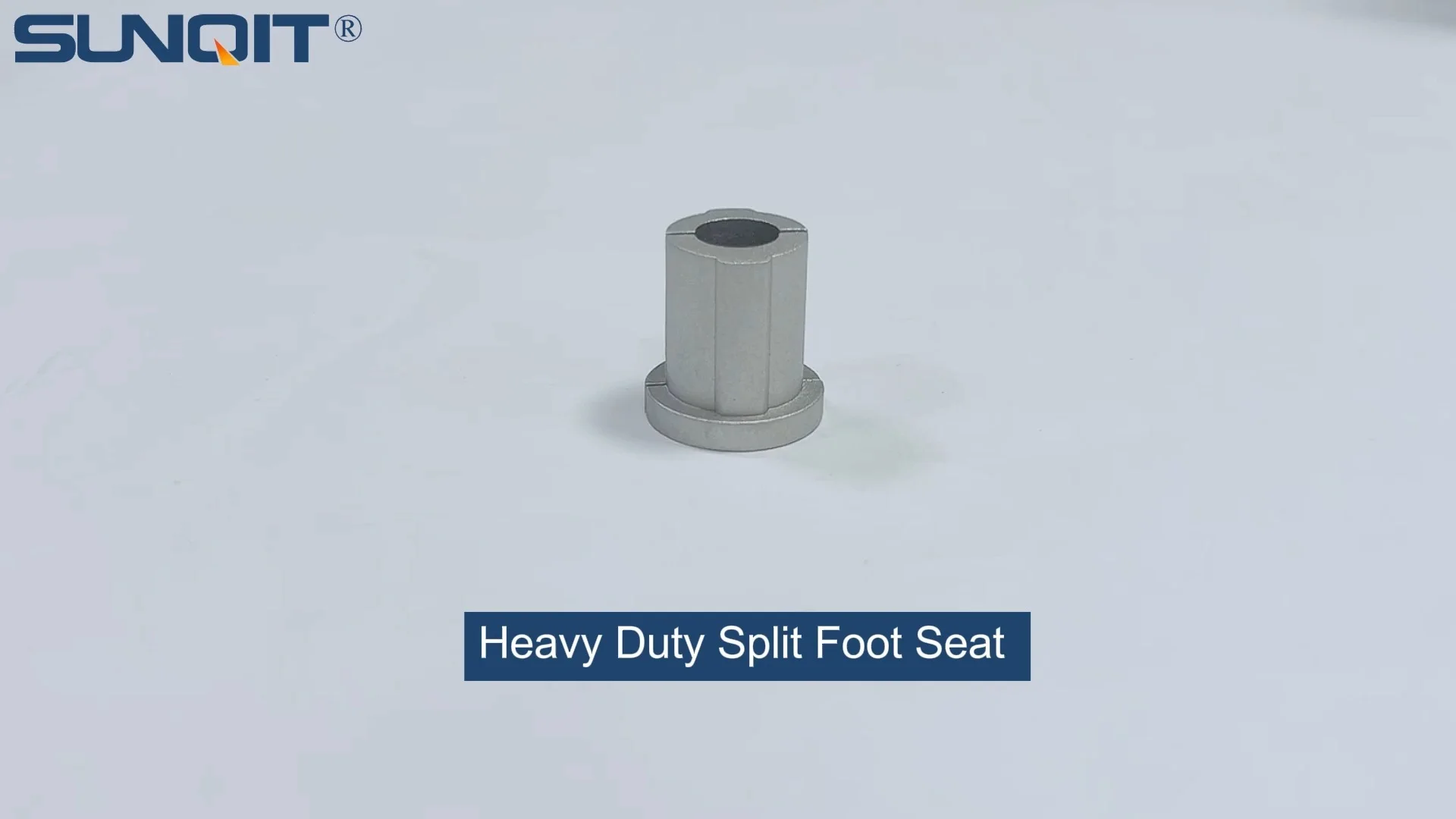
Heavy Duty Split Foot Seat
M10 aluminum heavy duty split foot deat with foot adjuster for workbench and flow rack.
It's 8:15 AM on a typical Monday in a regional distribution hub. The air smells like fresh cardboard and machine oil, and the warehouse floor buzzes with purpose: forklifts weave between pallet racks, their horns beeping gently to warn of their approach; workers in high-visibility vests unload trucks, their gloved hands moving in rhythm with the conveyor belts; and at the assembly stations, technicians lean over workbenches, piecing together components with steady focus. In this orchestrated chaos, every second counts. A single delay—a wobbly workbench, a stuck caster wheel, a material rack that shifts under load—can ripple through the day, turning a smooth operation into a logistical headache.
Amid all this activity, there's a quiet hero you've probably never noticed: the heavy duty split foot seat. Tucked under workbenches, bolted to the base of material racks, and anchoring equipment that keeps the workflow moving, these unassuming components are the unsung guardians of warehouse efficiency. They don't have flashy moving parts or digital readouts, but without them, the stability of your most critical tools hangs in the balance. Let's dive into why these small but mighty parts deserve a spot on every high-traffic warehouse's priority list—and how they integrate with the systems and tools you already rely on, from lean systems to aluminum profile workbenches.
What Are Heavy Duty Split Foot Seats, Anyway?
Let's start with the basics. A heavy duty split foot seat is a foundational component designed to stabilize equipment by distributing weight evenly across the floor. Unlike standard single-piece foot seats, the "split" design features two separate, sturdy bases connected to a central mounting point. This split structure isn't just a design quirk—it's engineering genius. By spreading the load across two points instead of one, these foot seats minimize pressure on any single area of the floor, reducing the risk of indentation (a common problem with heavy equipment on concrete) and preventing wobbling, even when the equipment is jostled or loaded unevenly.
Most often made from robust materials like cast iron or aluminum profile, these foot seats are built to handle the kind of abuse high-traffic warehouses dish out daily. They're typically bolted directly to the bottom of equipment—think workbenches where assembly happens, material racks stacked with inventory, or even mobile trolleys that need extra stability when parked. And while they're simple in concept, their impact is anything but: they turn "good enough" equipment into tools you can trust, day in and day out.
The Hidden Cost of Cutting Corners on Stability
Warehouse managers are masters at balancing budgets, but some corners are costlier to cut than others. Let's talk about what happens when you skimp on foot seats—or worse, use generic, lightweight alternatives. Picture this: A team of workers is assembling circuit boards on a workbench that shakes every time someone leans on it. The bench's standard plastic foot seats are cracked from months of use, and the whole setup wobbles so badly that a technician accidentally knocks a component off the table. That component is ruined, the technician has to pause to clean up, and the delay throws off the assembly line's timeline. Multiply that by five workbenches, and suddenly you're looking at hours of lost productivity and hundreds of dollars in wasted materials.
Or consider a material rack loaded with 50-pound boxes. Its basic foot seats aren't designed for the weight, so the rack tilts slightly to one side. A forklift operator, distracted by a radio call, brushes against it, and the whole thing tips. Boxes crash to the floor, some bursting open, others damaged beyond repair. Now you've got damaged inventory, a safety hazard (broken boxes and scattered goods), and a rack that's out of commission until it's repaired. The cost? Thousands of dollars in losses, not to mention the risk of injury.
The Numbers Don't Lie: According to the Material Handling Equipment Distributors Association (MHEDA), equipment instability is a leading cause of warehouse downtime, costing the average facility $2,000–$5,000 per incident. For high-traffic warehouses moving tens of thousands of units daily, that's a price tag no one can afford.

Why High-Traffic Warehouses Can't Afford to Ignore Split Foot Seats
So, what makes heavy duty split foot seats different? Let's break down the benefits that make them non-negotiable in busy facilities.
Stability That Stands Up to Constant Motion
High-traffic warehouses are never still. Forklifts rumble past, workers bump into equipment, and conveyor belts vibrate around the clock. All that motion puts stress on every piece of furniture and machinery. A standard foot seat might hold up in a quiet workshop, but in this environment, it's only a matter of time before it cracks or shifts. Split foot seats, with their dual-base design, act like a anchor. They distribute the equipment's weight (and the vibrations from the warehouse floor) across two points, reducing stress on any single part. Think of it like standing with your feet shoulder-width apart versus on one leg—you're far less likely to wobble.
This stability is especially critical for equipment like workbenches, where precision matters. A-free surface means workers can focus on their tasks, not on steadying their tools. For material racks, it means fewer spills and less damage to inventory. And for mobile equipment with caster wheels? Split foot seats provide a solid base when the casters are locked, preventing the trolley from rolling or tipping even if someone bumps into it.
Durability That Keeps Up with Your Pace
Warehouses don't take days off, and neither should your equipment. Heavy duty split foot seats are built to last, often constructed from thick aluminum profile or reinforced steel that resists bending, cracking, and corrosion. Unlike plastic foot seats, which degrade under UV light or moisture, aluminum and steel options hold up in humid environments, cold storage areas, and warehouses with temperature fluctuations. They're also resistant to the dents and scrapes that come with daily use—whether it's a stray forklift tire grazing the base or a pallet being dragged across the floor.
Many split foot seats also feature adjustable height settings, with threaded bolts that let you level equipment on uneven floors. Over time, warehouse floors can develop small cracks or dips (thanks to all that heavy traffic), but with adjustable split foot seats, you can tweak the height to keep your workbench or rack perfectly balanced. That adjustability isn't just about comfort—it's about extending the life of your equipment by ensuring it's never under unnecessary stress.
Safety That Protects Your Team and Your Bottom Line
At the end of the day, nothing matters more than keeping your team safe. Unstable equipment is a safety hazard waiting to happen: a tipped rack can crush toes, a wobbly workbench can cause falls, and a shifting trolley can knock someone off balance. Split foot seats reduce these risks by keeping equipment firmly planted. Their wide base makes it harder for machines to tip, even if they're loaded unevenly, and their sturdy construction ensures they won't suddenly fail under pressure.
Safety isn't just about avoiding accidents, though—it's also about compliance. OSHA requires warehouses to maintain a "safe and healthful workplace," and unstable equipment can lead to fines or violations. By investing in split foot seats, you're not just protecting your workers; you're protecting your business from costly penalties and reputational damage.

Fitting into the Bigger Picture: Split Foot Seats and Lean Systems
If your warehouse uses lean systems to streamline operations, you already know that every component has a role to play in reducing waste and boosting efficiency. Heavy duty split foot seats might not be the first thing that comes to mind when you think of lean principles, but they're a quiet enabler of the whole system.
Lean systems thrive on stability and predictability. When your workbenches don't wobble, your team can work faster and more accurately, reducing the "waste" of rework. When your material racks stay upright, you avoid the "waste" of damaged inventory. And when your equipment is stable, you minimize the "waste" of downtime caused by repairs or accidents. In short, split foot seats help your lean system work the way it's supposed to—by keeping the focus on value, not on fixing preventable problems.
Take, for example, a lean assembly line where each workbench is part of a continuous workflow. If one bench is unstable, the worker at that station falls behind, creating a bottleneck for everyone downstream. With split foot seats, the bench stays steady, the worker stays on pace, and the entire line flows smoothly. It's a small detail, but in lean, small details add up to big results.

Materials Matter: Why Aluminum Profile is a Top Choice
Not all split foot seats are created equal, and the material they're made from makes a huge difference in performance. While steel is a common option for extreme weight capacities, aluminum profile has emerged as a favorite in many warehouses—and for good reason.
Aluminum is lightweight, which makes split foot seats easier to install (no need for a team of workers to heave them into place). But don't let the weight fool you—aluminum profile is surprisingly strong, with a high strength-to-weight ratio that can handle heavy loads without bending. It's also resistant to rust and corrosion, which is a game-changer in warehouses with moisture (like those storing frozen goods or located in humid climates). Unlike steel, which needs regular painting to prevent rust, aluminum profile seats require minimal maintenance—just a quick wipe-down to remove dust or debris.
Another advantage of aluminum profile? It's modular. Many split foot seats designed for aluminum profiles feature T-slots or pre-drilled holes that let you easily attach them to other aluminum components, like workbench frames or material rack posts. This modularity makes it simple to customize your setup—whether you need to adjust the height of a foot seat or swap out a component. It also means if a part does wear out, you can replace just the foot seat instead of the entire piece of equipment, saving time and money.
| Material | Weight | Strength | Corrosion Resistance | Installation Ease |
|---|---|---|---|---|
| Plastic | Light | Low | High (but prone to cracking) | Easy |
| Steel | Heavy | Very High | Low (needs coating) | Hard (requires tools/team) |
| Aluminum Profile | Light-Medium | High | Very High | Easy (modular design) |
Real-World Results: A Warehouse's Success Story
Let's put this all into perspective with a real-world example (names changed for privacy). ABC Logistics, a mid-sized e-commerce fulfillment center in the Midwest, was struggling with frequent equipment issues. Their 10-year-old workbenches wobbled constantly, leading to delays in order processing, and their material racks—loaded with apparel and electronics—had started to tip, causing weekly inventory damage. The warehouse manager, Maria, was at her wit's end. "We were spending so much time fixing things instead of shipping orders," she recalls. "I knew we needed a solution, but I didn't want to blow the budget on new equipment."
After researching options, Maria decided to upgrade the foot seats on 20 workbenches and 15 material racks to heavy duty split foot seats made from aluminum profile. The installation took a weekend (minimal downtime), and the results were immediate. "Within the first week, I noticed a difference," Maria says. "Workers weren't stopping to adjust wobbly tables anymore. The racks stayed put, even when forklifts got a little too close. And we haven't had a single inventory spill since."
Six months later, ABC Logistics saw a 15% reduction in order processing time and a 30% drop in damaged inventory. "The split foot seats paid for themselves in less than three months," Maria adds. "It's one of the best investments we've made."
Keeping Your Split Foot Seats in Top Shape: Maintenance Tips
Like any equipment, split foot seats need a little care to keep performing their best. Here are a few simple maintenance tips to extend their lifespan:
- Inspect Regularly: Once a month, check for cracks, bends, or loose bolts. Pay extra attention to areas where the foot seat connects to the equipment—this is where stress is highest.
- Clean Them Off: Wipe away dust, debris, or oil that might accumulate on the base. This prevents slipping and ensures the foot seat sits flat on the floor.
- Tighten Connections: Over time, bolts can loosen from vibration. Use a wrench to tighten them gently (don't over-tighten—this can strip the threads).
- replace When Needed: If you notice cracks in the aluminum profile or steel, or if the foot seat no longer adjusts smoothly, replace it immediately. A damaged foot seat is a safety risk.
Choosing the Right Split Foot Seats for Your Warehouse
Not all split foot seats are the same, so it's important to choose the right ones for your needs. Here's what to consider:
- Weight Capacity: Check the manufacturer's specs to ensure the foot seat can handle the weight of your equipment (including the maximum load it will carry).
- Floor Type: If your warehouse has uneven floors, opt for adjustable split foot seats with threaded bolts. For concrete floors, rubber or plastic pads on the base can prevent slipping and protect the floor from scratches.
- Equipment Compatibility: Make sure the foot seat fits the frame of your workbench, rack, or trolley. Many aluminum profile seats are designed to work with standard profile sizes, but it's always best to double-check.
- Environment: In humid or wet areas, choose aluminum or stainless steel to resist corrosion. In cold storage, avoid plastic, which can become brittle in low temperatures.
Final Thoughts: Small Part, Big Impact
Heavy duty split foot seats might not be the most glamorous part of your warehouse, but they're one of the most essential. They keep your equipment stable, your workers safe, and your operations running smoothly—even when the pace is relentless. In high-traffic warehouses, where every second and every dollar counts, investing in quality split foot seats isn't a luxury; it's a necessity.
So, the next time you walk through your warehouse, take a moment to look down. Chances are, you'll spot these quiet heroes hard at work, keeping everything—and everyone—on track. And when you do, you'll know: they're worth every penny.