- Company Articles
- Products and Technology
- Product knowledge
- High-Load Capacity 60 Steel Roller Track Green: Supporting Heavy-Duty Manufacturing Needs

High-Load Capacity 60 Steel Roller Track Green: Supporting Heavy-Duty Manufacturing Needs
Related Product
60 Steel Roller Track Green
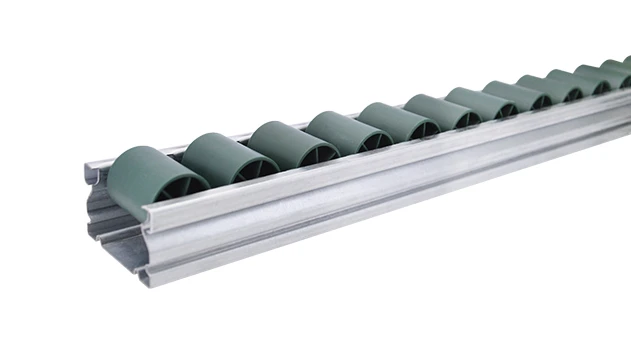
The roller track can be installed with multiple accessories to create different slopes and configurations of flow racks.All steel conveyor 60 roller track accessories are engineered to perfectly fit the sliding rail.It is enable the movement of SLC boxes.
High-Load Capacity 60 Steel Roller Track Green: Supporting Heavy-Duty Manufacturing Needs
The Heavy-Duty Manufacturing Dilemma: Moving Big, Heavy Parts Without Hiccups
Every day, on factory floors across industries like automotive, heavy machinery, and warehouse logistics, teams face the same persistent challenge: how to move large, weighty components from one station to the next smoothly, efficiently, and without unexpected breakdowns. For a mid-sized truck parts manufacturer I spoke to recently, this problem was costing them 2-3 hours of downtime weekly—old roller tracks kept buckling under transmission parts, leading to missed deadlines and frustrated operators. If you've ever dealt with similar issues, you know how much of a drain this can be on your team's productivity and your bottom line. That's where Sunqit's High-Load Capacity 60 Steel Roller Track Green comes in: a robust, reliable solution built specifically to tackle these tough, high-demand environments head-on.
What Exactly Is the 60 Steel Roller Track Green?
Let's break it down in simple terms. This roller track isn't your average off-the-shelf option—it's crafted from high-carbon steel, with a thick epoxy green coating that does two critical things: first, it resists corrosion, which is a must for factories where oil, grease, or moisture are part of daily operations. Second, the vibrant green color makes it easy to spot on busy floors, helping teams maintain order and avoid accidental tripping or collisions. But the real star here is its load capacity: designed to handle up to 1200 kg per meter (and 1500 kg for the heavy-duty variant), it's built to support the heaviest components your line throws at it.
The 60 in the name refers to the track's width (60mm), which gives it a stable base to distribute weight evenly across its length. The rollers are spaced 100mm apart—perfect for preventing stress points even with bulky, irregularly shaped parts. And since it's part of Sunqit's lean ecosystem, it's compatible with a wide range of accessories: end stops to keep parts from sliding off, connector brackets to link tracks together, and lean pipe clamps to attach it to workbenches or racks. This flexibility means you can adapt it to your exact workflow, no matter how unique your needs are.
Why This Roller Track Is a Game-Changer for Heavy-Duty Needs
Let's get to the heart of why this track matters for heavy-duty manufacturing. Three things stand out above all else:
1. Unmatched Load Handling:
Traditional roller tracks might handle 300-500 kg per meter, but Sunqit's 60 Steel Track doubles or triples that. For factories moving engine blocks, transmission systems, or heavy metal castings, this means no more worrying about tracks bending or breaking mid-shift. The truck parts manufacturer I mentioned earlier saw zero downtime related to roller track failures after switching—something they hadn't experienced in years.
2. Long-Lasting Durability:
The high-carbon steel construction and epoxy coating mean this track can withstand scratches, impacts, and exposure to harsh chemicals. Unlike plastic tracks that wear out in 1-2 years, Sunqit's steel track lasts 5-10 years with proper maintenance. That's a huge savings in replacement costs over time.
3. Effortless Efficiency:
The precision-engineered rollers reduce friction to a minimum, so even 1000kg parts move with minimal effort. This cuts down on manual labor (operators don't have to push heavy parts anymore) and speeds up production lines. For example, a construction equipment factory reported a 15% increase in line speed after integrating this track into their assembly process—all because parts flowed seamlessly from one station to the next.
And let's not forget safety. Heaving heavy parts around is a common cause of workplace injuries. With this track, parts glide smoothly, reducing the risk of strains or falls. That's a win for both your team's well-being and your company's safety record.
Real-World Applications: Where It Shines Brightest
This roller track isn't just a theoretical solution—it's proven to work in some of the toughest manufacturing environments. Let's dive into three key use cases:
1. Automotive Component Assembly:
In plants building truck or bus engines, each component (like a cylinder head or crankshaft) weighs hundreds of kilograms. Sunqit's track supports these parts, ensuring they move from machining stations to assembly lines without delays. Pair it with a flow rack, and you've got a system where parts are always available at the right station—no more walking back and forth to grab heavy items. A leading automotive supplier reported a 20% reduction in pick time after implementing this setup.
2. Heavy Machinery Manufacturing:
For factories producing excavators or bulldozers, large metal parts are a daily reality. The 60 Steel Track can handle these parts, whether they're being moved to welding stations or final assembly. When integrated with a conveyor system, it creates a continuous flow that keeps the line running smoothly. A construction equipment maker used this track to connect their welding and painting lines—reducing transfer time by 30% and cutting down on damage to parts during movement.
3. Warehouse Logistics for Heavy Goods:
Warehouses storing industrial tools, engine blocks, or construction materials need storage solutions that are both strong and accessible. Using this track in flow racks lets workers pick items quickly without straining themselves. The high load capacity means you can stack more items per rack, maximizing your storage space. A logistics company specializing in heavy industrial parts increased their warehouse storage density by 25% after switching to Sunqit's flow racks with this track.
Let's expand on the truck parts manufacturer case study: Before switching, they had to replace 2-3 tracks per month, each costing $200. That's $400-$600 monthly in replacement costs, plus 2-3 hours of downtime. After switching to Sunqit's 60 Steel Track, they haven't replaced a single track in 12 months. The downtime dropped to zero, and the team saved over $7,200 in replacement costs alone. Plus, the operators reported less fatigue—since they no longer had to push heavy parts along stubborn tracks.
Integrating with Sunqit's Lean Ecosystem
One of the biggest advantages of Sunqit's products is how well they work together. The 60 Steel Roller Track Green isn't a standalone item—it's part of a complete lean system that helps you optimize your entire workflow. Let's see how it fits in with other key products:
With Lean Pipe Workbenches:
Imagine a workstation where parts are delivered via the roller track directly to the operator's hands. The operator can grab the part, work on it, and then send it to the next station—all without leaving their seat. Sunqit's lean pipe workbenches are designed to be flexible, so you can adjust the height or layout to match your track setup. A 3C assembly factory used this combination to build a custom workstation for assembling heavy camera lenses—reducing operator movement by 40%.
With Flow Racks:
Flow racks are perfect for first-in, first-out (FIFO) storage of parts. Adding Sunqit's 60 Steel Track to these racks lets you store heavier parts while keeping them easy to access. For example, a medical device manufacturer used this track in flow racks to store heavy stainless steel instrument cases—workers can slide cases out with one hand, no lifting required.
With Conveyor Systems:
Conveyors are the backbone of many production lines. Sunqit's 60 Steel Track integrates seamlessly with their conveyor systems, creating a continuous flow for heavy parts. A mechanical manufacturing plant used this combination to connect their forging and machining lines—parts move from forging to machining without any manual intervention, cutting down on transfer time by 50%.
All of these integrations align with Sunqit's lean philosophy: reduce waste, improve efficiency, and make your operations more sustainable. Since the system is modular, you can reconfigure it as your needs change—so you don't have to start from scratch every time you update your line.
Technical Specifications at a Glance
| Model Number | Material | Max Load per Meter | Roller Diameter | Roller Spacing | Coating Type | Compatible Accessories |
|---|---|---|---|---|---|---|
| 60SR-G | High-Carbon Steel | 1200 kg | 60 mm | 100 mm | Epoxy Green Coating | End Stops, Connector Brackets, Lean Pipe Clamps |
| 60SR-G-HD | High-Strength Steel Alloy | 1500 kg | 60 mm | 80 mm | Epoxy Green Coating | Heavy-Duty End Stops, Reinforced Brackets, Flow Rack Joints |
| 60SR-G-ESD | High-Carbon Steel with ESD Coating | 1200 kg | 60 mm | 100 mm | ESD-Safe Epoxy Green Coating | ESD End Stops, ESD Brackets, ESD Lean Pipe Clamps |
Note: These specifications are for reference. Sunqit offers full customization based on your unique needs—whether you need a track of a specific length, a different coating color, or custom accessories to fit your existing setup. Their team of engineers will work with you to design a solution that perfectly matches your workflow.
How It Stacks Up Against Traditional Options
Let's be honest—there are plenty of roller tracks on the market, but not all are built for heavy-duty use. Here's how Sunqit's 60 Steel Track compares to common alternatives:
vs. Plastic Roller Tracks:
Plastic tracks are cheap (around $100 per meter) but fragile. They can't handle heavy loads, wear out quickly, and are prone to breaking in harsh environments. Sunqit's steel track costs more upfront ($250-$350 per meter) but lasts 5-10 times longer and handles 3-4 times the load. Over 5 years, the plastic track would cost $500-$1000 per meter in replacements, while Sunqit's track costs $250-$350—so it's actually cheaper in the long run.
vs. Light-Gauge Steel Tracks:
Light steel tracks (1-2 mm thickness) are better than plastic but still fall short. They can handle 500-700 kg per meter but bend easily under heavy loads. Sunqit's track uses 3-4 mm thick steel, so it's more resistant to bending and breaking. The epoxy coating also adds rust protection—something light steel tracks often lack.
vs. Uncoated Steel Tracks:
Uncoated steel tracks are strong but rust easily. They require frequent maintenance (like painting) to prevent corrosion. Sunqit's epoxy coating eliminates this need—so you save time and money on maintenance. Plus, the green color makes them easier to spot, reducing the risk of accidents.
At the end of the day, Sunqit's 60 Steel Track is an investment that pays off. It might cost more upfront, but the savings in downtime, replacement costs, and maintenance make it a no-brainer for heavy-duty manufacturing.
Customization & Support: Tailored to Your Needs
Sunqit doesn't believe in one-size-fits-all solutions. Every factory has unique needs, and the 60 Steel Roller Track Green is no exception. Whether you need a track of a specific length, a different coating color, or custom accessories to fit your existing setup, Sunqit's team of experts is here to help.
For example, if you're in the medical device industry (one of Sunqit's focus areas), you might need a track that's compatible with ESD workstations. Sunqit can adjust the track's coating to be ESD-safe, so it works seamlessly with your existing ESD setup. Or if you're in 3C assembly (another key industry), you might need a track that's smaller but still handles heavy components—Sunqit can customize the width and roller spacing to fit your line.
And it's not just about the product. Sunqit's team provides full support from design to installation:
- Design Consultation: They'll work with you to understand your workflow and recommend the best track setup.
- Custom Manufacturing: They'll build the track to your exact specifications.
- Installation Support: They can send technicians to help with installation or provide detailed guides for your team.
- After-Sales Support: They offer a 1-year warranty and 24/7 customer service to address any issues you might have.
Maintenance Tips to Keep Your Track Running Smoothly
Even the most durable equipment needs a little care to stay in top shape. Here are some simple maintenance tips for your Sunqit 60 Steel Roller Track Green:
1. Regular Cleaning:
Wipe down the track with a damp cloth every week to remove dirt, oil, and debris. This prevents buildup that can slow down the rollers or cause corrosion. For tough stains, use a mild detergent—avoid harsh chemicals that might damage the epoxy coating.
2. Lubrication:
Apply a small amount of lithium-based lubricant to the roller bearings every 3-6 months. This keeps the rollers rolling smoothly and reduces friction. Be sure to use a lubricant that's compatible with steel and epoxy coatings.
3. Monthly Inspections:
Check the track for signs of wear and tear every month. Look for bent rollers, loose brackets, or chipped coating. If you notice any issues, contact Sunqit's support team right away—they can help you fix the problem before it leads to downtime.
4. Stay Within Load Limits:
While the track is designed for high loads, it's still important to stay within the recommended limits. Overloading can cause the track to bend or break, so make sure your team knows the max load per meter.
5. Protect From Impact:
Use corner guards or bumpers to protect the track from heavy machinery (like forklifts) that might hit it. This prevents dents or bending that can affect performance.
Following these tips will keep your track running smoothly for years to come—saving you time and money on repairs and replacements.
Sustainability: A Core Part of Sunqit's Philosophy
In today's world, sustainability is more important than ever. Sunqit's 60 Steel Roller Track Green is designed with this in mind. Here's how it contributes to a more sustainable manufacturing process:
1. Reusable:
Unlike plastic tracks that are thrown away when they break, Sunqit's steel track can be reused. If you need to reconfigure your line, you can take the track apart and reassemble it in a new location—no waste, no extra cost.
2. Long Lifespan:
The durable steel construction and epoxy coating mean the track lasts for years. This reduces the number of tracks you need to buy, which in turn reduces the environmental impact of manufacturing new tracks.
3. Energy Efficient:
The smooth-rolling rollers reduce friction, so less energy is needed to move parts. This can lower your factory's energy consumption and carbon footprint.
4. Recyclable:
When the track finally reaches the end of its lifespan, it can be recycled into new steel products—unlike plastic tracks that end up in landfills.
Sunqit's commitment to sustainability goes beyond this track. All their products are designed with the lean principle of "reduce, reuse, recycle" in mind. Whether it's lean pipe workbenches that can be reconfigured or flow racks that can be adapted to new uses, Sunqit's products help you build a more sustainable manufacturing operation.
Final Thoughts: Why Choose Sunqit's 60 Steel Roller Track Green?
If you're in heavy-duty manufacturing, you know how important it is to have reliable equipment. The 60 Steel Roller Track Green from Sunqit checks all the boxes: it's strong, durable, efficient, and compatible with a wide range of lean system components. Whether you're looking to reduce downtime, boost productivity, or just make your team's job easier, this track is a great choice.
But don't just take my word for it. Sunqit has been serving the manufacturing industry for years, with a focus on lean principles and sustainable solutions. Their products are used in factories across the globe—from automotive to medical to warehouse logistics. And with their custom support, you can be sure that you're getting a solution that's tailored to your exact needs.
So if you're tired of dealing with flimsy roller tracks that break down at the worst times, it's time to make a change. Sunqit's 60 Steel Roller Track Green is the heavy-duty solution you've been looking for. It's an investment in your factory's future—one that will pay off in reduced downtime, higher productivity, and happier workers.
Ready to learn more? Head over to Sunqit's website to explore their full range of products, including the 60 Steel Roller Track Green and other lean system components. You'll find everything you need to optimize your workflow and take your manufacturing operations to the next level.