- Company Articles
- Products and Technology
- Product knowledge
- High-Temp Resistance: Aluminum Pipe with Board Holder

High-Temp Resistance: Aluminum Pipe with Board Holder
Related Product
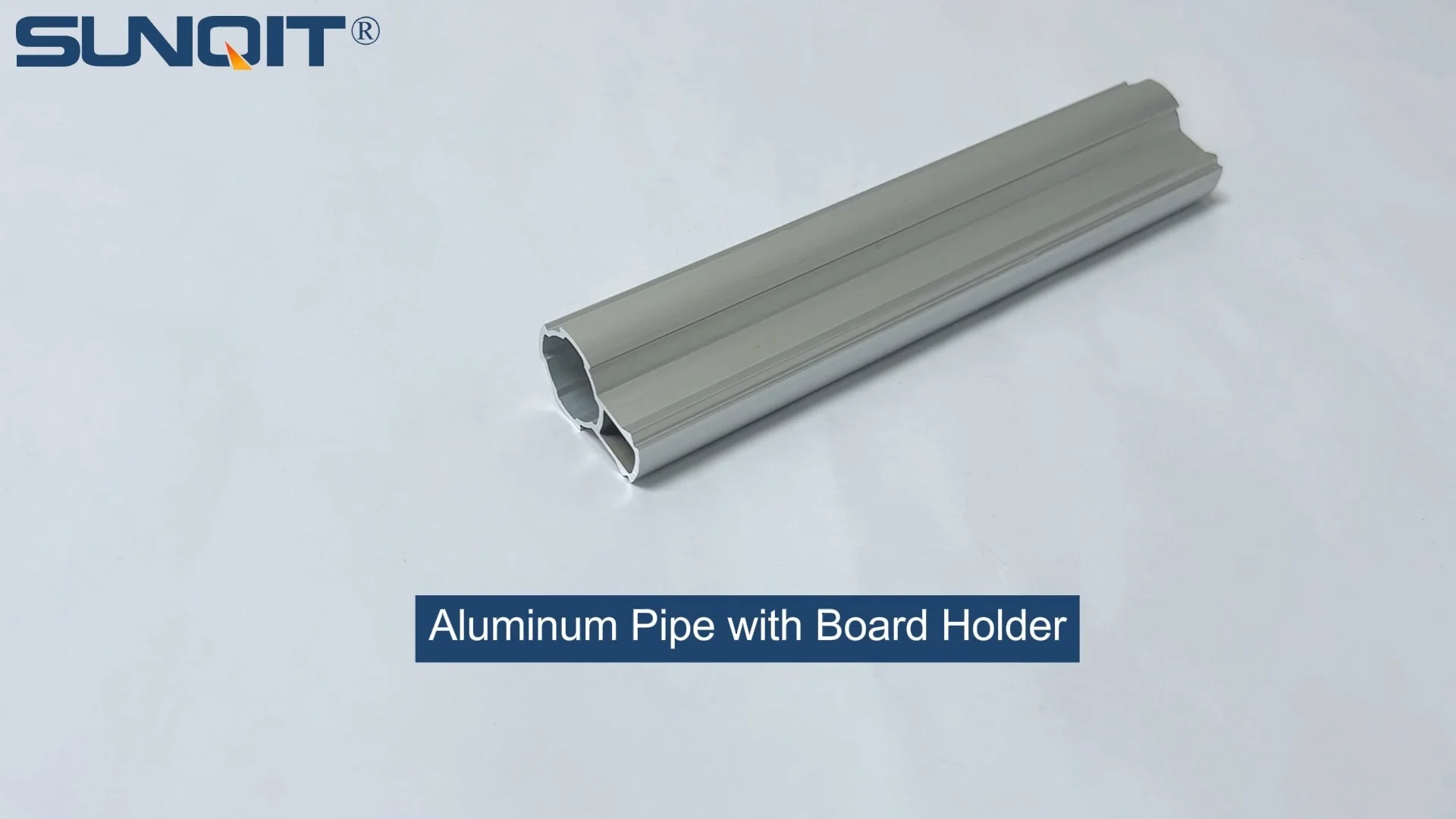
Aluminum Pipe with Board Holder
The linear rolling assembly can be arbitrarily connected in the protruding part of the card slot to increase the rigidity of the track.
High-Temp Resistance: Aluminum Pipe with Board Holder – The Unsung Hero of Hot Work Environments
Step into a bustling automotive assembly plant on a summer afternoon, and you'll feel it immediately: the air thick with the warmth of running machinery, the glow of curing ovens in the distance, and the steady hum of workers moving parts from station to station. Nearby, a technician leans over a workbench, soldering components onto a circuit board, while just a few feet away, a material rack holds trays of freshly molded plastic parts still warm from the injection molding process. In these moments, the structures supporting the workflow—workbenches, racks, and the pipes that frame them—aren't just inanimate objects. They're the backbone of productivity. But when temperatures climb, even the sturdiest setups can falter. A workbench top that warps under heat, a pipe joint that loosens as metal expands, or a material rail that sticks because plastic components soften—these small failures can ripple into delays, errors, and frustrated teams. That's where the aluminum pipe with board holder shines. It's not just a piece of equipment; it's a solution built to thrive when the heat is on, keeping operations steady, workers safe, and productivity on track.
The Hidden Cost of Heat: Why Traditional Materials Fall Short
To understand why the aluminum pipe with board holder matters, let's first talk about the enemy: heat. In industrial settings, high temperatures come from all angles. Maybe it's the ambient heat of a factory in a tropical climate, the radiant warmth from metalworking furnaces, or the residual heat from processes like powder coating or heat treating. Even in less extreme environments, consistent exposure to temperatures above 100°F can take a toll on equipment over time. Let's break down how common materials struggle here:
Steel: Once the go-to for industrial structures, steel is strong—but it's a heat conductor. In high-temp environments, steel pipes and frames can absorb heat quickly, making workbenches uncomfortable (or even dangerous) to touch. Over time, repeated heating and cooling cause steel to expand and contract, weakening welds and loosening joints. Add moisture, and rust becomes a problem, eating away at structural integrity.
Plastic: Lightweight and affordable, plastic pipes or composite materials might seem like a good alternative, but they're no match for heat. Most plastics start to soften around 140–180°F; at higher temps, they warp, melt, or become brittle with age. A plastic board holder, for example, might crack after months of holding warm parts, leaving tools or materials at risk of slipping.
Wood: Natural and easy to work with, wood workbenches have been around for centuries, but they're a poor fit for high heat. Wood dries out in warm environments, leading to cracks, splits, or warping. Even treated wood can absorb moisture from humid, hot air, creating a breeding ground for mold—hardly ideal for clean manufacturing spaces.
The result? Frequent replacements, unexpected downtime, and a constant battle to keep structures stable. For lean system managers, this isn't just a hassle—it's a waste of time, money, and resources. Enter aluminum: a material with a unique set of properties that make it almost tailor-made for high-temperature environments. And when paired with a thoughtfully designed board holder, it becomes a game-changer.
Aluminum Pipe with Board Holder: Built to Beat the Heat
At first glance, an aluminum pipe with board holder might look simple: a sleek aluminum tube, a sturdy bracket, and a flat surface for tools or materials. But its real power lies in the details—the science of aluminum as a material, the engineering of the pipe and holder, and how they work together to resist heat, stay strong, and keep workflows moving. Let's break it down.
Aluminum: The Heat-Resistant Workhorse
Aluminum's reputation as a heat-resistant material isn't accidental. Its natural properties make it stand out:
- Low Thermal Expansion: Unlike steel, aluminum expands minimally when heated. For example, at 200°F, aluminum expands about 0.0012 inches per foot—half the rate of steel. This means joints stay tight, pipes don't bow, and structures remain stable even with temperature swings.
- High Melting Point: Pure aluminum melts at 1,221°F, and aluminum alloys (like the ones used in industrial pipes) often have even higher melting points. In most manufacturing settings, where peak temps rarely exceed 500°F, this means the pipe itself won't warp or degrade.
- Heat Dissipation: Aluminum conducts heat well, but instead of trapping it, it releases it quickly. A steel pipe might stay hot to the touch long after the heat source is removed; aluminum cools down fast, reducing the risk of burns and keeping work surfaces comfortable to use.
- Corrosion Resistance: Aluminum forms a thin, protective oxide layer when exposed to air, preventing rust or degradation—even in humid, hot environments where moisture and heat would eat away at steel.
The Board Holder: More Than Just a "Shelf"
The board holder isn't an afterthought; it's designed to complement the aluminum pipe's strengths. Made from durable aluminum alloy or high-strength plastic (rated for high temps, of course), it's engineered to:
- Securely Mount: Using aluminum pipe accessories like internal rotary joints or T-slot brackets, the board holder attaches firmly to the pipe, even as temperatures rise. No loose screws, no slipping, and no need for constant readjustment.
- Support Weight Without Warping: Whether holding heavy tools, stacks of parts, or hot trays, the board holder's flat surface (often made of aluminum honeycomb panel or heat-resistant composite) distributes weight evenly. Unlike plastic or wood, it won't sag under load—even when warm.
- Stay Cool to the Touch: Thanks to aluminum's heat dissipation, the board holder itself stays relatively cool, even if the pipe is near a heat source. This is a small detail that makes a big difference for workers who lean on the bench or handle materials all day.
How It Stacks Up: Aluminum vs. Traditional Materials
| Material | Max Heat Resistance | Weight (Per Linear Foot) | Lifespan in High-Temp Environments | Maintenance Needs |
|---|---|---|---|---|
| Aluminum (Alloy 6061) | Up to 600°F (melting point 1,200°F+) | 3–5 lbs | 5–10 years (with proper care) | Minimal: Wipe clean; no painting or coating needed |
| Steel (Mild) | 400–600°F (conducts heat easily) | 10–15 lbs | 3–5 years (prone to rust/weakened joints) | Frequent: Repaint to prevent rust; tighten joints regularly |
| Plastic (PVC) | 140–180°F (warps/melts above) | 2–4 lbs | 1–2 years (brittles/softens quickly) | High: replace warped parts; clean to prevent mold |
| Wood (Hardwood) | 200–300°F (dries/cracks above) | 4–6 lbs | 1–3 years (splits/warps) | Frequent: Refinish; seal to prevent moisture damage |
The table tells the story: aluminum outlasts, outperforms, and requires less upkeep than traditional materials in hot environments. But it's not just about heat resistance. The aluminum pipe with board holder also shines in versatility—thanks to aluminum profile accessories, it can be customized to fit almost any workspace.
Beyond the Basics: Customizing for Your Workflow
One of the biggest advantages of aluminum pipe systems is their modularity. Unlike fixed steel or wooden structures, aluminum pipes and accessories let you build, adjust, and adapt on the fly—no welding, no special tools, just simple joints and brackets. And when paired with a board holder, the possibilities are endless. Let's look at how teams tailor these systems to their unique needs.
Aluminum Pipe Accessories: Building Blocks of Flexibility
The magic of aluminum pipe systems lies in the accessories. From joints to brackets, these small parts turn basic pipes into custom workbenches, material racks, or mobile carts. For high-temp environments, a few key accessories stand out:
- Internal Rotary Aluminum Joints: These allow pipes to pivot or rotate, even when warm, without jamming. Perfect for workbenches that need adjustable angles, like soldering stations where the board holder might need to tilt toward a technician.
- Aluminum Guide Rails: Mounted alongside the board holder, these rails keep materials from sliding off—critical when parts are warm and slightly slippery. Choose from yellow or grey plastic guide rails for visibility, or aluminum rails for extra durability.
- Heat-Resistant Casters: Add casters to the base of a workbench, and suddenly it's a mobile station that can roll near ovens or cooling areas. Look for casters with steel wheels or heat-resistant rubber to avoid melting in warm zones.
- Aluminum Honeycomb Panels: For the board holder surface itself, honeycomb panels are lightweight but strong, with excellent heat dissipation. They won't retain warmth like solid wood, keeping the work surface cool to the touch even after hours of use.
Real-World Setups: How Teams Use Aluminum Pipe with Board Holder
Let's take a look at two scenarios where aluminum pipe with board holder systems have transformed high-temp workflows:
Case Study 1: Automotive Paint Shop Prep Station
A leading auto manufacturer was struggling with workbenches near their paint curing ovens. The ovens reached 450°F, and the nearby steel workbenches would get so hot that workers needed gloves to handle tools. Worse, the wooden board holders warped every 6–8 months, leading to frequent replacements. The solution? An aluminum pipe workbench with a honeycomb board holder and internal rotary joints. The aluminum pipes stayed cool enough to touch, the honeycomb panel dissipated heat quickly, and the joints allowed workers to angle the board holder away from the oven when not in use. After a year, the workbench showed no signs of warping, and replacement costs dropped by 70%.
Case Study 2: Food Processing Material Rack
A food packaging plant needed a material rack to hold trays of baked goods fresh from the oven (temps around 350°F). Plastic racks had melted, and steel racks conducted too much heat, causing condensation (and soggy pastries). They switched to an aluminum pipe rack with a board holder lined with heat-resistant silicone. The aluminum frame stayed cool, the silicone prevented trays from sticking, and the modular design let them add extra shelves as production scaled. Now, the rack stays stable, and pastries cool evenly without condensation—no more wasted batches.
These examples highlight a key point: aluminum pipe with board holder systems aren't one-size-fits-all. They're blank canvases for problem-solving, letting teams design structures that fit their space, their processes, and their heat challenges.
Fitting into the Lean System: Efficiency, Waste Reduction, and Long-Term Value
Lean manufacturing is all about eliminating waste—whether it's time, materials, or unnecessary steps. In that spirit, aluminum pipe with board holder systems align perfectly with lean principles. They're not just durable; they're efficient, cost-effective, and built to grow with your team. Let's see how they contribute to a leaner workflow.
Reducing Downtime: The Leanest Benefit of All
In lean terms, unplanned downtime is one of the costliest forms of waste. A warped workbench that halts an assembly line for an hour, or a broken material rack that leaves workers waiting for parts—these aren't just inconveniences; they're hits to the bottom line. Aluminum pipe systems minimize this risk. Their durability means fewer replacements, and their modularity means quick fixes: if a board holder cracks (unlikely, but possible), you can swap it out in minutes, not hours. For example, a electronics manufacturer reported a 40% drop in setup time after switching to aluminum workbenches, as they could reconfigure the board holder and pipes between product runs without tools.
Space Optimization: Small Footprint, Big Impact
Aluminum's lightweight nature means you can build sturdy structures without the bulk of steel. A mobile aluminum workbench with board holder might weigh 50 lbs, compared to 150 lbs for a steel equivalent—making it easy to move, store, or reposition. In tight spaces, like a lab with limited floor area or a factory with shifting assembly lines, this flexibility is invaluable. Teams can tuck workbenches away when not in use, or roll them into place for peak production—no wasted square footage.
Long-Term Cost Savings: Investing in Resilience
It's true: aluminum pipe systems often cost more upfront than plastic or basic steel. But lean thinking looks beyond the initial price tag to total cost of ownership (TCO). Over 5 years, an aluminum workbench with board holder might cost $500 upfront but require $100 in maintenance. A plastic workbench might cost $200 upfront but need replacement every 2 years, totaling $600 over the same period. Add in downtime costs, and aluminum becomes the smarter investment. As one plant manager put it: "We used to replace our wooden workbenches twice a year. Now, with aluminum, we're on year three, and they still look new. The math speaks for itself."
Choosing the Right Supplier: Why Quality Matters
Not all aluminum pipe with board holder systems are created equal. The quality of the aluminum alloy, the precision of the joints, and the durability of the board holder can vary widely between suppliers. For high-temp environments, cutting corners on quality can lead to early failure—exactly what you're trying to avoid. So, what should you look for in a supplier?
Key Traits of a Reliable Aluminum Pipe Supplier
- Alloy Expertise: Not all aluminum is the same. Look for suppliers who use high-grade alloys like 6061 or 6063, which are known for strength and heat resistance. Ask for material certifications to ensure the aluminum meets industry standards for temp resistance.
- Testing for Heat Performance: A good supplier doesn't just sell parts—they test them. Ask if they've stress-tested their pipes and board holders at high temps (e.g., 300°F for 1,000 hours) to simulate real-world use. If they can't provide data, keep looking.
- Range of Accessories: The best suppliers offer a full suite of accessories, from heat-resistant casters to specialized joints. This ensures you can build exactly what you need without mixing and matching parts from different brands (which can lead to compatibility issues).
- Customization Support: Every workspace is unique. A supplier that offers custom cutting, drilling, or finishing (like anodizing to corrosion resistance) can help you tailor the system to your exact specs—no more forcing a "one-size-fits-all" solution.
Remember: a supplier isn't just a vendor; they're a partner in your success. A reliable one will take the time to understand your heat challenges, recommend the right parts, and stand behind their products if something goes wrong. It's worth investing the time to find a supplier who prioritizes quality over quick sales.
Final Thoughts: Aluminum Pipe with Board Holder – More Than a Tool, a Trusted Partner
In the world of manufacturing and industrial work, it's the small, reliable tools that make the biggest difference. The aluminum pipe with board holder might not grab headlines, but for teams working in high-temp environments, it's a silent hero. It resists heat, stays strong, adapts to changing needs, and keeps workflows moving when other materials fail. It's a testament to how smart material science and thoughtful design can turn a basic structure into a cornerstone of productivity.
Whether you're running an automotive plant, a food processing facility, or a lab with temperature-controlled zones, the right aluminum pipe system can transform how you work. It's not just about avoiding warped workbenches or broken racks; it's about building a workflow that's resilient, efficient, and ready to handle whatever heat comes its way. So, the next time you step into a warm workspace, take a closer look at the structures holding it all together. Chances are, if they're aluminum, they're not just working—they're thriving.