- Company Articles
- Products and Technology
- Product knowledge
- High-Temperature Resistant Adjustable Leveling Feet – Ideal for Automotive Paint Shops

High-Temperature Resistant Adjustable Leveling Feet – Ideal for Automotive Paint Shops
Related Product
Adjustable Leveling Feet
Adjustable leveling feet are designed to keep machines level when placed on uneven or sloped ground. Otherwise known as adjustable equipment feet, they are available to order in a wide variety of size and load capacity combinations.
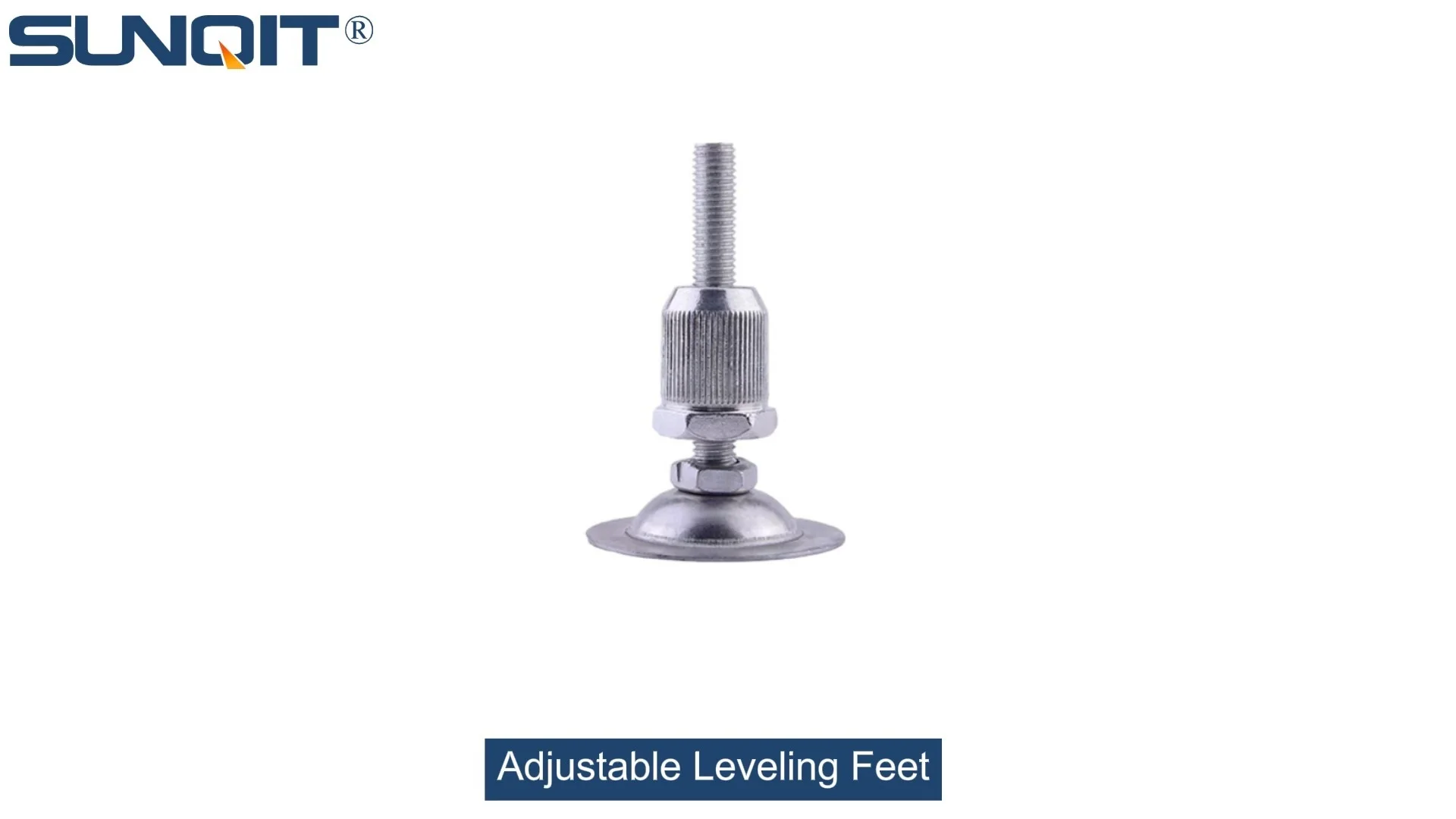
In the fast-paced world of automotive paint shops, precision isn't just a goal—it's the backbone of quality work. Every detail, from the viscosity of the paint to the angle of the spray gun, impacts the final finish. But there's one unsung hero that often goes unnoticed: the stability of the surfaces where parts are prepped, painted, and cured. Enter high-temperature resistant adjustable leveling feet—small components that play a massive role in keeping workbenches steady, parts level, and operations running smoothly, even when temperatures soar.
The Unique Challenges of Automotive Paint Shops
Automotive paint shops are harsh environments. They're a blend of controlled chaos: technicians rushing to meet production deadlines, specialized equipment humming, and curing ovens radiating intense heat. To understand why standard leveling feet fall short, let's break down the key challenges these spaces face:
- Extreme Temperatures : Paint curing ovens are essential for drying and hardening finishes, and they often reach temperatures between 150°C and 200°C (302°F to 392°F). Nearby workbenches and material racks absorb this heat, creating a constant high-temperature environment that can warp or degrade standard plastic or low-grade metal components.
- Chemical Exposure : Paints, primers, solvents, and cleaning agents are staples in these shops. Many of these chemicals are corrosive, and over time, they can eat away at unprotected metal or degrade rubber components, leading to instability or failure.
- Uneven Floors, Unforgiving Precision : Paint shops rarely have perfectly level floors. Years of heavy equipment use, spills, and repairs can leave surfaces uneven. For tasks like prepping parts or masking edges, even a slight tilt in the workbench can lead to uneven paint application, rework, and wasted materials.
- Safety Risks : Slippery floors from chemical spills, combined with unstable workbenches, create a recipe for accidents. A tipping rack or a sliding part not only damages inventory but also puts technicians at risk of injury.
These challenges demand solutions that don't just "work"—they need to endure . And that's where high-temperature resistant adjustable leveling feet step in.
What Are High-Temperature Resistant Adjustable Leveling Feet?
At their core, adjustable leveling feet are the "feet" of industrial workbenches, material racks, and equipment. They screw into the base of these structures, allowing users to tweak their height and level to compensate for uneven floors. But standard leveling feet—often made of plastic or low-grade steel—aren't built for the extremes of a paint shop. High-temperature resistant models, however, are engineered to thrive here.
Think of them as the rugged, heat-proof cousins of standard feet. They're designed to maintain their structural integrity, grip, and adjustability even when exposed to-like temperatures, corrosive chemicals, and daily wear and tear. Unlike their counterparts, which might crack, melt, or lose their grip after a few months, these feet are built to last years in harsh conditions.

Key Features That Set Them Apart
What makes high-temperature resistant adjustable leveling feet ideal for paint shops? Let's dive into their standout features:
1. Heat-Resistant Materials
The star of the show is the material. These feet are typically crafted from:
- Stainless Steel : Grades like 304 or 316 stainless steel resist corrosion from chemicals and can handle continuous temperatures up to 600°C (1112°F)—way more than the hottest paint oven.
- Heat-Resistant Plastics : Reinforced polymers (like PEEK or PA66 with glass fiber) that stay rigid even at 250°C (482°F), avoiding warping or melting.
- Aluminum Alloys : Lightweight yet durable, some models use treated aluminum that withstands high temps and pairs well with aluminum profile workbenches common in modern shops.
2. Precision Adjustability
Even the sturdiest foot is useless if it can't fine-tune for uneven floors. These feet feature coarse or fine-threaded stems (often M10 or M12 threads) that allow micro-adjustments—sometimes as small as 0.5mm per turn. This ensures workbenches stay perfectly level, whether the floor dips near a drain or rises from years of paint buildup.
3. Chemical and Slip Resistance
The base of the foot (the part that touches the floor) is critical. Many models use nitrile rubber or silicone pads that resist swelling or breaking down when exposed to paints, thinners, or degreasers. These pads also provide extra grip, reducing the risk of workbenches sliding on slippery floors—a must in spaces where spills are common.
4. Compatibility with Shop Infrastructure
Paint shops often use modular setups built with aluminum profiles—lightweight, customizable frameworks for workbenches, racks, and carts. High-temperature leveling feet are designed to integrate seamlessly with these systems, often featuring universal mounting plates or threads that fit standard aluminum profile accessories. This means you won't need to overhaul your entire setup to upgrade—just swap out the feet.

Why Standard Leveling Feet Fall Short: A Quick Comparison
Still not convinced you need high-temperature models? Let's stack them against standard leveling feet in a paint shop environment:
| Feature | Standard Leveling Feet | High-Temperature Resistant Adjustable Leveling Feet |
|---|---|---|
| Max Temperature Resistance | 60°C – 100°C (140°F – 212°F) | Up to 250°C – 600°C (482°F – 1112°F) |
| Chemical Resistance | Low (rubber/plastic degrades in solvents) | High (stainless steel, nitrile rubber resists chemicals) |
| Expected Lifespan in Paint Shops | 6 – 12 months (warping, cracking, slipping) | 3 – 5+ years (minimal degradation) |
| Slip Resistance | Low (standard rubber hardens/cracks over time) | High (heat-resistant rubber maintains grip) |
| Compatibility with Aluminum Profiles | Limited (may require custom adapters) | Wide (designed for modular aluminum setups) |
*Data based on typical product specifications and real-world paint shop feedback.

Real-World Impact: A Paint Shop Success Story
To put this in perspective, let's look at a mid-sized automotive paint shop in Michigan that recently upgraded to high-temperature resistant adjustable leveling feet. Before the switch, their workbenches—used for prepping car door panels—were fitted with standard plastic leveling feet. Within 8 months, the feet began to warp from proximity to the curing oven, causing the workbenches to tilt slightly. This led to:
- 12% more rework due to uneven paint application on panels.
- Monthly replacements of warped feet, costing $300 in parts and labor.
- A near-miss accident when a panel slid off a tilted bench, hitting a technician.
After switching to stainless steel high-temperature feet with nitrile rubber bases, the results were clear within 6 months:
- Rework dropped by 90%—panels stayed level, and paint coats were consistent.
- No more monthly replacements; the feet showed zero signs of warping or degradation.
- Technicians reported feeling safer, with workbenches "rock-solid" even during busy shifts.
The shop manager summed it up: "We used to see these feet as 'just another part,' but now we realize they're the foundation of our quality. The small investment saved us thousands in rework and downtime."
Choosing the Right High-Temperature Adjustable Leveling Feet
Not all high-temperature feet are created equal. Here's what to look for when selecting them for your paint shop:
1. Temperature Rating
Check the manufacturer's specs for continuous temperature resistance. If your curing ovens run at 180°C, opt for feet rated to at least 200°C to be safe—always leave a buffer.
2. Load Capacity
Workbenches loaded with heavy parts (like engine hoods) need feet that can handle the weight. Look for load ratings per foot—aim for 500kg+ per foot for heavy-duty use.
3. Floor Compatibility
Smooth concrete floors work well with most bases, but if your shop has rough or uneven surfaces, choose feet with larger, thicker rubber pads for better stability.
4. Mounting Style
Ensure the feet fit your existing setup. If you use aluminum profile workbenches, look for feet with mounting plates that align with aluminum profile accessories (like T-slot nuts or brackets).
Maintenance Tips to Maximize Lifespan
Even the toughest leveling feet need a little care. Here's how to keep them performing at their best:
- Clean Regularly : Wipe feet with a degreaser to remove paint overspray, oil, or chemical residue. Buildup can hide cracks or reduce grip.
- Lubricate Threads : Every 3 months, apply high-temperature grease (like molybdenum disulfide grease) to the threaded stems to keep adjustments smooth, even in heat.
- Inspect Pads : Check rubber bases for cracks or hardening. replace pads if they lose their flexibility—this is key for slip resistance.
- Tighten Periodically : Vibrations from equipment can loosen feet over time. A quick check with a wrench every month ensures they stay secure.
Final Thoughts: Small Parts, Big Impact
High-temperature resistant adjustable leveling feet might not be the flashiest tools in an automotive paint shop, but they're undeniably critical. They turn uneven floors into stable workspaces, withstand the heat of curing ovens, and protect against the corrosive chemicals that come with the job. For shops focused on quality, safety, and efficiency, upgrading to these feet isn't just an expense—it's an investment in getting the job right the first time.
So the next time you walk through a paint shop, take a moment to look down. Those unassuming components under the workbenches? They're the quiet guardians of precision, keeping the industry rolling—one level surface at a time.