- Company Articles
- Products and Technology
- Product knowledge
- High-Temperature Resistant T-Slot Rubber Seal Covers: Ideal for Automotive Engine Production

High-Temperature Resistant T-Slot Rubber Seal Covers: Ideal for Automotive Engine Production
Related Product
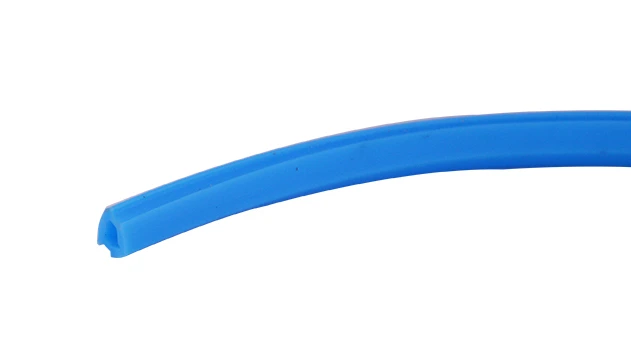
T-slot Rubber Seal Cover
The rubber T-slot seal cover prevents dust and debris buildup, covers wires in the T-slot channel, and adds an extra layer of protection to applications. It rolls into the T-slot, making it easy to assemble.
The Unsung Heroes of Engine Manufacturing
Walk into any automotive engine production facility, and your senses are immediately overwhelmed: the hum of conveyor belts, the clink of metal tools, the focused energy of workers assembling components with millimeter precision. Every part of this ecosystem is designed to chase one goal—building engines that are powerful, reliable, and built to last. But amid the roar of machinery and the complexity of engine blocks, pistons, and crankshafts, there's a quiet component that plays a critical role in keeping this chaos organized and efficient: the T-slot rubber seal cover.
If you've ever wondered how automotive plants maintain such tight production schedules while minimizing errors, look no further than the aluminum extrusion profiles that form the backbone of workbenches, material racks, and assembly lines. These profiles, with their signature T-shaped grooves, are the unsung infrastructure of lean systems—they hold tools, secure components, and guide parts through each stage of production. But without proper protection, these grooves can become breeding grounds for debris, victims of heat damage, or casualties of chemical spills. That's where high-temperature resistant T-slot rubber seal covers step in, acting as the first line of defense for the very systems that keep engines rolling off the line.
Why High Temperatures Are a Game-Changer in Engine Production
Automotive engine production isn't for the faint of heart—especially when it comes to heat. Think about it: during testing, engine blocks can reach temperatures upwards of 200°C (392°F) as they're put through their paces. Even during assembly, components like exhaust manifolds or turbochargers retain residual heat from casting processes, and nearby machinery generates ambient warmth that can push workbench surfaces into the 60–80°C range. Add to that the presence of hot oils, coolants, and degreasers, and you've got an environment that's brutal on ordinary materials.
This is where standard rubber seal covers fall short. Most basic rubber products start to degrade at 80°C, hardening, cracking, or losing elasticity over time. When that happens, the T-slots they're meant to protect become exposed: metal edges get rough, debris clogs the grooves, and brackets or tools slide unevenly—leading to misalignments, delays, and even damaged parts. For a lean system, where efficiency and waste reduction are everything, these small failures can snowball into big problems: missed deadlines, increased maintenance costs, and frustrated workers who can't rely on their tools.
High-temperature resistant T-slot rubber seal covers, however, are engineered to thrive in this chaos. Made from advanced blends of silicone and EPDM (ethylene propylene diene monomer), they laugh in the face of heat, chemicals, and daily wear. Let's break down why they're not just a nice-to-have, but a must-have for any engine production facility.

The Perfect Pair: T-Slot Seal Covers and Aluminum Extrusion Profiles
To understand the value of these seal covers, you first need to appreciate the star of the show: aluminum extrusion profiles. These lightweight, durable structures are the building blocks of modern manufacturing workbenches, material racks, and assembly stations. Unlike rigid steel frames, aluminum profiles are modular—thanks to their T-shaped slots, you can attach brackets, shelves, tool holders, or even conveyor tracks with just a few bolts, no welding required. This flexibility is the cornerstone of lean systems, allowing plants to reconfigure workstations in hours instead of days as production needs change.
But here's the catch: those T-slots are delicate. The edges are sharp, the grooves collect dust and metal shavings, and exposure to heat and chemicals can corrode the aluminum over time. That's where T-slot rubber seal covers come in. Designed to snap snugly into the slots, they act as a buffer between the harsh production environment and the aluminum extrusion profile itself. They smooth out sharp edges, preventing workers from nicking hands or damaging soft components like wiring harnesses. They seal out debris, so brackets slide into place without jamming. And they insulate the aluminum from direct contact with hot oils or coolants, reducing the risk of corrosion.
Take, for example, a typical workbench in an engine assembly line. This isn't just a table—it's a command center where workers mount torque wrenches, align engine blocks, and organize small parts like gaskets or bolts. The workbench's aluminum extrusion profile frame is dotted with T-slots that hold tool holders, part bins, and even LED task lights. Without a seal cover, the T-slots on that workbench would quickly become a mess: metal shavings from engine machining would clog the grooves, spilled coolant would eat away at the aluminum, and the constant sliding of part bins would wear down the slot edges. But with a high-temperature resistant seal cover in place, the slots stay clean, the aluminum stays protected, and the workbench remains a reliable, adaptable hub for years.
It's this synergy—between aluminum extrusion profiles and T-slot seal covers—that makes lean systems possible. The profiles provide the flexibility, and the seal covers ensure that flexibility doesn't come at the cost of durability.

Key Features That Make These Seal Covers Stand Out
Not all seal covers are created equal. Let's take a closer look at what sets high-temperature resistant T-slot rubber seal covers apart from their generic counterparts. To illustrate, here's a comparison of standard rubber seal covers and their high-performance siblings:
| Feature | Standard Rubber Seal Covers | High-Temperature Resistant T-Slot Rubber Seal Covers |
|---|---|---|
| Temperature Range | -20°C to 80°C (68°F to 176°F) | -40°C to 200°C (-40°F to 392°F) |
| Material | Natural rubber or basic synthetic rubber | Silicone-EPDM blend with heat-stabilizing additives |
| Chemical Resistance | Limited (swells in oil/coolant; degrades in degreasers) | Excellent (resists motor oil, ethylene glycol, isopropyl alcohol, and most industrial solvents) |
| Color Options | Typically black or grey (limited visibility) | Yellow, grey, or custom (yellow for high-visibility areas; grey for low-profile needs) |
| Durability (Under Daily Use) | 3–6 months before cracking/hardening | 12–18 months (even in high-heat, high-traffic zones) |
| Best For | Low-heat, low-chemical environments (e.g., packaging lines) | Automotive engine production, aerospace manufacturing, or any high-heat assembly line |
The standout here is, of course, the temperature resistance. At 200°C, standard rubber would turn brittle and crumble, but a silicone-EPDM blend remains flexible, maintaining its seal and protecting the aluminum extrusion profile. This is critical during engine testing phases, where hot components are placed directly on workbenches or moved along roller tracks lined with aluminum profiles. The seal covers act as a thermal barrier, ensuring the profiles themselves stay cool enough to handle and preventing heat-related warping.
Color options might seem like a small detail, but in a busy plant, visibility matters. Yellow seal covers, for example, stand out against the silver of aluminum profiles, making it easy for workers to spot if a section has come loose or is missing. This quick visual check saves time during pre-shift inspections and reduces the risk of overlooked damage.
Lean Systems Love Them: How Seal Covers Reduce Waste and Boost Efficiency
Lean manufacturing is all about eliminating waste—whether that's wasted time, wasted materials, or wasted effort. High-temperature resistant T-slot rubber seal covers play a surprisingly big role in keeping lean systems on track, and here's how:
1. Less Downtime, More Production
When a T-slot gets clogged or a bracket jams, the whole line can grind to a halt. A worker might spend 10 minutes cleaning out debris, or a supervisor might have to pause production to replace a damaged profile. Multiply that by dozens of workbenches and hundreds of shifts, and you're looking at hours of lost productivity. With seal covers in place, slots stay clean, brackets slide smoothly, and maintenance checks are faster—because there's simply less to fix.
2. Lower Maintenance Costs
Aluminum extrusion profiles aren't cheap, and replacing a damaged one costs time and money. A single 2-meter profile can run $50–$100, not counting labor to remove the old one and install the new. Seal covers, by contrast, cost a fraction of that—maybe $5–$10 per meter—and are easy to replace. Investing in a $10 seal cover to protect a $100 profile is a no-brainer for any cost-conscious facility.
3. Happier, More Productive Workers
Anyone who's worked on a faulty tool knows how frustrating it is—especially when it's something small, like a sticky bracket or a rough workbench edge. These micro-irritations add up, draining morale and focus. When workers can trust that their workbench's T-slots are smooth, clean, and reliable, they can focus on what matters: building engines with precision. It's a small change, but it makes a big difference in daily satisfaction.
Real-World Impact: A Day in the Life of an Engine Plant with Seal Covers
Let's paint a picture of how these seal covers work in action. Meet Maria, a line technician at a mid-sized automotive engine plant. Her station is responsible for assembling cylinder heads, a task that requires attaching delicate valves, springs, and camshafts with pinpoint accuracy. Her workbench is built from aluminum extrusion profiles, with T-slots holding her torque wrench mount, a parts bin, and a small roller track for moving heads to the next station.
A year ago, without seal covers, Maria's workbench was a constant headache. The T-slots would collect metal shavings from the cylinder heads, causing her torque wrench mount to wobble. In summer, when the plant got hot, the basic rubber covers would soften and slip out of the slots, leaving the aluminum edges exposed. She once nicked her hand on a sharp slot, requiring a bandage and a 15-minute break. Worst of all, during engine testing, a hot exhaust manifold placed on her workbench melted the seal cover, leaving the slot sticky and warped—it took two hours to replace the profile, and her team missed their daily quota.
Today, with high-temperature resistant T-slot rubber seal covers (yellow, for visibility), Maria's station runs like clockwork. The slots stay clean, so her torque wrench mount is stable, and she hasn't had a single jam. The seal covers handle the heat from test components without melting, and the yellow color makes it easy to spot if one comes loose (which, thanks to their snug fit, rarely happens). "It sounds silly, but those little rubber strips have made my job so much easier," she says. "I can focus on building the engine right, not fighting with the workbench."
Maria's story isn't unique. Across the plant, from material racks holding engine blocks to roller tracks moving parts between stations, seal covers have cut maintenance calls by 40% and reduced profile replacements by 70%. For the plant manager, that's a win for lean principles—and a big win for the bottom line.
Material Science 101: Why Silicone-EPDM Blends Are the Gold Standard
What makes these seal covers so tough? It all comes down to the materials. Silicone is famous for its heat resistance—it's the same stuff used in oven mitts and spacecraft gaskets—while EPDM excels at standing up to chemicals, UV rays, and weathering. By blending the two, manufacturers create a material that combines the best of both worlds: flexibility at low temperatures, stability at high temperatures, and resistance to oils, coolants, and industrial solvents.
But it's not just the base materials—additives play a key role too. Carbon black, for example, boosts durability and UV resistance, while plasticizers keep the rubber flexible even after years of use. Some formulations even include flame-retardant additives, an extra layer of safety in environments where sparks or open flames might be present (though, let's hope that's rare in engine production!).
The manufacturing process matters too. High-quality seal covers are extruded, not molded, which ensures a consistent thickness and a perfect fit for T-slots of all sizes (from 20×20mm to 40×80mm profiles). They're also designed with a slightly tapered edge, making them easy to press into the slot but hard to pull out—no adhesives needed. This "press-fit" design means installation takes seconds, and replacement is just as fast.
Installation and Maintenance: It's Easier Than You Think
You might think a high-performance part would require a high-maintenance routine, but these seal covers are refreshingly low-fuss. Here's a quick guide to getting the most out of them:
Installation Tips
• Clean the slot first: Wipe out any debris or old rubber residue with a dry cloth or compressed air. A clean slot ensures a tight fit.
• Start at one end: Press the seal cover into the slot at one end, then run your thumb along the length to lock it in. For longer profiles, use a rubber mallet to tap it into place (gently—you don't want to damage the cover).
• Check for gaps: After installation, run your finger along the edge. If you feel any gaps, the cover might be misaligned—peel it back and try again.
Maintenance 101
• Inspect weekly: During pre-shift checks, look for signs of wear—cracks, tears, or sections that have come loose. Pay extra attention to high-heat areas near testing stations.
• Clean with mild soap and water: If the covers get greasy, wipe them down with a damp cloth and mild detergent. Avoid harsh solvents like acetone—they can break down the rubber over time.
• replace when needed: Even the best seal covers wear out eventually. If you notice hardening, discoloration, or loss of flexibility, swap them out. It's a 5-minute job that prevents bigger issues later.
Future Trends: What's Next for T-Slot Seal Covers?
As automotive manufacturing moves toward electric vehicles and Industry 4.0, the demands on production systems will only grow. Electric motor production, for example, involves even more precision and tighter tolerances, which means workbenches and profiles will need to be more reliable than ever. So, what's next for high-temperature resistant T-slot rubber seal covers?
One trend is smarter materials. Researchers are experimenting with self-healing rubbers that can repair small cracks when exposed to heat, extending lifespan even further. Another is customization—suppliers are offering custom colors, sizes, and even branding (like company logos) for easy identification across large plants.
There's also potential for integration with IoT (Internet of Things) systems. Imagine seal covers embedded with tiny sensors that monitor temperature, wear, or vibration, sending alerts to a central dashboard when maintenance is needed. This "predictive maintenance" could take lean systems to the next level, eliminating unplanned downtime entirely.
Conclusion: Small Parts, Big Impact
At the end of the day, high-temperature resistant T-slot rubber seal covers might not be the most glamorous parts of automotive engine production. They don't get featured in ads or win awards, and most workers probably don't think about them twice—until they're missing. But in a world where every second counts and every component must be perfect, these small, unassuming strips of rubber play a vital role.
They protect aluminum extrusion profiles from heat and chemicals, keep lean systems running smoothly, and make life easier for the workers who build the engines that power our cars. They're a testament to the idea that in manufacturing, sometimes the smallest innovations have the biggest impact.
So, the next time you see an aluminum workbench in an engine plant, take a closer look at the T-slots. Chances are, there's a high-temperature resistant rubber seal cover in there—quietly doing its job, keeping the line moving, and proving that great engines start with great infrastructure.